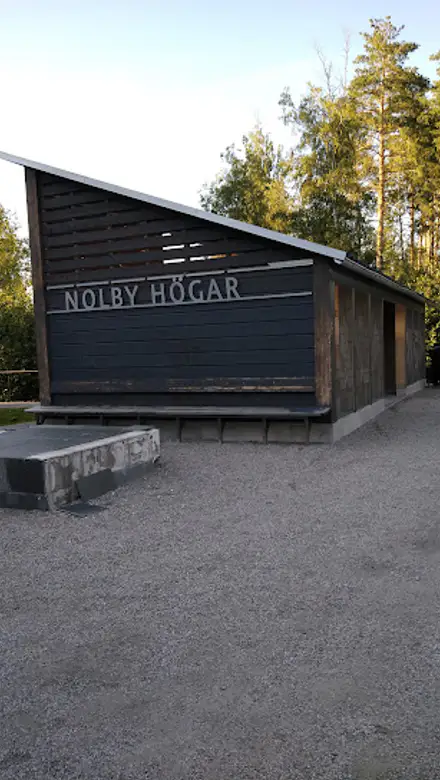
Nolby Högar Travel Guide
Free Guide: A powerful multi-period gravefield in Kvissleby where Iron Age tumuli, a historic runestone and medieval remains overlap in a quiet northern landscape.


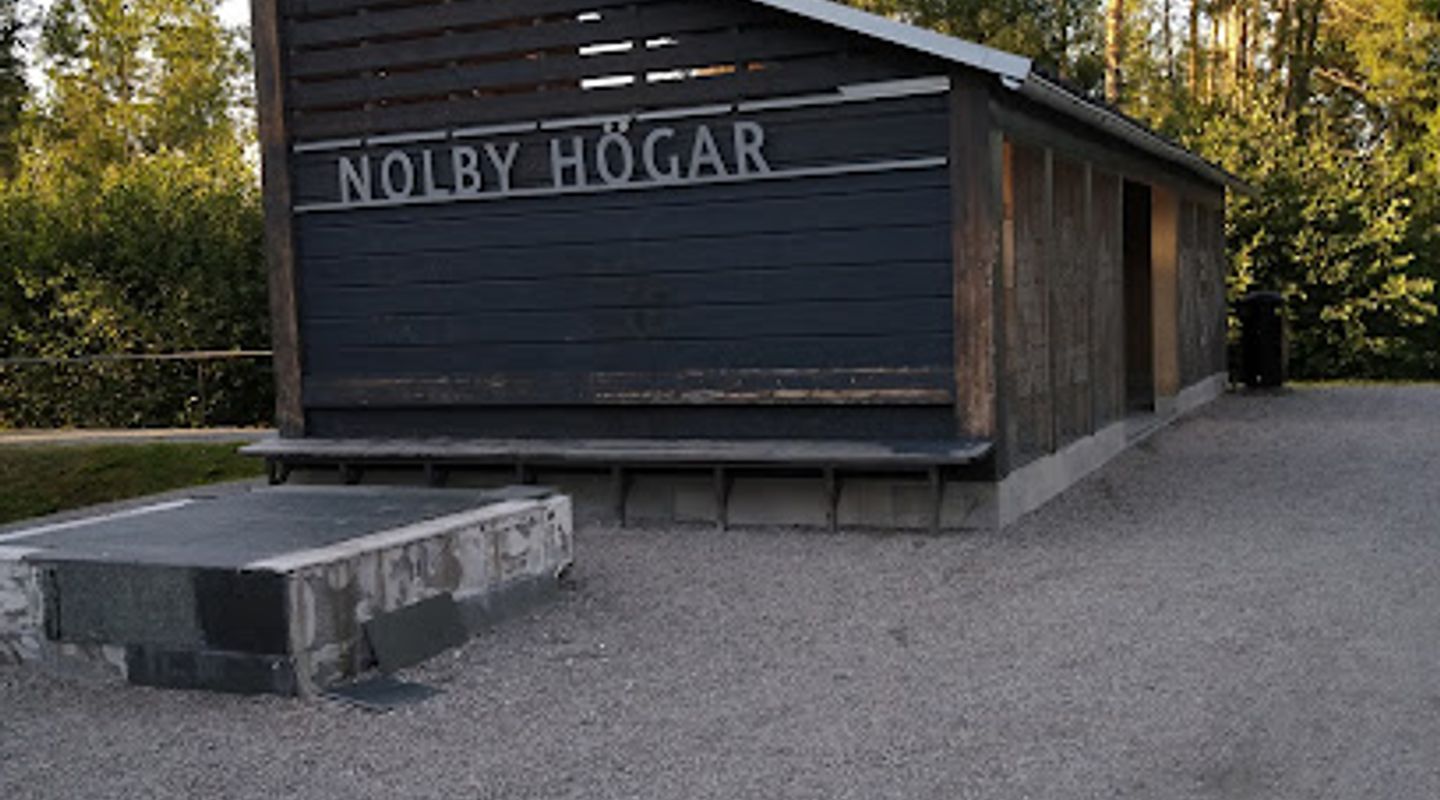
A brief summary of Nolby Högar
A powerful multi-period gravefield in Kvissleby where Iron Age tumuli, a historic runestone and medieval remains overlap in a quiet northern landscape.
Nolby Högar is a monumental archaeological landscape in Kvissleby, Sundsvall municipality, featuring large Iron Age burial mounds, a runestone, traces of ancient farmsteads and a medieval church ruin spread across park-like grassland. The site preserves layers of Scandinavian history from the Migration and Vendel periods through the Viking Age and into the medieval era, offering a quiet, evocative place to study ritual, memory and landscape continuity.
On-site amenities
 Information boards
 Seating areas
 Trash bins
Opening hours
- Every dayOpen 24 hours
Opening hours as listed on the venue’s Google Business Profile. Hours can change for services and special events, so check with the venue before you go.
- Address
- Gamla vägen 10, 862 32 Kvissleby
- Phone
- Website
Getting there
Car
Regional bus
Taxi / Rideshare
Discover more about Nolby Högar
Visible layers of ancient power
Nolby Högar is dominated by a cluster of large burial mounds that announce the site from a distance; these tumuli were raised in the late Iron Age and mark a location of local elite activity and ritual significance. Interspersed between the mounds are the remains of house foundations and linear earthworks that hint at a once-thriving agricultural settlement whose social landscape centred on prestige burials and long-term occupation.
Runestone and carved messages
Near the moundfield stands the well-known Nolby (Nolbystenen) runestone, an inscribed stone that was recorded as early as the 17th century and remains in situ. The runic text and the stone’s continuity in the landscape connect the monumental prehistoric graves with the later Viking Age practice of inscribing memory into stone, making the area both funerary and communicative across centuries.
Medieval traces in a palimpsest landscape
Scattered among the prehistoric features are the earthworks and footprint of an early medieval church ruin and associated burial ground. These later elements show how Nolby continued to function as a locus of sacred and communal activity—an adaptation of earlier ritual topography rather than a wholesale break with the past—so that the same ground served different social forms over time.
Archaeology and nineteenth–twenty-first century attention
Archaeological surveys and excavations in the area have emphasised the site’s importance for understanding regional hierarchical structures during the Migration and Vendel periods. Excavations in the broader Sundsvall region, including notable local finds from mid-20th-century digs, have drawn attention to the wealth of artefacts and the size of some graves, underlining the area’s role as a seat of regional power in earlier centuries.
Landscape character and visitor experience
Today Nolby Högar appears as a calm grassy terrain punctuated by rounded earthen mounds, weathered stone, scattered interpretive markers and occasional trees; wind and long northern light accentuate the contours. The site reads like an open-air museum where scale and silence amplify the sense of deep time—walkers encounter a layered landscape rather than a single monument.
Why Nolby matters
Nolby Högar is significant both as an archaeological archive and as a continuing cultural landmark: the combination of visible mounds, a historically recorded runestone and medieval remnants makes it a rare, multi-period site. It offers palpable evidence for continuity in sacred places and for how ritual landscapes were repurposed by successive generations, providing a direct, legible connection to the region’s ancient inhabitants.
Evendo Review Centre
 Google
Guest reviews
Best time to go
Quietest: Jan, Feb & Dec · before 3am
Busy times are Evendo estimates for a typical year, to help you plan. Actual crowds vary with events, school holidays and the weather.
Explore Nolby Högar on the map
A handpicked selection of must-see spots near Nolby Högar, mapped for you.
Get your free copy of our complete guide to Nolby Högar, delivered straight to you.
Everything on this page, from opening hours and how to get there to Eve’s tips and the best time to go, in one PDF you can read offline, print or share.
Already have an account? Sign in
Your Nolby Högar guide is ready.
We'll send it to · Not you? Sign out

Getting your guide ready…
We are putting together a fresh copy of the Nolby Högar guide. This can take up to a minute.
This can take a few moments. If your browser asks, choose Allow so the download can start. You'll find the guide in your Downloads folder.
Nothing happened? Download it again
Sorry, the guide is taking longer than usual. Please try again in a minute, or get it by email instead.
Other nearby places you may find interesting
The closest places of the same kind, if this one is not quite what you had in mind.
-
-
-
-
-


Swipe for more places
More to explore near Nolby Högar

 Best experiences near Nolby Högar
 Best hotels near Nolby Högar
 Best landmarks near Nolby Högar
 Best attractions near Nolby Högar
 Best shops near Nolby Högar
 Best restaurants near Nolby Högar
 Best bars near Nolby Högar
Do you manage this location?
Take control to get all the benefits, like improved information, better appearance, and stronger visibility across AI-powered discovery.
Explore more
Explore more of Norrland
Experience the Magic of Norrland: Northern Lights, Midnight Sun, and Rich Cultural Heritage in Sweden's Northernmost Wonderland.
Explore Norrland
Explore more of Sweden
Discover Sweden's breathtaking landscapes, vibrant cities, and rich cultural heritage. From the Northern Lights to historic castles, experience the essence of Scandinavia.
Explore Sweden