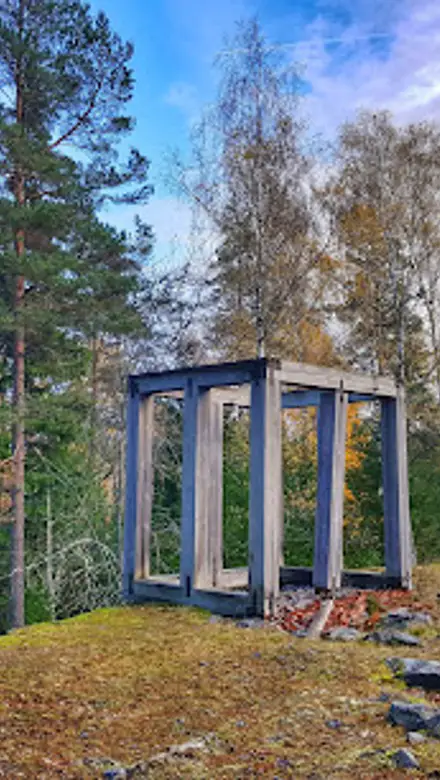
Skottvångs gruva Travel Guide
Free Guide: Plunge into Sweden's mining past at Skottvångs Gruva, where 300m-deep shafts, restored tunnels, and glowing kolmilor reveal the iron heart of Åkers bergslag.


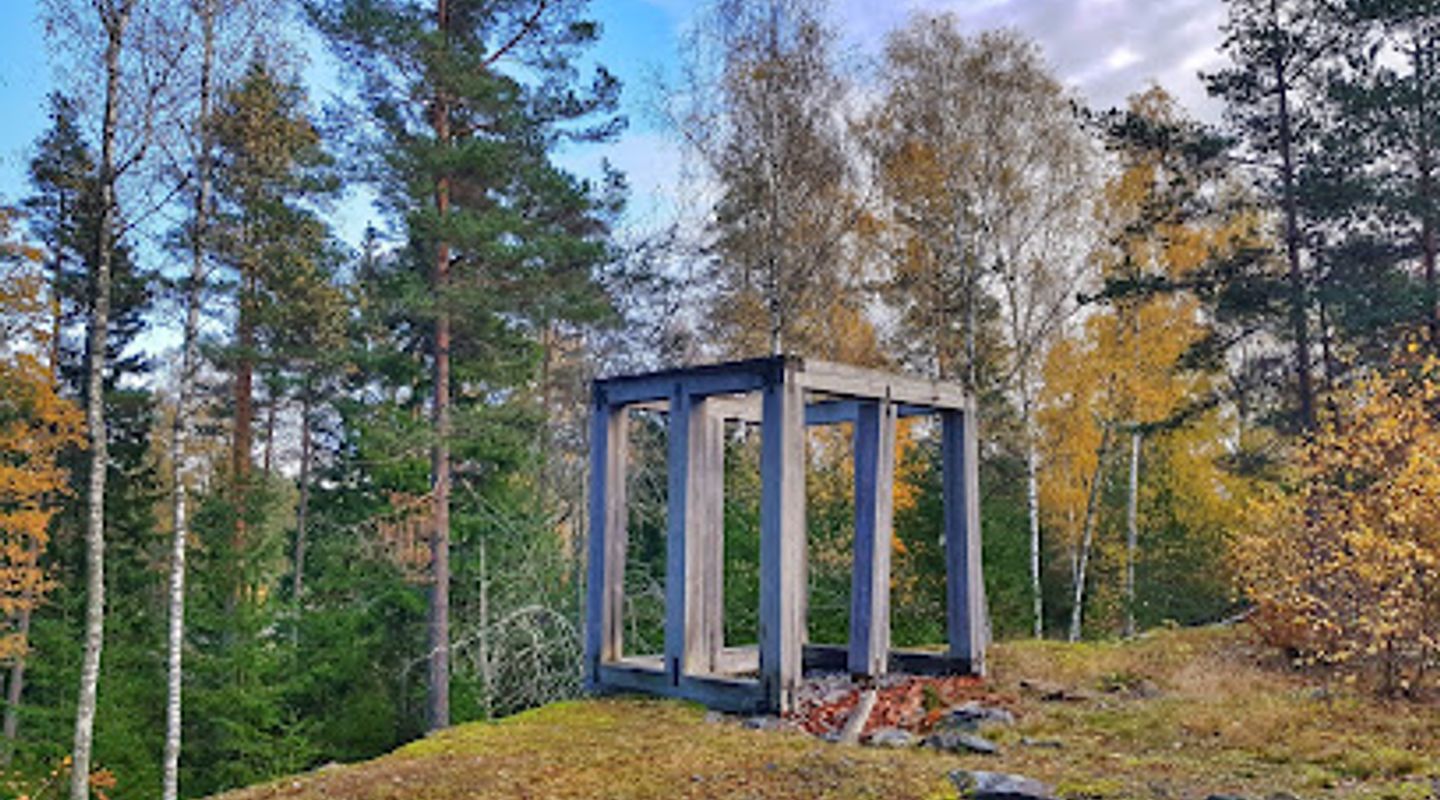
A brief summary of Skottvångs gruva
Plunge into Sweden's mining past at Skottvångs Gruva, where 300m-deep shafts, restored tunnels, and glowing kolmilor reveal the iron heart of Åkers bergslag.
Skottvångs Gruva, nestled in the wooded hills of Åkers bergslag near Mariefred, Sweden, is a historic iron ore mine dating back to the 1500s. Once fueling cannon production at nearby Åkers Styckebruk, the site features water-filled shafts like the vertigo-inducing Porthålsgruvan, nearly 300 meters deep—once Sweden's deepest. Restored tunnels, a mining museum in the old smithy, and annual charcoal kiln lightings preserve its industrial legacy. Explore rugged trails amid remnants of a bygone era, where echoes of vallon workers and charcoal burners linger in the forest air.
On-site amenities
 Restrooms
 Drink options
 Food options
 Seating areas
 Trash bins
 Information boards
Opening hours
- MonClosed
- TueClosed
- WedClosed
- ThuClosed
- Fri5 pm–10 pm
- Sat12 pm–11 pm
- Sun12 pm–4 pm
Opening hours as listed on the venue’s Google Business Profile. Hours can change for services and special events, so check with the venue before you go.
- Address
- Unnamed Road, SKOTTVÅNGS GRUVA 1, 647 92 Mariefred
- Phone
- Website
Getting there
Bus
Car
Bicycle
Taxi
Discover more about Skottvångs gruva
Ancient Depths of Porthålsgruvan
Stand at the edge of Porthålsgruvan, the site's oldest and deepest shaft, plunging nearly 300 meters into the earth. Once Sweden's deepest mine, it bears scars from early extraction techniques like fire-setting, where massive bonfires cracked the rock before picks loosened the iron ore. Water now fills most openings, creating eerie, mirror-like pools that reflect the overhanging trees and sky, a silent testament to centuries of toil beneath the surface.
From 16th-Century Origins to Cannon Forges
Mining here likely predates written records, with documented activity from the 1500s supplying ore to Åkers Styckebruk, famed for casting cannons with rifled barrels for superior range and precision. Swedish kings like Karl IX spurred development, enlisting Walloon experts Willem de Besche and Louis de Geer, who held monopolies on cannon production. Tens of thousands of tons of ore were extracted until closure in 1921, powering Sweden's military might and later everyday iron goods like plows and stoves.
Restored Relics and Gruvsamhällets Tales
A meticulously restored adit tunnel invites exploration into the cool, damp underworld where miners once labored. Nearby, the old smithy houses a museum chronicling the gruvsamhälle—the mining community's daily grind, from ore roasting to charcoal-fueled smelting. Artifacts and displays evoke the harsh rhythm of shifts, the clang of hammers, and the vital role of local torpare farmers who tended kolmilor—charcoal kilns—each autumn to fuel the forges.
Charcoal Traditions and Forest Echoes
The annual kolmila lighting revives ancient practices, where volunteers stack birch and pine into towering pyramids, ignite them, and tend the slow burn for days. This ritual honors the charcoal burners' solitary vigils, their songs mingling with crackling flames under starry skies. Scattered kolbottnar—kiln remnants—and kojor—huts—dot the surrounding woods, inviting hikes through mossy paths where the scent of earth and pine evokes the pre-industrial heartbeat of Åkers bergslag.
Bruksmiljö Legacy Nearby
A short distance away lies Åkers Styckebruk's preserved 18th- and 19th-century buildings: herrgård manor, disponentvilla, stables, and a dairy atop the 1795 blast furnace now sheltering archives. The bruksmuseum in the old granary showcases the transition from wartime cannons to household wares, weaving Skottvångs into the broader tapestry of Sweden's iron age. Today, the area stands as a serene counterpoint to its industrious past, blending ruin and restoration in harmonious decay.
Evendo Review Centre
 Google
Guest reviews
Best time to go
Quietest: Jan, Feb & Dec · before 9am
Busy times are Evendo estimates for a typical year, to help you plan. Actual crowds vary with events, school holidays and the weather.
Explore Skottvångs gruva on the map
A handpicked selection of must-see spots near Skottvångs gruva, mapped for you.
Get your free copy of our complete guide to Skottvångs gruva, delivered straight to you.
Everything on this page, from opening hours and how to get there to Eve’s tips and the best time to go, in one PDF you can read offline, print or share.
Already have an account? Sign in
Your Skottvångs gruva guide is ready.
We'll send it to · Not you? Sign out

Getting your guide ready…
We are putting together a fresh copy of the Skottvångs gruva guide. This can take up to a minute.
This can take a few moments. If your browser asks, choose Allow so the download can start. You'll find the guide in your Downloads folder.
Nothing happened? Download it again
Sorry, the guide is taking longer than usual. Please try again in a minute, or get it by email instead.
Other nearby places you may find interesting
The closest places of the same kind, if this one is not quite what you had in mind.
-
-
-
-
-


Swipe for more places
More to explore near Skottvångs gruva

 Best experiences near Skottvångs gruva
 Best hotels near Skottvångs gruva
 Best landmarks near Skottvångs gruva
 Best attractions near Skottvångs gruva
 Best shops near Skottvångs gruva
 Best restaurants near Skottvångs gruva
 Best bars near Skottvångs gruva
Do you manage this location?
Take control to get all the benefits, like improved information, better appearance, and stronger visibility across AI-powered discovery.
Explore more
Explore more of Norrland
Experience the Magic of Norrland: Northern Lights, Midnight Sun, and Rich Cultural Heritage in Sweden's Northernmost Wonderland.
Explore Norrland
Explore more of Sweden
Discover Sweden's breathtaking landscapes, vibrant cities, and rich cultural heritage. From the Northern Lights to historic castles, experience the essence of Scandinavia.
Explore Sweden