
Rubber duck, Orebro Travel Guide
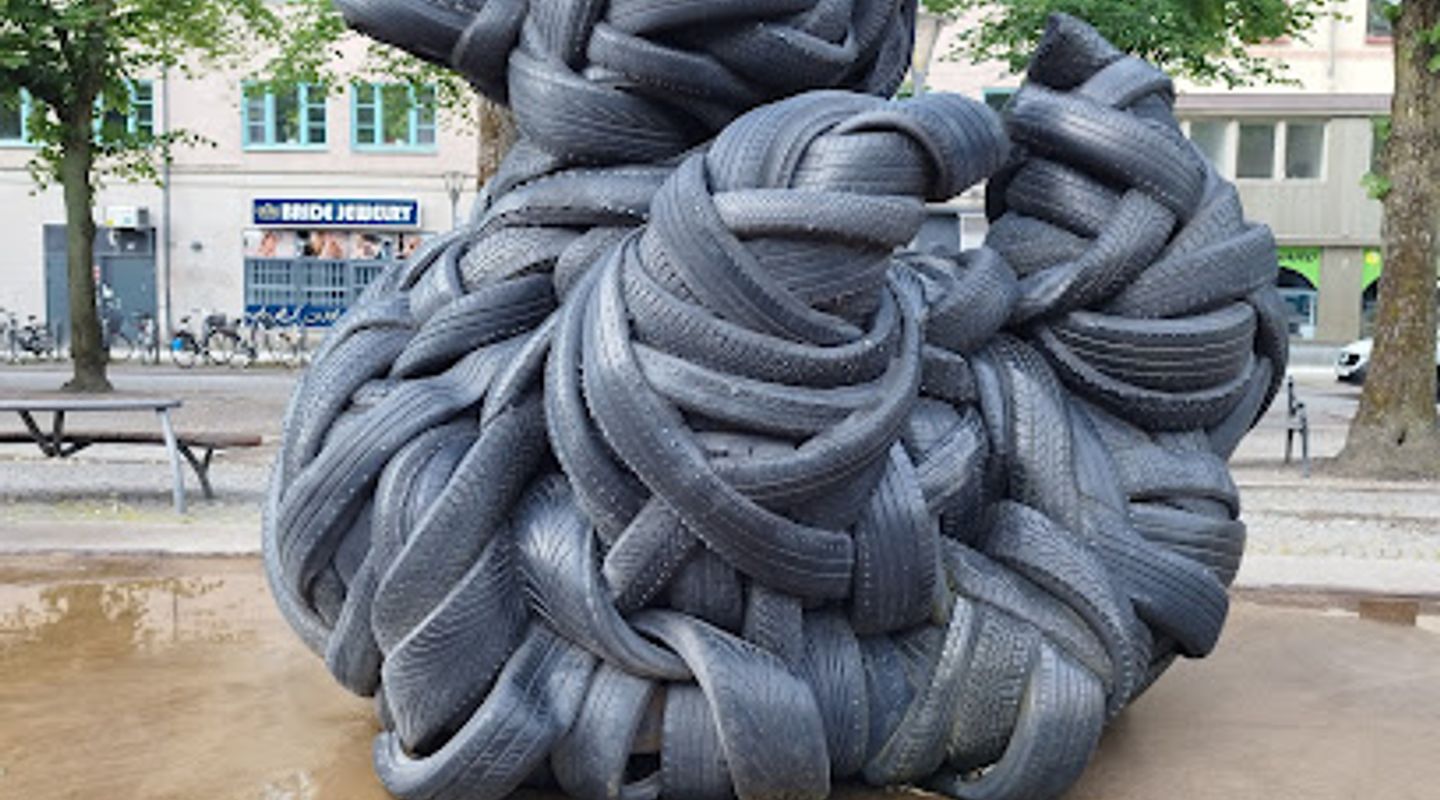
A large, recycled-tyre duck sculpture — playful, tactile and sustainably minded, perched amid Örebro’s central streets and park edges.
A whimsically oversized duck sculpture crafted from recycled car tyres, the Rubber Duck stands at Järntorgsgatan near Örebro’s central green spaces. Part of the city’s public-art fabric, the bright, chunky form draws quick smiles and photographs and rewards a few minutes’ exploration for families and curious walkers alike. Its recycled-material construction and playful scale make it an accessible, eco-minded urban landmark.
A brief summary to Rubber duck
- Järntorgsgatan 10, Örebro, 703 61, SE
- Duration: 0.25 to 1 hours
- Free
-
 Outdoor
- Mobile reception: 4 out of 5

Know before you go
Hi, I'm Eve. Here are a few practical things to know before exploring Rubber duck.
- Bring a camera for low-angle shots that emphasise the sculpture’s oversized proportions; early morning light is soft and avoids crowds.
- The surface is tactile — families often let children gently explore textures, but supervise climbing to avoid slips.
- Combine a visit with a stroll through nearby green spaces to see the duck framed against foliage and city architecture.
Do you manage this location?
Take control to get all the benefits, like improved information, better appearance, and stronger visibility across AI-powered discovery. Learn more about listing your business on Evendo
Activate your presenceOther nearby places you may find interesting
The closest places of the same kind, if this one is not quite what you had in mind.
Explore Rubber duck on the Map
A handpicked selection of must-see spots near Rubber duck, mapped for you.
Getting There
-
Tram or Bus
Local tram or bus from Örebro central stops take approximately 5–12 minutes of vehicle time plus a short walk; services run frequently during daytime but may reduce in evenings and Sundays. Expect a single-ride fare in Swedish krona for local transit; card and contactless payment are commonly accepted, with typical adult fares in the low double digits SEK.
-
On foot (from central Örebro)
Walking from central Örebro typically takes 10–20 minutes depending on pace; terrain is flat and suitable for most pedestrians and families. Paths are paved and mostly level but watch for wet surfaces after rain; allow extra time if moving with strollers or limited mobility.
-
Taxi or Rideshare
A taxi or app-based ride from central points in Örebro takes roughly 5–10 minutes depending on traffic; fares vary by operator but expect a base fare plus per-kilometre charges, commonly resulting in a modest trip cost in Swedish krona. Accessibility and availability are high in daytime; evening wait times can be slightly longer.
For the on-the-go comforts that matter to you
-
 Seating Areas
-
 Information Boards
-
 Trash Bins
Discover more about Rubber duck
Origin and maker
The Rubber Duck in Örebro is a large outdoor sculpture by Estonian artist Villu Jaanisoo, known for transforming discarded rubber into animal forms. Constructed from recycled car tyres, the piece translates the familiar bath-toy silhouette into a chunky, tactile object that subverts expectation through scale and material. The choice of tyres gives the duck a textured, matte-black appearance where close inspection reveals layered treads and recycled surfaces.Materials, scale and craft
Built from used automotive tyres, the sculpture emphasises reuse and hands-on craft: each tyre is cut, stacked and manipulated to achieve smooth curves and the bulbous body of a duck. The work’s physical presence is robust rather than delicate — broad, rounded volumes and visible seams speak to industrial labour and sculptural improvisation. Dimensions are noticeably larger than life, making the object readable from across a square or green.Setting and immediate atmosphere
Sited on Järntorgsgatan, the duck sits within Örebro’s urban fabric close to parks and pedestrian routes, where its uncomplicated silhouette reads easily against foliage and traditional city façades. In daylight the sculpture takes on a sculptural gravitas; in overcast northern light its coloured details (if present) and rubber textures are more subdued, inviting touch. The work encourages slow, close viewing: children are drawn to climb and circle it, while adults tend to photograph the juxtaposition of playful motif and reclaimed material.Public-art context and interpretation
The Rubber Duck functions as approachable public art: on one level it is a literal, humorous enlargement of a familiar object; on another it is a statement about waste, reuse and the possibilities of giving discarded materials renewed civic life. Seeing tyre tread in place of smooth plastic prompts a small cognitive shift — the duck becomes less toy and more testament to material transformation. As a piece of city sculpture it occupies the middle ground between street-level amusement and environmental commentary.Visitor experience and best moments
Interacting with the duck requires no special preparations: a brief stop yields most of the experience. Photographic opportunities are immediate — low-angle views emphasise scale, while overhead shots frame the sculpture within its urban setting. Because the work is tactile, many visitors naturally pause to run a hand over the ridged rubber surface; the feeling is unexpectedly warm and slightly springy compared with cold metal monuments.Practical characters and longevity
Made from durable automotive rubber, the sculpture is built to withstand northern climates and light public interaction. Over time the tyres patinate — small scuffs and sun-darkened surfaces add to its rough-hewn charm. As a municipally sited piece of art it contributes a playful, low-maintenance accent to Örebro’s streetscape and serves as a compact, memorable waypoint for short city explorations.












Your all‑in‑one travel companion app
Explore expert travel guides, compare and book tours, experiences, hotels, and more—all from the palm of your hand. Download now for seamless trip planning wherever your wanderlust takes you.


Explore More of Orebro
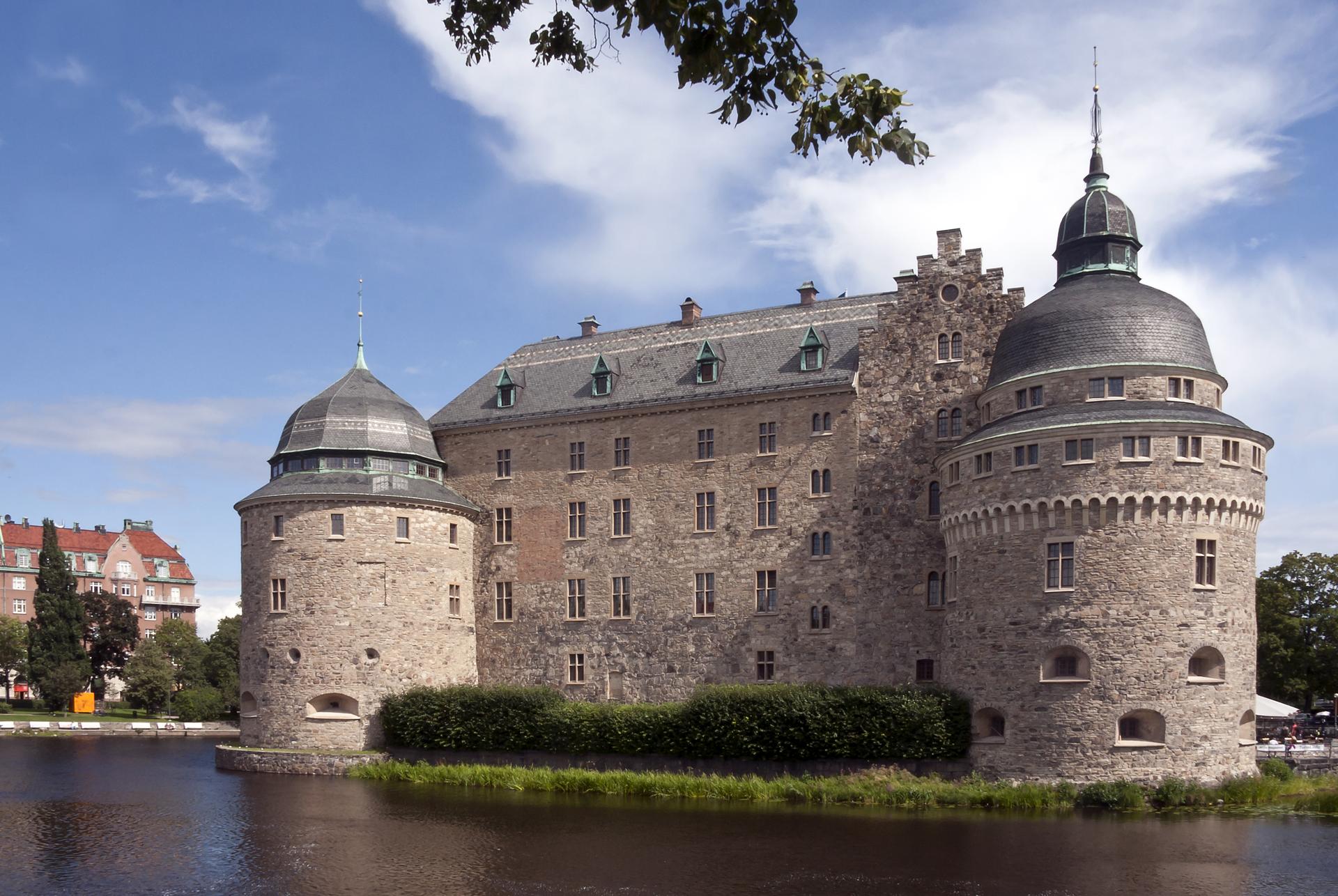
Looking beyond Rubber duck? Discover Orebro for broader travel guides, local hot-spots, and regional highlights.
Explore Orebro
Intimate microbrewery and tasting pub in Örebro where small-batch, unfiltered ales and a friendly tasting room meet handcrafted brewing.
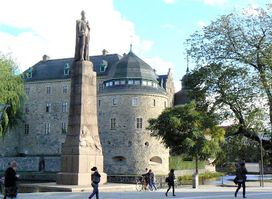
Trace 200 years of Örebro's story along a 15-meter bronze timeline before Karl XIV Johan's statue on lively Järntorget.
