

Wadköping, Örebro Travel Guide
Free Guide: A compact open‑air museum of timber houses and craft workshops that reassembles Örebro’s older streets and everyday life.


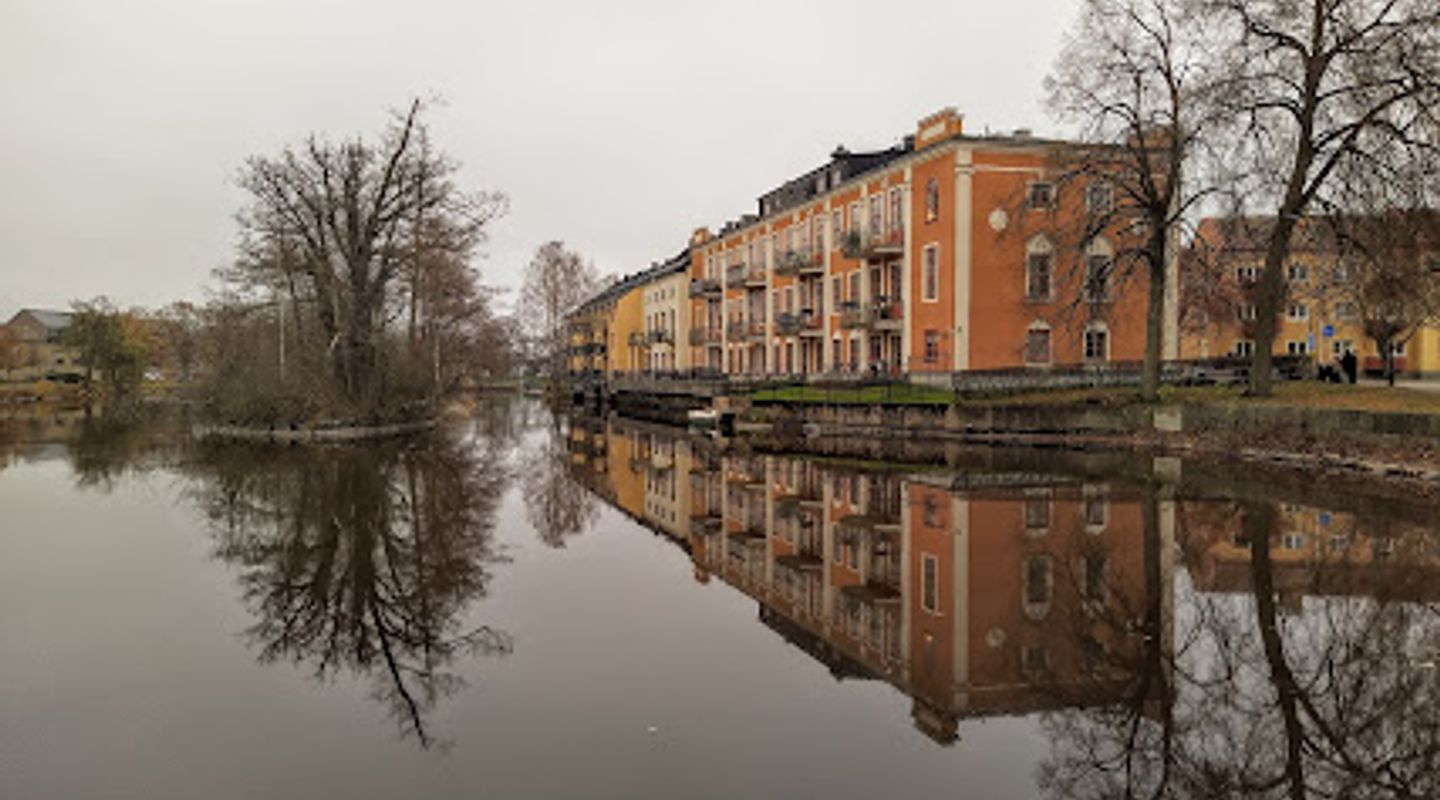
A brief summary of Wadköping
A compact open‑air museum of timber houses and craft workshops that reassembles Örebro’s older streets and everyday life.
Wadköping is a living open‑air museum in central Örebro made up of relocated wooden houses and courtyards spanning the 15th–19th centuries, arranged as a small historic town. Named after Hjalmar Bergman’s fictional Wadköping, the site houses period exhibitions, craft workshops, a café and seasonal events beneath the canopy of Stadsparken and along the Svartån canal, offering a compact, atmospheric glimpse of older urban life.
On-site amenities
 Restrooms
 Drink options
 Food options
 Seating areas
 Information boards
Opening hours
- Every day11 am–4 pm
Opening hours as listed on the venue’s Google Business Profile. Hours can change for services and special events, so check with the venue before you go.
- Address
- BERTIL WALDÉNS GATA 1, 702 15 Örebro
- Phone
- Website
Getting there
Bus from Örebro central
Tram / light rail and short walk
Taxi or rideshare
Discover more about Wadköping
How Wadköping was assembled and why it matters
Wadköping is a deliberately reconstructed pocket of historic streets: whole timber houses and courtyard buildings from different eras were dismantled, moved and reassembled here to preserve Örebro’s older built fabric. The project, inspired by mid‑20th‑century conservation thinking, gathered structures dating from roughly the 1400s through the early 1800s and re‑situated them in what became a cultural reserve inaugurated in 1965. The result reads like a small town stitched together from many lives — workshops, dwellings and civic façades that show how urban housing and trades once sat cheek by jowl.
Architectural layers and individual buildings to notice
The oldest timber fragments include a simple medieval cottage and several 17th‑ and 18th‑century houses with period details: steep roofs, small-paned windows and painted timber boards. Notable buildings — described in local records and exhibition material — include the old carpenter and shoemaker houses, a merchant’s courtyard and the small cottage famously associated with the 18th‑century cookbook author who appears in regional histories. Each building preserves construction techniques and room layouts that illustrate changing domestic life across centuries.
Daily life, workshops and museum displays
Wadköping is more than static façades: many houses are used as exhibition spaces, craft workshops and small shops where traditional skills are demonstrated and local artisans sell work. Interiors are often fitted with period furniture or reconstructed trades — a schoolroom from the early 20th century, a smithy, and rooms showing domestic routines. A café and seasonal market stalls animate the lanes in warmer months, while indoor displays provide year‑round context about the city’s social and economic history.
Setting, atmosphere and neighbouring green spaces
The quarter sits next to Stadsparken and the Svartån canal, which softens the experience with riverside trees and lawned spaces. Narrow lanes, timber porches and sheltered courtyards create intimate, shaded micro‑spaces where sound echoes differently than in the surrounding modern city. On quiet days you can hear water, footsteps on wooden boards and birdsong; when events run, the area becomes a lively pocket theatre for markets, puppet shows and concerts.
Cultural links and literary resonance
The name Wadköping links the physical site to Hjalmar Bergman’s fictional town — a literary resonance that shaped how the quarter is interpreted and presented. Exhibitions and occasional programming reference this cultural thread, using stories and period detail to frame the built environment as both real civic fabric and a stage for remembered lives. That double layer — physical preservation plus storytelling — is central to the site’s identity.
Visitor experience and seasonal character
Visiting Wadköping is a compact, sensory encounter: timber smells, low door lintels, creaking floors and the sight of period signage and craftspeople at work. The quarter changes with the seasons — crisp, quiet winters that emphasize structure and silhouette; bright spring and summer afternoons when cafés and markets spill into the lanes; and autumn colours in the park that add warmth to the ochre and painted façades. Whether you linger over an exhibition, browse craft stalls or simply sit in a courtyard, the site offers layered glimpses of past urban life housed within a small, well‑kept reserve.
Evendo Review Centre
 Google
Guest reviews
Best time to go
Quietest: Jan, Feb & Dec · before 7am
Busy times are Evendo estimates for a typical year, to help you plan. Actual crowds vary with events, school holidays and the weather.
Explore Wadköping on the map
A handpicked selection of must-see spots near Wadköping, mapped for you.
Get your free copy of our complete guide to Wadköping, delivered straight to you.
Everything on this page, from opening hours and how to get there to Eve’s tips and the best time to go, in one PDF you can read offline, print or share.
Already have an account? Sign in
Your Wadköping guide is ready.
We'll send it to · Not you? Sign out

Getting your guide ready…
We are putting together a fresh copy of the Wadköping guide. This can take up to a minute.
This can take a few moments. If your browser asks, choose Allow so the download can start. You'll find the guide in your Downloads folder.
Nothing happened? Download it again
Sorry, the guide is taking longer than usual. Please try again in a minute, or get it by email instead.
Other nearby places you may find interesting
The closest places of the same kind, if this one is not quite what you had in mind.
-
-
-
-
-


Swipe for more places
More to explore near Wadköping

 Best experiences near Wadköping
 Best hotels near Wadköping
 Best landmarks near Wadköping
 Best attractions near Wadköping
 Best shops near Wadköping
 Best restaurants near Wadköping
 Best bars near Wadköping
Do you manage this location?
Take control to get all the benefits, like improved information, better appearance, and stronger visibility across AI-powered discovery.
Explore more

Explore more of Örebro
Örebro, a captivating blend of historical charm and modern attractions, offers visitors a unique experience with its iconic castle, lush parks, and vibrant cultural scene.
Explore Örebro
Explore more of Sweden
Discover Sweden's breathtaking landscapes, vibrant cities, and rich cultural heritage. From the Northern Lights to historic castles, experience the essence of Scandinavia.
Explore Sweden
