Forsviks Bruk Travel Guide
Free Guide: A living six‑century industrial landscape of foundry halls, a smithy, works railway and canal quays beside Lake Viken.


A brief summary of Forsviks Bruk
A living six‑century industrial landscape of foundry halls, a smithy, works railway and canal quays beside Lake Viken.
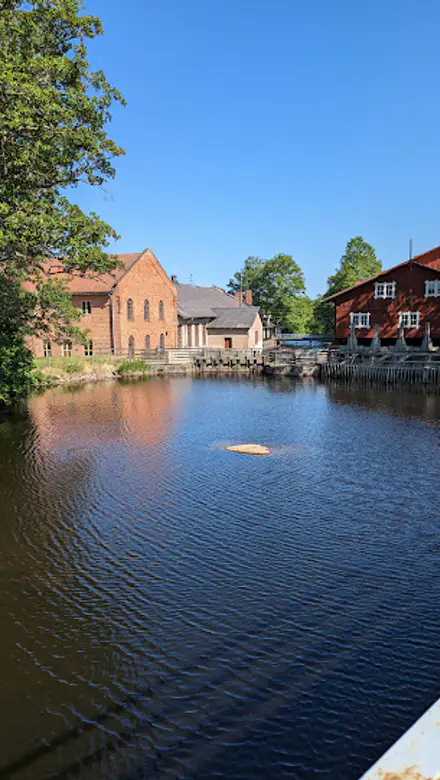
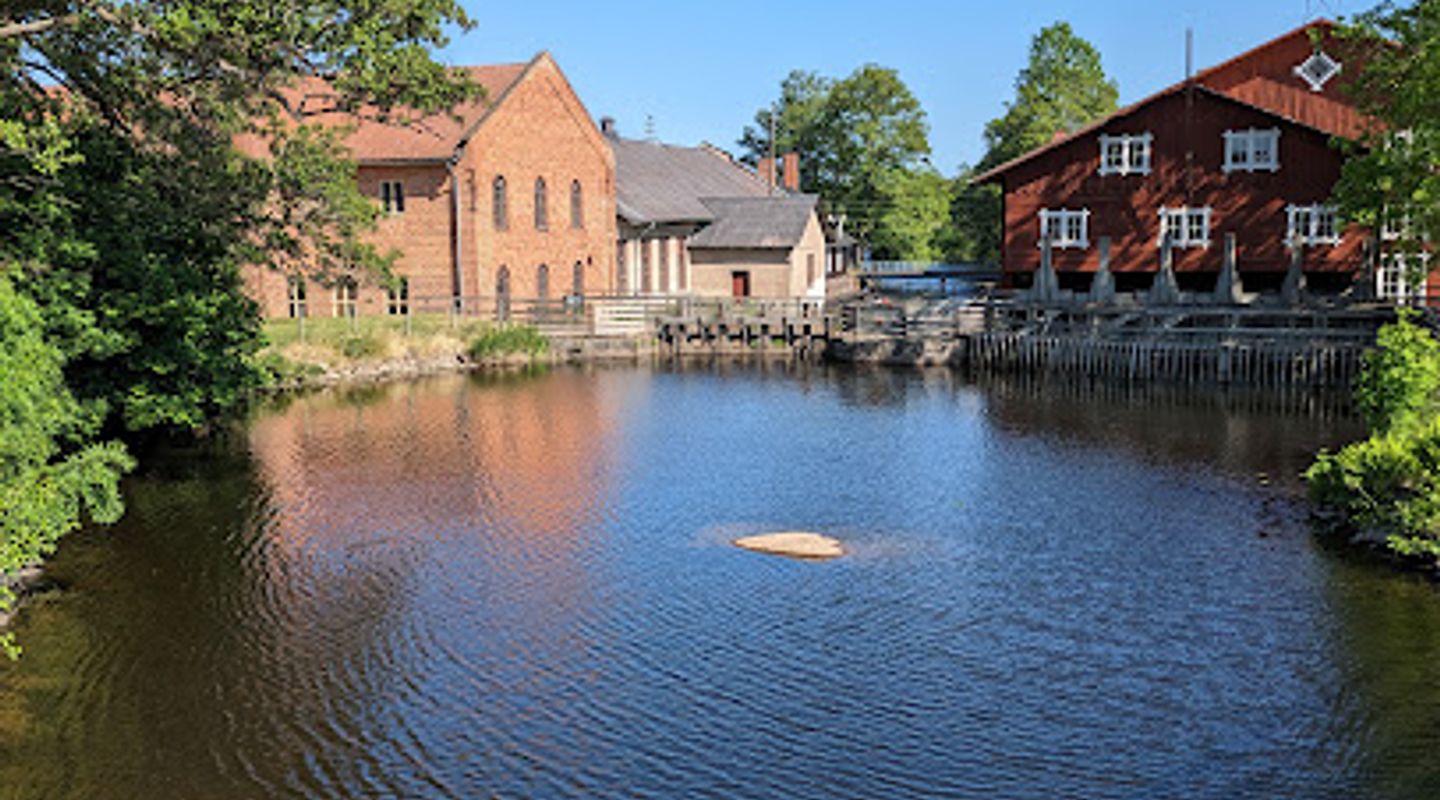
Forsviks Bruk is one of Sweden’s oldest industrial sites — a living industrial museum set where Lake Viken flows into Bottensjön and the Göta Canal threads past. The compact complex preserves workshops, a foundry, a smithy, a historic miller’s house (home to Kafé Ada) and a restored works railway; exhibits trace six centuries of metalworking, shipbuilding and paper production amid lawns, quays and woodland paths. It’s atmospheric, accessible and rich in sensory detail for curious explorers.
On-site amenities
 Restrooms
 Drink options
 Food options
 Seating areas
 Information boards
Opening hours
- Every day10 am–5 pm
Opening hours as listed on the venue’s Google Business Profile. Hours can change for services and special events, so check with the venue before you go.
- Address
- Bruksvägen 2, 546 73 Forsvik
- Phone
- Website
Getting there
Regional bus
Car
Boat / Göta Canal
Discover more about Forsviks Bruk
A place shaped by water and iron
Forsviks Bruk grew where running water could drive mills and hammers and where the narrow channel between two lakes offered a transport lifeline. The site’s origins are medieval; documentary traces and surviving buildings tell of a continuous thread of industry — saw, mill, smithy and later ironworks and foundry — that evolved for roughly 600 years. The landscape is integral: sluices, millraces and quays remain part of the site’s structure and still give a sense of machinery harnessed to the movement of water.
Buildings that keep their voices
The cluster of workshops and industrial buildings reads like an open technical archive. Weathered brick and timber houses, the old foundry hall and the miller’s house each preserve layers of use: forge marks on beams, soot-darkened rafters, equipment platforms and the storage racks of wooden patterns from the casting trade. Interiors range from the intimate — a small smithy still smelling faintly of coal and oil — to the cavernous, echoing volumes of the foundry now used for exhibitions and events.
Craft, machines and the works railway
Working demonstrations and carefully conserved machinery explain production processes: forging, pattern-making, casting and the mechanics of the mill. A narrow-gauge works railway, rebuilt from its 19th-century route, speaks to the logistical realities of the industrial era here — moving castings and timber to the canal for onward transport. Models, machines and preserved tools help convey the scale of labour and the ingenuity that sustained the works across centuries.
Maritime echoes and the Eric Nordevall link
Forsviks connection to shipbuilding survives in stories and artefacts; the replica paddle steamer built in the area is a visible reminder of local boatbuilding skills and the role of the canal and lakes in regional trade. Quays and slips at the water’s edge, and views across Viken, keep that maritime dimension present: the site is where inland industry met the waterborne routes out to larger ports.
A social landscape — houses, cafes and community memory
The industrial complex is threaded with the traces of daily life: rows of worker housing, the superintendent’s offices, the miller’s house now hosting Kafé Ada, and small garden plots. These human-scale elements make the site feel like a community rather than just a collection of machines; benches, lawns and sheltered nooks invite lingering, while information panels and small displays place working practices in human terms.
Seasonal character and visitor experience
Forsviks Bruk changes with the seasons. In high summer the lawns and canal quays are bright and alive with the scent of nearby water and wood smoke from demonstration fires; in shoulder seasons the site feels quieter and more reflective, the textures of brick and timber sharper in low light. The foundry and indoor displays still offer sheltered interest on cooler or wet days, while outdoor paths and the restored railway provide opportunities for short explorations across the estate.
Evendo Review Centre
 Google
Guest reviews
Best time to go
Quietest: Jan, Feb & Dec · before 8am or from 8pm
Busy times are Evendo estimates for a typical year, to help you plan. Actual crowds vary with events, school holidays and the weather.
Explore Forsviks Bruk on the map
A handpicked selection of must-see spots near Forsviks Bruk, mapped for you.
Get your free copy of our complete guide to Forsviks Bruk, delivered straight to you.
Everything on this page, from opening hours and how to get there to Eve’s tips and the best time to go, in one PDF you can read offline, print or share.
Already have an account? Sign in
Your Forsviks Bruk guide is ready.
We'll send it to · Not you? Sign out

Getting your guide ready…
We are putting together a fresh copy of the Forsviks Bruk guide. This can take up to a minute.
This can take a few moments. If your browser asks, choose Allow so the download can start. You'll find the guide in your Downloads folder.
Nothing happened? Download it again
Sorry, the guide is taking longer than usual. Please try again in a minute, or get it by email instead.
Other nearby places you may find interesting
The closest places of the same kind, if this one is not quite what you had in mind.
-
-
-
-
-


Swipe for more places
More to explore near Forsviks Bruk

 Best experiences near Forsviks Bruk
 Best hotels near Forsviks Bruk
 Best landmarks near Forsviks Bruk
 Best attractions near Forsviks Bruk
 Best shops near Forsviks Bruk
 Best restaurants near Forsviks Bruk
 Best bars near Forsviks Bruk
Do you manage this location?
Take control to get all the benefits, like improved information, better appearance, and stronger visibility across AI-powered discovery.
Explore more

Explore more of Östergötland
Discover Östergötland: A perfect blend of history, nature, and culture in southern Sweden, offering charming towns, lush landscapes, and a rich cultural heritage.
Explore Östergötland
Explore more of Sweden
Discover Sweden's breathtaking landscapes, vibrant cities, and rich cultural heritage. From the Northern Lights to historic castles, experience the essence of Scandinavia.
Explore Sweden