

Motala Motor Museum, Ostergotland Travel Guide
A handsomely packed collection of classic cars, bikes and vintage tech — Motala’s hub for motoring and everyday-technology history.
Housed on Platensgatan in Motala, Motala Motor Museum is a large, characterful collection of automobiles, motorcycles and related artifacts that traces Swedish motoring and everyday technology across the 20th century. Expect restored classic cars, racing machines, a quirky assortment of radios and early mobile phones, interactive displays and a café — a compact cultural window into transport and communications history.
A brief summary to Motala Motor Museum
- Platensgatan 2, Motala, 591 35, SE
- Click to display
- Click to display
- Duration: 1 to 3 hours
- Mid ranged
-
 Indoor
- Mobile reception: 4 out of 5
- Monday 8 am-8 pm
- Tuesday 8 am-8 pm
- Wednesday 8 am-8 pm
- Thursday 8 am-8 pm
- Friday 8 am-8 pm
- Saturday 8 am-8 pm
- Sunday 10 am-4 pm

Know before you go
Hi, I'm Eve. Here are a few practical things to know before exploring Motala Motor Museum.
- Allow 1.5–2.5 hours to see the core exhibition and specialty displays; add time for temporary exhibitions or demonstrations.
- Check the museum’s seasonal opening times before you plan; weekends and summer months typically feature extended hours and special programming.
- Bring a camera for detail shots of dashboards, badges and vintage technology; low light in some display areas can favour lenses with wider apertures.
- Use the café for a break — it’s a practical spot to sit between galleries and soak up the collection’s atmosphere.
Do you manage this location?
Take control to get all the benefits, like improved information, better appearance, and stronger visibility across AI-powered discovery. Learn more about listing your business on Evendo
Activate your presenceOther nearby places you may find interesting
The closest places of the same kind, if this one is not quite what you had in mind.


Explore Motala Motor Museum on the Map
A handpicked selection of must-see spots near Motala Motor Museum, mapped for you.
Getting There
-
Regional bus
Regional bus service from Motala central interchange — typical journey 6–12 minutes depending on route and stops; services run every 20–60 minutes during the day with reduced frequency evenings and Sundays; single-ride fares normally priced in SEK, approximately 25–55 SEK per person depending on ticket type and concessions, purchase via ticket machines or regional transport app.
-
Car
Driving from within Motala or nearby towns — typical travel time 5–20 minutes depending on origin and traffic; on-site or nearby street parking is available but spaces can be limited during events; expect paid parking or municipal parking rules in the harbour area with standard Swedish parking rates.
-
Train + walk
Regional train to Motala station followed by a 12–20 minute walk over mostly level pavement; trains run several times daily on regional lines with varying frequency by season; ticket prices vary by distance, typically in the mid-range of regional fares and purchasable via national rail ticket outlets.
For the on-the-go comforts that matter to you
-
 Restrooms
-
 Drink Options
-
 Food Options
-
 Seating Areas
-
 Information Boards
Discover more about Motala Motor Museum
A concentrated treasury of vehicles and curios
Motala Motor Museum presents hundreds of exhibits under one roof, from early horseless-carriage era automobiles to race-prepared machines and motorcycles. Vehicles are displayed alongside related objects — engines, workshop tools, automobilia and period ephemera — so each car sits within a wider social and technical context. The layout encourages slow exploration: lines of gleaming metal, grouped by theme, arranged to reveal engineering detail and design changes across decades.Unusual secondary collections that expand the story
Beyond cars and bikes the museum hosts surprising collections of domestic and communication technology: radios, televisions, record players and an extensive wall of mobile phones that chronicle how everyday gadgets evolved. These allied displays turn a visit into more than a car show; they map the parallel evolution of transport and household technology, and highlight how design, materials and user habits shifted through the 20th century.Character, curation and exhibition style
The museum balances preservation with theatrical presentation. Many vehicles are restored to running condition and placed in evocative scenes or alongside workshop reconstructions, which helps explain construction and maintenance practices. Exhibit signage mixes technical facts with human-scale anecdotes about builders, drivers and owners; lighting and circulation focus attention on iconic silhouettes and details — dashboards, badges and engine bays — while larger hall spaces let taller exhibits breathe.Sensory notes and atmosphere
Inside, the air carries the cool, slightly oily scent of preserved metal and old leather; polished chrome flashes under warm spotlights. Footsteps on the concrete or terrazzo floor echo between aisles; the hum of a restored engine during a demonstration becomes an immediate, tactile reminder of motion. The museum’s café and seating pockets provide quieter spots to absorb displays and watch visitors pore over index cards and photographs.Curiosity-driven experiences for different interests
Collectors, design-minded visitors and families each find points of interest: race fans will linger on performance cars and records of speed attempts; design students can study period styling cues; families can enjoy the variety and novelty of objects arranged like a cabinet of technological curiosities. Rotating themed exhibitions and special features keep the narrative evolving, so repeat visits continue to reveal fresh corners of the collection.Heritage, community and local significance
The museum functions as a regional repository for automotive heritage and local industrial memory. Many objects originate from private donations, restorations by local craftsmen and community initiatives, so the collection also tells a story about Motala’s relationship with mechanical trades, transport and leisure culture. The museum’s position near the harbour area gives it a civic presence: it’s a focal point for events, themed weeks and activities that connect history, hobby and contemporary curiosity.












Your all‑in‑one travel companion app
Explore expert travel guides, compare and book tours, experiences, hotels, and more—all from the palm of your hand. Download now for seamless trip planning wherever your wanderlust takes you.


Explore More of Ostergotland
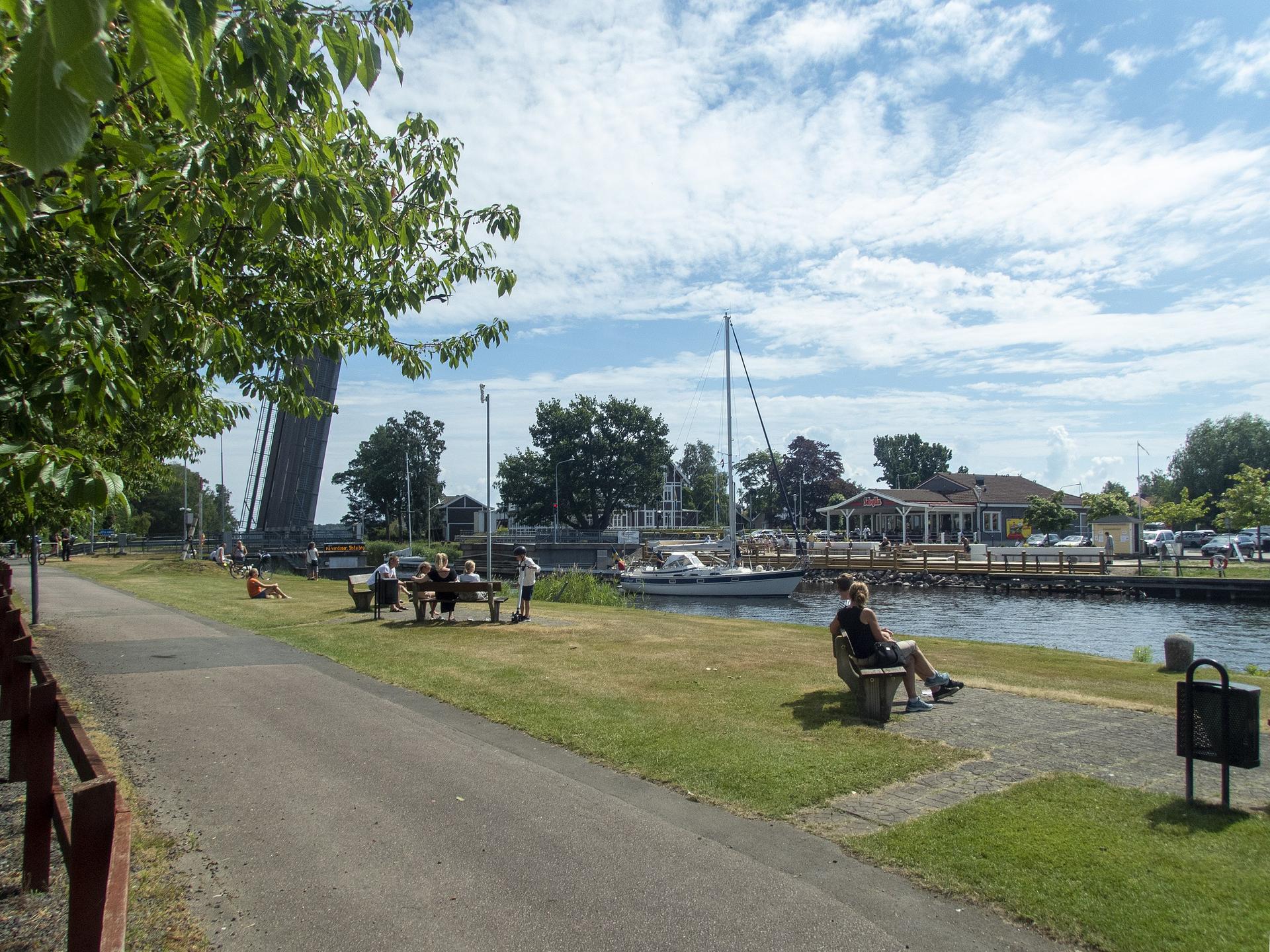
Looking beyond Motala Motor Museum? Discover Ostergotland for broader travel guides, local hot-spots, and regional highlights.
Explore Ostergotland
A hands‑on, locally focused museum of Östergötland’s steam and narrow‑gauge railway heritage, rich in locomotives, workshops and technical archives.

Discover Sweden's radio dawn amid historic towers and vintage transmitters at the free museum in Motala's iconic 1927 station.
