

Getå Naturreservat Travel Guide
Free Guide: A compact, geologically striking ravine of oak parkland and pine slopes where a shaded stream nurtures uncommon plants and sensitive fish species.


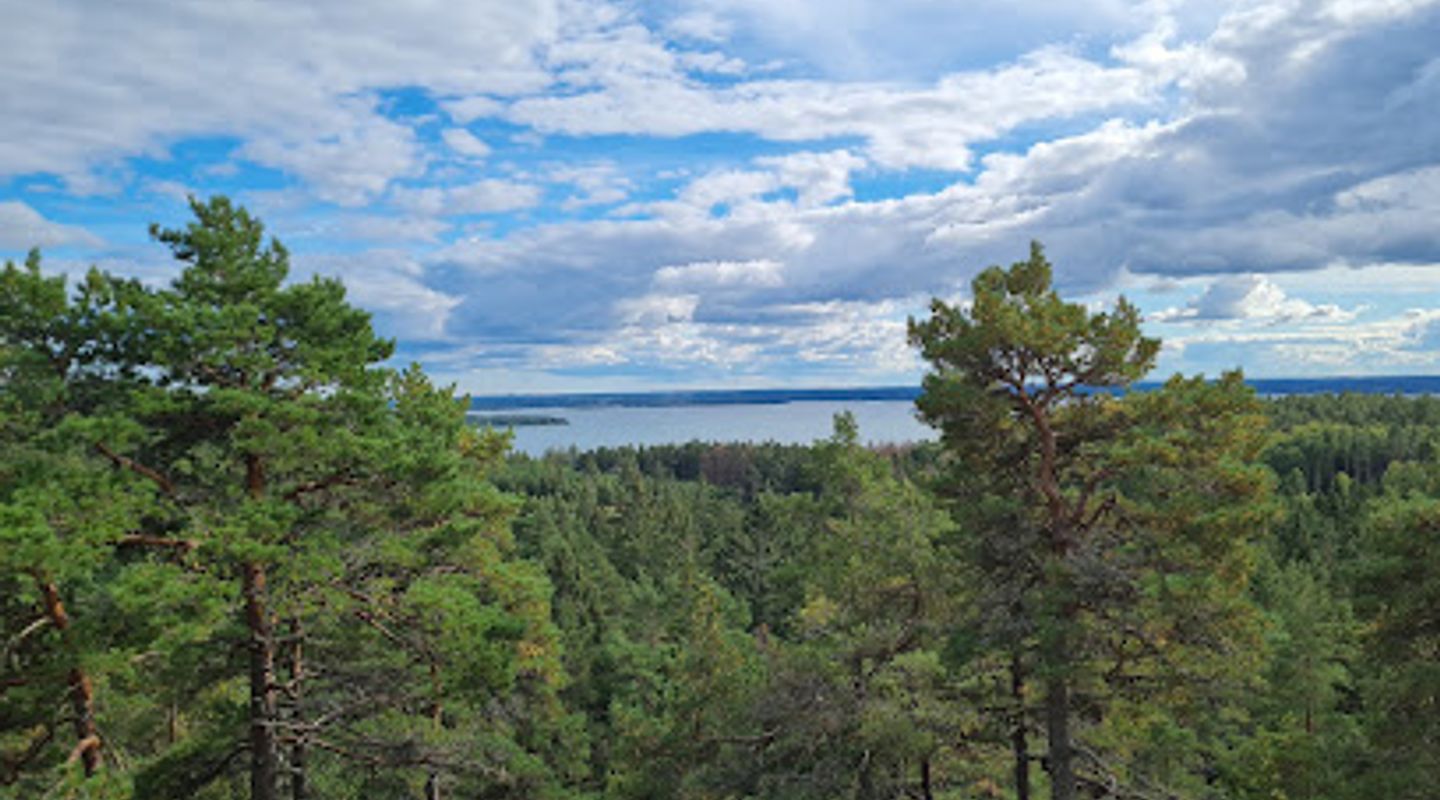
A brief summary of Getå Naturreservat
A compact, geologically striking ravine of oak parkland and pine slopes where a shaded stream nurtures uncommon plants and sensitive fish species.
Getåravinens naturreservat is a compact but dramatic ravine reserve northeast of Norrköping where a deep geological fissure has created steep slopes, mixed old-growth forest and a shaded stream supporting sensitive plants and rare fish species. The site blends parkland oaks from a 19th‑century estate with wind‑scarred pines on higher ground; paths are rough and parts are currently difficult to access, so visits reward careful, calm exploration.
On-site amenities
 Seating areas
 Information boards
 Trash bins
Opening hours
- Every dayOpen 24 hours
Opening hours as listed on the venue’s Google Business Profile. Hours can change for services and special events, so check with the venue before you go.
- Address
- Getå Gunnarstorp 1, 616 90 Åby
- Phone
- Website
Getting there
By car
Regional bus + short walk
Cycling
Discover more about Getå Naturreservat
How the ravine was carved and why it matters
Getåravinen formed where a long fault and the gradual action of water and frost widened a fracture into a steep-sided ravine; the result is a concentrated cross-section of local geology and soils where limestone influence, humus pockets and exposed bedrock sit close together. That geology creates microclimates along the slopes, from dry, sunlit ridges to cool, humid gullies, and it is the reason the reserve supports a mix of woodland types and specialised plants.
Trees, parkland echoes and woodland character
At the southern edge are mature oaks and dense hazel clumps that once belonged to a 19th‑century park planted by the Nobel family; those trees give a park-like foreground to the wilder ravine below. Higher up, poorer soils favour old pines with a windswept silhouette and an understorey of heather and lichens. In the ravine itself, shade and humidity encourage ferny carpets and mosses alongside moisture-loving flowering plants.
Stream life and small-scale wildlife highlights
A narrow stream threads the ravine, its riffles and shadowed pools providing habitat for sensitive species. The brook has recorded fish such as sea trout and river lamprey in stretches where gravel beds and cool water persist, and the sheltered banks offer hunting places for colourful birds. The combination of aquatic habitat and steep, sheltered slopes creates pockets of biodiversity unusual in a landscape otherwise dominated by farmland and forest plantations.
What you’ll notice as you move through the reserve
Walking the available paths brings fast changes in light and scent: bright, sunlit ridges with dry needles and resinous pine perfume give way within a few minutes to damp, earthy hollows where moss and fern soften every sound. Fallen trunks, exposed roots and broken slopes are common; these features are part of the reserve’s dynamic character but also a reminder that some trails are unstable and best approached with caution.
Access, safety and the reserve’s present condition
The reserve covers a modest area with steep gradients; management notes that several routes have low accessibility because of fallen trees and erosion, and visitors move at their own risk where woodfall blocks tracks. The northern approach tends to be easier to reach and has better passability; other approaches cut through steeper terrain. The protected status (established in the 2010s) focuses on preserving fragile plant communities and geological features rather than on large-scale visitor infrastructure.
Seasonal character and quiet pleasures
Seasons dramatically alter the mood: spring brings delicate woodland flowers and bright new leaves, summer deepens the green with cool, shaded recesses, autumn turns the canopy to warm tones against the exposed rock, and winter exposes the ravine’s form with skeletal branches and clear outlines. For anyone who pauses — listens to stream flow, studies moss textures, or watches a flash of bird plumage — the reserve offers concentrated, elemental experiences of Swedish lowland nature.
Evendo Review Centre
 Google
Guest reviews
Best time to go
Quietest: Jan, Feb & Dec · before 6am or at 9pm
Busy times are Evendo estimates for a typical year, to help you plan. Actual crowds vary with events, school holidays and the weather.
Explore Getå Naturreservat on the map
A handpicked selection of must-see spots near Getå Naturreservat, mapped for you.
Get your free copy of our complete guide to Getå Naturreservat, delivered straight to you.
Everything on this page, from opening hours and how to get there to Eve’s tips and the best time to go, in one PDF you can read offline, print or share.
Already have an account? Sign in
Your Getå Naturreservat guide is ready.
We'll send it to · Not you? Sign out

Getting your guide ready…
We are putting together a fresh copy of the Getå Naturreservat guide. This can take up to a minute.
This can take a few moments. If your browser asks, choose Allow so the download can start. You'll find the guide in your Downloads folder.
Nothing happened? Download it again
Sorry, the guide is taking longer than usual. Please try again in a minute, or get it by email instead.
Other nearby places you may find interesting
The closest places of the same kind, if this one is not quite what you had in mind.
-
-
-
-
-


Swipe for more places
More to explore near Getå Naturreservat

 Best experiences near Getå Naturreservat

 Best hotels near Getå Naturreservat

 Best landmarks near Getå Naturreservat

 Best attractions near Getå Naturreservat

 Best shops near Getå Naturreservat

 Best restaurants near Getå Naturreservat

 Best bars near Getå Naturreservat
Do you manage this location?
Take control to get all the benefits, like improved information, better appearance, and stronger visibility across AI-powered discovery.
Explore more

Explore more of Östergötland
Discover Östergötland: A perfect blend of history, nature, and culture in southern Sweden, offering charming towns, lush landscapes, and a rich cultural heritage.
Explore Östergötland
Explore more of Sweden
Discover Sweden's breathtaking landscapes, vibrant cities, and rich cultural heritage. From the Northern Lights to historic castles, experience the essence of Scandinavia.
Explore Sweden
