

Löfstad slott Travel Guide
Free Guide: A carefully preserved 17th‑century country house with intact family interiors set in a romantic English park near Norrköping.


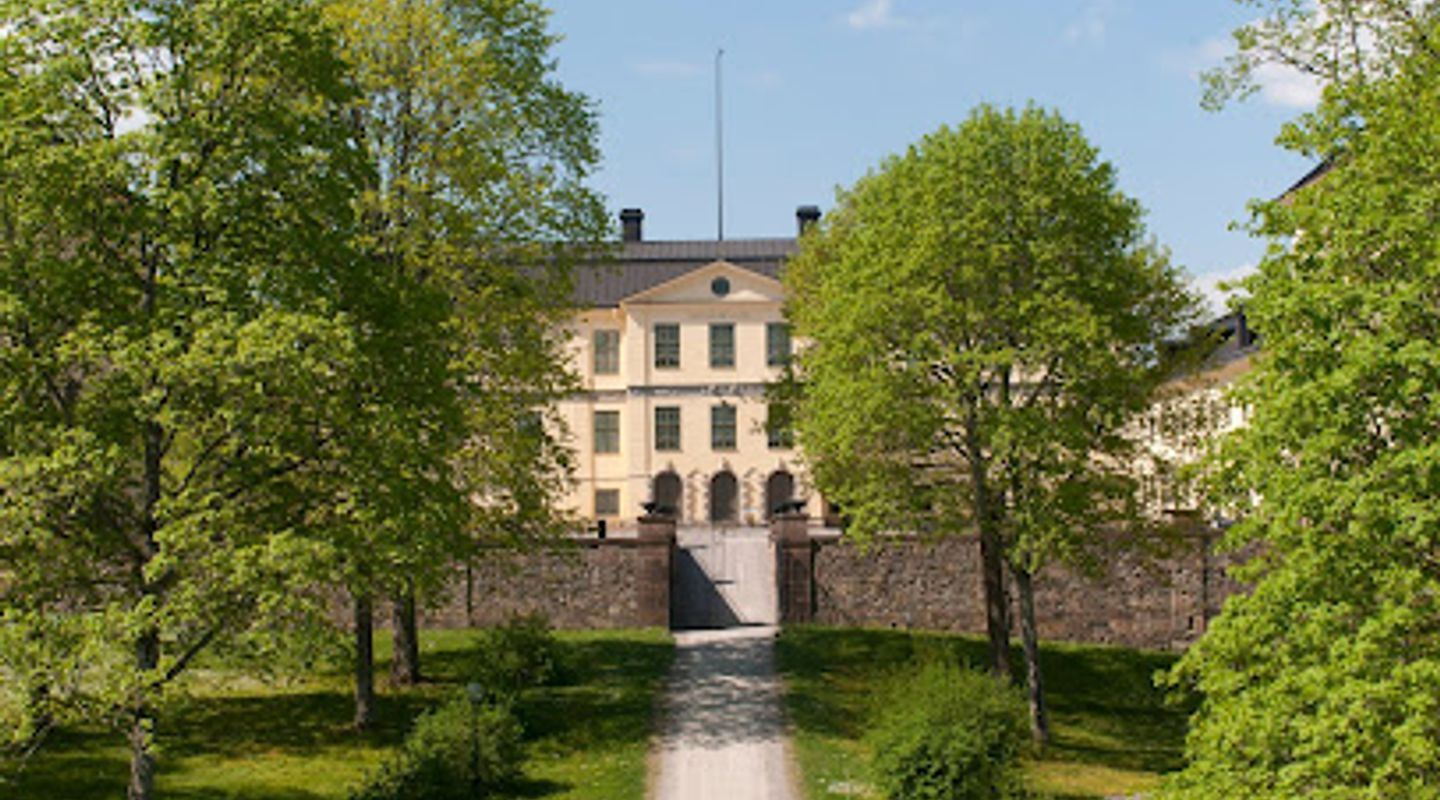
A brief summary of Löfstad slott
A carefully preserved 17th‑century country house with intact family interiors set in a romantic English park near Norrköping.
Löfstad slott is a 17th‑century country house and museum set in one of Sweden’s best‑preserved English parks near Norrköping. Built from 1637–1660 by field marshal Axel Lillie and later remodelled and rebuilt after an 18th‑century fire, the house retains intact period interiors largely shaped by Emilie Piper (1857–1926). The site includes two flanking wings with a traditional inn, a stable/shop, formal courtyards and long shaded avenues for quiet walks.
On-site amenities
 Restrooms
 Drink options
 Food options
 Seating areas
 Information boards
 Visitor centre
Opening hours
- MonClosed
- TueClosed
- WedClosed
- ThuClosed
- FriClosed
- Sat11 am–4 pm
- Sun11 am–4 pm
Opening hours as listed on the venue’s Google Business Profile. Hours can change for services and special events, so check with the venue before you go.
- Address
- Lövstad Slott, 605 97 Norrköping
- Phone
- Website
Getting there
By car
Regional bus
Taxi or rideshare
Discover more about Löfstad slott
Origins and grand‑scale beginnings
Löfstad’s story begins in the 1400s but the present house owes its form to 17th‑century ambitions when Axel Lillie commissioned a stone manor between about 1637 and 1660 that combined three full storeys, service levels and long two‑storey wings. Structural fragments, portals and painted decorative details survive from that era, and the estate’s evolution reflects the tastes of military and noble owners who used architecture to signal status. A major rebuilding in the late 1600s refined the silhouette and later repairs after an 1750 fire introduced a mansard roof and interior adaptations that define the building’s present exterior.
The Piper era and the preserved household
The character now most associated with Löfstad comes from the Piper family and, above all, Emilie Piper, who curated and shaped the interiors through the late 19th and early 20th centuries. Emilie never married and devoted herself to the home; before her death she bequeathed the house’s contents with instructions that the rooms remain undisturbed. The result is a domestic ensemble where furniture, textiles, tableware and small everyday objects remain in situ, giving an intimate impression of continuous private life rather than a rearranged museum collection.
Architecture, decoration and surviving details
The house shows layers of change: 17th‑century masonry and remnants of bold façade paintings, 17th‑ and 18th‑century portals, and the later mansard roofline installed after the great fire. Inside, richly furnished reception rooms, a guest floor and conservatively retained bedrooms and service spaces reveal historical circulation patterns and household hierarchies. Look for painted wooden ceilings, carved fireplaces, portraiture that charts ownership and a Gästabudssal (banqueting hall) where ceremonial and everyday life once mixed.
Landscape and the English park
Framed by an expansive English‑style park laid out in the early 19th century, the house sits beside avenues, specimen trees and a reflective lake that help create the site’s atmospheric approach. The park’s layout was influenced by Sophie von Fersen and later owners; its lawns, solitary trees and winding paths are typical of the period’s taste for naturalistic vistas and provide calm routes for walking and photography. A nature and culture trail around the estate interprets aspects of staff life, agricultural history and a former local railway line.
Ancillary buildings and visitor‑facing spaces
Two flanking wings remain in active use: one houses a traditional värdshus (inn) serving seasonal menus in a historic setting, and the other contains a stable building with a small shop and exhibition spaces. These wings, together with the cobbled borggård and service ranges, illustrate the estate’s working structure and create a compact visitor nucleus that contrasts with the open parkland beyond.
Atmosphere, stories and living traces
Walking through Löfstad is like moving through layers of family life: the hush of a portrait‑lined salon, the faded patterns of bedroom textiles, and minor objects that anchor human stories — a note left on a dresser, a preserved calendar page in a bedroom. Events staged at the house, from theatrical murder‑mystery evenings to seasonal guided tours, make use of the building’s intact rooms and encourage deeper acquaintance with the estate’s social rhythms. The combined experience is both architectural and domestic: a major historic house experienced at human scale.
Evendo Review Centre
 Google
Guest reviews
Best time to go
Quietest: Jan, Feb & Dec · before 7am or at 8pm
Busy times are Evendo estimates for a typical year, to help you plan. Actual crowds vary with events, school holidays and the weather.
Explore Löfstad slott on the map
A handpicked selection of must-see spots near Löfstad slott, mapped for you.
Get your free copy of our complete guide to Löfstad slott, delivered straight to you.
Everything on this page, from opening hours and how to get there to Eve’s tips and the best time to go, in one PDF you can read offline, print or share.
Already have an account? Sign in
Your Löfstad slott guide is ready.
We'll send it to · Not you? Sign out

Getting your guide ready…
We are putting together a fresh copy of the Löfstad slott guide. This can take up to a minute.
This can take a few moments. If your browser asks, choose Allow so the download can start. You'll find the guide in your Downloads folder.
Nothing happened? Download it again
Sorry, the guide is taking longer than usual. Please try again in a minute, or get it by email instead.
Other nearby places you may find interesting
The closest places of the same kind, if this one is not quite what you had in mind.
-
-
-
-
-


Swipe for more places
More to explore near Löfstad slott

 Best experiences near Löfstad slott
 Best hotels near Löfstad slott
 Best landmarks near Löfstad slott
 Best attractions near Löfstad slott
 Best shops near Löfstad slott
 Best restaurants near Löfstad slott
 Best bars near Löfstad slott
Do you manage this location?
Take control to get all the benefits, like improved information, better appearance, and stronger visibility across AI-powered discovery.
Explore more

Explore more of Östergötland
Discover Östergötland: A perfect blend of history, nature, and culture in southern Sweden, offering charming towns, lush landscapes, and a rich cultural heritage.
Explore Östergötland
Explore more of Sweden
Discover Sweden's breathtaking landscapes, vibrant cities, and rich cultural heritage. From the Northern Lights to historic castles, experience the essence of Scandinavia.
Explore Sweden
