Museum of Work Travel Guide
Free Guide: A people‑centred museum of work and everyday life housed in Norrköping’s iconic Strykjärnet, with hands‑on family spaces, contemporary exhibitions and riverside views.


A brief summary of Museum of Work
A people‑centred museum of work and everyday life housed in Norrköping’s iconic Strykjärnet, with hands‑on family spaces, contemporary exhibitions and riverside views.
Arbetets museum on Laxholmen in central Norrköping explores work and everyday life through exhibitions, oral histories and contemporary photography housed in the iconic ‘Strykjärnet’ textile‑mill building. Spread across multiple floors with family-friendly hands-on spaces, a café, museum shop and a rooftop restaurant with views, the museum presents social history, labour stories and thought‑provoking contemporary shows — all with free entry.
On-site amenities
 Restrooms
 Drink options
 Food options
 Seating areas
 Information boards
 Visitor centre
Opening hours
- Every day10 am–5 pm
Opening hours as listed on the venue’s Google Business Profile. Hours can change for services and special events, so check with the venue before you go.
- Address
- Laxholmen, 602 21 Norrköping
- Phone
- Website
Getting there
From Norrköping central station
From central Norrköping on foot
By car or taxi
Discover more about Museum of Work
The building and the island: a working‑city landmark
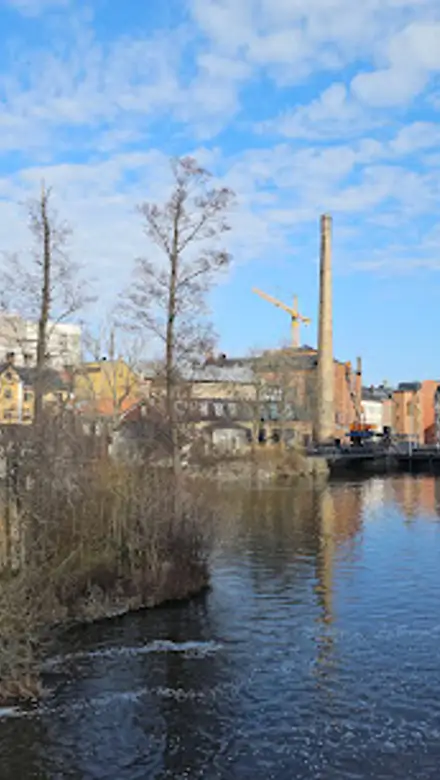
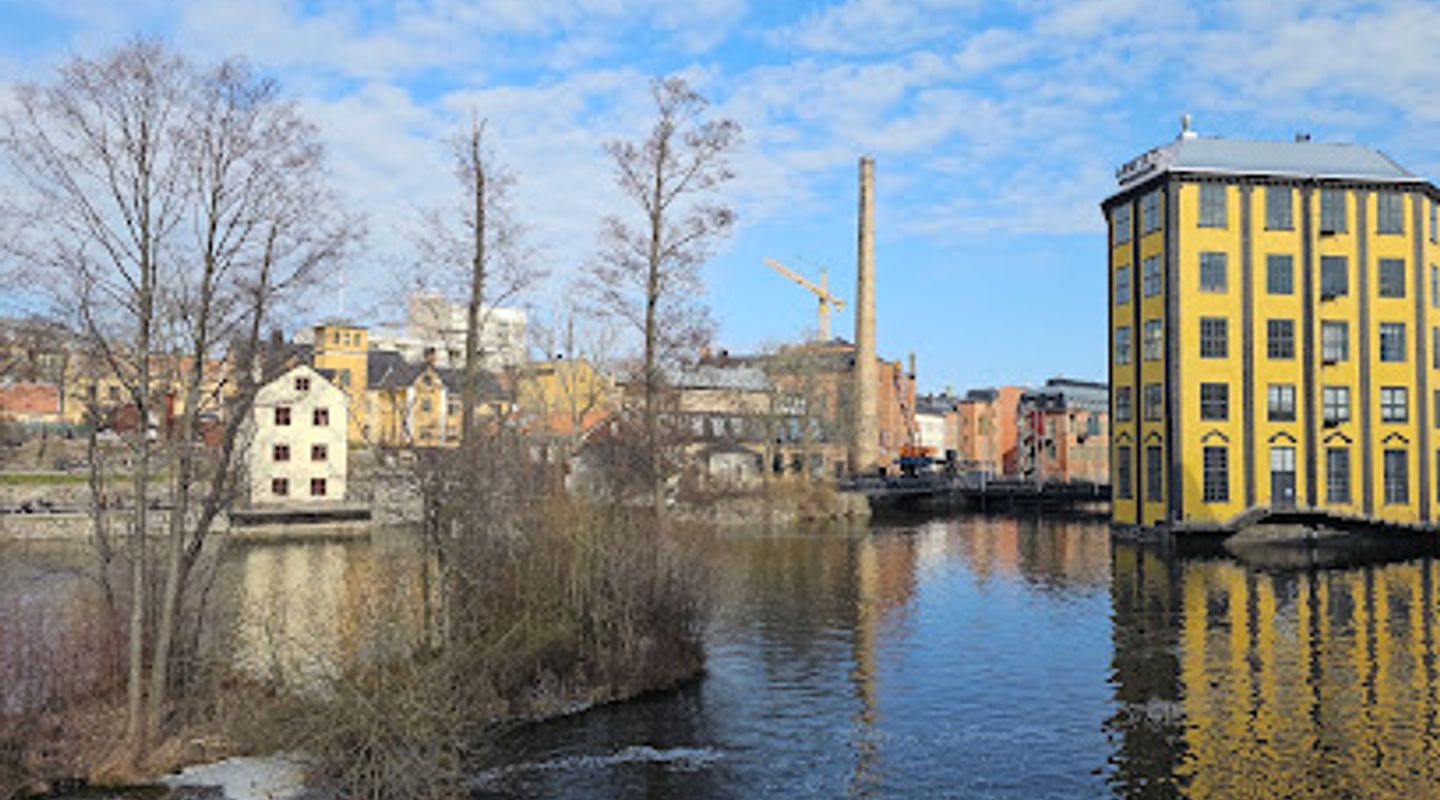
Arbetets museum occupies the distinctive, iron‑shaped former cotton mill often called Strykjärnet on the island of Laxholmen, set amid the falls and brick factories of Norrköping’s Industrilandskap. The hulking yellow façade and tall windows recall the city’s textile past while the interior converts industrial volumes into layered galleries, studios and event spaces that retain a sense of machinery and human scale.
What the museum collects and shows
Rather than assembling antiques in cabinets, the museum centres on people’s memories, photographs and contemporary documentary work to illuminate how work shapes everyday life. Exhibitions range from historical reconstructions and oral‑history displays to contemporary photography projects and commissioned installations that link local labour histories with national and global themes.
Family and hands‑on experiences
Children are welcomed through dedicated play‑and‑learning areas where role play and tactile activities introduce concepts of jobs and daily routines. Workshops and creative studios stage regular activities for younger visitors and families; these spaces are deliberately designed so children can explore practical ideas about work through play, craft and guided exercises.
Café culture, the shop and rooftop views
The ground‑floor café provides a casual pause for coffee and light meals and the museum shop offers design items, books and regionally made souvenirs that reflect Scandinavian craft and museum themes. Higher in the building, the rooftop restaurant and event spaces serve as vantage points over the industrial landscape and Motala ström, giving an unexpected panoramic counterpoint to the museum’s intimate oral histories.
Museum rhythm and visitor experience
Galleries are arranged across several levels, creating a sequence of encounters that move from archival traces and personal testimony to contemporary art and photographic projects. The lighting, exposed brick and occasional remnants of industrial fittings shape a quietly atmospheric visit that encourages reading, listening and reflection. English translations and some audio components are provided for non‑Swedish speakers.
Community role and programming
Arbetets museum functions as a meeting place for discussion about labour, democracy and everyday life: exhibitions are regularly paired with talks, film screenings and school programmes. The museum’s curatorial approach emphasises stories — individual testimonies and documentary images — that connect local histories in Norrköping to broader social developments, making it a civic as well as cultural resource.
Evendo Review Centre
 Google
Guest reviews
Best time to go
Quietest: Jan, Feb & Mar · before 8am or from 7pm
Busy times are Evendo estimates for a typical year, to help you plan. Actual crowds vary with events, school holidays and the weather.
Explore Museum of Work on the map
A handpicked selection of must-see spots near Museum of Work, mapped for you.
Get your free copy of our complete guide to Museum of Work, delivered straight to you.
Everything on this page, from opening hours and how to get there to Eve’s tips and the best time to go, in one PDF you can read offline, print or share.
Already have an account? Sign in
Your Museum of Work guide is ready.
We'll send it to · Not you? Sign out

Getting your guide ready…
We are putting together a fresh copy of the Museum of Work guide. This can take up to a minute.
This can take a few moments. If your browser asks, choose Allow so the download can start. You'll find the guide in your Downloads folder.
Nothing happened? Download it again
Sorry, the guide is taking longer than usual. Please try again in a minute, or get it by email instead.
Other nearby places you may find interesting
The closest places of the same kind, if this one is not quite what you had in mind.
-
-
-
-
-


Swipe for more places
More to explore near Museum of Work

 Best experiences near Museum of Work
 Best hotels near Museum of Work
 Best landmarks near Museum of Work
 Best attractions near Museum of Work
 Best shops near Museum of Work
 Best restaurants near Museum of Work
 Best bars near Museum of Work
Do you manage this location?
Take control to get all the benefits, like improved information, better appearance, and stronger visibility across AI-powered discovery.
Explore more

Explore more of Östergötland
Discover Östergötland: A perfect blend of history, nature, and culture in southern Sweden, offering charming towns, lush landscapes, and a rich cultural heritage.
Explore Östergötland
Explore more of Sweden
Discover Sweden's breathtaking landscapes, vibrant cities, and rich cultural heritage. From the Northern Lights to historic castles, experience the essence of Scandinavia.
Explore Sweden