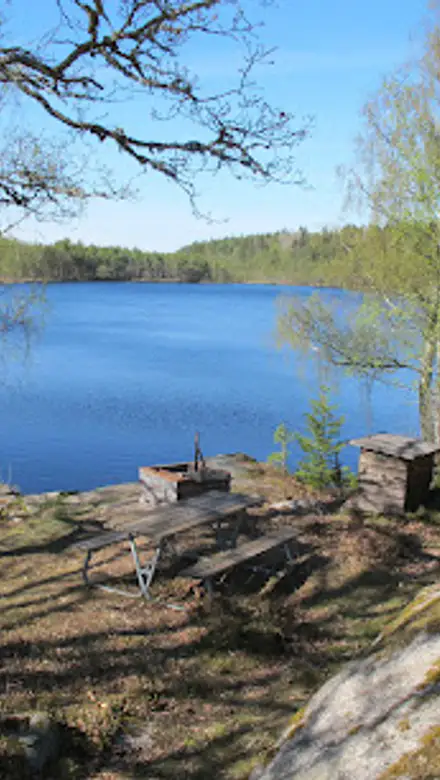
Öna kulturreservat Travel Guide
Free Guide: Discover Öna Kulturreservat: a hauntingly preserved forest hamlet of timber farms and lakeside meadows, revealing centuries of Swedish rural endurance amid stark natural beauty.


A brief summary of Öna kulturreservat
Discover Öna Kulturreservat: a hauntingly preserved forest hamlet of timber farms and lakeside meadows, revealing centuries of Swedish rural endurance amid stark natural beauty.
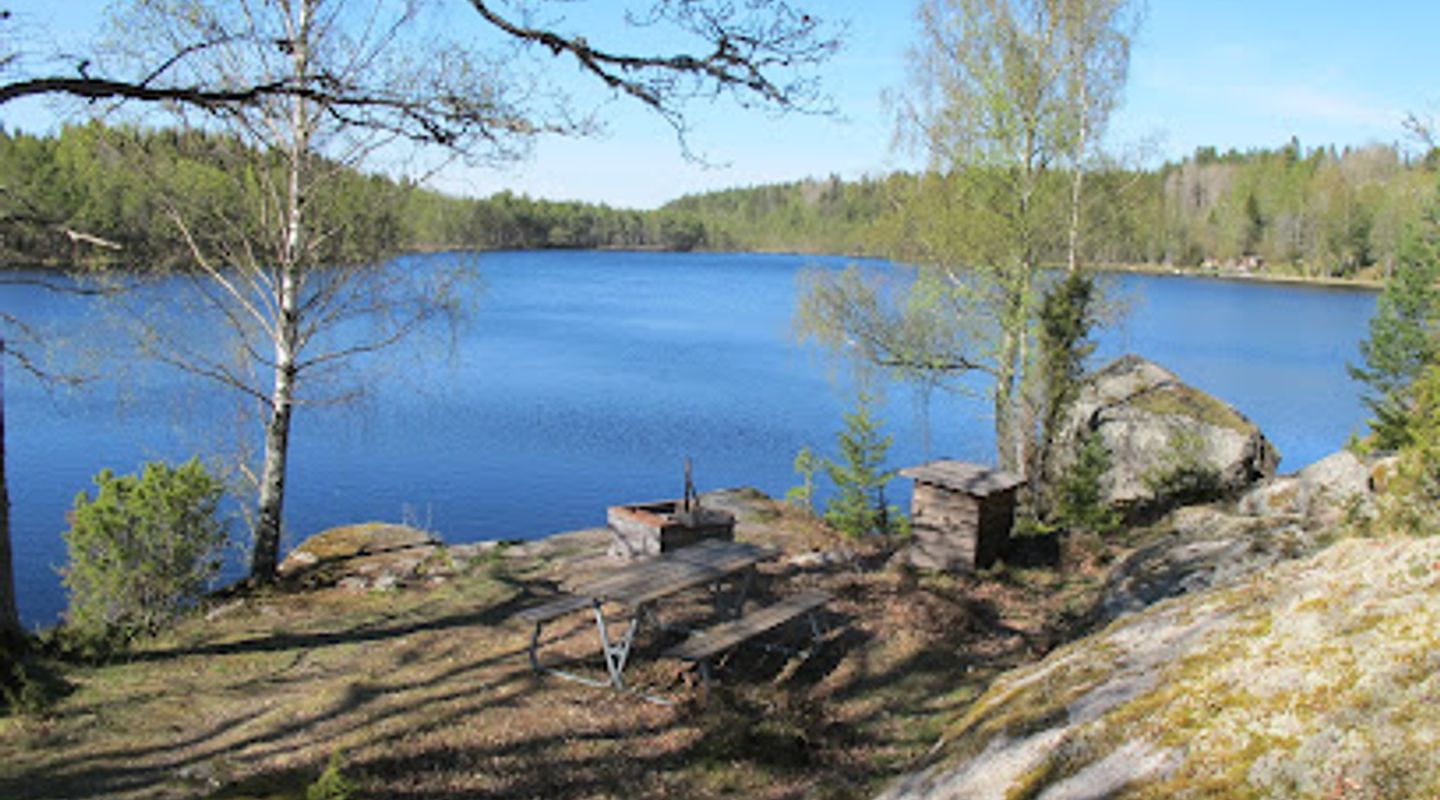
Nestled deep in the forests near Ulrika, Öna Kulturreservat preserves a poignant snapshot of rural Swedish life from the 17th to early 20th centuries. This 53.9-hectare protected site features four small timber farmsteads on a lakeside promontory at Stensjön, showcasing humble dwellings, barns, and a rugged cultural landscape shaped by generations of toil amid barren soils. Once a remote outlying field of Dockebo hemman, first documented in 1736, the settlement exemplifies self-sufficient forest farming with its tiny infields for crops and hay, surrounded by vital woodlands for grazing, fuel, and timber. Agriculture ceased mid-20th century, but meadows are now grazed to maintain the open vistas. Rules protect its fragile heritage: no off-road vehicles, camping, plant picking, or fires outside designated spots. Free entry, always accessible, with parking and info boards at the entrance.
On-site amenities
 Seating areas
 Information boards
 Trash bins
 Drinking water
Opening hours
- Every dayOpen 24 hours
Opening hours as listed on the venue’s Google Business Profile. Hours can change for services and special events, so check with the venue before you go.
- Address
- ÖNA 2, 590 53 Ulrika
- Website
Getting there
Driving
Bus + Walk
Hiking Trail
Discover more about Öna kulturreservat
Origins in the Shadow of the Forest
Öna began as an utjord, or outlying field, belonging to the Dockebo hemman, likely settled in the 1600s amid the dense woods of southern Östergötland. First mentioned in records from 1736, the pioneers cleared forest painstakingly to create small patches of arable land and meadows. By the 1928 laga skifte land reform, it had expanded into four distinct properties, each a testament to survival on marginal land. The site's isolation fostered unique adaptations, with every resource—from soil to timber—stretched to its limit.
Layout of a Marginal Hamlet
Perched on a narrow udde jutting into Stensjön lake, Öna's farm clusters feature compact, timber-built stugor and economic buildings huddled close for efficiency. The infields, or inägor, form a tight mosaic of former croplands and hay meadows, sharply demarcated from the encircling utmark forest. This preserved morphology reveals how poverty conserved traditional building techniques and land use, untouched by modernization until the 1960s when farming ended.
Daily Struggles and Resourcefulness
Life here revolved around subsistence: meager soils yielded basic grains and fodder, supplemented by forest yields of berries, game, livestock pasture, and building materials. Cattle grazed the outlands in summer, while winter ved sustained hearths. Structures like the kvarnruin along nearby trails hint at small-scale milling powered by local waters. The harsh environment demanded communal ingenuity, evident in the sturdy, low-slung architecture designed to withstand long winters and lean harvests.
Preservation and Natural Harmony
Designated a kulturreservat in 2002 under Länsstyrelsen Östergötland's stewardship, with lands held by private owners and Östergötlands museum, the 53.9 hectares blend cultural relics with biodiversity. Contemporary grazing revives the historic openness, nurturing orchids, insects, and birds amid ancient trees. Strict föreskrifter safeguard this balance: motor vehicles confined to roads, no digging plants or collecting invertebrates, fires only at grills, and quiet enjoyment without disruptive noise.
Exploring the Timeless Site
Visitors wander gravel paths past restored farmsteads, peering into preserved interiors that evoke bygone eras. Trails link to Östgötaleden hiking routes, passing the evocative mill ruin and lakeside rest spots. Information boards at the entrance detail the site's narrative, while benches invite pauses amid wildflowers and birdcalls. In autumn, foliage paints the scene in russet hues; spring brings blooming meadows.
Enduring Legacy of Resilience
Öna stands as a pedagogical gem, illustrating forest bygd existence before tractors and welfare states transformed Sweden. Its intactness offers immersion in pre-industrial rhythms, where human endeavor carved fragile prosperity from wilderness. Today, it inspires reflection on sustainability, as modern practices echo the careful stewardship of its founders.
Evendo Review Centre
 Google
Guest reviews
Best time to go
Quietest: Jan, Feb & Dec · before 8am or at 8pm
Busy times are Evendo estimates for a typical year, to help you plan. Actual crowds vary with events, school holidays and the weather.
Explore Öna kulturreservat on the map
A handpicked selection of must-see spots near Öna kulturreservat, mapped for you.
Get your free copy of our complete guide to Öna kulturreservat, delivered straight to you.
Everything on this page, from opening hours and how to get there to Eve’s tips and the best time to go, in one PDF you can read offline, print or share.
Already have an account? Sign in
Your Öna kulturreservat guide is ready.
We'll send it to · Not you? Sign out

Getting your guide ready…
We are putting together a fresh copy of the Öna kulturreservat guide. This can take up to a minute.
This can take a few moments. If your browser asks, choose Allow so the download can start. You'll find the guide in your Downloads folder.
Nothing happened? Download it again
Sorry, the guide is taking longer than usual. Please try again in a minute, or get it by email instead.
Other nearby places you may find interesting
The closest places of the same kind, if this one is not quite what you had in mind.
-
-
-
-
-


Swipe for more places
More to explore near Öna kulturreservat

 Best experiences near Öna kulturreservat
 Best hotels near Öna kulturreservat
 Best landmarks near Öna kulturreservat
 Best attractions near Öna kulturreservat
 Best shops near Öna kulturreservat
 Best restaurants near Öna kulturreservat
 Best bars near Öna kulturreservat
Do you manage this location?
Take control to get all the benefits, like improved information, better appearance, and stronger visibility across AI-powered discovery.
Explore more

Explore more of Östergötland
Discover Östergötland: A perfect blend of history, nature, and culture in southern Sweden, offering charming towns, lush landscapes, and a rich cultural heritage.
Explore Östergötland
Explore more of Sweden
Discover Sweden's breathtaking landscapes, vibrant cities, and rich cultural heritage. From the Northern Lights to historic castles, experience the essence of Scandinavia.
Explore Sweden