

Örbacken naturreservat, Ostergotland Travel Guide
A compact limestone marsh near Skänninge where calcium-rich springs support orchids, sedges and a high-value wetland mosaic.
Örbackens kalkkärr is a protected limestone marsh and small nature reserve near Skänninge in Östergötland, celebrated for its high-calcium spring water, rich wetland flora and rare orchids. Boardwalks thread the reserve, taking visitors past seepages, reedbeds and grazed meadows that support a mosaic of habitats; seasonal grazing helps maintain open grassland and encourages the colourful wildflowers that characterise the site.
A brief summary to Örbacken naturreservat
- Skänninge, 596 92, SE
- Click to display
- Duration: 0.5 to 2 hours
- Free
-
 Outdoor
- Mobile reception: 3 out of 5

Know before you go
Hi, I'm Eve. Here are a few practical things to know before exploring Örbacken naturreservat.
- Respect the boardwalks and marked paths — much of the reserve is fragile; stepping off the trail can damage rare plants and sensitive soils.
- Visit in late spring to early summer for the best chance to see orchids in bloom and active pollinators.
- Dogs may disturb grazing cattle and ground-nesting wildlife; keep dogs on a short lead or avoid bringing them during the grazing season.
- Wear footwear suited to wet, uneven ground; boardwalks are present but some approaches can be muddy after rain.
Do you manage this location?
Take control to get all the benefits, like improved information, better appearance, and stronger visibility across AI-powered discovery. Learn more about listing your business on Evendo
Activate your presenceOther nearby places you may find interesting
The closest places of the same kind, if this one is not quite what you had in mind.
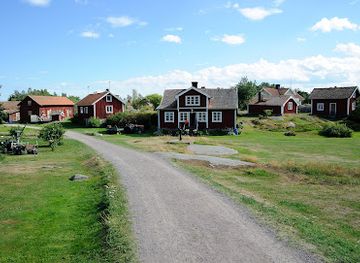
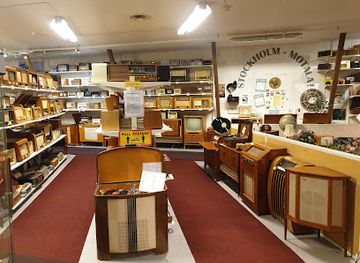
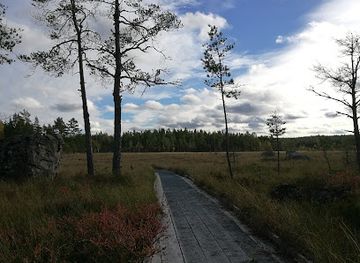
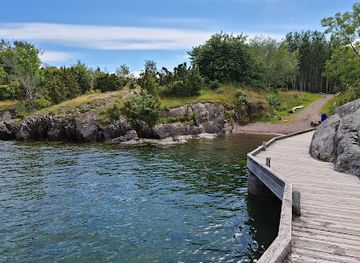
Explore Örbacken naturreservat on the Map
A handpicked selection of must-see spots near Örbacken naturreservat, mapped for you.
Getting There
-
By car
Private car is the quickest option from the local area; typical drives from Skänninge or Mjölby take around 10–20 minutes depending on start point. Parking is limited and informal near the reserve entrance; spaces may be few during peak season and approach roads are narrow, so allow extra time. There is no paid parking fee.
-
Local bus + short walk
Regional bus services connect Skänninge with nearby towns; a bus journey from Mjölby to Skänninge typically takes 15–25 minutes depending on the service. From Skänninge the reserve lies several kilometres away, requiring an onward local taxi or a walk across country of roughly 3–5 km over country lanes and field paths; the walk involves uneven terrain and seasonal mud, so allow 45–90 minutes on foot and plan for limited shelter.
-
Cycling
Cycling from Skänninge or surrounding villages is a practical option for active visitors: expect 15–30 minutes of pedalling over quiet rural roads and farm tracks depending on your starting point. Terrain is generally flat but some unpaved sections can be soft after rain; there are no dedicated bike racks, and cyclists should secure bikes to existing posts if needed.
For the on-the-go comforts that matter to you
-
 Seating Areas
-
 Picnic Areas
-
 Information Boards
-
 Trash Bins
Discover more about Örbacken naturreservat
Where calcium-rich water shapes rare wetlands
Örbackens kalkkärr is a compact but ecologically distinctive limestone marsh formed where groundwater wells up through calcareous soils, producing alkaline, mineral-rich conditions that favour specialized wetland plants. The reserve’s small pools, seepages and hummocky sedge beds create a patchwork of moist microhabitats where unusual plant species thrive, and the overall feel is intimate — you move from shady alder fringes to bright, sunlit marsh in minutes.Plants that define the reserve’s personality
The reserve is noted for its diverse flora, especially an array of calciphile (lime-loving) species and several orchids that find the alkaline substrate congenial. Look for sedges, marsh-loving grasses and a carpet of flowering plants in season; the contrast between shallow, clear seepages and surrounding herb-rich meadow is a defining visual trait. Seasonal changes are pronounced: a late-spring flush of green and flowers gives way to late-summer seedheads and muted autumn tones.Human care and grazing as conservation tools
Örbacken’s grazed meadows are an intentional part of its conservation management. Cattle grazing keeps scrub and rank growth at bay, preserving the open, low-sward conditions that many rare plants need. You’ll notice boundary fences, occasional herds in summer and simple visitor furniture such as a picnic table in the managed pasture — these small interventions are what maintain the reserve’s botanical richness without heavy-handed engineering.A short, tactile visit: boardwalks and quiet observation
The reserve is arranged for close, low-impact viewing: short wooden boardwalks and footpaths lead through the wet ground so you can approach sensitive hollows without trampling them. That design creates a tactile, near-ground-level experience — listen for trickling spring water beneath your feet and watch for tiny insects and wading birds that use the shallow pools. The site’s compactness makes it possible to experience its key features in a single, contemplative walk.Seasonal rhythms and wildlife hints
Örbacken’s biodiversity is governed by seasonal rhythms. Spring and early summer bring orchid blooms and an abundance of pollinators; midsummer can be lush and noisy with insect life; late summer and autumn reveal seedheads and a quieter bird presence. Amphibians and small invertebrates exploit the shallow pools; nearby hedgerows and meadow margins provide shelter for insects and small mammals that depend on the reserve’s mosaic of habitats.How the reserve sits in the cultural landscape
Though small, Örbacken sits within an agricultural landscape of fields and manor lands typical of central Östergötland, and its limestone influence reflects local geology rather than dramatic topography. The reserve reads like a contained pocket of wildness — a patch of specialist habitat preserved amid productive farmland — and its modest infrastructure reinforces a sense of careful stewardship rather than overt recreation. This reserved character makes it an instructive stop for anyone interested in how subtle geological conditions create outsized ecological value.












Your all‑in‑one travel companion app
Explore expert travel guides, compare and book tours, experiences, hotels, and more—all from the palm of your hand. Download now for seamless trip planning wherever your wanderlust takes you.


Explore More of Ostergotland
Looking beyond Örbacken naturreservat? Discover Ostergotland for broader travel guides, local hot-spots, and regional highlights.
Explore Ostergotland
Historic spa retreat in Vadstena's monastery heart, where medieval stone meets saltwater serenity by Lake Vättern's shores.

Glacial eskers, ancient pines, and serene Skogssjön lake await in this Östergötland nature reserve—a peaceful mosaic of ice-age wonders and biodiversity near Mjölby.
