

Skällviks kyrka Travel Guide
Free Guide: Timeless stone sanctuary blending 14th-century Gothic simplicity with King Johan III's Renaissance vision, near historic Stegeborg Castle.


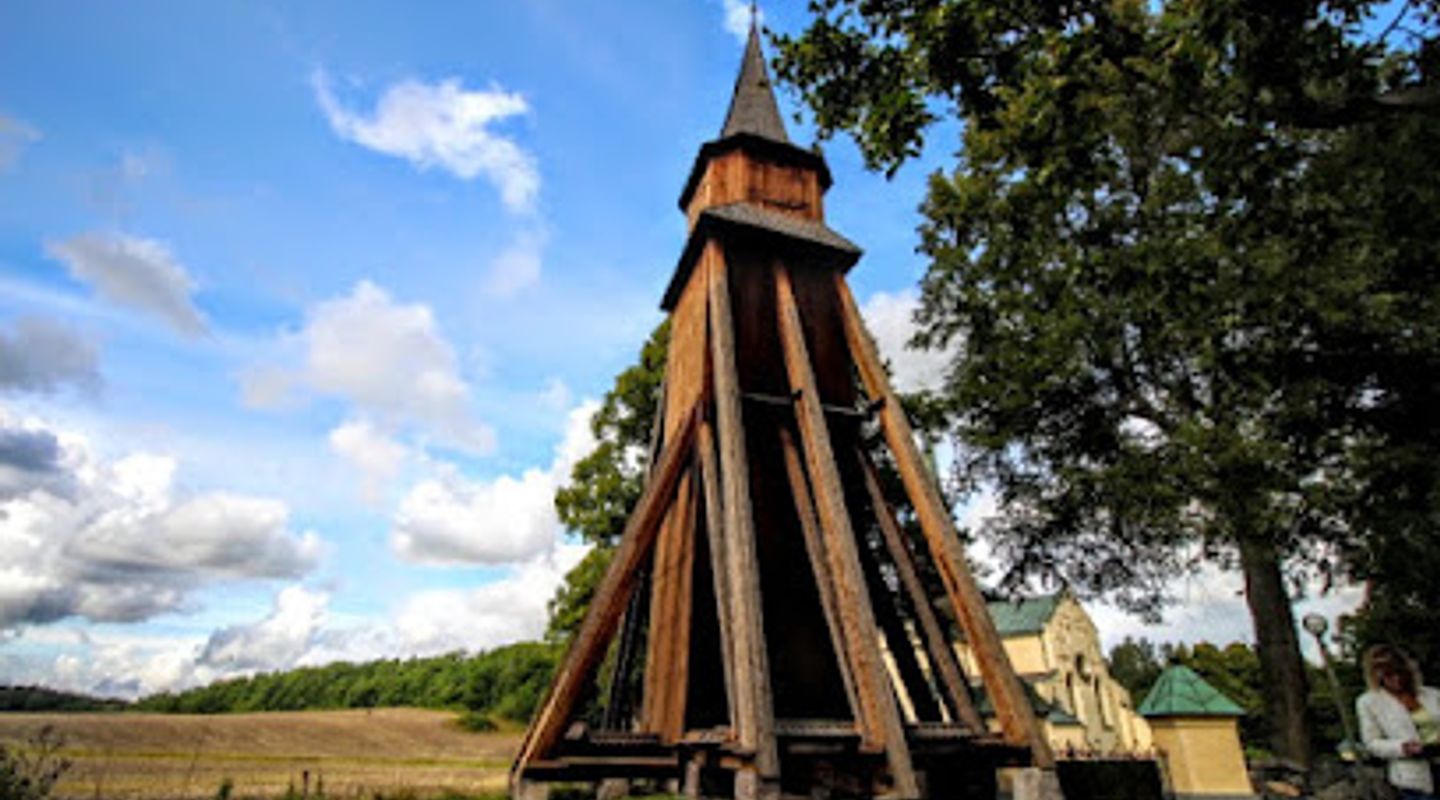
A brief summary of Skällviks kyrka
Timeless stone sanctuary blending 14th-century Gothic simplicity with King Johan III's Renaissance vision, near historic Stegeborg Castle.
Skällviks kyrka, a medieval stone church in Söderköping, Sweden, was originally built in the early 14th century as a simple rectangular hall church. Transformed in the late 16th century under King Johan III, who was born nearby at Stegeborg Castle, it blends Gothic origins with Renaissance additions. Surrounded by a peaceful churchyard, it offers a serene glimpse into Sweden's ecclesiastical history amid rural Östergötland landscapes.
On-site amenities
 Restrooms
 Seating areas
 Trash bins
 Information boards
- Address
- 614 97 Söderköping
- Website
Getting there
Bus
Car
Bicycle
Walking
Discover more about Skällviks kyrka
Medieval Foundations in Stone
Skällviks kyrka stands as a testament to early 14th-century craftsmanship, constructed primarily from local gray stone with distinctive brick-faced stepped gables. Erected around the 1330s as a modest rectangular hall church—known as a salkyrka—with a straight-ended chancel and blind arcades adorning its walls, it served the local community during a time when nearby Stegeborg Castle was being fortified. The sturdy masonry, much of which survives today, reflects the practical yet elegant Gothic style prevalent in medieval Sweden, designed for endurance against the harsh Nordic climate.
Royal Renaissance Transformation
In a pivotal redesign from 1590 to 1593, King Johan III oversaw major alterations that infused Renaissance flair into the medieval structure. Born at Stegeborg Castle just adjacent to the church, the king held a personal affinity for the site, commissioning changes that included a more prominent chancel and refined architectural details. This royal intervention elevated Skällviks kyrka from a simple parish church to a symbol of monarchical patronage, blending old stone walls with newer stylistic elements that hinted at Italy's emerging Renaissance influence in Scandinavia.
Twentieth-Century Revival
The mid-20th century brought further preservation under architect Erik Lundberg, who led an extensive restoration in the 1950s. This work meticulously repaired weathered stonework, restored windows—including a notable west window—and preserved the church's hybrid architectural character. Lundberg's efforts ensured the building's integrity, safeguarding intricate details like the blind arcades and gables for future generations, while respecting its layered history from Gothic simplicity to Renaissance grandeur.
Sacred Spaces and Artistic Legacy
Inside, the church reveals a nave enriched by centuries of use, with vaulted ceilings and altarpieces that whisper tales of devotion. The chancel, expanded under royal directive, houses elements from various eras, including potential remnants of medieval frescoes or woodwork. Surrounding the structure, the churchyard provides a tranquil enclosure, dotted with weathered gravestones that chronicle local lives, creating an atmosphere of quiet reverence amid Östergötland's rolling fields.
Archaeological Echoes
Excavations have uncovered dramatic chapters, such as a medieval skull bearing marks of a crossbow bolt, hinting at violent episodes in the church's shadowed past. These findings, from churchyard digs, illuminate the human stories intertwined with the stone—tales of conflict, faith, and resilience that add depth to the site's historical tapestry. Such discoveries underscore Skällviks kyrka's role not just as a place of worship, but as a repository of medieval intrigue.
Enduring Rural Sanctuary
Nestled in the countryside near Söderköping, the church remains an active parish site within the Church of Sweden, its bells tolling over verdant landscapes. Free to enter, it invites contemplation of Sweden's ecclesiastical evolution, from humble 14th-century origins to royal embellishments, all framed by the timeless beauty of Östergötland's natural setting.
Evendo Review Centre
 Google
Guest reviews
Best time to go
Quietest: Jan, Feb & Dec · before 8am or from 9pm
Busy times are Evendo estimates for a typical year, to help you plan. Actual crowds vary with events, school holidays and the weather.
Explore Skällviks kyrka on the map
A handpicked selection of must-see spots near Skällviks kyrka, mapped for you.
Get your free copy of our complete guide to Skällviks kyrka, delivered straight to you.
Everything on this page, from opening hours and how to get there to Eve’s tips and the best time to go, in one PDF you can read offline, print or share.
Already have an account? Sign in
Your Skällviks kyrka guide is ready.
We'll send it to · Not you? Sign out

Getting your guide ready…
We are putting together a fresh copy of the Skällviks kyrka guide. This can take up to a minute.
This can take a few moments. If your browser asks, choose Allow so the download can start. You'll find the guide in your Downloads folder.
Nothing happened? Download it again
Sorry, the guide is taking longer than usual. Please try again in a minute, or get it by email instead.
Other nearby places you may find interesting
The closest places of the same kind, if this one is not quite what you had in mind.
-
-
-
-
-


Swipe for more places
More to explore near Skällviks kyrka

 Best experiences near Skällviks kyrka
 Best hotels near Skällviks kyrka
 Best landmarks near Skällviks kyrka
 Best attractions near Skällviks kyrka
 Best shops near Skällviks kyrka
 Best restaurants near Skällviks kyrka
 Best bars near Skällviks kyrka
Do you manage this location?
Take control to get all the benefits, like improved information, better appearance, and stronger visibility across AI-powered discovery.
Explore more

Explore more of Östergötland
Discover Östergötland: A perfect blend of history, nature, and culture in southern Sweden, offering charming towns, lush landscapes, and a rich cultural heritage.
Explore Östergötland
Explore more of Sweden
Discover Sweden's breathtaking landscapes, vibrant cities, and rich cultural heritage. From the Northern Lights to historic castles, experience the essence of Scandinavia.
Explore Sweden
