

Söderköping lock Travel Guide
Free Guide: Experience the mesmerizing rise and fall of boats at Söderköping Lock, a cornerstone of Sweden's hand-built Göta Canal engineering wonder.


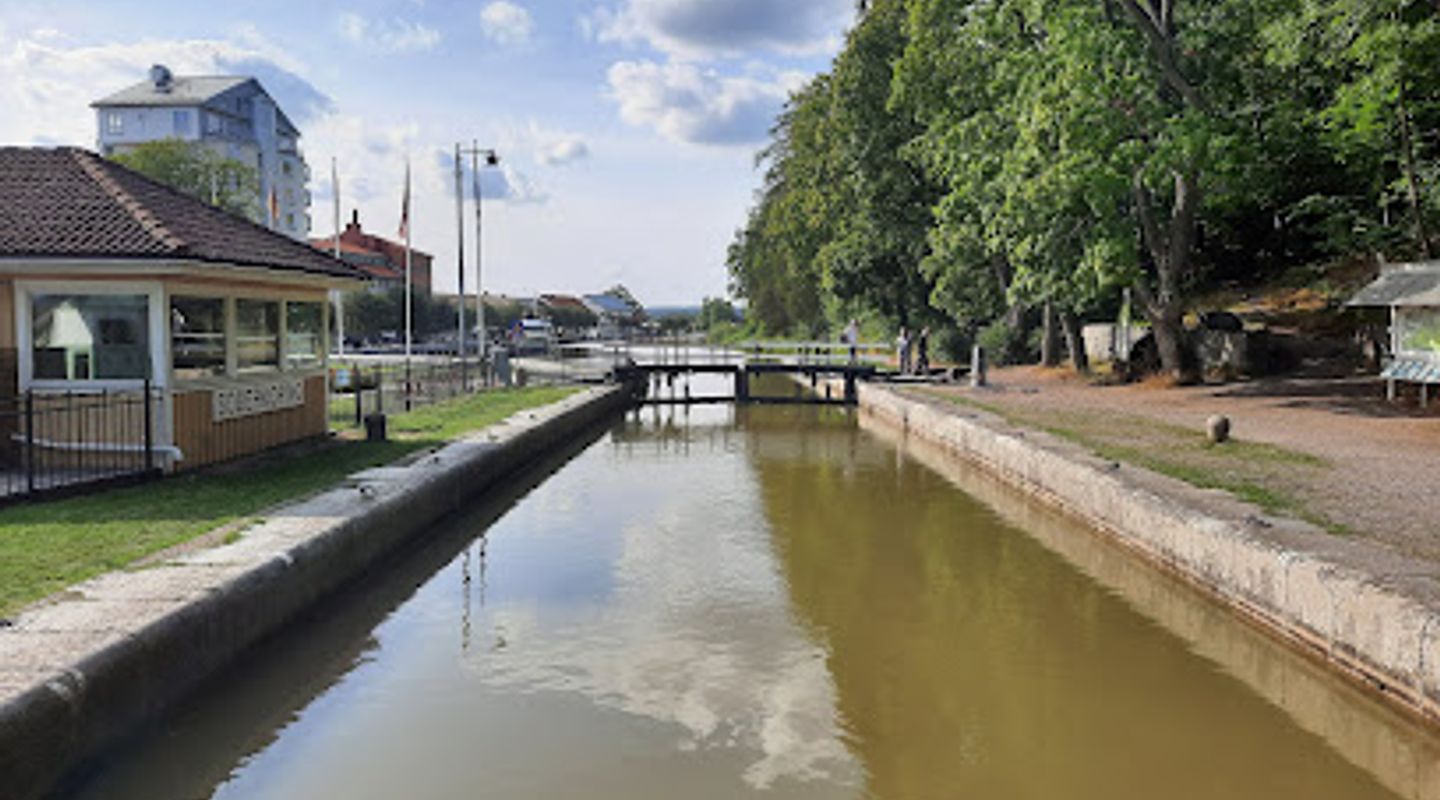
A brief summary of Söderköping lock
Experience the mesmerizing rise and fall of boats at Söderköping Lock, a cornerstone of Sweden's hand-built Göta Canal engineering wonder.
Nestled in the charming town of Söderköping along Sweden's iconic Göta Canal, this historic lock showcases the engineering marvel of 19th-century waterway construction. Watch boats navigate the rising waters amid scenic boardwalks and lush surroundings, a free attraction drawing visitors to observe the timeless drama of lock operations. Part of the 190-km canal dug largely by hand, it offers serene views, nearby ice cream treats, and a glimpse into Sweden's industrial past.
On-site amenities
 Restrooms
 Drink options
 Food options
 Seating areas
 Trash bins
 Information boards
Opening hours
- Every dayOpen 24 hours
Opening hours as listed on the venue’s Google Business Profile. Hours can change for services and special events, so check with the venue before you go.
- Address
- 591 21 Göta kanal
- Phone
- Website
Getting there
Bus
Train
Car
Bicycle
Discover more about Söderköping lock
Engineering Triumph of the 19th Century
The Söderköping Lock forms a vital link in the Göta Canal, Sweden's monumental 190-kilometer waterway completed in 1832 after a decade of grueling labor by thousands of soldiers. Stretching from Lake Vänern to the Baltic Sea at Mem, the canal features 58 locks, with 87 kilometers hand-dug through rock and earth. Here in Söderköping, the lock exemplifies the canal's ingenious design, lifting or lowering vessels using massive water flows—about 750 cubic meters per operation, equivalent to a year's water use for four households.Original cast-iron and wooden gates, some still in use, creak open to reveal the lock's sturdy stone chambers, a testament to craftsmanship that has endured nearly two centuries.
Lock Operations in Motion
Observe the rhythmic ballet of lockage as boats enter the chamber, gates seal, and water surges in or out, raising or lowering craft by several meters. During peak season from mid-June to mid-August, operations run daily from 9am to 6pm, with vessels up to 30 meters long and 7 meters wide passing through. The lock's position near Söderköping's harbor adds to the spectacle, where traditional canal boats glide alongside modern pleasure craft.Boardwalks line the site, allowing close-up views of the water's powerful rush and the lock keepers' precise maneuvers, blending history with everyday functionality.
Surrounding Canal Landscape
Set amid Östergötland's gentle countryside, the lock overlooks calm waters fringed by greenery and the picturesque Drothem quarter of Söderköping. Nearby, the canal's towpaths invite leisurely strolls, while art installations like the whimsical Rabbit Crossing add playful touches to the scene. The adjacent Slätbaken bay hints at the canal's eastern terminus, with views extending to wooded hills and open skies.In spring, lush foliage emerges; summer brings vibrant blooms and grazing sheep; autumn paints the landscape in gold.
Local Flavors and Atmosphere
Söderköping enhances the lock's appeal with its renowned ice cream parlor, Smultronstället, offering uniquely shaped scoops just steps away—a sweet reward after watching a lock cycle. The harbor buzzes with cafes serving fresh seafood and pastries, where the scent of baking mingles with canal water's earthy aroma.This spot captures Sweden's idyllic blend of nature, history, and simple pleasures, ideal for quiet reflection or family outings.
Enduring Legacy
As one of the canal's key passages, Söderköping Lock embodies a feat that once revolutionized transport, carrying goods and passengers before railroads dominated. Today, it stands as a living museum, where the rush of water echoes the determination of its builders, inviting contemplation of human ingenuity against nature's contours.
Evendo Review Centre
 Google
Guest reviews
Best time to go
Quietest: Jan, Feb & Mar · before 8am or from 9pm
Busy times are Evendo estimates for a typical year, to help you plan. Actual crowds vary with events, school holidays and the weather.
Explore Söderköping lock on the map
A handpicked selection of must-see spots near Söderköping lock, mapped for you.
Get your free copy of our complete guide to Söderköping lock, delivered straight to you.
Everything on this page, from opening hours and how to get there to Eve’s tips and the best time to go, in one PDF you can read offline, print or share.
Already have an account? Sign in
Your Söderköping lock guide is ready.
We'll send it to · Not you? Sign out

Getting your guide ready…
We are putting together a fresh copy of the Söderköping lock guide. This can take up to a minute.
This can take a few moments. If your browser asks, choose Allow so the download can start. You'll find the guide in your Downloads folder.
Nothing happened? Download it again
Sorry, the guide is taking longer than usual. Please try again in a minute, or get it by email instead.
Other nearby places you may find interesting
The closest places of the same kind, if this one is not quite what you had in mind.
-
-
-
-
-


Swipe for more places
More to explore near Söderköping lock

 Best experiences near Söderköping lock
 Best hotels near Söderköping lock
 Best landmarks near Söderköping lock
 Best attractions near Söderköping lock
 Best shops near Söderköping lock
 Best restaurants near Söderköping lock
 Best bars near Söderköping lock
Do you manage this location?
Take control to get all the benefits, like improved information, better appearance, and stronger visibility across AI-powered discovery.
Explore more

Explore more of Östergötland
Discover Östergötland: A perfect blend of history, nature, and culture in southern Sweden, offering charming towns, lush landscapes, and a rich cultural heritage.
Explore Östergötland
Explore more of Sweden
Discover Sweden's breathtaking landscapes, vibrant cities, and rich cultural heritage. From the Northern Lights to historic castles, experience the essence of Scandinavia.
Explore Sweden
