
Sveriges Rundradiomuseum, Ostergotland Travel Guide
Discover Sweden's radio dawn amid historic towers and vintage transmitters at the free museum in Motala's iconic 1927 station.
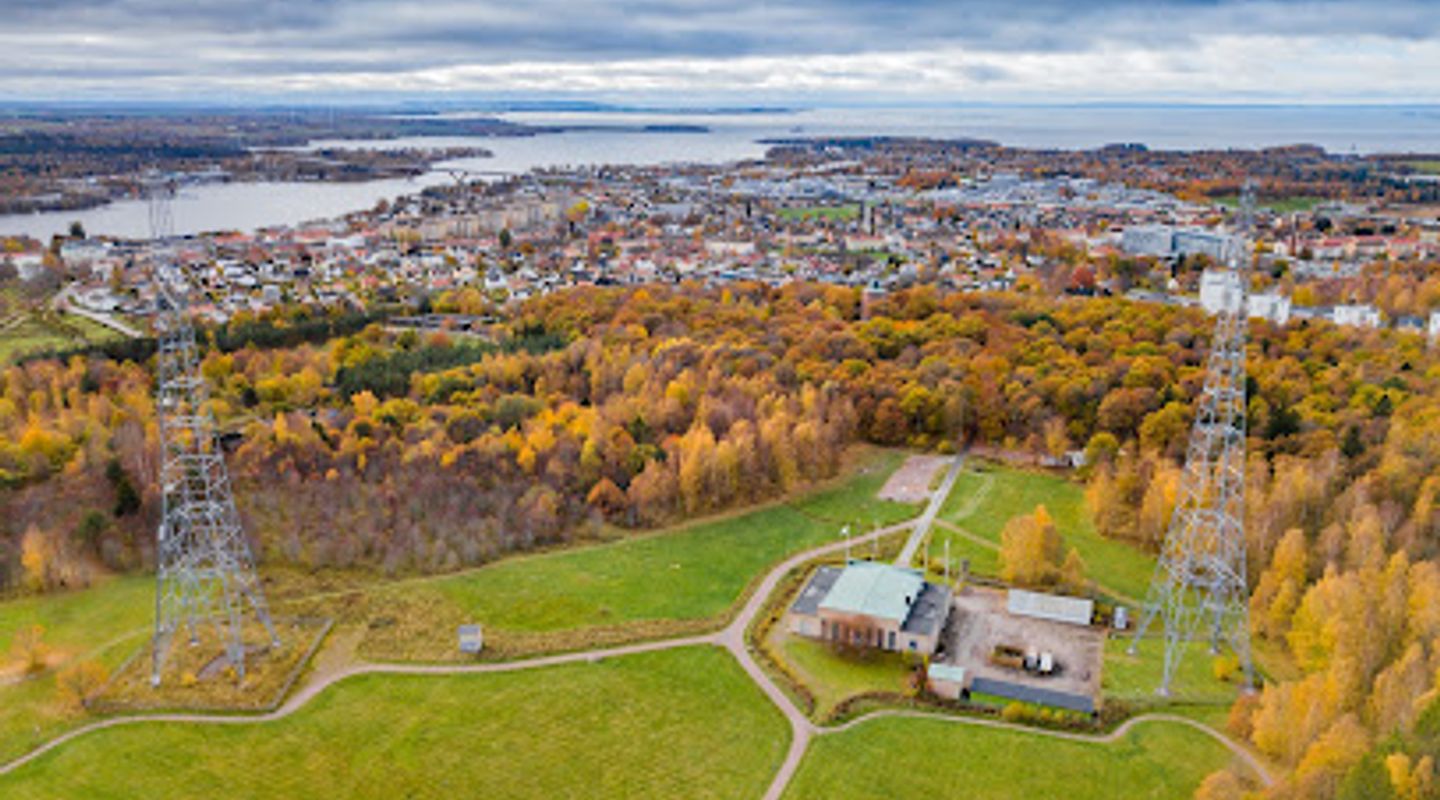
Housed in the historic 1927 broadcasting station in Motala, Sveriges Rundradiomuseum traces the evolution of Swedish radio from its pioneering days. Explore vintage transmitters, receivers, and artifacts that powered the nation's first broadcasts, announced with the iconic 'Stockholm-Motala' call sign. The site's towering antennas stand as enduring symbols of communication innovation amid serene lakeside surroundings. Free admission makes it an accessible dive into 20th-century technology and culture.
A brief summary to Sveriges Rundradiomuseum
- Radiovägen 20, Motala, 591 35, SE
- Click to display
- Click to display
- Duration: 0.5 to 1.5 hours
- Free
-
 Indoor
- Mobile reception: 5 out of 5
- Tuesday 12 pm-4 pm
- Wednesday 12 pm-4 pm
- Thursday 12 pm-4 pm
- Friday 12 pm-4 pm
- Saturday 12 pm-4 pm
- Sunday 12 pm-4 pm

Know before you go
Hi, I'm Eve. Here are a few practical things to know before exploring Sveriges Rundradiomuseum.
- Book guided tower climbs in advance for breathtaking views from 120 meters up, weather permitting.
- Listen for recreated 'Stockholm-Motala' broadcasts to immerse in authentic 1920s-1960s programming.
- Combine with nearby Göta Canal walks for a full day of Motala's industrial and natural heritage.
Do you manage this location?
Take control to get all the benefits, like improved information, better appearance, and stronger visibility across AI-powered discovery. Learn more about listing your business on Evendo
Activate your presenceOther nearby places you may find interesting
The closest places of the same kind, if this one is not quite what you had in mind.
Explore Sveriges Rundradiomuseum on the Map
A handpicked selection of must-see spots near Sveriges Rundradiomuseum, mapped for you.
Getting There
-
Bus
Östgötatrafiken buses from Motala Central Station to Radiovägen stop, 10-15 minutes, every 30 minutes weekdays, fares 30-50 SEK depending on zones.
-
Taxi
Taxi from Motala train station or bus terminal, 5-10 minutes, meter starts at 50 SEK plus 10 SEK/km, Uber app available for upfront pricing.
-
Car
Drive from Motala center via Route 50, 5-7 minutes, free parking available onsite, note limited spaces during peak summer weekends.
-
Walking
From Motala harbor along canal paths, 25-35 minutes on flat paved terrain, suitable for most fitness levels with benches en route.
For the on-the-go comforts that matter to you
-
 Restrooms
-
 Seating Areas
-
 Information Boards
-
 Trash Bins
Discover more about Sveriges Rundradiomuseum
Birth of Swedish Radio in Motala
In 1927, the Bondebacka site in Motala became the heart of Sweden's radio era when the Rundradiostation opened its doors. Funded by the Swedish parliament, this central location was chosen for its strategic position in central Sweden, ideal for nationwide transmissions. The station's powerful longwave signals carried programs from Stockholm, forever etched in Swedish memory with the opening call "Stockholm-Motala." This phrase resonated through homes across the country until 1962, marking Motala as Sweden's broadcasting epicenter.The original building, now protected as a historic structure, retains its authentic atmosphere, evoking the excitement of early wireless communication.Iconic Towers and Technical Legacy
Dominating the skyline, the two 120-meter radio towers remain visible from afar, symbols of Motala's radio heritage. These structures facilitated Sweden's first radio transmissions, bridging urban centers and rural villages with news, music, and entertainment. Inside the museum, visitors encounter the massive transmitters and generators that powered these broadcasts, showcasing engineering feats from the interwar period.Exhibits detail how the station operated from 1927 to the mid-20th century, including low-power longwave transmissions that continued sporadically, preserving the site's active legacy.Exhibits on Radio's Cultural Impact
The museum delves into everyday artifacts: crystal sets, valve radios, and program schedules that shaped Swedish family life. Displays highlight radio's role during pivotal events, from entertainment in the 1930s to wartime information dissemination. Interactive elements recreate the listener's experience, with period furnishings and recreated studios.A dedicated section explores Motala's unique position, often called "our second voice to the world," underscoring its global reach in early broadcasting.Preservation and Modern Significance
Today, the museum safeguards this industrial heritage within a protected building, blending nostalgia with educational insights into media evolution. Artifacts include rare equipment from Sweden's radio pioneers, illustrating technological advancements that paved the way for television and digital media.Surrounded by Lake Vättern's tranquil waters and the Göta Canal, the site offers a peaceful contrast to the dynamic history within, inviting reflection on how voices once traveled these airwaves.Visiting the Transmitter Site
Open daily from noon to 4 PM, the museum welcomes exploration of its compact yet comprehensive collection. Free entry encourages spontaneous visits, with guided tower climbs available by advance booking for those seeking panoramic views from the heights.More to explore near Sveriges Rundradiomuseum













Your all‑in‑one travel companion app
Explore expert travel guides, compare and book tours, experiences, hotels, and more—all from the palm of your hand. Download now for seamless trip planning wherever your wanderlust takes you.


Explore More of Ostergotland
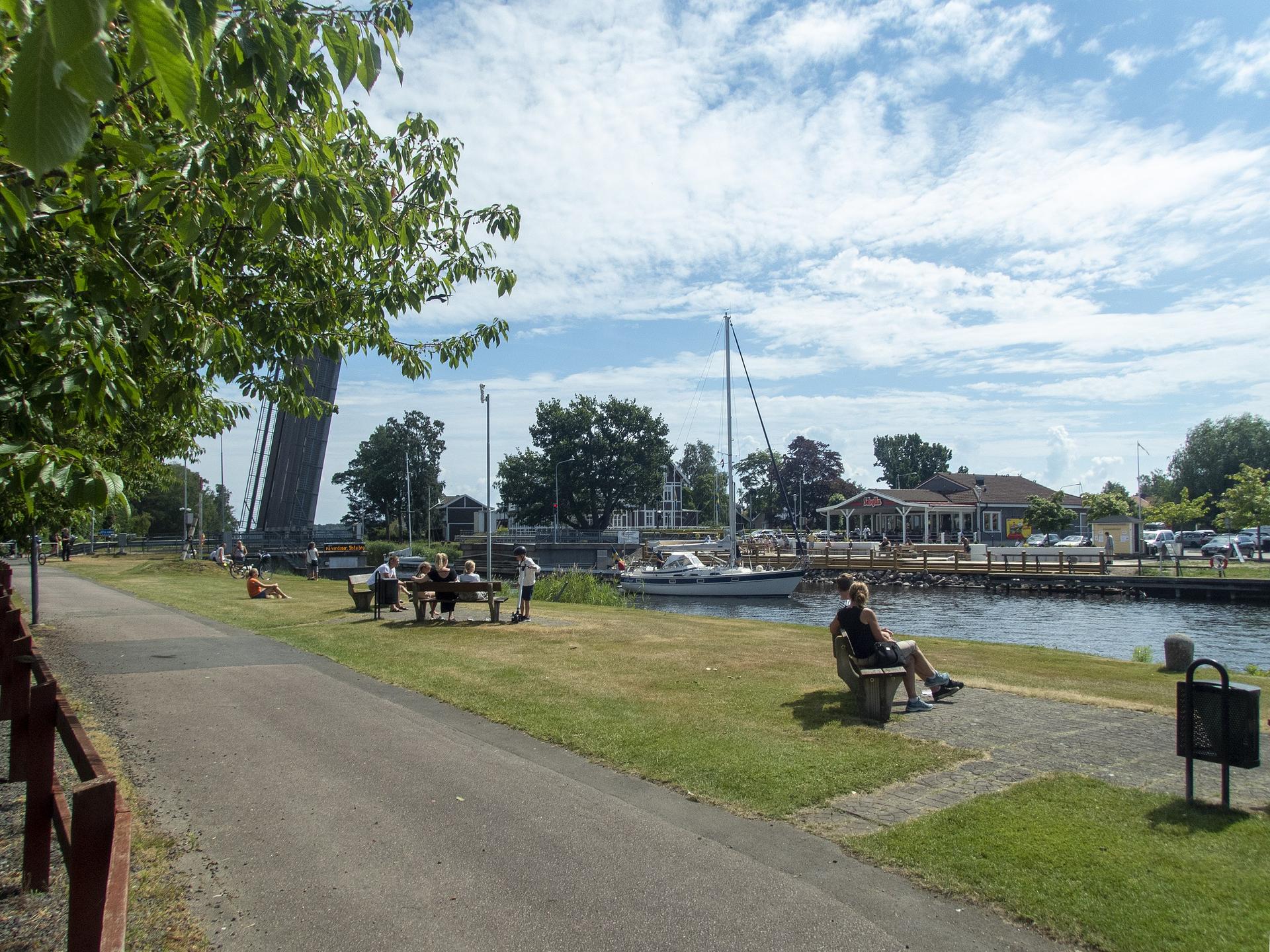
Looking beyond Sveriges Rundradiomuseum? Discover Ostergotland for broader travel guides, local hot-spots, and regional highlights.
Explore Ostergotland
A small, colourful pottery studio near Boxholm where hand-thrown, everyday stoneware meets an intimate maker’s studio atmosphere.
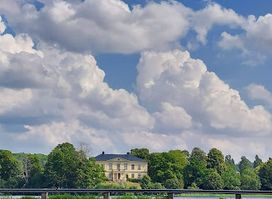
A compact 17th‑century manor on Motala’s waterfront, now a local history museum with intimate period rooms and rotating displays.
