

Ycke Travel Guide
Free Guide: A small, time‑deep remnant of primeval broadleaf forest west of Ulrika — quiet, mossy and rich in veteran trees and deadwood habitats.


A brief summary of Ycke
A small, time‑deep remnant of primeval broadleaf forest west of Ulrika — quiet, mossy and rich in veteran trees and deadwood habitats.
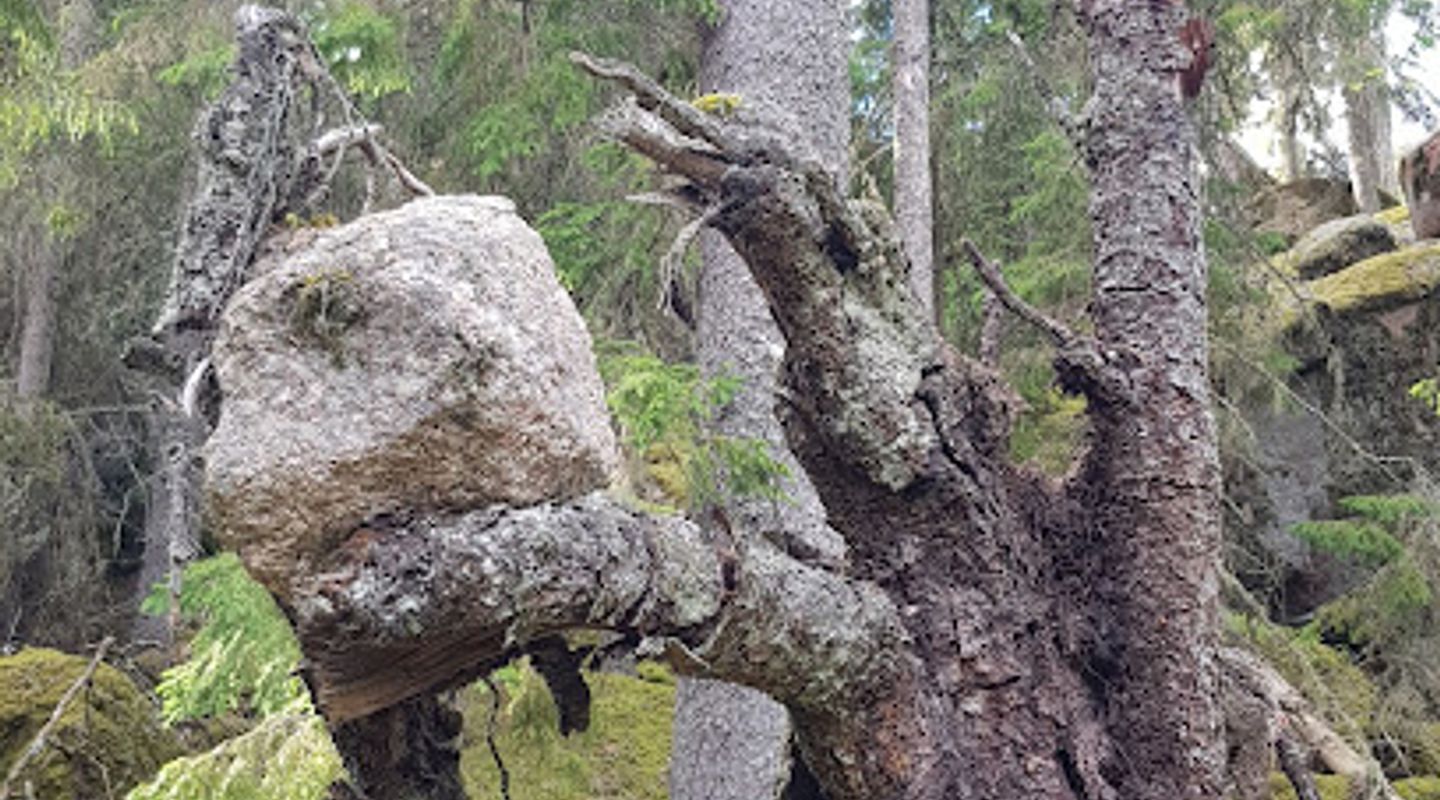
Ycke is a compact, ancient woodland reserve west of Ulrika in Linköping municipality, Östergötland, preserving one of the region’s few remnants of primeval forest. The site is dominated by tall, gnarled broadleaf trees, abundant deadwood and mossy microhabitats that support specialised fungi, lichens and birdlife. Short walking trails and two small parking areas make it an intimate, low-impact visit for nature lovers and photographers.
On-site amenities
 Parking
Opening hours
- Every dayOpen 24 hours
Opening hours as listed on the venue’s Google Business Profile. Hours can change for services and special events, so check with the venue before you go.
- Address
- SV, Linköping
- Website
Getting there
By car
By local bus + walk
On foot from Ulrika
Discover more about Ycke
Ancient woodland preserved
Ycke is a parcel of old-growth beech and mixed broadleaf forest that reads like a natural archive: veteran trunks, multi-stemmed trees and high volumes of standing and fallen deadwood. The reserve preserves structural features that have long since disappeared from managed woods — thick moss carpets, sun-dappled clearings and cavities that host cavity-nesting birds and specialized invertebrates. The atmosphere feels hushed and time-deep, with the forest’s slow processes clearly visible in the layered understory.
Key habitats and natural life
The reserve’s dominant habitats are mature broadleaf stands interspersed with damp hollows and shaded micro-vales where moisture-loving mosses, liverworts and fungi thrive. Because of the reserve’s age and continuity, it supports species typical of primeval woodland: slow-growing lichens on old bark, saproxylic (deadwood-dependent) insects and a scattering of woodland bird species. Seasonal changes are pronounced — a carpet of spring herbs, the green intensity of summer canopy leaves and a sculptural winter silhouette of trunks and branches.
Landscape, size and character
Ycke is modest in scale but rich in vertical structure; the sense of enclosure is strong thanks to high canopies and a multilayered understory. Trails are short and intimate rather than extensive: the reserve rewards unhurried inspection of details rather than long-distance hiking. The ground is uneven in places, with hummocks, root plates and decaying logs that reveal the site’s natural cycle of growth and decay.
Visitor experience and sensory notes
On arrival you’ll notice the forest’s cool hush — sounds are muted under the leaf canopy and the smell of damp earth and decomposing wood is distinct. Light filters through leaves in chiaroscuro patches, and close-up views reveal a miniature world of bracket fungi, beetle bore-holes and delicate foliose lichens. Photographers will find rich macro opportunities; naturalists will appreciate patient, quiet observation around old stumps and cavities.
Management, protection and stewardship
Ycke is managed as a strict nature reserve in the regional system and is intended to preserve natural processes with minimal intervention. Management focuses on protecting continuity of habitat and retaining deadwood, veteran trees and undisturbed soil — elements critical to the reserve’s specialist species. This conservation aim shapes visitor provision: simple access and limited facilities maintain the reserve’s low-impact character.
Practical character and visiting tone
Expect a short, contemplative visit rather than an active day out. The reserve’s small scale and protected status encourage respectful behaviour: keep to existing paths, avoid moving deadwood and allow space for wildlife. The mood here is contemplative and detail-focused — a place to slow down, watch and listen rather than cover distance quickly.
Evendo Review Centre
 Google
Guest reviews
Best time to go
Quietest: Jan, Feb & Dec · before 6am or at 9pm
Busy times are Evendo estimates for a typical year, to help you plan. Actual crowds vary with events, school holidays and the weather.
Explore Ycke on the map
A handpicked selection of must-see spots near Ycke, mapped for you.
Get your free copy of our complete guide to Ycke, delivered straight to you.
Everything on this page, from opening hours and how to get there to Eve’s tips and the best time to go, in one PDF you can read offline, print or share.
Already have an account? Sign in
Your Ycke guide is ready.
We'll send it to · Not you? Sign out

Getting your guide ready…
We are putting together a fresh copy of the Ycke guide. This can take up to a minute.
This can take a few moments. If your browser asks, choose Allow so the download can start. You'll find the guide in your Downloads folder.
Nothing happened? Download it again
Sorry, the guide is taking longer than usual. Please try again in a minute, or get it by email instead.
Other nearby places you may find interesting
The closest places of the same kind, if this one is not quite what you had in mind.
-
-
-
-
-


Swipe for more places
More to explore near Ycke

 Best experiences near Ycke
 Best hotels near Ycke
 Best landmarks near Ycke
 Best attractions near Ycke
 Best shops near Ycke
 Best restaurants near Ycke
 Best bars near Ycke
Do you manage this location?
Take control to get all the benefits, like improved information, better appearance, and stronger visibility across AI-powered discovery.
Explore more

Explore more of Östergötland
Discover Östergötland: A perfect blend of history, nature, and culture in southern Sweden, offering charming towns, lush landscapes, and a rich cultural heritage.
Explore Östergötland
Explore more of Sweden
Discover Sweden's breathtaking landscapes, vibrant cities, and rich cultural heritage. From the Northern Lights to historic castles, experience the essence of Scandinavia.
Explore Sweden
