Bastnäs Travel Guide
Free Guide: A compact, historically rich mining field where a preserved 19th-century hakspel and rare‑earth minerals tell the story of early chemistry and regional mining.


A brief summary of Bastnäs
A compact, historically rich mining field where a preserved 19th-century hakspel and rare‑earth minerals tell the story of early chemistry and regional mining.
Bastnäs is a compact historic mining field west of Skinnskatteberg notable for its 17th–20th century iron and rare-earth extraction, an unusually intact 19th-century hakspel (ore-hauling mechanism) and a landscape peppered with shafts, spoil heaps and mineral-rich outcrops. The site is part of Ekomuseum Bergslagen and is important for the discovery of elements such as cerium and lanthanum as well as several type minerals.
On-site amenities
 Information boards
 Seating areas
 Trash bins
Opening hours
- Every dayOpen 24 hours
Opening hours as listed on the venue’s Google Business Profile. Hours can change for services and special events, so check with the venue before you go.
- Address
- V, Skinnskatteberg
Getting there
Regional bus + walk
Car transfer
Cycle and trail approach
Discover more about Bastnäs
Where iron meets rare earths
Bastnäs sits in pine-dotted terrain that holds layers of industrial history: shallow adits, collapsed shafts and stone-built upcast mounds that mark centuries of extraction. Mining activity here is recorded from the late 1600s and by the 19th century the field yielded not only iron but ores rich in rare-earth elements; mineral specimens from these outcrops were critical to early chemistry and mineralogy. The ground surface is textured with the scars of past workings—low ridges formed by waste rock, trimmed entrances half-hidden by moss, and scattered veins of colorful minerals that catch the light.
A unique 19th-century hakspelet preserved on site
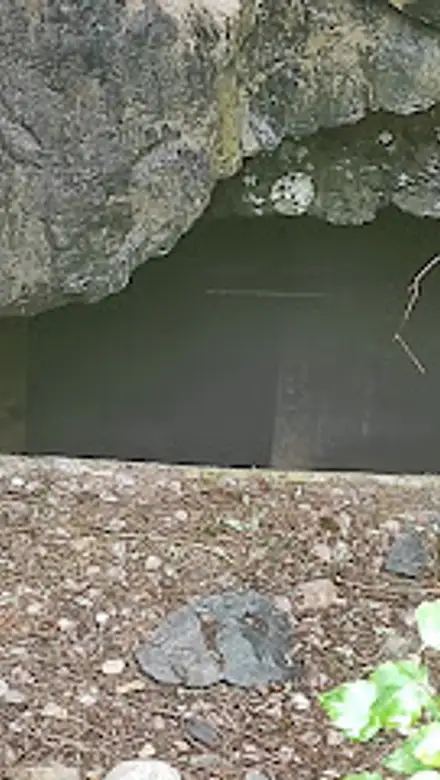
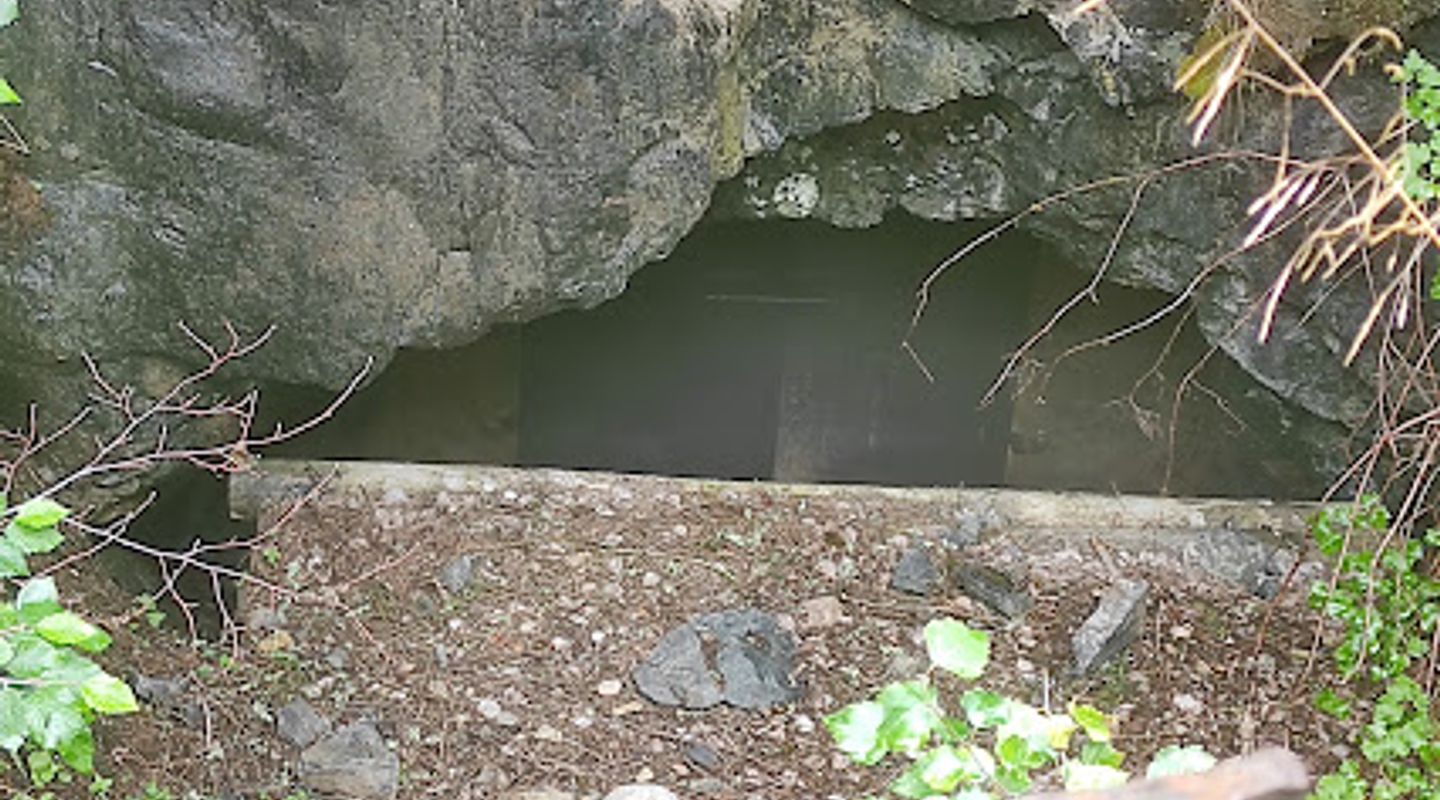
One of Bastnäs’s most striking features is a mid‑19th‑century hakspel housed in its original building: a mechanical ore‑hauling winch driven historically by a long rod system. The small timber and masonry building contains the machinery and fittings that illustrate how ore was wound from pits and tipped into wagons. The assembly retains an authentic, workshop-like atmosphere—creaking timbers, rusted castings and the trace lines of ropes and chains—so the structure reads as both artifact and tool, offering a direct feel for the engineering solutions used in a pre-electrified mining landscape.
Scientific legacy and type minerals
Bastnäs is famously the place where the oxide later named ceria was first isolated in the early 1800s and where lanthanum was identified shortly after; minerals such as bastnäsite and cerite carry the field’s name. For collectors and anyone interested in the history of science, small seams and dumps here are historically important: specimens removed in earlier centuries fed the cabinets and laboratories that shaped modern chemistry. The mineral palette—earthy browns, pale greys and the occasional sparkle of crystalline faces—speaks to the variety beneath these woods.
Landscape & atmosphere
The site’s scale is modest and its character is quiet rather than theatrical. Paths thread between trees, passing pits rimmed by heaped tailings and abandoned buildings that settle into the forest. Seasonal light alters the personality of Bastnäs: low winter sun outlines shafts and skeletons of machinery, while summer birch foliage softens edges and reveals only parts of the ruined industrial plan. Birdsong, the clack of your boots on boardwalks and the distant hush of wind through pines are the sounds that accompany exploration.
What to look for on a first visit
Notice the construction details of the hakspel’s building—traditional joinery, worn timbers and the layout of the winch floor. Inspect spoil heaps for the small, distinctive mineral fragments that made this site globally noteworthy. Stone markers and interpretive panels placed at key points help place individual features in historical context. Although the field is compact, the density of visible historic features rewards a slow, attentive walk.
Conservation and present‑day interpretation
Bastnäs is managed as part of a wider regional industrial heritage network and is treated as both a nature place and a cultural landscape. Structural remains are preserved in situ and selective stabilization has been undertaken to keep machinery and buildings legible. The site encourages observation rather than collection: many of the scientifically valuable specimens were removed in earlier centuries and contemporary conservation prioritizes in‑place interpretation and the careful protection of fragile features.
Evendo Review Centre
 Google
Guest reviews
Best time to go
Quietest: Jan, Feb & Dec · before 7am or from 7pm
Busy times are Evendo estimates for a typical year, to help you plan. Actual crowds vary with events, school holidays and the weather.
Explore Bastnäs on the map
A handpicked selection of must-see spots near Bastnäs, mapped for you.
Get your free copy of our complete guide to Bastnäs, delivered straight to you.
Everything on this page, from opening hours and how to get there to Eve’s tips and the best time to go, in one PDF you can read offline, print or share.
Already have an account? Sign in
Your Bastnäs guide is ready.
We'll send it to · Not you? Sign out

Getting your guide ready…
We are putting together a fresh copy of the Bastnäs guide. This can take up to a minute.
This can take a few moments. If your browser asks, choose Allow so the download can start. You'll find the guide in your Downloads folder.
Nothing happened? Download it again
Sorry, the guide is taking longer than usual. Please try again in a minute, or get it by email instead.
Other nearby places you may find interesting
The closest places of the same kind, if this one is not quite what you had in mind.
-
-
-
-
-


Swipe for more places
More to explore near Bastnäs

 Best experiences near Bastnäs
 Best hotels near Bastnäs
 Best landmarks near Bastnäs
 Best attractions near Bastnäs
 Best shops near Bastnäs
 Best restaurants near Bastnäs
 Best bars near Bastnäs
Do you manage this location?
Take control to get all the benefits, like improved information, better appearance, and stronger visibility across AI-powered discovery.
Explore more

Explore more of Småland
Experience the natural beauty, rich history, and cultural charm of Småland, a picturesque region in southern Sweden perfect for outdoor adventures and family-friendly activities.
Explore Småland
Explore more of Sweden
Discover Sweden's breathtaking landscapes, vibrant cities, and rich cultural heritage. From the Northern Lights to historic castles, experience the essence of Scandinavia.
Explore Sweden