Engelbrektsholmen Travel Guide
Free Guide: A low lakeside promontory in Hjälmaren where medieval revolt and a 19th‑century memorial meet the open Närke landscape.


A brief summary of Engelbrektsholmen
A low lakeside promontory in Hjälmaren where medieval revolt and a 19th‑century memorial meet the open Närke landscape.
A small promontory in Hjälmaren near Göksholm in Stora Mellösa, Engelbrektsholmen marks the traditional site where 15th‑century rebel leader Engelbrekt Engelbrektsson was murdered in 1436. The place is quiet and rural, dominated by flat lake vistas, a 19th‑century cast‑iron memorial and a sense of layered history that ties local landscape to one of Sweden’s medieval turning points.
On-site amenities
 Seating areas
 Information boards
Opening hours
- Every dayOpen 24 hours
Opening hours as listed on the venue’s Google Business Profile. Hours can change for services and special events, so check with the venue before you go.
- Address
- 715 92 Stora Mellösa
Getting there
By car
Local bus + short walk
Bicycle
Discover more about Engelbrektsholmen
A fragment of medieval Sweden set into the lake
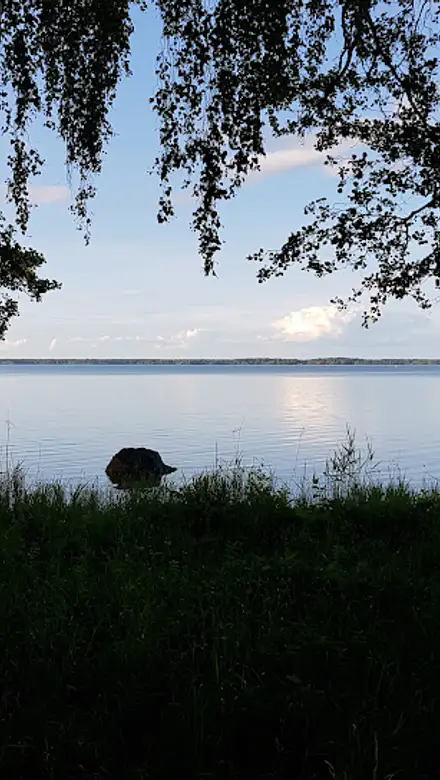
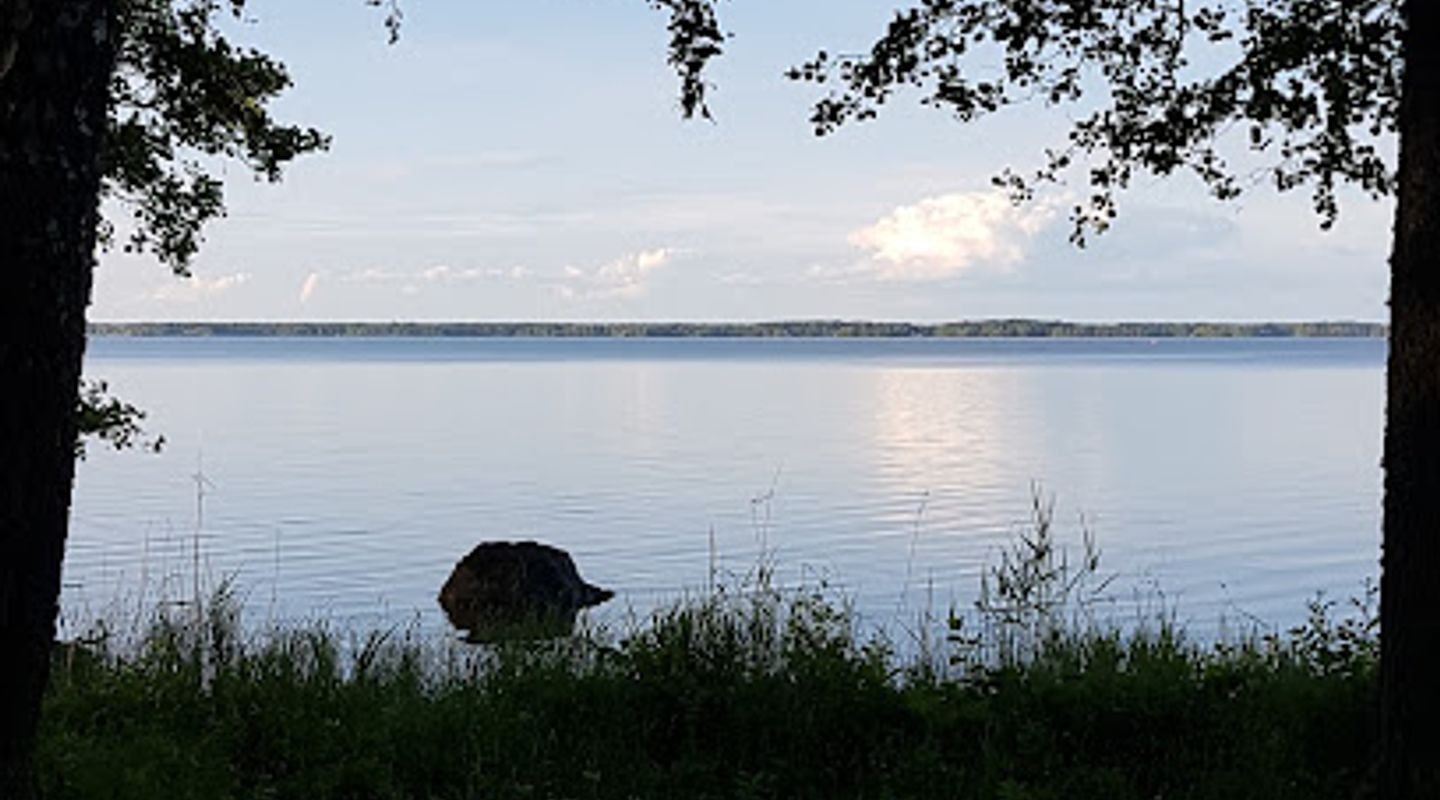
Engelbrektsholmen is a low spit of land projecting into the shallow waters of Hjälmaren, now connected to the neighbouring Göksholmslandet by changes in water level and landform. Its open fields and reed-edged shoreline give a spare, unadorned character: wide sky, flat water, and long sightlines across the lake that feel quintessentially Närke. The site reads as a landscape rather than a monument; its significance comes from what happened here rather than grand architecture.
The story that lives in the place
The location is known chiefly as the traditional spot where Engelbrekt Engelbrektsson, leader of the 1430s uprising, was killed in spring 1436. Later historians debate some details of date and circumstance, but the name Engelbrektsholmen and the island’s association with that event have been recorded on local maps for centuries. In 1818 a cast‑iron memorial was erected here; earlier accounts also describe a former iron cross or marker on the spot, evidence of long local remembrance.
How the site feels today
Today the promontory is quietly pastoral. Vegetation is simple—grasses, reeds and small scrub—while the shore attracts waterbirds in season and casts low reflections when the lake is calm. There are few built elements beyond the memorial and occasional boundary stones; the human imprint is restrained, allowing the setting to feel archaeological in atmosphere rather than museum‑like. Weather changes quickly over the low lake, so light and sound vary across short visits.
Notable traces and material culture
The 1818 cast‑iron monument is the most visible human artefact on the spot, bearing a commemorative inscription that links the place to national memory. Old maps (some dating to the 17th century) mark the holme by name, and local records and parish histories preserve accounts and debate around the event. The combination of memorial object and mapped identity gives the site its enduring presence in the cultural landscape.
Visiting with respect for history
Visiting Engelbrektsholmen is an exercise in quiet attention: reading the plaque, watching seasonal birdlife, and imagining the 15th‑century scene against the stillness of the lake. The place rewards patient observation rather than structured interpretation—small details (a weathered stone, a reed bed, a shifting shoreline) build a sense of continuity between past and present. The site’s modest scale and rural surroundings encourage slow, reflective visits.
Local significance beyond the single event
While the murder is the defining historical claim, Engelbrektsholmen also functions as a marker in the wider landscape of Göksholm and Stora Mellösa: a named point on old maps, a touchstone in regional memory, and a modest focal point for local historical storytelling. Its importance comes from the layering of map, monument and memory within an otherwise open lakescape, making it a quietly resonant place for those interested in medieval Swedish history.
Evendo Review Centre
 Google
Guest reviews
Best time to go
Quietest: Jan, Feb & Nov · before 7am or at 8pm
Busy times are Evendo estimates for a typical year, to help you plan. Actual crowds vary with events, school holidays and the weather.
Explore Engelbrektsholmen on the map
A handpicked selection of must-see spots near Engelbrektsholmen, mapped for you.
Get your free copy of our complete guide to Engelbrektsholmen, delivered straight to you.
Everything on this page, from opening hours and how to get there to Eve’s tips and the best time to go, in one PDF you can read offline, print or share.
Already have an account? Sign in
Your Engelbrektsholmen guide is ready.
We'll send it to · Not you? Sign out

Getting your guide ready…
We are putting together a fresh copy of the Engelbrektsholmen guide. This can take up to a minute.
This can take a few moments. If your browser asks, choose Allow so the download can start. You'll find the guide in your Downloads folder.
Nothing happened? Download it again
Sorry, the guide is taking longer than usual. Please try again in a minute, or get it by email instead.
Other nearby places you may find interesting
The closest places of the same kind, if this one is not quite what you had in mind.
-
-
-
-
-


Swipe for more places
More to explore near Engelbrektsholmen

 Best experiences near Engelbrektsholmen
 Best hotels near Engelbrektsholmen
 Best landmarks near Engelbrektsholmen
 Best attractions near Engelbrektsholmen
 Best shops near Engelbrektsholmen
 Best restaurants near Engelbrektsholmen
 Best bars near Engelbrektsholmen
Do you manage this location?
Take control to get all the benefits, like improved information, better appearance, and stronger visibility across AI-powered discovery.
Explore more

Explore more of Småland
Experience the natural beauty, rich history, and cultural charm of Småland, a picturesque region in southern Sweden perfect for outdoor adventures and family-friendly activities.
Explore Småland
Explore more of Sweden
Discover Sweden's breathtaking landscapes, vibrant cities, and rich cultural heritage. From the Northern Lights to historic castles, experience the essence of Scandinavia.
Explore Sweden