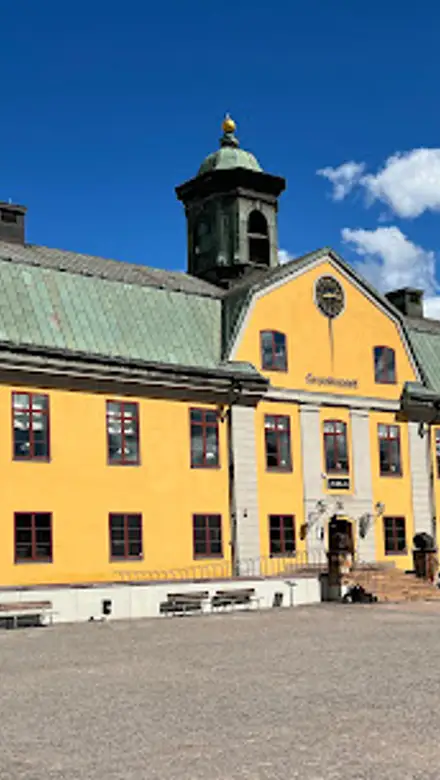
Falu Mine Travel Guide
Free Guide: Descend into Sweden's ancient copper heart: UNESCO-listed Falun Mine, birthplace of a nation's fortune and Falun Red legacy.


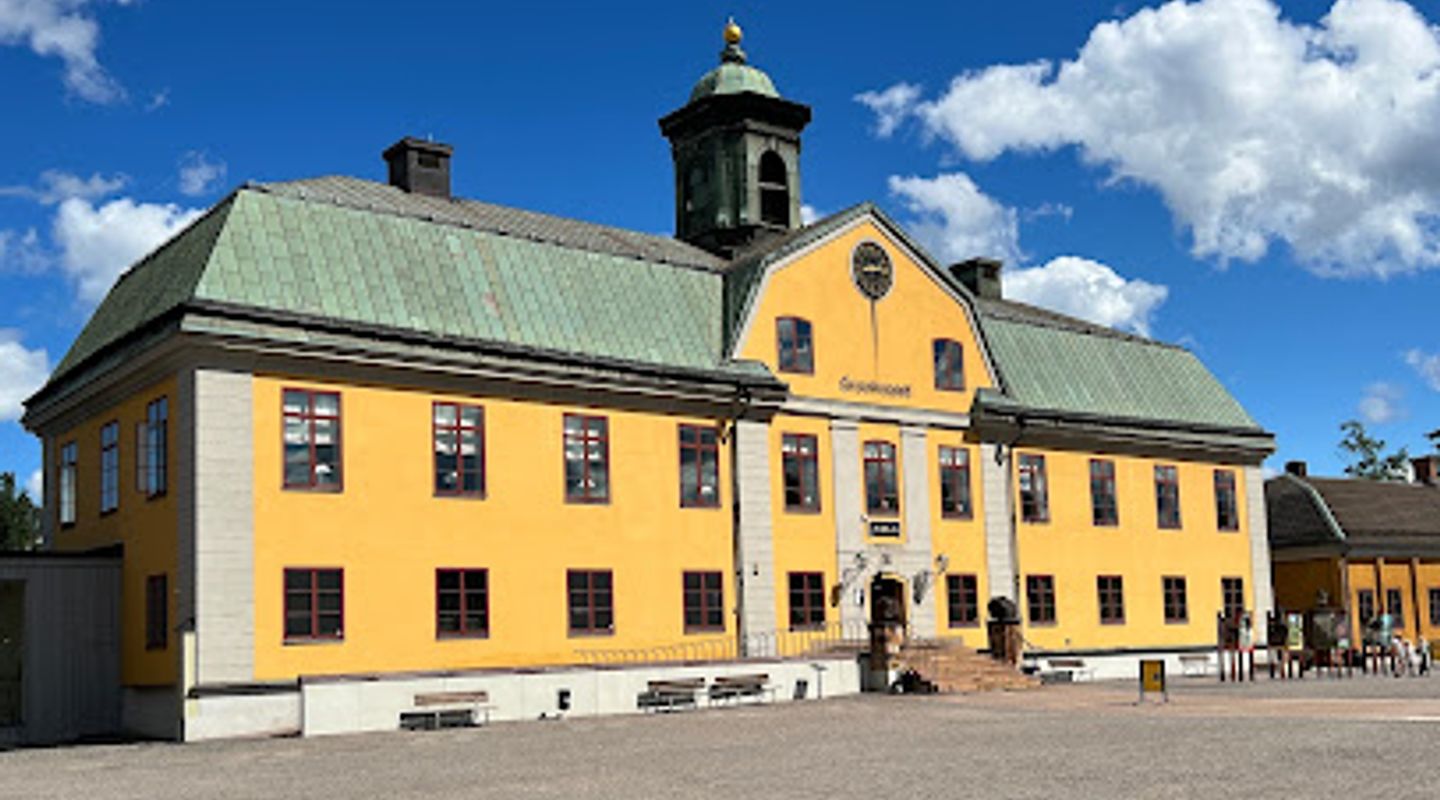
A brief summary of Falu Mine
Descend into Sweden's ancient copper heart: UNESCO-listed Falun Mine, birthplace of a nation's fortune and Falun Red legacy.
Delve into the heart of Falun Mine, a UNESCO World Heritage Site that powered Sweden's rise as a European power. This millennium-old copper mine features the dramatic Great Pit, underground galleries, and remnants of industrial ingenuity, offering a vivid glimpse into mining history from the 10th century to 1992.
On-site amenities
 Restrooms
 Drink options
 Food options
 Seating areas
 Sheltered areas
 Information boards
 Visitor centre
Opening hours
- Every day10 am–4 pm
Opening hours as listed on the venue’s Google Business Profile. Hours can change for services and special events, so check with the venue before you go.
- Address
- Gruvgatan 1, 791 61 Falun
- Phone
- Website
Getting there
Bus
Taxi
Car
Walking
Discover more about Falu Mine
Genesis of a Copper Empire
Mining at Falun likely began around the year 1000, with local farmers gathering ore from bogs and later excavating galleries by lighting underground fires. By 1288, records confirm Kopparberget as a profitable operation, its copper fueling Sweden's transformation into a modern state. At its 17th-century peak, the mine supplied two-thirds of Europe's copper, funding wars and grand projects like the Palace of Versailles roofs.The site's enduring legacy stems from this raw extraction evolving into a sophisticated industry, blending human labor with imported German techniques for fire-setting and drainage.
The Catastrophic Great Pit
On June 25, 1687—Midsummer's Eve—a massive collapse merged shafts into the enormous Great Pit, now a striking red gorge over 100 meters deep. Remarkably, no lives were lost as miners celebrated the holiday. This landmark dominates the landscape, edged by functional buildings like wheelhouses with huge water wheels that powered ore hauling.Surrounding slag hills, such as Hyttberget, offer panoramic views of the pit, village, woodlands, and lakes, encapsulating centuries of excavation.
Underground Realms and Miners' Trials
Descend 67 meters into preserved galleries and chambers hand-carved over centuries. Naturalist Carl Linnaeus described the environment as 'horrible as hell itself,' with soot, darkness, corrosive vitriol, drips, smoke, heat, and dust enveloping workers climbing rickety ladders.Miners endured overnight fires to soften rock, advancing one meter monthly amid risks of flooding and cave-ins. Bells on pumps signaled failures, while children sorted ore from gravel.
Beyond Copper: Treasures and Traditions
The mine yielded zinc, lead, gold, silver—and iron ochre for iconic Falun Red paint adorning Scandinavian homes. In 1881, gold sparked a rush, producing five tonnes total. Salaries came as massive 19.7 kg copper slabs, transported by sleds.Legends persist: a white goat led farmers to ore in the 8th century; Fet-Mats' body, preserved 42 years post-collapse, was displayed until 1930.
UNESCO Legacy and Industrial Landscape
Designated in 2001, the site spans the mine, 17th-century Falun town with miners' cottages, and Bergsmansbygden estates reflecting miners' wealth. Canals, moats, head frames, and winch houses illustrate pre-industrial and modern eras, from steam drills to electric lights.This cultural landscape testifies to Falun's global influence on mining technology for two centuries.
Evendo Review Centre
 Google
Guest reviews
Best time to go
Quietest: Jan, Feb & Dec · before 8am or from 6pm
Busy times are Evendo estimates for a typical year, to help you plan. Actual crowds vary with events, school holidays and the weather.
Explore Falu Mine on the map
A handpicked selection of must-see spots near Falu Mine, mapped for you.
Get your free copy of our complete guide to Falu Mine, delivered straight to you.
Everything on this page, from opening hours and how to get there to Eve’s tips and the best time to go, in one PDF you can read offline, print or share.
Already have an account? Sign in
Your Falu Mine guide is ready.
We'll send it to · Not you? Sign out

Getting your guide ready…
We are putting together a fresh copy of the Falu Mine guide. This can take up to a minute.
This can take a few moments. If your browser asks, choose Allow so the download can start. You'll find the guide in your Downloads folder.
Nothing happened? Download it again
Sorry, the guide is taking longer than usual. Please try again in a minute, or get it by email instead.
Other nearby places you may find interesting
The closest places of the same kind, if this one is not quite what you had in mind.
-
-
-
-
-


Swipe for more places
More to explore near Falu Mine

 Best experiences near Falu Mine
 Best hotels near Falu Mine
 Best landmarks near Falu Mine
 Best attractions near Falu Mine
 Best shops near Falu Mine
 Best restaurants near Falu Mine
 Best bars near Falu Mine
Do you manage this location?
Take control to get all the benefits, like improved information, better appearance, and stronger visibility across AI-powered discovery.
Explore more

Explore more of Småland
Experience the natural beauty, rich history, and cultural charm of Småland, a picturesque region in southern Sweden perfect for outdoor adventures and family-friendly activities.
Explore Småland
Explore more of Sweden
Discover Sweden's breathtaking landscapes, vibrant cities, and rich cultural heritage. From the Northern Lights to historic castles, experience the essence of Scandinavia.
Explore Sweden