Gammelgården, Smaland Travel Guide
Discover Sweden's first industrial open-air museum: a 16th-century bergsmansgård meets pioneering mining relics in Ludvika's historic heart.
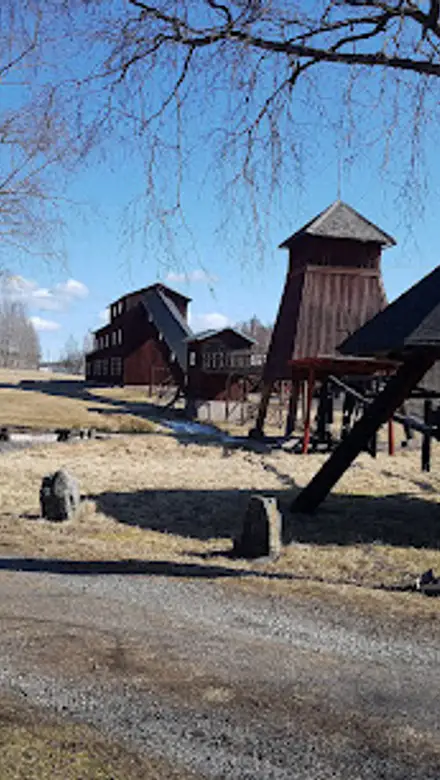
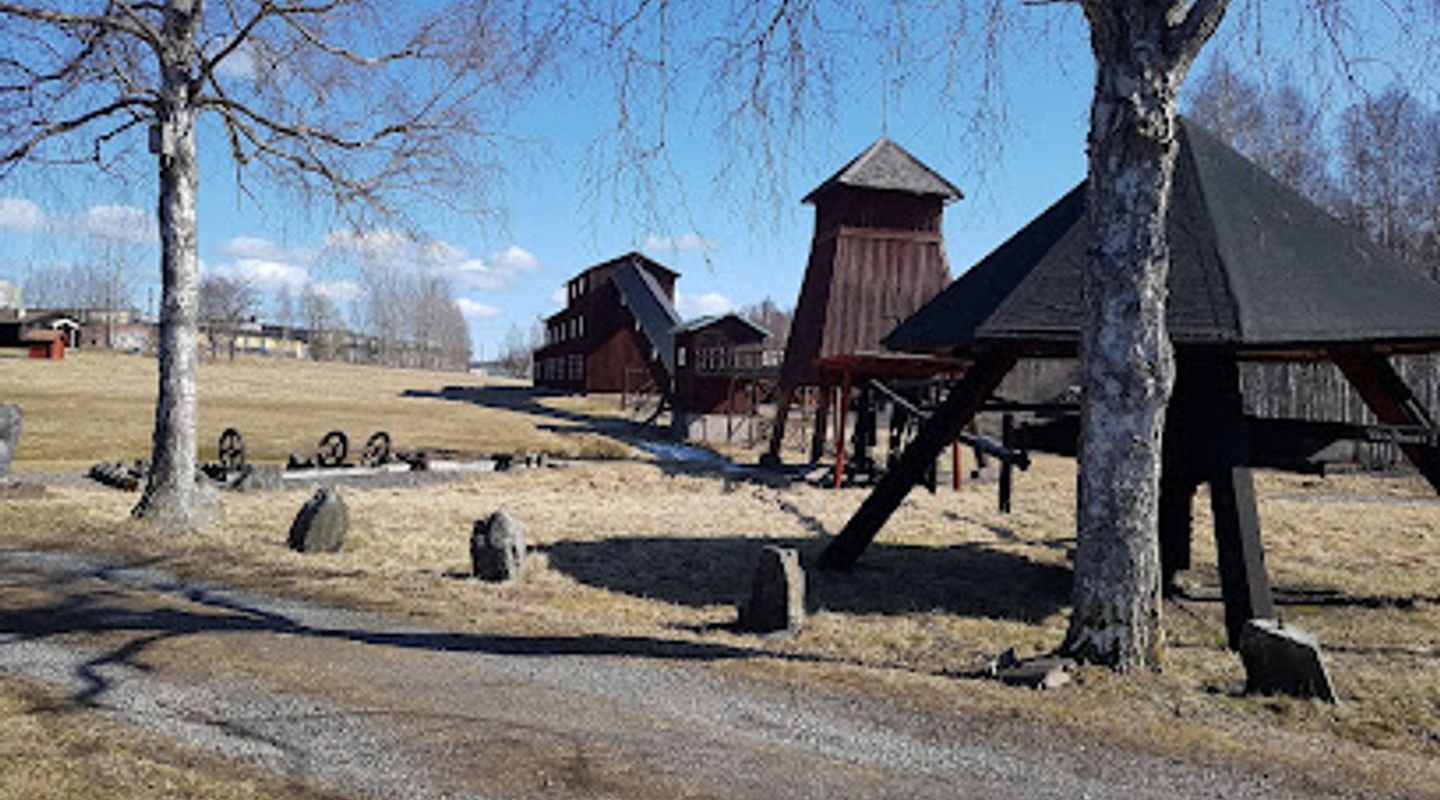
Gammelgården in Ludvika is Sweden's pioneering open-air museum of industrial heritage, blending a 16th-century bergsmansgård homestead with a comprehensive mining museum. Founded in the 1920s by author Karl-Erik Forsslund, it preserves the Bergslagen region's mining history through authentic buildings, machinery, and tools. Free entry year-round offers self-guided exploration of rustic farm life and innovative 19th-20th century mining tech, including a massive water-wheel and ore-dressing plant. Summer brings open buildings, a café, herb garden, and events like flea markets.
A brief summary to Gammelgården
- Verkstadsvägen 4A, Ludvika, 771 53, SE
- Click to display
- Duration: 1 to 2.5 hours
- Free
-
 Outdoor
- Mobile reception: 5 out of 5

Know before you go
Hi, I'm Eve. Here are a few practical things to know before exploring Gammelgården.
- Visit in summer for open buildings, café, and herb garden; interiors are locked off-season.
- Explore both sides of the railway: farmstead on one, mining exhibits on the other.
- Check for Saturday flea markets May-September, one of Dalarna's largest with 200+ stalls.
- Book guided tours via Ludvika Hembygdsförening for deeper insights into mining tech.
- Combine with nearby Ekomuseum sites for a full Bergslagen industrial trail.
Do you manage this location?
Take control to get all the benefits, like improved information, better appearance, and stronger visibility across AI-powered discovery. Learn more about listing your business on Evendo
Activate your presenceOther nearby places you may find interesting
The closest places of the same kind, if this one is not quite what you had in mind.


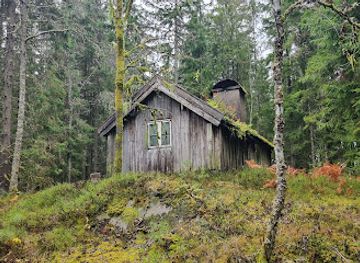
Explore Gammelgården on the Map
A handpicked selection of must-see spots near Gammelgården, mapped for you.
Getting There
-
Bus
Länstrafik Dalarna bus from Ludvika Centrum to Verkstadsvägen stop, 10-15 minutes, frequent weekdays, SEK 30-40 single ticket; flat terrain walk from stop.
-
Walking
From Ludvika train station, 25-35 minute paved sidewalk route along Verkstadsvägen, easy access but exposed to weather; no steep inclines.
-
Car
Drive from Ludvika center via Route 70 and Verkstadsvägen, 5-10 minutes, free roadside parking nearby; limited spots during summer events.
-
Taxi
Taxi from Ludvika station or center, 8-12 minutes, SEK 150-250 depending on service; available on demand, suitable for groups.
For the on-the-go comforts that matter to you
-
 Restrooms
-
 Drink Options
-
 Food Options
-
 Seating Areas
-
 Trash Bins
-
 Information Boards
Discover more about Gammelgården
Origins of a Mining Legacy
Gammelgården traces its roots to the 16th century as a bergsmansgård, a self-sufficient homestead where iron miners combined farming, forestry, and ore extraction. Built near Ludvika ström, this estate embodied the Bergslagen region's iron industry, vital to Sweden's economic rise. In the 1920s, author and preservationist Karl-Erik Forsslund acquired the site for the local heritage association, transforming it into a living museum that captures the interplay of rural life and industrial ambition.Forsslund's Vision Takes Shape
Forsslund, aided by engineer Gustav Björkman, expanded the site by salvaging artifacts from abandoned mines just before their demolition. This effort culminated in the 1938 opening of the Ludvika Mining Museum, recognized as the world's first open-air museum dedicated to industrial history. Divided by the railway, Gammelgården juxtaposes the quaint farmstead with gritty mining exhibits, offering a miniature Skansen without animals but brimming with mechanical ingenuity.Mechanical Marvels of the Mines
Wander among towering relics like the stånggång, a wooden rod system powered by a 15-meter water-wheel to drive drainage pumps. Horizontal ship's wheels direct power via reciprocating rods, showcasing pre-electric ingenuity. Timber pitheads, wooden ore skips, and sheds filled with hand-drilling tools evoke the labor-intensive era before compressed air revolutionized 20th-century mining.From Ore to Iron: Processing Power
The largest building houses an ore-dressing plant, where low-grade ore was crushed into concentrate. Exhibits detail pneumatic drills, loading machines, underground wagons, and engines that transformed extraction. Adjacent displays on ironworks and steel production highlight Bergslagen's role in Sweden's metallurgical heritage, with every gear and pulley telling stories of human endurance and innovation.Homestead Heart and Seasonal Charms
The bergsmansgård itself boasts preserved 16th-century interiors, outbuildings, a herb garden, and wandering chickens, immersing visitors in daily pioneer life. Open year-round with free access, summer unlocks interiors, a café, and lively events like the massive Ludvika Loppmarknad flea market. Midsummer celebrations add cultural vibrancy to this cherished local haven.Enduring Echoes of Bergslagen
Straddling eras, Gammelgården preserves not just objects but the spirit of a region where miners were farmers, and water powered empires. Self-guided paths invite quiet reflection on industrial dawn, while guided tours reveal hidden anecdotes. This unassuming site stands as a testament to foresight, ensuring Ludvika's mechanical past endures amid modern surroundings.












Your all‑in‑one travel companion app
Explore expert travel guides, compare and book tours, experiences, hotels, and more—all from the palm of your hand. Download now for seamless trip planning wherever your wanderlust takes you.


Explore More of Smaland
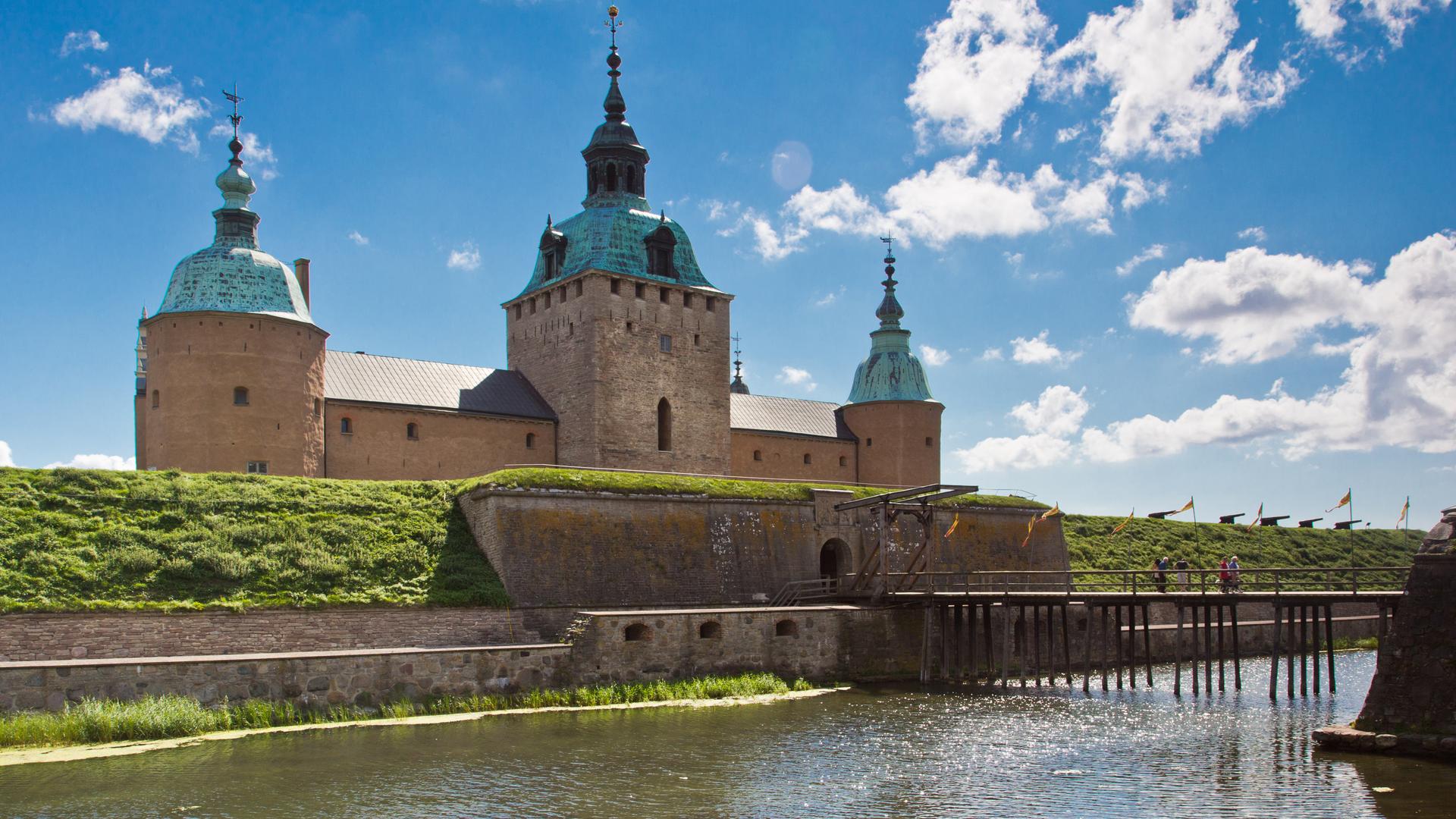
Looking beyond Gammelgården? Discover Smaland for broader travel guides, local hot-spots, and regional highlights.
Explore Smaland
Discover Trolldalen's troll-haunted glacial valley in Dalarna, where Ice Age ravines, lush flora, and hiking trails weave nature's magic into every step.

Explore the world's largest ecomuseum: 750 km² of Sweden's iron heritage, from ancient mines to UNESCO ironworks and forest trails.