

Haga Ocean Travel Guide
Free Guide: A warm glasshouse of butterflies, tropical plants and a dramatic ocean wing—intimate nature encounters in Hagaparken.


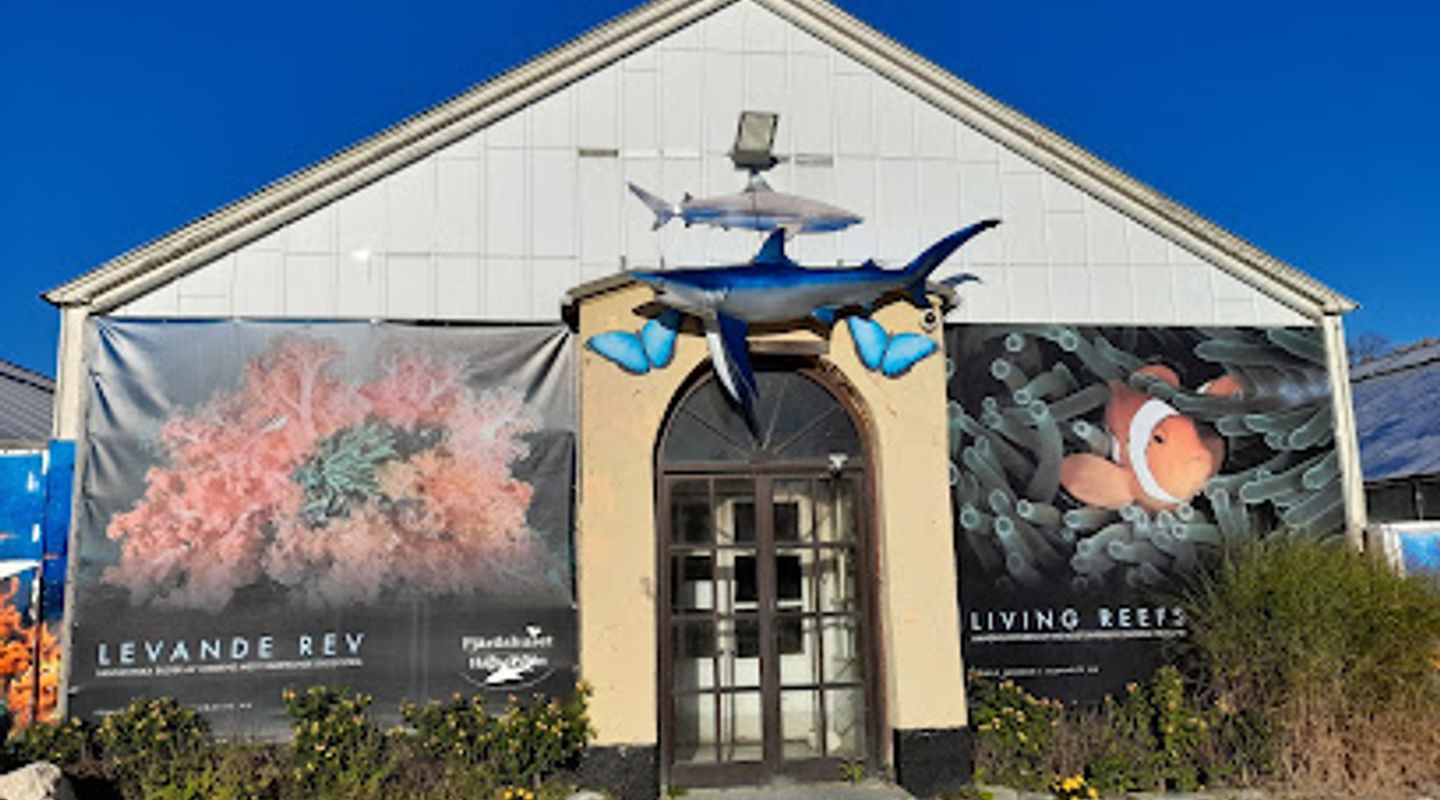
A brief summary of Haga Ocean
A warm glasshouse of butterflies, tropical plants and a dramatic ocean wing—intimate nature encounters in Hagaparken.
Fjärilshuset Haga Ocean is a leafy, climate-controlled conservatory and aquarium set within Hagaparken in Solna, north of central Stockholm. Inside a Victorian-style glasshouse you’ll find free-flying tropical butterflies among lush plants, alongside terrariums for reptiles and amphibians, and a dramatic ocean wing with coral displays, a large shark tank and touchpoints that bring marine life close. The attraction blends horticulture, wildlife exhibits and an on-site café and shop for a relaxed family visit.
On-site amenities
 Restrooms
 Drink options
 Food options
 Seating areas
 Trash bins
 Information boards
 Visitor centre
Opening hours
- Every day10 am–4 pm
Opening hours as listed on the venue’s Google Business Profile. Hours can change for services and special events, so check with the venue before you go.
- Address
- Hagalund, 169 70 Solna
- Phone
- Website
Getting there
Public bus and short walk
Metro plus bus
Car
Discover more about Haga Ocean
Glasshouse origins and tropical atmosphere
Fjärilshuset Haga Ocean occupies historic conservatory buildings at the northern edge of Hagaparken, where glass and iron let in warm light that sustains a mosaic of tropical plants and flowers. The structure’s warm, humid interior creates a permanent summer: palms, bromeliads and nectar-rich blossoms frame winding paths and landing spots where butterflies wheel and rest. The effect is immersive—plant scents, fluttering wings and a humid breath of air that contrasts with Stockholm’s seasonal climates.
Butterflies, life cycles and delicate encounters
The butterfly wing is curated for close observation of insect behaviour and metamorphosis. Pupae hang from display branches; chrysalises sometimes reveal the slow cracking of a shell and the careful unfurling of a new wing. Dozens of species share the space with trained planting designed to encourage feeding and courtship displays, giving visitors a rare chance to watch life-cycle stages rather than distant specimens behind glass.
From rainforest floor to reef tank: diversity of exhibits
Beyond the butterfly house, the complex widens into themed enclosures. Terrariums house giant tortoises, iguanas and axolotls in planted microhabitats; small vivaria display poison-dart frogs and other vividly coloured amphibians. The marine section—known locally as the Ocean—centres on a long reef-style tank housing reef fish, rays and smaller sharks; underwater viewing windows and feeding demonstrations emphasise behaviour and anatomy rather than spectacle.
Design, educational focus and conservation notes
Exhibit design favours botanical authenticity and clear interpretation: signage explains species’ origins, diets and ecological roles, and scheduled presentations highlight conservation issues affecting coral reefs and tropical forests. The institution operates as both public attraction and educational facility, combining live-animal husbandry with outreach aimed at fostering curiosity about delicate ecosystems and responsible stewardship.
Visitor facilities and sensory details
Facilities are compact and visitor-friendly: a café adjoining the conservatory offers warm drinks and light meals, while a small shop stocks guidebooks, souvenirs and nature-themed gifts. Inside you’ll notice humid air on your skin, the sudden hush as wings pass overhead, the occasional distant gurgle from filtration systems and the muted blue-green glow from subsurface tanks—an atmosphere that rewards slow exploration and quiet attention.
Character and seasonal rhythm
Although its interior climate is constant, Fjärilshuset’s programme and opening rhythms shift with the year: warmer months sometimes bring extended hours and extra activities, while autumn and winter schedules concentrate presentations and indoor learning. The site’s blend of horticulture, aquaria and animal exhibits gives it a layered character—part botanical conservatory, part small zoological collection and part living classroom—making it a calm, sensory-rich stop within the park landscape.
Evendo Review Centre
 Google
Guest reviews
Best time to go
Quietest: Jan, Feb & Nov · before 8am or from 8pm
Busy times are Evendo estimates for a typical year, to help you plan. Actual crowds vary with events, school holidays and the weather.
Explore Haga Ocean on the map
A handpicked selection of must-see spots near Haga Ocean, mapped for you.
Get your free copy of our complete guide to Haga Ocean, delivered straight to you.
Everything on this page, from opening hours and how to get there to Eve’s tips and the best time to go, in one PDF you can read offline, print or share.
Already have an account? Sign in
Your Haga Ocean guide is ready.
We'll send it to · Not you? Sign out

Getting your guide ready…
We are putting together a fresh copy of the Haga Ocean guide. This can take up to a minute.
This can take a few moments. If your browser asks, choose Allow so the download can start. You'll find the guide in your Downloads folder.
Nothing happened? Download it again
Sorry, the guide is taking longer than usual. Please try again in a minute, or get it by email instead.
Other nearby places you may find interesting
The closest places of the same kind, if this one is not quite what you had in mind.
-
-
-
-
-


Swipe for more places
More to explore near Haga Ocean

 Best experiences near Haga Ocean
 Best hotels near Haga Ocean
 Best landmarks near Haga Ocean
 Best attractions near Haga Ocean
 Best shops near Haga Ocean
 Best restaurants near Haga Ocean
 Best bars near Haga Ocean
Do you manage this location?
Take control to get all the benefits, like improved information, better appearance, and stronger visibility across AI-powered discovery.
Explore more

Explore more of Småland
Experience the natural beauty, rich history, and cultural charm of Småland, a picturesque region in southern Sweden perfect for outdoor adventures and family-friendly activities.
Explore Småland
Explore more of Sweden
Discover Sweden's breathtaking landscapes, vibrant cities, and rich cultural heritage. From the Northern Lights to historic castles, experience the essence of Scandinavia.
Explore Sweden
