
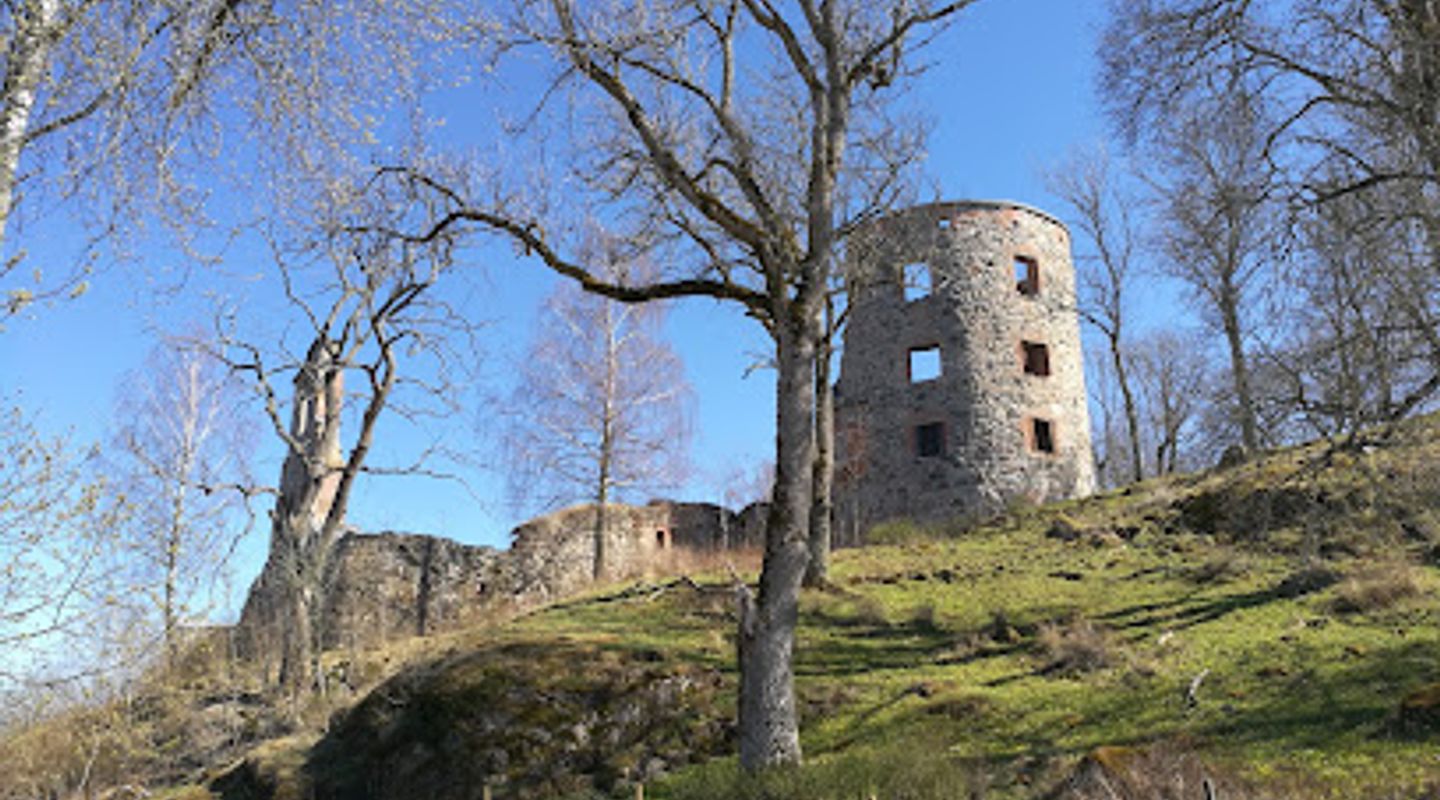
Mörby Castle, Smaland Travel Guide
A quietly majestic Renaissance ruin in Uppland where Oxenstierna history, weathered stone and open fields meet.
Perched amid gently rolling Uppland farmland near Rånäs, the stone shell of Mörby Castle traces a story from medieval manor to Renaissance residence and eventual ruin. Weathered walls, grassy courtyards and scattered foundation stones give a strong sense of layered centuries: a silhouette of once-grand towers, historic masonry details and the quiet of a site reclaimed by nature and local memory.
A brief summary to Mörby Castle
- Mörby Gård, Rånäs, 762 96, SE
- Click to display
- Duration: 0.5 to 2 hours
- Free
-
 Outdoor
- Mobile reception: 3 out of 5

Know before you go
Hi, I'm Eve. Here are a few practical things to know before exploring Mörby Castle.
- Wear sturdy shoes—ground is uneven with foundation stones and occasional loose rubble.
- Respect preservation: do not climb on fragile walls and carry out any litter; facilities are minimal.
- Visit at dawn or late afternoon for dramatic light across the ruins and long shadows that accentuate stone textures.
Do you manage this location?
Take control to get all the benefits, like improved information, better appearance, and stronger visibility across AI-powered discovery. Learn more about listing your business on Evendo
Activate your presenceOther nearby places you may find interesting
The closest places of the same kind, if this one is not quite what you had in mind.


Explore Mörby Castle on the Map
A handpicked selection of must-see spots near Mörby Castle, mapped for you.
Getting There
-
Car (regional)
Private car from the nearby regional centre typically takes 15–30 minutes depending on starting point and rural roads; parking at or near the farmstead is limited and informal, so expect unpaved surfaces and seasonal muddiness—no guaranteed paid parking or staffed lot.
-
Local bus + walk
Regional bus services to the closest village run a few times daily; from the nearest stop plan for a 20–40 minute walk across farm tracks and lanes over uneven terrain—service frequency is lower on weekends and timetables vary seasonally; fares are standard regional ticket rates.
-
Taxi or rideshare
Taxi from the nearest town typically takes 10–25 minutes and is useful if public transport schedules do not align; fares will vary by operator and time of day—expect higher prices for late-evening travel and limited availability in rural hours.
For the on-the-go comforts that matter to you
-
 Seating Areas
-
 Trash Bins
-
 Information Boards
Discover more about Mörby Castle
Origins and noble ownership
Mörby began as a medieval farmstead that, through the 16th century, grew into a Renaissance-style country castle under the Oxenstierna family, an influential Swedish noble house. The site bears the imprint of successive owners and alterations: foundations, fragments of dressed stone and wall lines hint at towers and service ranges that once framed a formal courtyard and domestic quarters.Architectural traces you can still read
The ruin survives chiefly as low to mid-height masonry and scattered dressed blocks; although roofs and original timberwork are long gone, you can identify the castle’s footprint, courtyard arrangement and surviving masonry techniques. Look closely at remaining stonework for reused carved blocks and mortar joints that reveal different construction phases—medieval repairs, 16th–17th century enlargements and later partial dismantling.The landscape setting and atmosphere
Set within cultivated fields and park-like grass, the ruin sits in an open Uppland landscape where the horizon is generous and the air carries agricultural and woodland scents. The site’s open aspect makes it especially atmospheric at low light: long shadows through broken arches, wind across unmown grass and the quiet interrupted only by birdsong and distant farming sounds.Historic moments and local stories
Mörby has ties to the Oxenstierna family and to figures linked with Sweden’s early-modern statecraft; the estate’s changing fortunes mirror regional patterns of consolidation, decline and reuse of building materials. Over time roofs were removed and valuable metal recovered, while stone was reused elsewhere—common fates for many Swedish manor houses that fell from noble patronage.What to expect when exploring the grounds
There are no reconstructed interiors here—exploration is about reading walls, imagining room arrangements and enjoying a quiet, tactile encounter with masonry and landscape. The terrain is uneven: grassy mounds, exposed foundation stones and occasional loose rubble require careful footing. Insects and meadow plants colonise the sheltered corners in summer, while frost and rime enliven the stones in cold months.Preservation and visitor considerations
Mörby is principally an archaeological and historic ruin rather than a developed tourist complex: interpretive signage may be minimal, and facilities are limited. The site’s value lies in its authenticity as a ruin and its ability to convey centuries of change through stone and setting, so approach with sensitivity—leave no trace, avoid climbing fragile masonry and respect any conservation measures on site.












Your all‑in‑one travel companion app
Explore expert travel guides, compare and book tours, experiences, hotels, and more—all from the palm of your hand. Download now for seamless trip planning wherever your wanderlust takes you.


Explore More of Smaland
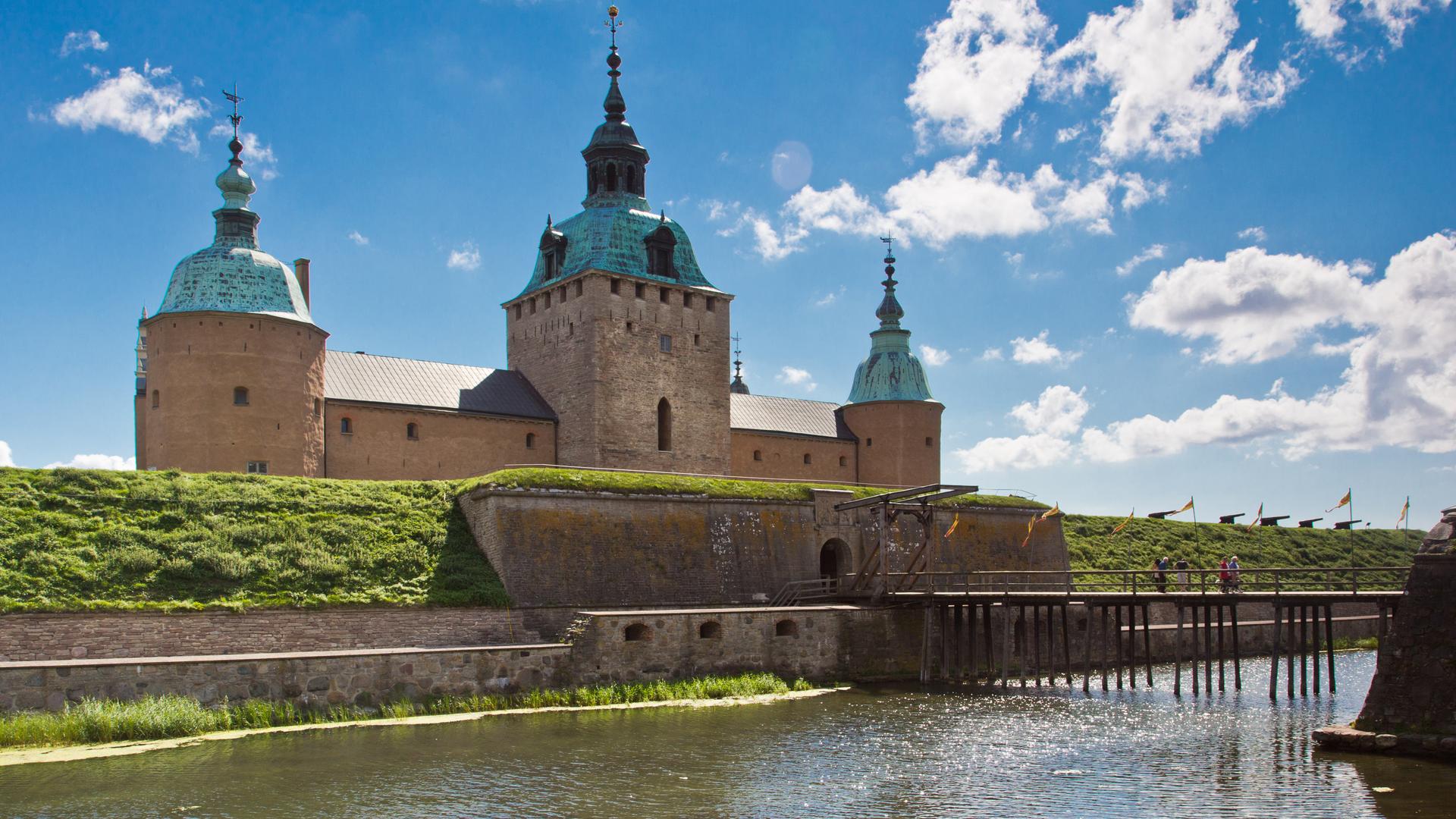
Looking beyond Mörby Castle? Discover Smaland for broader travel guides, local hot-spots, and regional highlights.
Explore Smaland
A compact wooded summit with a long wooden stair and a small summit platform offering close-range views over Åkersberga and the nearby archipelago.

A cosy converted farmhouse near Rånäs where home‑baked fika meets a rabbit warren of antiques, second‑hand clothes and handmade homewares.
