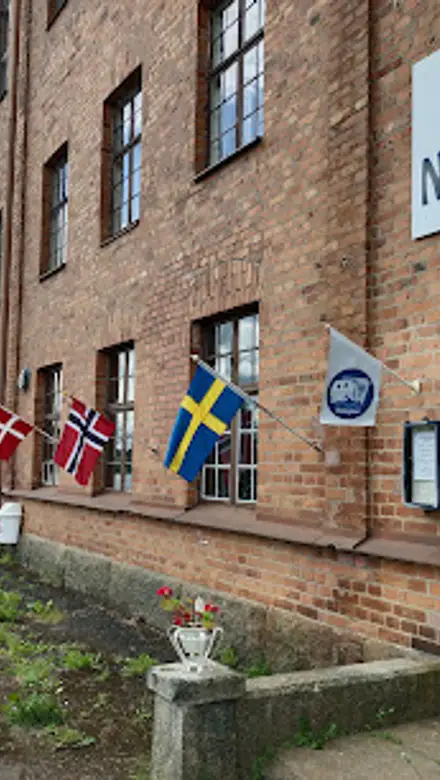
Motor & nostalgimuseet Travel Guide
Free Guide: A cosy, privately run motor museum by Lake Södra Hörken showcasing cars, bikes, machines and nostalgic shop interiors from the 20th century.


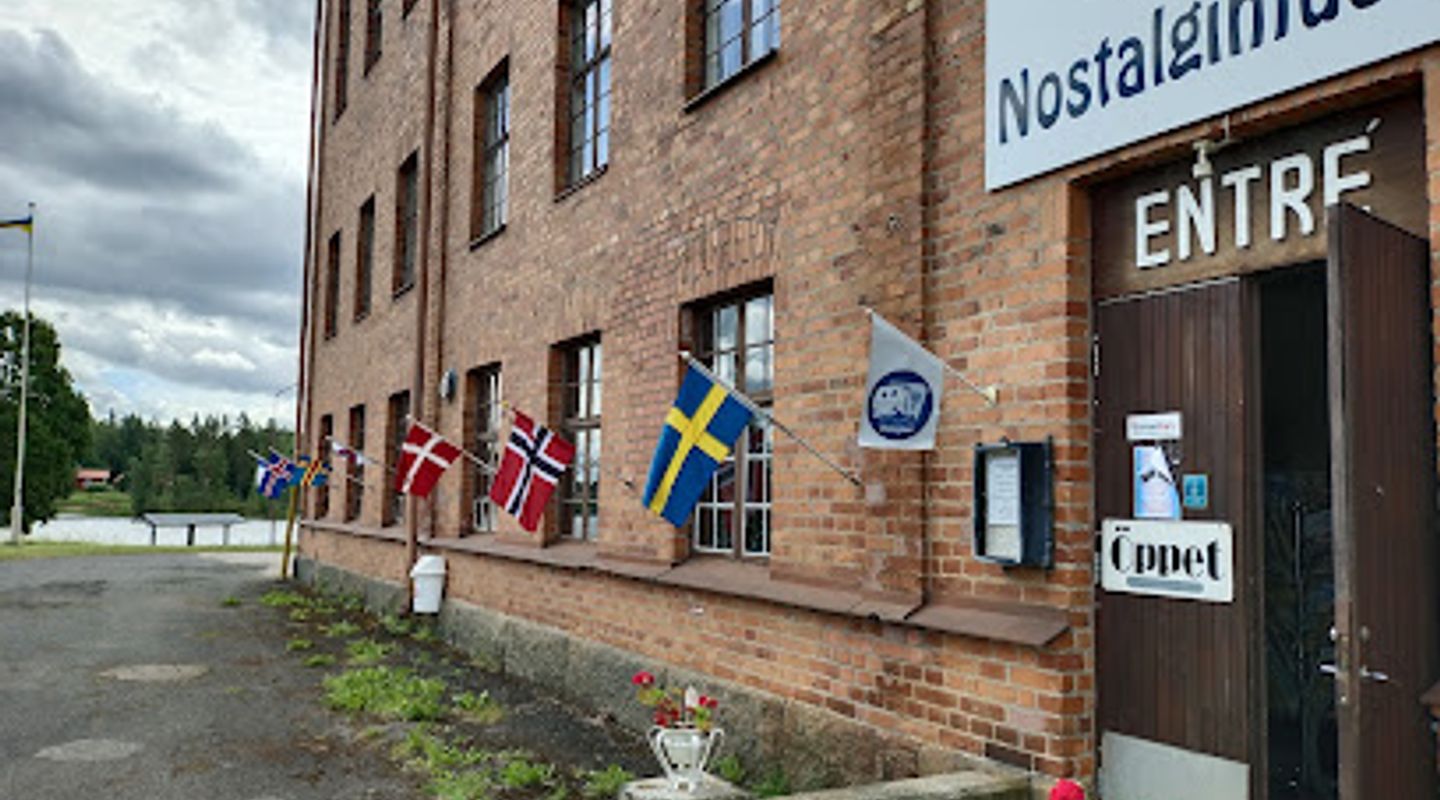
A brief summary of Motor & nostalgimuseet
A cosy, privately run motor museum by Lake Södra Hörken showcasing cars, bikes, machines and nostalgic shop interiors from the 20th century.
A hands-on motor museum beside Lake Södra Hörken in Grängesberg, Motor & Nostalgimuseet houses a broad private collection of cars, motorcycles, earth‑moving machines and shop interiors from the 1920s onward. Housed in a compact, atmospheric building with room after room of restored vehicles and period displays, it’s a friendly, family-oriented stop for anyone interested in Swedish motoring history and local industrial heritage.
On-site amenities
 Seating areas
 Information boards
 Restrooms
 Trash bins
Opening hours
- Mon10 am–5 pm
- Tue10 am–5 pm
- Wed10 am–5 pm
- Thu10 am–5 pm
- Fri10 am–5 pm
- Sat11 am–4 pm
- Sun11 am–4 pm
Opening hours as listed on the venue’s Google Business Profile. Hours can change for services and special events, so check with the venue before you go.
- Address
- Djupuddsvägen 14, 772 90 Grängesberg
- Phone
- Website
Getting there
By regional bus
By car
By bicycle or local cycle
Discover more about Motor & nostalgimuseet
Origins and a collector’s eye
Motor & Nostalgimuseet grew from the passion of local collectors who assembled vehicles and everyday objects that tell the story of 20th-century transport and commerce. The displays span small-town Sweden’s working life: passenger cars and mopeds sit alongside service vehicles and heavy machinery, while corners of the building are arranged like preserved shops or workshops. The museum’s character comes from that private‑collection feel—intimate, personal and full of tangible detail that makes the past immediate.
What you’ll find on display
Exhibits include classic cars, motorcycles, tractors and construction equipment, often fully restored and presented with contextual artefacts such as period signage, tools and shop fittings. Rather than a single chronological sweep, the layout encourages close inspection: engines, dashboards and instrument clusters are at eye level, and smaller cabinets hold ephemeral items — keys, oil cans, badges and brochures — that sketch social history as much as mechanical progress.
Setting and atmosphere
The museum sits close to the stillness of Lake Södra Hörken, which gives it a quietly scenic backdrop on clear days. Inside, the rooms maintain a warm, slightly nostalgic lighting palette; there’s a sense of wandering through a private trove rather than a large institutional gallery. Because the space is compact, exhibits feel close and tactile; the atmosphere suits those who enjoy lingering, reading labels and photographing details rather than moving briskly through large halls.
For families and enthusiasts
Displays are accessible to curious visitors of all ages: children can recognise shapes and colours while adults trace mechanical and design changes across decades. The museum avoids high‑tech interpretation in favour of straightforward labels and real objects, which encourages hands‑on curiosity and conversation. The variety—ranging from motorbikes to earth‑moving machines—means there’s usually something to capture different interests in the same visit.
Seasonality and visiting character
The museum operates primarily in the summer season, reflecting its regional, small‑museum rhythm; this seasonal pulse gives visits a slightly festival-like quality during open months. Expect an unhurried, low‑pressure environment where staff or volunteers are often available to answer questions and share stories about individual items in the collection. The compact footprint makes it an efficient stop for a half‑day itinerary in the area.
Significance within the local landscape
Beyond vehicles themselves, the museum functions as a cultural anchor for Grängesberg’s industrial past, preserving tools and everyday objects that connect motoring to regional labour and leisure. Its combination of restored machines, shop scenes and curated artefacts provides a cross-section of regional material culture—useful to anyone interested in how technology, work and domestic life intersected across the 20th century.
Evendo Review Centre
 Google
Guest reviews
Best time to go
Quietest: Jan, Feb & Nov · before 9am or from 7pm
Busy times are Evendo estimates for a typical year, to help you plan. Actual crowds vary with events, school holidays and the weather.
Explore Motor & nostalgimuseet on the map
A handpicked selection of must-see spots near Motor & nostalgimuseet, mapped for you.
Get your free copy of our complete guide to Motor & nostalgimuseet, delivered straight to you.
Everything on this page, from opening hours and how to get there to Eve’s tips and the best time to go, in one PDF you can read offline, print or share.
Already have an account? Sign in
Your Motor & nostalgimuseet guide is ready.
We'll send it to · Not you? Sign out

Getting your guide ready…
We are putting together a fresh copy of the Motor & nostalgimuseet guide. This can take up to a minute.
This can take a few moments. If your browser asks, choose Allow so the download can start. You'll find the guide in your Downloads folder.
Nothing happened? Download it again
Sorry, the guide is taking longer than usual. Please try again in a minute, or get it by email instead.
Other nearby places you may find interesting
The closest places of the same kind, if this one is not quite what you had in mind.
-
-
-
-
-


Swipe for more places
More to explore near Motor & nostalgimuseet

 Best experiences near Motor & nostalgimuseet
 Best hotels near Motor & nostalgimuseet
 Best landmarks near Motor & nostalgimuseet
 Best attractions near Motor & nostalgimuseet
 Best shops near Motor & nostalgimuseet
 Best restaurants near Motor & nostalgimuseet
 Best bars near Motor & nostalgimuseet
Do you manage this location?
Take control to get all the benefits, like improved information, better appearance, and stronger visibility across AI-powered discovery.
Explore more

Explore more of Småland
Experience the natural beauty, rich history, and cultural charm of Småland, a picturesque region in southern Sweden perfect for outdoor adventures and family-friendly activities.
Explore Småland
Explore more of Sweden
Discover Sweden's breathtaking landscapes, vibrant cities, and rich cultural heritage. From the Northern Lights to historic castles, experience the essence of Scandinavia.
Explore Sweden