
Nostalgimuseum, Smaland Travel Guide
A cosy, family‑run collection of household objects, toys and vintage vehicles tucked into the historic heart of Strömsbergs bruk.
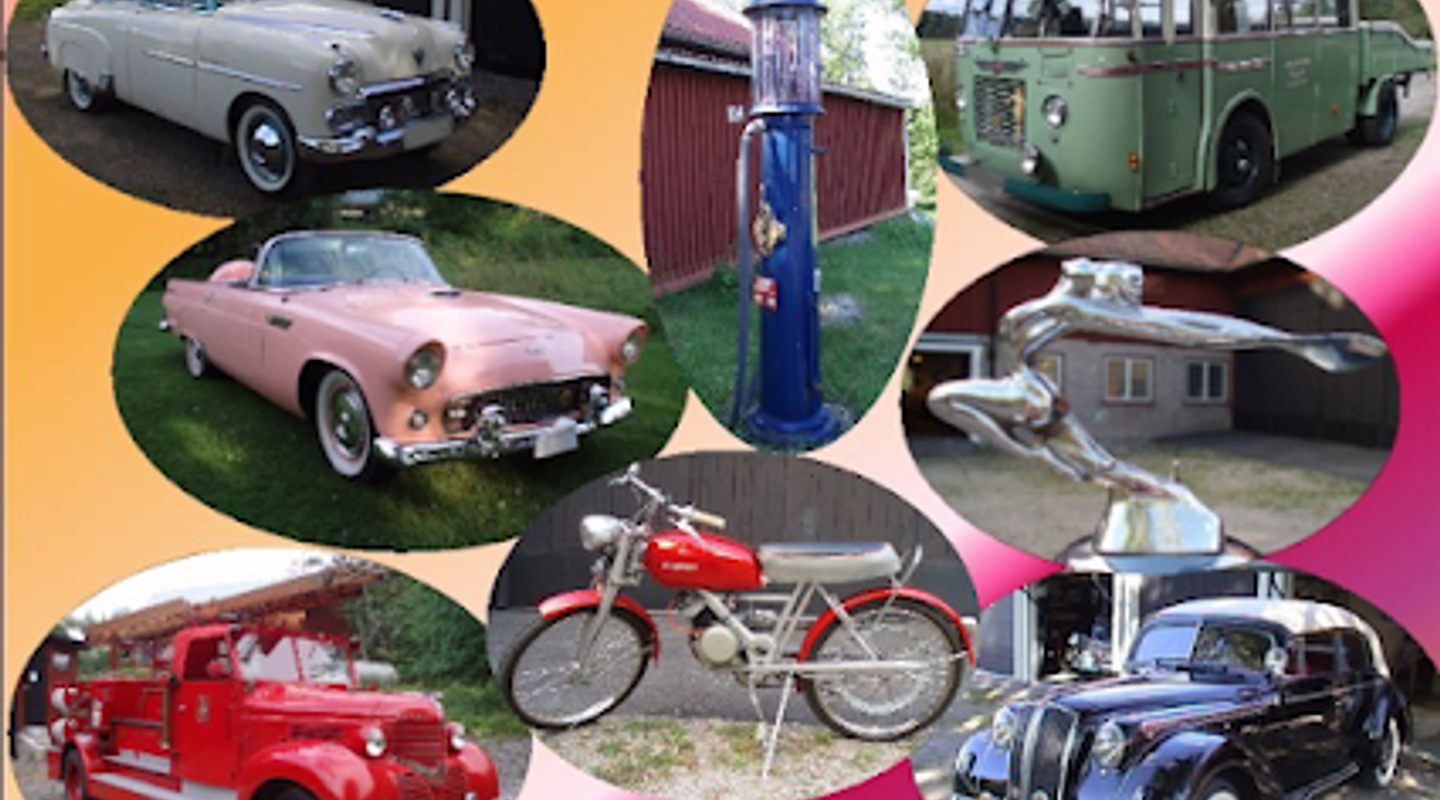
A family-run treasure trove in Domarbo within the white iron‑works of Strömsbergs bruk, the Nostalgimuseum gathers domestic objects, toys, bicycles and vintage vehicles that map daily life across a century. Housed in a compact historic building, its displays feel lived‑in and intimate: glass cabinets, shop counters and parked classic cars create a slow, sensory stroll through Sweden’s material past.
A brief summary to Nostalgimuseum
- Domarbovägen 104, Strömsbergs bruk, 815 96, SE
- Click to display
- Click to display
- Duration: 0.75 to 1.5 hours
- Budget
-
 Indoor
- Mobile reception: 3 out of 5
- Saturday 11 am-4 pm
- Sunday 11 am-4 pm

Know before you go
Hi, I'm Eve. Here are a few practical things to know before exploring Nostalgimuseum.
- Open mainly on weekends in late spring and summer; check seasonal opening information or call the listed phone before visiting outside the peak months.
- Allow 45–75 minutes to move through the rooms slowly — the exhibit rewards close inspection of small labels and shop displays.
- Combine your visit with a walk around Strömsbergs bruk to appreciate the broader 17th–19th‑century industrial buildings and riverside setting.
- If you wish to photograph interior displays, ask staff for permission — the museum is family‑run and appreciates respectful use of images.
Do you manage this location?
Take control to get all the benefits, like improved information, better appearance, and stronger visibility across AI-powered discovery. Learn more about listing your business on Evendo
Activate your presenceOther nearby places you may find interesting
The closest places of the same kind, if this one is not quite what you had in mind.


Explore Nostalgimuseum on the Map
A handpicked selection of must-see spots near Nostalgimuseum, mapped for you.
Getting There
-
Regional bus and local transfer
Regional bus service from Tierp to the Strömsberg/Strömsbergs bruk area typically takes 20–30 minutes; from the local stop allow an additional 15–25 minutes by taxi or local transfer to reach Domarbo due to rural roads and infrequent bus links. Bus fares in the region are commonly priced between SEK 40–90 per person depending on ticket type and distance; local taxi transfers cost approximately SEK 150–300. Services operate less frequently on weekends and public holidays.
-
Car (recommended for flexibility)
Driving from nearby towns takes roughly 15–35 minutes depending on origin; roads are minor and generally narrow in places, so allow extra time in high season. Parking at or near the museum is limited and informal; during peak weekend openings the closest spaces can fill, and off‑street roadside parking is the norm. There may be no paid parking fees, but accessibility can be constrained by historic surfaces.
-
Guided group shuttle during summer events
During the museum’s main open season and festival days the local visitor network operates shuttle or guided tours that link multiple museums in Strömsbergs bruk; these shuttles typically run in the late morning to mid‑afternoon window and the round trip often lasts 2–4 hours depending on stops. Tickets for organized tours generally include an entry fee bundle or suggested donation; prices vary by event but expect roughly SEK 100–250 per person for combined local heritage tours.
For the on-the-go comforts that matter to you
-
 Seating Areas
-
 Information Boards
Discover more about Nostalgimuseum
A compact museum with domestic roots
The Nostalgimuseum occupies a small, purposefully domestic space in Domarbo, part of the larger Strömsbergs bruk estate. Rather than presenting single highlights in isolation, the museum’s rooms are arranged to evoke everyday life across roughly a hundred years: kitchenware and tins, toys and bicycles, shop fixtures and household knickknacks sit beside a modest display of classic vehicles. The scale is intimate; objects are close enough to inspect the wear patterns and handwritten labels that reveal past owners and uses.The feel and material culture on show
Surfaces here matter — wooden counters polished by hands, faded enamel signs, glass jars of buttons and ribbons — and the lighting is warm, often filtered through period windowpanes. The collection spans domestic implements, trade ephemera and a small fleet of restored cars and mopeds. Many exhibits are arranged as tableaux that ask you to imagine a kitchen, a shopfront or a rural workbench rather than read long labels, so the experience is tactile and visual rather than didactic.Family stewardship and local continuity
This museum is run on a family scale and carries the character of a community collection: objects were sourced locally over decades and displayed with care rather than museum formalism. That provenance gives the place a particular intimacy — the sense that items were once ordinary possessions and have been kept in circulation by people who remember them. The museum’s quieter voice complements the surrounding historic buildings of Strömsbergs bruk, whose preserved industrial and residential structures form a coherent heritage landscape.Seasonal rhythms and visiting atmosphere
The Nostalgimuseum follows a seasonal schedule with concentrated opening days in late spring and summer, when the bruk is most active with other small museums and craft openings. On open days the museum tends to feel relaxed and unhurried; rooms offer a refuge from bright sunlight and a chance to linger over small details — labels, price marks, the patina of enamelware. Even outside main season, the stewards accept arranged visits by appointment during the warmer months.












Your all‑in‑one travel companion app
Explore expert travel guides, compare and book tours, experiences, hotels, and more—all from the palm of your hand. Download now for seamless trip planning wherever your wanderlust takes you.


Explore More of Smaland
Looking beyond Nostalgimuseum? Discover Smaland for broader travel guides, local hot-spots, and regional highlights.
Explore Smaland
Gävle’s beloved 19th‑century park and riverside reserve—wide lawns, leafy glades, play zones and calm river moments in the heart of the city.
A compact, hands‑on social‑history museum in Strömsbergs bruk that recreates familiar shops, workshops and vintage vehicles for a nostalgic journey through everyday life.
