Riseberga Abbey Travel Guide
Free Guide: Echoes of Cistercian nuns amid limestone ruins and Sweden's grandest outdoor stage—history meets harmony in Närke's green heart.


A brief summary of Riseberga Abbey
Echoes of Cistercian nuns amid limestone ruins and Sweden's grandest outdoor stage—history meets harmony in Närke's green heart.
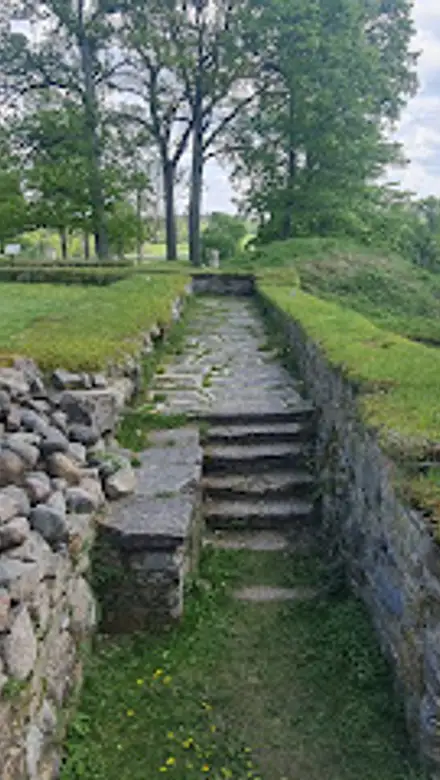
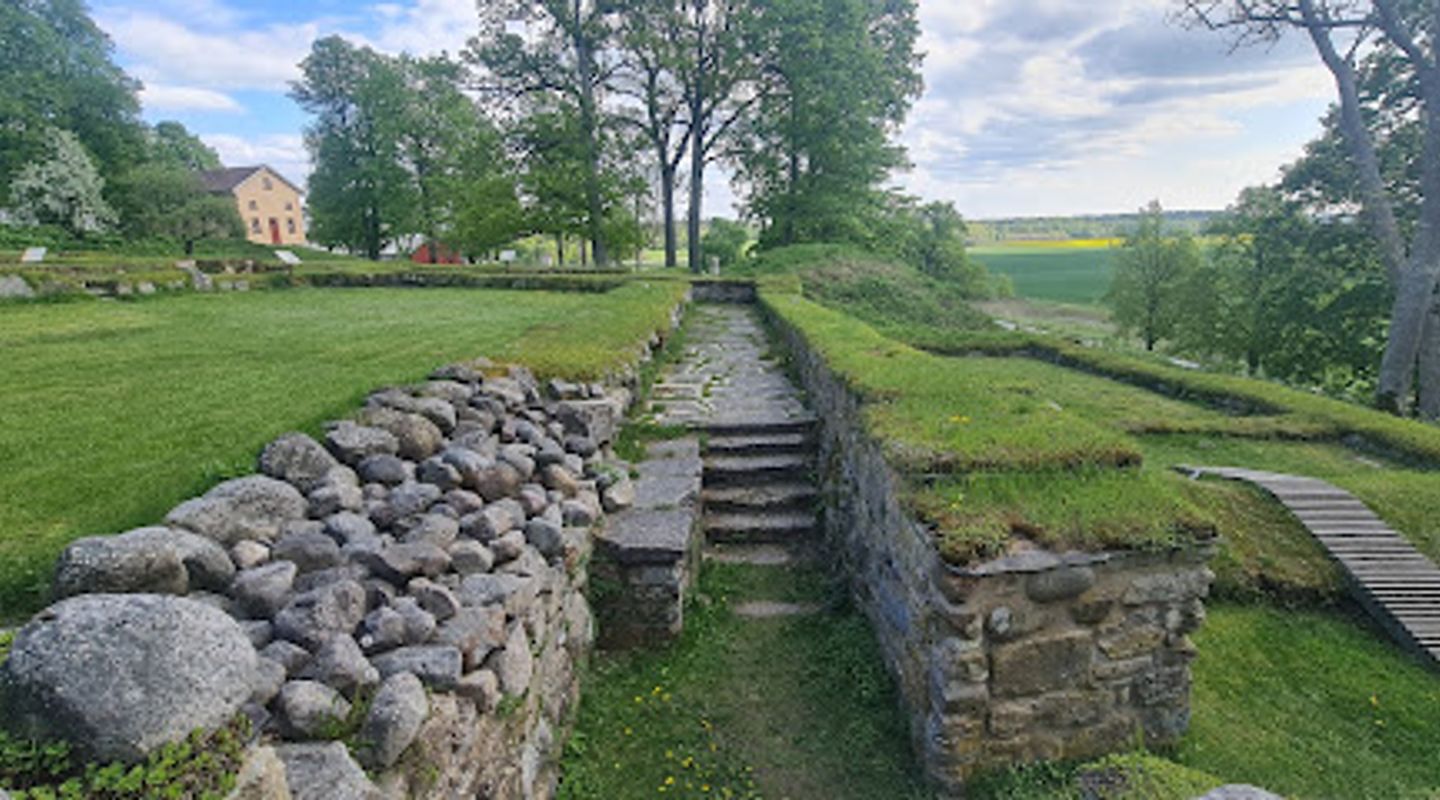
Nestled in the serene countryside near Fjugesta, Riseberga Abbey ruins stand as poignant remnants of a Cistercian nunnery founded around 1180. These limestone walls, once part of a thriving monastic community that owned vast lands, now blend history with modern culture, hosting Sweden's largest outdoor amphitheater amid peaceful grounds ideal for quiet reflection.
On-site amenities
 Trash bins
 Information boards
 Seating areas
Opening hours
- Every dayOpen 24 hours
Opening hours as listed on the venue’s Google Business Profile. Hours can change for services and special events, so check with the venue before you go.
- Address
- 716 91 Fjugesta
Getting there
Car
Bus
Taxi
Bicycle
Discover more about Riseberga Abbey
Foundations of Faith in Närke
Riseberga Abbey emerged in the late 12th century as a Cistercian nunnery, established around 1180 in the lush landscapes of Närke province. Donated by Earl Birger Brosa, the site quickly grew into a spiritual and economic powerhouse, overseeing 224 farms, mines, and churches across the region. The nuns followed the austere Cistercian rule, emphasizing prayer, manual labor, and self-sufficiency in this remote yet fertile valley.The abbey's limestone structures rose modestly, reflecting the order's preference for simplicity over grandeur. Surviving fragments today whisper of cloisters, chapels, and dormitories where women devoted their lives to contemplation and community service.
Peak Prosperity and Royal Ties
By the medieval height, Riseberga flourished under noble patronage. Queen Brigida Haraldsdotter, widow of a prominent figure, entered as a nun in 1202 and found her final resting place here, linking the abbey to Sweden's royal lineage. These connections bolstered its influence, turning it into a beacon of piety amid feudal Sweden.The nunnery's vast estates sustained not just the sisters but also local peasants, fostering a web of agricultural innovation typical of Cistercian houses. Ironworks and fisheries complemented grain fields, showcasing the order's knack for harnessing the land.
Reformation's Shadow Falls
Riseberga's story darkened with the Swedish Reformation in 1534, when King Gustav Vasa dissolved monastic holdings to fund his wars and centralize power. The nuns dispersed, buildings fell into disrepair, and the once-vibrant complex crumbled under time and neglect. Limestone walls endured, scarred by centuries of weather and war.Archaeological efforts later preserved key sections, revealing foundations that map the abbey's layout. These ruins now offer a tangible portal to medieval monastic life in Scandinavia.
Ruins Reimagined for Today
Modern Riseberga marries antiquity with vitality through Sweden's largest outdoor amphitheater, carved into the grounds and seating 1,216 for summer performances. Concerts and theater echo across the stones, where silent prayers once prevailed, creating a dynamic cultural hub.The private property welcomes free exploration of the ruins and paths, blending historical reverence with scenic walks. Surrounding meadows and woods enhance the tranquil setting, perfect for pondering the site's layered past.
Enduring Limestone Legacy
Crafted from local limestone, the standing walls—primarily one substantial section—capture the abbey's architectural humility. Gaps reveal where vaults and arches once soared, while moss-covered stones evoke the passage of 800 years. This material choice ensured durability, allowing the ruins to weather Sweden's harsh climates intact.
Evendo Review Centre
 Google
Guest reviews
Best time to go
Quietest: Jan, Feb & Dec · before 8am or from 9pm
Busy times are Evendo estimates for a typical year, to help you plan. Actual crowds vary with events, school holidays and the weather.
Explore Riseberga Abbey on the map
A handpicked selection of must-see spots near Riseberga Abbey, mapped for you.
Get your free copy of our complete guide to Riseberga Abbey, delivered straight to you.
Everything on this page, from opening hours and how to get there to Eve’s tips and the best time to go, in one PDF you can read offline, print or share.
Already have an account? Sign in
Your Riseberga Abbey guide is ready.
We'll send it to · Not you? Sign out

Getting your guide ready…
We are putting together a fresh copy of the Riseberga Abbey guide. This can take up to a minute.
This can take a few moments. If your browser asks, choose Allow so the download can start. You'll find the guide in your Downloads folder.
Nothing happened? Download it again
Sorry, the guide is taking longer than usual. Please try again in a minute, or get it by email instead.
Other nearby places you may find interesting
The closest places of the same kind, if this one is not quite what you had in mind.
-
-
-
-
-


Swipe for more places
More to explore near Riseberga Abbey

 Best experiences near Riseberga Abbey
 Best hotels near Riseberga Abbey
 Best landmarks near Riseberga Abbey
 Best attractions near Riseberga Abbey
 Best shops near Riseberga Abbey
 Best restaurants near Riseberga Abbey
 Best bars near Riseberga Abbey
Do you manage this location?
Take control to get all the benefits, like improved information, better appearance, and stronger visibility across AI-powered discovery.
Explore more

Explore more of Småland
Experience the natural beauty, rich history, and cultural charm of Småland, a picturesque region in southern Sweden perfect for outdoor adventures and family-friendly activities.
Explore Småland
Explore more of Sweden
Discover Sweden's breathtaking landscapes, vibrant cities, and rich cultural heritage. From the Northern Lights to historic castles, experience the essence of Scandinavia.
Explore Sweden