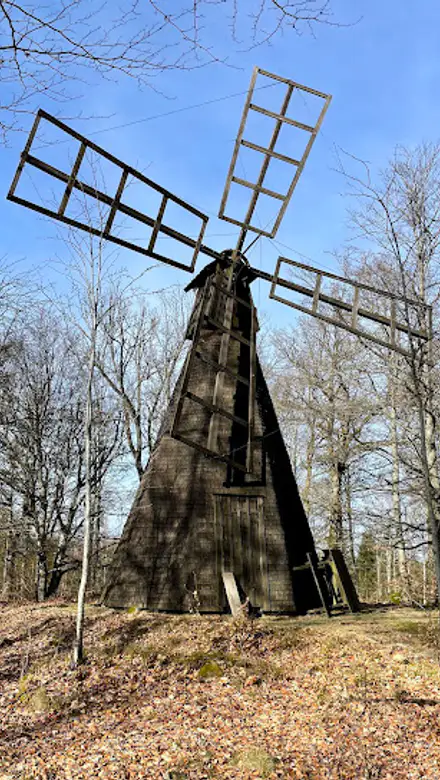
Väderkvarnen i Segersnäs Travel Guide
Free Guide: Discover Urshult's last original windmill: a storm-surviving stolpkvarn evoking Småland's rural soul amid serene fields and forests.


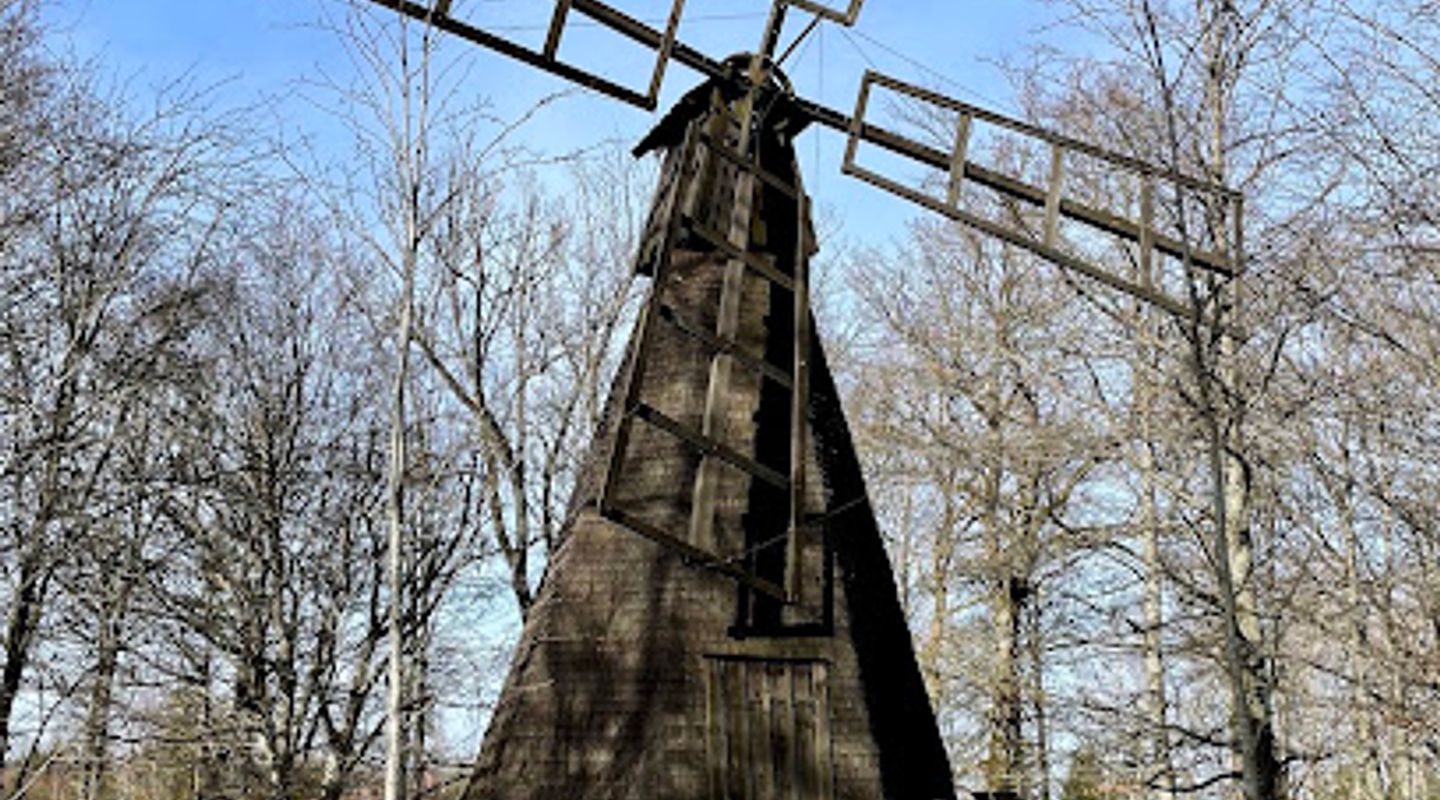
A brief summary of Väderkvarnen i Segersnäs
Discover Urshult's last original windmill: a storm-surviving stolpkvarn evoking Småland's rural soul amid serene fields and forests.
Perched in the quiet countryside of Urshult, Väderkvarnen i Segersnäs stands as the sole surviving windmill on its original site in the area. Built in the late 1880s by local farmer August Marcusson to grind grain for the community, it endured a dramatic fate when a fierce Christmas storm in 1902 tore off its wings. Lovingly restored in 1958 and again in 1987, this stolpkvarn (post mill) now symbolizes Småland's rural heritage, offering a peaceful glimpse into 19th-century agrarian life amid rolling fields and forests.
On-site amenities
 Trash bins
 Information boards
Opening hours
- Every dayOpen 24 hours
Opening hours as listed on the venue’s Google Business Profile. Hours can change for services and special events, so check with the venue before you go.
- Address
- 362 95 Urshult
Getting there
Driving
Public Bus
Cycling
Discover more about Väderkvarnen i Segersnäs
Origins in Småland's Milling Tradition
Väderkvarnen i Segersnäs emerged from the practical needs of rural Sweden in the late 19th century. Constructed between 1888 and 1889 by August Marcusson, a farmer from a nearby homestead, the windmill served the local bygd—serving household milling demands for grain into flour. As a stolpkvarn, or post mill, it features a central pivot allowing the entire structure to rotate with the wind, harnessing gusts from Småland's open landscapes to power its grinding stones.This design was common in Scandinavia, where wind provided a reliable, if weather-dependent, energy source before widespread mechanization.
Storm's Fury and Remarkable Revival
The mill's early years were brief and turbulent. Just over a decade after completion, a ferocious julstormen—Christmas storm—in 1902 ripped away its wings, leaving the structure in ruins. Such tempests were not uncommon in southern Sweden, testing the resilience of wooden windmills built to withstand harsh winters.Yet, community spirit prevailed. In 1958, locals rallied to restore it, piecing together the original framework. Further meticulous work in 1987 ensured its preservation, transforming a casualty of nature into a enduring monument.
Engineering of a Bygone Era
Examine the mill's form: elevated on a sturdy post, with a cap that turns to catch prevailing winds. Inside, traditional mechanisms—gears, sails, and millstones—reveal the ingenuity required to process grains like rye and barley, staples of the Småland diet. The wings, when intact, would creak rhythmically, their canvas sails billowing against the sky.Today, though non-operational, it evokes the labor-intensive process that fed generations before electric mills dominated.
Setting Amid Urshult's Natural Beauty
Segersnäs nestles in Urshult's pastoral expanse, part of Kronoberg County's lake-dotted terrain near Åsnen National Park. Flanked by meadows and woodlands, the windmill commands sweeping views, especially on clear days when distant forests blur into the horizon. Seasonal changes paint the scene: golden harvests in summer, frost-laced sails in winter.Birdsong and rustling leaves provide a serene soundtrack, underscoring its isolation from urban bustle.
Cultural Beacon in Rural Småland
As Urshult's last original windmill, it anchors local identity, featured in heritage trails like Sirkövägen. It whispers stories of self-sufficient communities, where wind power bridged tradition and modernity. Visitors find quiet reflection here, connecting with Sweden's industrious past amid timeless countryside.
Evendo Review Centre
 Google
Guest reviews
Best time to go
Quietest: Jan, Feb & Dec · before 7am or from 8pm
Busy times are Evendo estimates for a typical year, to help you plan. Actual crowds vary with events, school holidays and the weather.
Explore Väderkvarnen i Segersnäs on the map
A handpicked selection of must-see spots near Väderkvarnen i Segersnäs, mapped for you.
Get your free copy of our complete guide to Väderkvarnen i Segersnäs, delivered straight to you.
Everything on this page, from opening hours and how to get there to Eve’s tips and the best time to go, in one PDF you can read offline, print or share.
Already have an account? Sign in
Your Väderkvarnen i Segersnäs guide is ready.
We'll send it to · Not you? Sign out

Getting your guide ready…
We are putting together a fresh copy of the Väderkvarnen i Segersnäs guide. This can take up to a minute.
This can take a few moments. If your browser asks, choose Allow so the download can start. You'll find the guide in your Downloads folder.
Nothing happened? Download it again
Sorry, the guide is taking longer than usual. Please try again in a minute, or get it by email instead.
Other nearby places you may find interesting
The closest places of the same kind, if this one is not quite what you had in mind.
-
-
-
-
-


Swipe for more places
More to explore near Väderkvarnen i Segersnäs
-
 Best experiences near Väderkvarnen i Segersnäs
-
 Best hotels near Väderkvarnen i Segersnäs
-
 Best landmarks near Väderkvarnen i Segersnäs
-
 Best attractions near Väderkvarnen i Segersnäs
-
 Best shops near Väderkvarnen i Segersnäs
-
 Best restaurants near Väderkvarnen i Segersnäs
-
 Best bars near Väderkvarnen i Segersnäs


Do you manage this location?
Take control to get all the benefits, like improved information, better appearance, and stronger visibility across AI-powered discovery.
Explore more

Explore more of Västergötland
Discover Västergötland: A blend of historical treasures, natural beauty, and cultural richness in the heart of Sweden.
Explore Västergötland
Explore more of Sweden
Discover Sweden's breathtaking landscapes, vibrant cities, and rich cultural heritage. From the Northern Lights to historic castles, experience the essence of Scandinavia.
Explore Sweden