

Stjärnholms Slott Travel Guide
Free Guide: Discover 18th-century elegance at Stjärnholms Slott, a historic manor by the Baltic Sea blending noble heritage, serene parklands, a stone church, and modern retreats for unforgettable escapes.


A brief summary of Stjärnholms Slott
Discover 18th-century elegance at Stjärnholms Slott, a historic manor by the Baltic Sea blending noble heritage, serene parklands, a stone church, and modern retreats for unforgettable escapes.
Stjärnholms Slott is a majestic 18th-century manor house and stiftsgård in Oxelösund, Södermanland, set amid lush parklands by the Baltic Sea. Originally a farm from the 14th century, it evolved into a grand estate with a historic stone church, sculpture park, and trails. Today, it serves as a serene retreat for conferences, weddings, stays, and dining, blending rich history with natural beauty and cultural events.
On-site amenities
 Restrooms
 Drink options
 Food options
 Seating areas
 Sheltered areas
 Trash bins
 Information boards
- Address
- 613 41 Oxelösund
- Phone
- Website
Getting there
Car
Bus
Taxi
Walk from Oxelösund
Discover more about Stjärnholms Slott
Origins in Medieval Södermanland
The story of Stjärnholms Slott begins with the farm Nygård, first documented in 1381 amid the rolling fields and forests of Södermanland. This modest holding grew into a substantial estate when Jöns Månsson, ennobled as Silfverstierna, acquired it from the crown in 1638, along with neighboring properties. Silfverstierna expanded his holdings to encompass around 300 farms across Sweden, establishing Stjärnholm as the heart of his domain. The name "Stjärnholm" emerged during the tenure of his son-in-law, marking a pivotal shift from rural farmstead to noble seat.By the mid-17th century, the estate boasted säterirättigheter—privileges granting tax exemptions and status—conferred around 1640. These developments laid the foundation for the grandeur that would define the site, transforming it from agrarian roots into a symbol of aristocratic ambition nestled against a scenic Baltic inlet.
The Chapel That Became a Church
In 1671, a private chapel of white stone rose on the grounds, complete with an integrated tower and tresidigt kor, serving the estate's spiritual needs. This structure, now known as Stjärnholms Kyrka, stands as one of the site's oldest features. Over centuries, it transitioned from family chapel to a parish church, first joining Sankt Nicolai in Nyköping in 1920, then Oxelösund Congregation in 1952, under the Evangelical Lutheran Church of Sweden.The church's enduring presence offers a quiet counterpoint to the manor's opulence, its stone walls echoing with prayers from noble families like the Drakenhielms and Löwens. Restorations in the 1770s added a new pulpit and furnishings, preserving its role as a sacred anchor amid the estate's evolving fortunes.
Rebirth from Flames
Disaster struck in 1733 when fire razed the wooden manor house built under the Drakenhielms. Baron Fabian Löwen commissioned a resilient replacement: a two-story stone edifice under a mansard roof, begun in 1735 and habitable by 1748. Stretching 33 meters long and 15 meters wide, with 10 cellar rooms and copper-clad roofing, it symbolized rebirth and symmetry on the expanded grounds.Earlier structures, like the spannmålsmagasin—the estate's oldest surviving building—predate this era, hinting at the layered history beneath the polished facade. The manor survived Russian incursions in 1719 unscathed, its marshy foundations on poles proving fortuitous against both invaders and elements.
A Stiftsgård for Modern Times
Acquired by Kyrkans Hem i Strängnäs Stift in 1944, Stjärnholm became one of the Church of Sweden's 17 conference estates. Today, the stiftsgård welcomes all—church groups, companies, families—for retreats, weddings, and cultural events in its 1700-tals salonger, chapel, and elegant dining halls. The site's dual role as heritage site and active venue bridges past and present.Surrounding the manor, a sculpture park scatters artistic works amid manicured lawns, playgrounds, and walking trails along Sörmlandsleden. Proximity to the sea invites kayaking and cycling, while nearby attractions like Kolmården and golf courses extend the allure.
Gastronomic Heritage in Stone Halls
The on-site restaurant draws on local, seasonal bounty, including the estate's herb garden, for dishes like ugnsbakad torskrygg or hjortryggfilé. Menus range from à la carte (365–615 SEK per person) to buffés (220–325 SEK), with vegetarian options and full bar rights. Festive spreads for events emphasize Swedish classics—rökt skinka, inkokt lax—served in vaulted spaces that evoke manor feasts of old.This culinary focus enhances stays in diverse accommodations: opulent 18th-century castle rooms, cozy Flygeln doubles, or simple annex lodging, all fostering immersion in the estate's storied ambiance.
Evendo Review Centre
 Google
Guest reviews
Best time to go
Quietest: Jan, Feb & Dec · before 8am or from 11pm
Busy times are Evendo estimates for a typical year, to help you plan. Actual crowds vary with events, school holidays and the weather.
Explore Stjärnholms Slott on the map
A handpicked selection of must-see spots near Stjärnholms Slott, mapped for you.
Get your free copy of our complete guide to Stjärnholms Slott, delivered straight to you.
Everything on this page, from opening hours and how to get there to Eve’s tips and the best time to go, in one PDF you can read offline, print or share.
Already have an account? Sign in
Your Stjärnholms Slott guide is ready.
We'll send it to · Not you? Sign out

Getting your guide ready…
We are putting together a fresh copy of the Stjärnholms Slott guide. This can take up to a minute.
This can take a few moments. If your browser asks, choose Allow so the download can start. You'll find the guide in your Downloads folder.
Nothing happened? Download it again
Sorry, the guide is taking longer than usual. Please try again in a minute, or get it by email instead.
Other nearby places you may find interesting
The closest places of the same kind, if this one is not quite what you had in mind.
-
-
-
-
-


Swipe for more places
More to explore near Stjärnholms Slott

 Best experiences near Stjärnholms Slott
 Best hotels near Stjärnholms Slott
 Best landmarks near Stjärnholms Slott
 Best attractions near Stjärnholms Slott
 Best shops near Stjärnholms Slott
 Best restaurants near Stjärnholms Slott
 Best bars near Stjärnholms Slott
Do you manage this location?
Take control to get all the benefits, like improved information, better appearance, and stronger visibility across AI-powered discovery.
Explore more
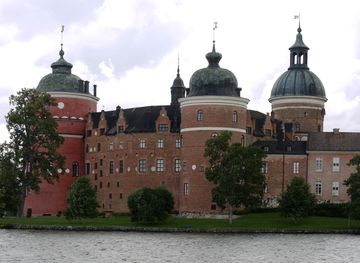
Explore more of Södermanland
Discover Södermanland: A serene Swedish province offering rich history, stunning nature, and vibrant cultural experiences just south of Stockholm.
Explore Södermanland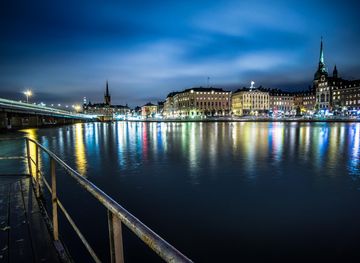
Explore more of Sweden
Discover Sweden's breathtaking landscapes, vibrant cities, and rich cultural heritage. From the Northern Lights to historic castles, experience the essence of Scandinavia.
Explore Sweden
