Södermanlands runinskrifter 367 Travel Guide
Free Guide: A modest grey gneiss runestone at Släbro—Sö 367 preserves names, a thegnly title and a carved mask that link the landscape to Viking-Age social life.


A brief summary of Södermanlands runinskrifter 367
A modest grey gneiss runestone at Släbro—Sö 367 preserves names, a thegnly title and a carved mask that link the landscape to Viking-Age social life.
Södermanlands Runinskrifter 367 (Sö 367) is a Viking Age memorial runestone standing in Släbro near Nyköping, Sweden. Carved in grey gneiss and rediscovered in 1935, the 1.78 m stone bears runic text, a facial mask motif and commemorates local thegns and the owners of Sleðabrú (modern Släbro), offering a tangible link to regional power and Old Norse memorial practice.
On-site amenities
 Information boards
 Seating areas
- Address
- 611 56 Nyköping
Getting there
Car
Local bus + walk
Taxi or rideshare
Discover more about Södermanlands runinskrifter 367
Stone and setting at Släbro
The runestone known as Sö 367 is a single standing slab of grey gneiss set in the pastureland of Släbro just outside Nyköping. Measuring roughly 1.78 metres in height and about 0.65 metres across, its weathered surface shows carved runes and a stylised mask motif that face roughly east‑south‑east, suggesting the stone was intended to be read from the nearby road or river approach. The compact proportions and coarse-grained stone give the carving a sober, tactile quality: close inspection reveals bands of runes incised several centimetres deep, the grooves worn smooth where hands or weather have touched them.
Inscription content and identity
The inscription records a memorial formula typical of the late Viking Age: names are invoked and status terms used, including an Old Norse title rendered as "thegn" that signals a warrior-administrator role in regional society. The text also connects the commemorated men to a place name rendered as Sleðabrú, which corresponds to the modern locality Släbro. That combination of personal names, social rank and a local estate ties the stone into networks of landholding and authority in Södermanland during the transition from pagan to Christian practice.
Design features and iconography
Alongside the runic text is a facial mask—a recurrent motif on Scandinavian runestones—carved with simplified eyes and nose that give the stone a watchful presence. The mask can be read as symbolic rather than portraiture: it may serve protective, commemorative or ritual functions, or mark the stone as a focus for memory. The carving style, rune height (around 7–15 centimetres) and clean, purposeful layout of the inscription help place Sö 367 within regional carving traditions of the later Viking Age.
Discovery, recording and material study
Sö 367 was documented in the early twentieth century and the slab now appears in runological catalogues that preserve its reading and measured dimensions. As a hard gneiss slab with shallow but clear incision, the stone has preserved its runes well enough for specialists to transcribe the text and to identify characteristic letter forms. Scholarly catalogues and runic databases list its provenance as Släbro and provide the standardized Rundata designation Sö 367 used by researchers and heritage agencies.
Sense of place and atmosphere
At the site, the stone reads as a quiet, time‑filled presence in a pastoral landscape: the granular surface, the deep shadows in the runic grooves, and the mask’s simple gaze all contribute to an immediate, tactile connection with the Viking Age past. It rewards a patient look—trace a rune with your eye and you can imagine the carver shaping letters with a hammer and chisel, the voice that called the names in memory, and the small community that once gathered here to mark a lineage or an estate.
Why the stone matters today
Sö 367 functions as a direct, local testimony to social structures, place‑names and commemorative practice in medieval Södermanland. As an object of material culture it bridges archaeology, philology and landscape history: the stone preserves names and terms that feed into our understanding of how people of the late Viking Age organised landholding, used prestige titles and marked territorial presence in the countryside around Nyköping.
Evendo Review Centre
 Google
Guest reviews
Best time to go
Quietest: Jan, Feb & Dec · before 7am or at 7pm
Busy times are Evendo estimates for a typical year, to help you plan. Actual crowds vary with events, school holidays and the weather.
Explore Södermanlands runinskrifter 367 on the map
A handpicked selection of must-see spots near Södermanlands runinskrifter 367, mapped for you.
Get your free copy of our complete guide to Södermanlands runinskrifter 367, delivered straight to you.
Everything on this page, from opening hours and how to get there to Eve’s tips and the best time to go, in one PDF you can read offline, print or share.
Already have an account? Sign in
Your Södermanlands runinskrifter 367 guide is ready.
We'll send it to · Not you? Sign out

Getting your guide ready…
We are putting together a fresh copy of the Södermanlands runinskrifter 367 guide. This can take up to a minute.
This can take a few moments. If your browser asks, choose Allow so the download can start. You'll find the guide in your Downloads folder.
Nothing happened? Download it again
Sorry, the guide is taking longer than usual. Please try again in a minute, or get it by email instead.
Other nearby places you may find interesting
The closest places of the same kind, if this one is not quite what you had in mind.
-
-
-
-
-


Swipe for more places
More to explore near Södermanlands runinskrifter 367
-
 Best experiences near Södermanlands runinskrifter 367
-
 Best hotels near Södermanlands runinskrifter 367
-
 Best landmarks near Södermanlands runinskrifter 367
-
 Best attractions near Södermanlands runinskrifter 367
-
 Best shops near Södermanlands runinskrifter 367
-
 Best restaurants near Södermanlands runinskrifter 367
-
 Best bars near Södermanlands runinskrifter 367


Do you manage this location?
Take control to get all the benefits, like improved information, better appearance, and stronger visibility across AI-powered discovery.
Explore more
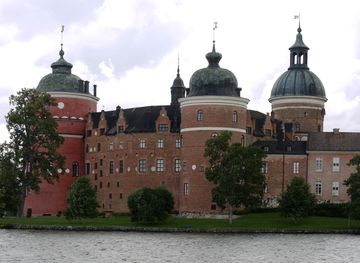
Explore more of Södermanland
Discover Södermanland: A serene Swedish province offering rich history, stunning nature, and vibrant cultural experiences just south of Stockholm.
Explore Södermanland
Explore more of Sweden
Discover Sweden's breathtaking landscapes, vibrant cities, and rich cultural heritage. From the Northern Lights to historic castles, experience the essence of Scandinavia.
Explore Sweden