Maritime Museum, Stockholm Archipelago Travel Guide
A national maritime museum on Djurgården—classic 1930s architecture, ship models, floating exhibits and family-friendly workshops beside the water.
Sjöhistoriska museet on Djurgården is Sweden’s national maritime museum, housed in a dignified 1930s building beside the water with exhibitions on seafaring, trade, naval history and coastal life. Permanent galleries display ship models, navigational instruments, artefacts and immersive installations; seasonal displays and floating museum ships moor nearby. The site combines family-friendly hands-on zones, a café with water views and a compact museum pier for summer exploration.
A brief summary to Maritime Museum
- Djurgårdsbrunnsvägen 24, Stockholm, 115 27, SE
- Click to display
- Click to display
- Duration: 1 to 3 hours
- Mid ranged
-
 Mixed
Mixed
- Mobile reception: 4 out of 5
- Tuesday 10 am-5 pm
- Wednesday 10 am-5 pm
- Thursday 10 am-5 pm
- Friday 10 am-5 pm
- Saturday 10 am-5 pm
- Sunday 10 am-5 pm

Know before you go
Hi, I'm Eve. Here are a few practical things to know before exploring Maritime Museum.
- Purchase tickets or check prices in advance for seasonal exhibits; children up to 18 often have free entry while adult tickets are modestly priced.
- Allow at least 1.5–2.5 hours to explore both indoor galleries and the pier when museum ships are accessible in summer.
- Visit on a Wednesday evening for extended opening hours if you prefer a quieter, later experience.
- Families should look for the weekend creative workshops and the children’s playroom for hands-on activities.
Do you manage this location?
Take control to get all the benefits, like improved information, better appearance, and stronger visibility across AI-powered discovery. Learn more about listing your business on Evendo
Activate your presenceOther nearby places you may find interesting
The closest places of the same kind, if this one is not quite what you had in mind.
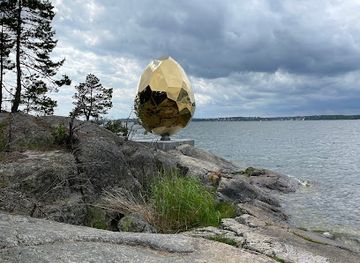
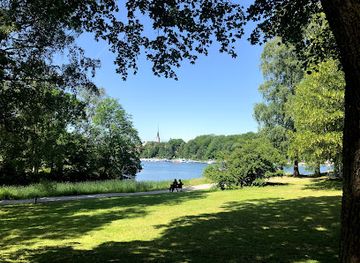
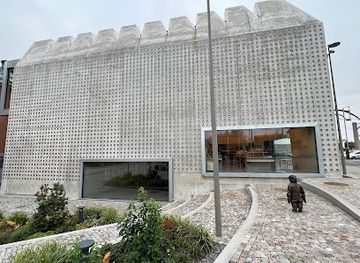
Explore Maritime Museum on the Map
A handpicked selection of must-see spots near Maritime Museum, mapped for you.
Getting There
-
Public bus (from central Stockholm)
Take city bus 69 from Stockholm Central Area to the Museiparken stop; journey time typically 15–25 minutes depending on traffic, services run frequently but reduce in late evening; single adult fare charged in SEK, approximately 45–55 SEK depending on ticket type and purchase method.
-
Tram / Light rail and short walk
Use the local tram or Djurgården tourist tram services to the Djurgårdsbron or nearby stops, then walk over typically 10–20 minutes across parkland terrain; trams run on scheduled timetables with limited frequency outside peak hours and require a valid public-transport ticket costing around 45–55 SEK per adult.
-
Taxi or rideshare
Taxi from central Stockholm to Djurgården usually takes 10–20 minutes depending on congestion; fares typically range 150–300 SEK and may be higher during peak periods—consider traffic delays and drop-off restrictions near the museum entrance.
For the on-the-go comforts that matter to you
-
 Restrooms
-
 Drink Options
-
 Food Options
-
 Seating Areas
-
 Information Boards
-
 Visitor Center
Discover more about Maritime Museum
An architectural setting shaped by sea and Sweden
Sjöhistoriska sits on Djurgården in Stockholm in a building completed in the 1930s that frames its collections with classical proportions and a curved facade. The rotunda and trophy hall form the spatial heart of the museum, where high narrow windows and marble surfaces create a cool, focused light that suits objects made of brass, wood and rope. Later alterations and sensitive renovations have added accessible entrances, a library and basement workshop spaces without losing the original civic ambition of the design.What the galleries hold and why they matter
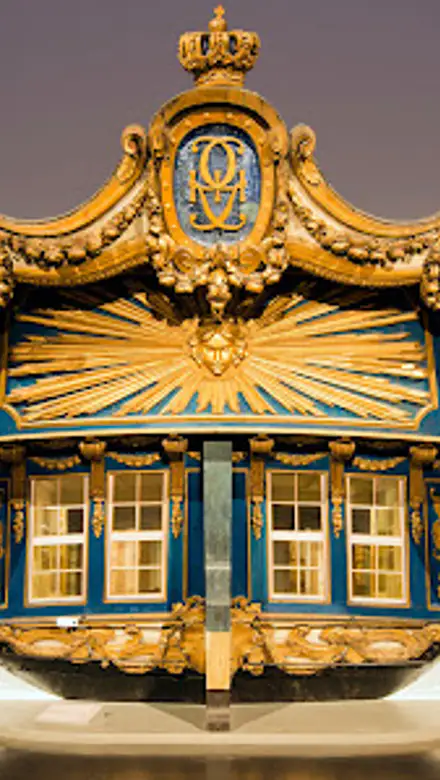
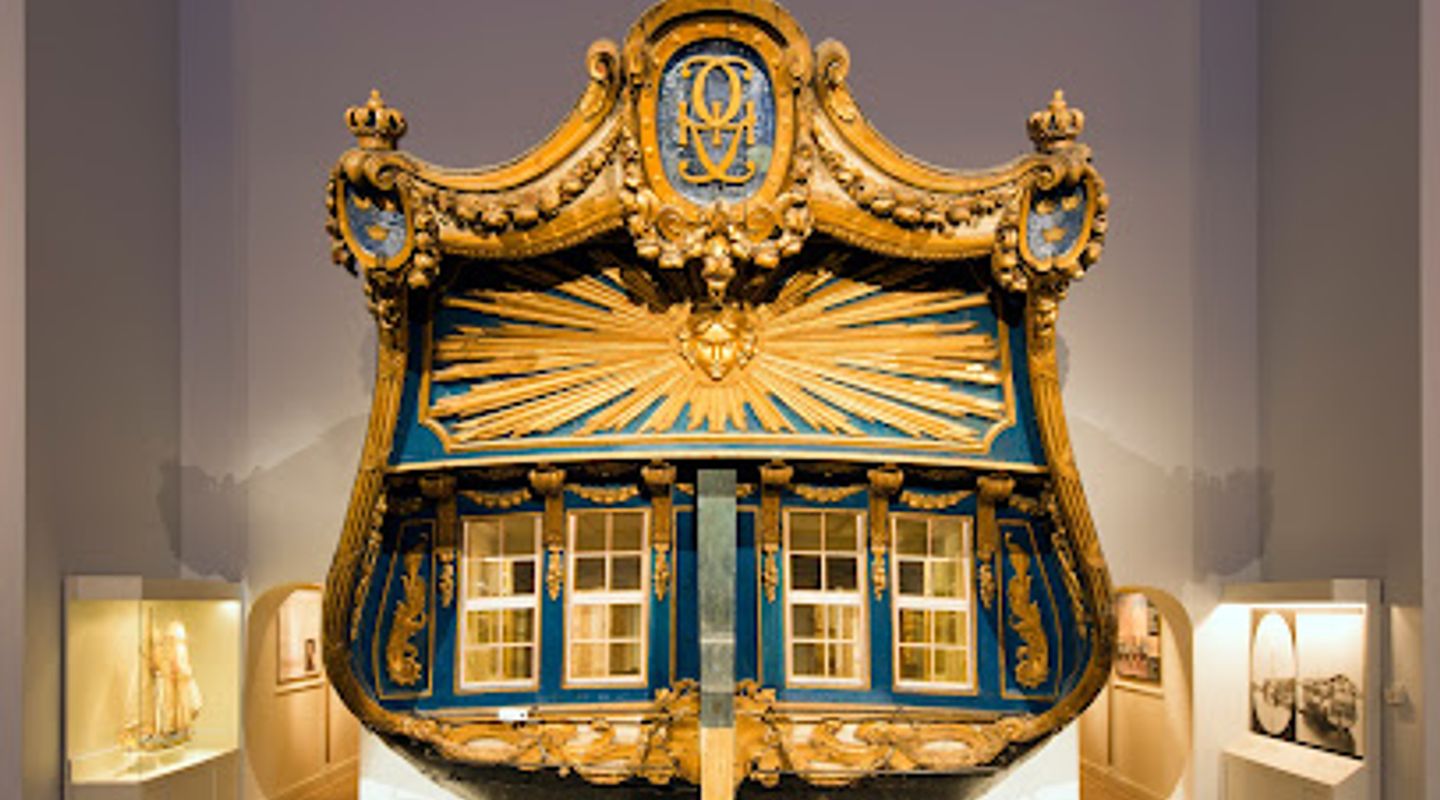
The museum traces Sweden’s relationship with the sea across centuries: merchant voyages, naval warfare, coastal livelihoods and encounters with the wider world. Expect large historic models and scale reconstructions, ship fittings and navigational instruments, archival photographs and multimedia installations that place vessels in social and economic context. Displays move between intimate personal objects and sweeping stories of trade routes, exploration and coastal communities, giving multiple entry points for different interests and ages.The ship collection and the floating exhibits
Beyond the building itself, Sjöhistoriska extends to the water with a small fleet of museum ships and a pier that is active in the summer season. These vessels—ranging from workboats to older naval craft—offer a tactile contrast to indoor displays: steel decks, brass fittings, engine rooms and compact crew spaces where the scale of life at sea becomes immediate. In summer months the quay and ships provide both exhibit space and atmospheric waterfront viewing.Family facilities, learning and tactile programmes
The museum programmes emphasise hands-on learning. A permanent children’s room and weekend creative workshops invite younger visitors to experiment with maritime themes, shipbuilding games and storytelling. A dedicated workshop in the basement serves schools and families, while the museum library houses reference material for deeper research. These facilities make the museum both a place for casual curiosity and for structured learning about maritime heritage.Café life and sensory character
The on-site café occupies a favourable position, offering hot drinks and simple meals with views over the water; it’s a place where the museum’s marine atmosphere is audible—distant gull calls, the metallic tinkle of rigging, the low thrum of boats. Inside the galleries you’ll notice smells of old wood and wax, the cool tactile feel of rope and ropework displays, and the visual rhythm of rows of model ships that reward slow inspection.












Your all‑in‑one travel companion app
Explore expert travel guides, compare and book tours, experiences, hotels, and more—all from the palm of your hand. Download now for seamless trip planning wherever your wanderlust takes you.


Explore More of Stockholm Archipelago
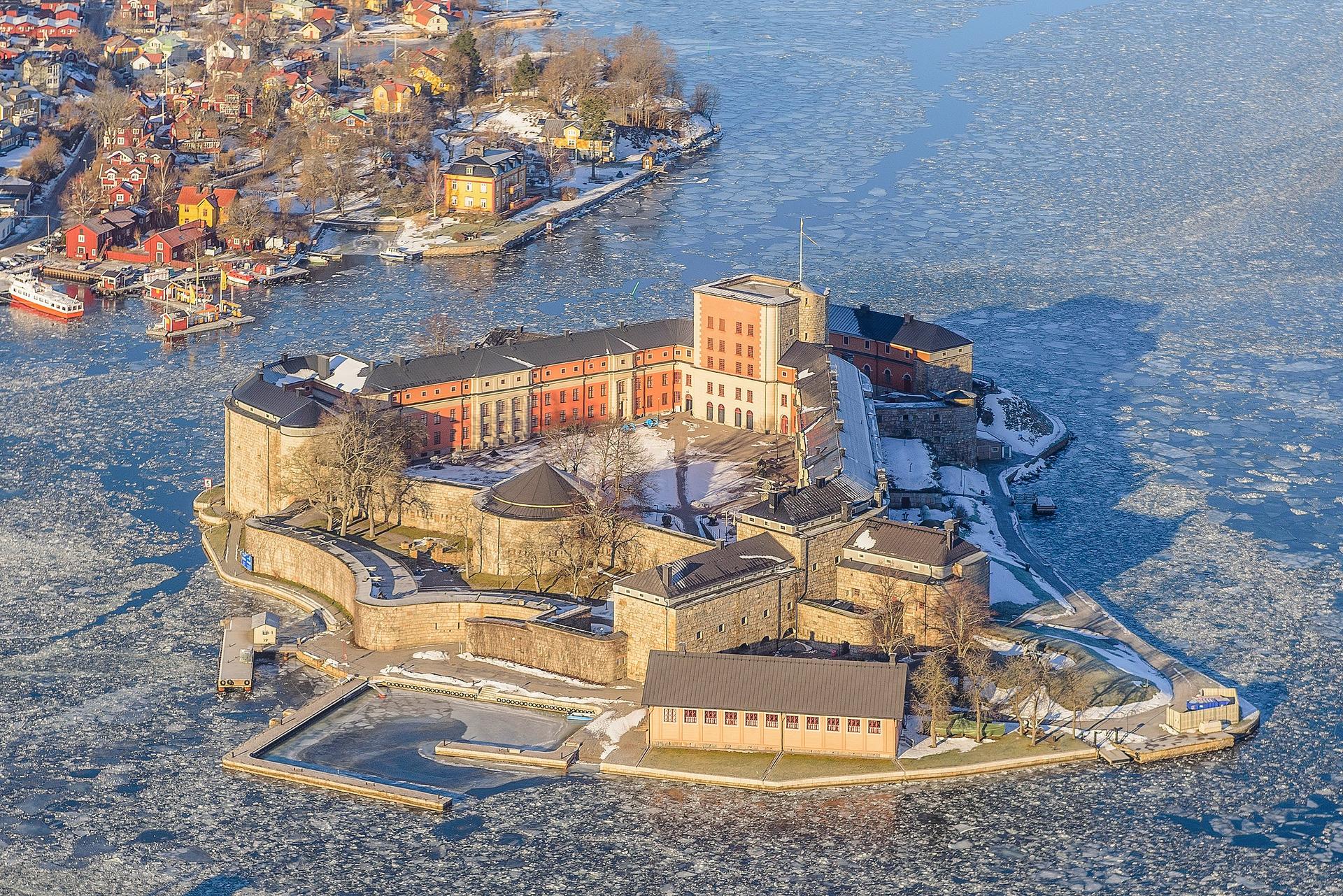
Looking beyond Maritime Museum? Discover Stockholm Archipelago for broader travel guides, local hot-spots, and regional highlights.
Explore Stockholm Archipelago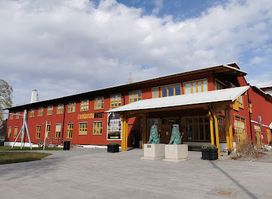
A world of object stories — ceremonial masks, textiles and global traditions brought together in thoughtful, thematic exhibitions on Djurgården.
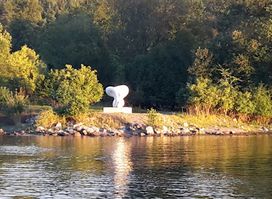
Upplev teknikens magi i interaktiva utställningar och Wisdome-domen – ett äventyr för nyfikna själar i alla åldrar på Norra Djurgården.