Karl XII Statue, Stockholm Travel Guide
A compact 19th‑century bronze of Sweden’s warrior‑king set amid the leafy paths of Kungsträdgården, framed by four historic mortars.
An eminent 19th‑century bronze of King Charles XII stands in Kungsträdgården, Stockholm, portraying the warrior‑king in a commanding pose surrounded by four historic mortars; the monument combines 19th‑century national memory, sculptural detail and a leafy park setting at Karl XII:s torg, making it a compact but evocative piece of Sweden’s public history.
A brief summary to Karl XII Statue
- Karl XII:s torg 9, Stockholm, 111 47, SE
- Duration: 0.25 to 1 hours
- Free
-
 Outdoor
- Mobile reception: 4 out of 5

Know before you go
Hi, I'm Eve. Here are a few practical things to know before exploring Karl XII Statue.
- Visit during daylight to read surface details and inscriptions; the statue is outdoors and viewable at all hours.
- Pause at the surrounding paving to appreciate the mortars — they are older war trophies with a different cast and patina.
- Combine the stop with a wander through Kungsträdgården to experience how the monument sits in the park’s sequence of paths and cafés.
Do you manage this location?
Take control to get all the benefits, like improved information, better appearance, and stronger visibility across AI-powered discovery. Learn more about listing your business on Evendo
Activate your presenceOther nearby places you may find interesting
The closest places of the same kind, if this one is not quite what you had in mind.

Explore Karl XII Statue on the Map
A handpicked selection of must-see spots near Karl XII Statue, mapped for you.
Unlock the Best of Karl XII Statue
Buy tickets
-
No tickets available
Book tours with entry
-
No tours available
Book tours without entry

Getting There
-
Public transport (metro + walk)
Metro to the central station area followed by a 6–10 minute easy walk across flat paved city streets; services run frequently (every 2–10 minutes during the day). Low cost — single fares typically charged in SEK (approx. 30–45 SEK per trip depending on ticket type). Expect crowds during peak commuting hours and limited luggage space on carriages.
-
Tram or bus
Surface trams and buses serve central stops near Kungsträdgården with a 5–12 minute walk from major stops; vehicles operate regularly but timing varies by route and evening schedules are reduced. Tickets cost in the same fare band as metro (around 30–45 SEK single fare) and must be validated before travel; some routes have limited weekend or night frequencies.
-
Taxi or rideshare
Taxi or app‑based ride usually takes 5–15 minutes from nearby central districts depending on traffic; price ranges widely but expect roughly 90–200 SEK for short central trips. Note: central city traffic and limited kerb space can affect drop‑off convenience at busy times.
For the on-the-go comforts that matter to you
-
 Seating Areas
-
 Food Options
-
 Information Boards
-
 Restrooms
Discover more about Karl XII Statue
An emblem in the King’s Garden
The Karl XII statue occupies a small paved clearing within Kungsträdgården and marks a visible point at Karl XII:s torg in central Stockholm. The bronze figure depicts King Charles XII in military dress, poised and gesturing forward; the sculpture’s scale and the low plinth make the king both present and accessible from close range. Four short‑barrelled mortars rest around the base, historic trophies that add texture and a martial frame to the composition.Sculptor, material and dates
The monument was produced in the 19th century as part of a wave of national‑historic sculpture across Sweden. The statue’s bronze casting is robust and detailed: uniform folds, facial features and the sword’s angle are worked with 19th‑century academic care. The surrounding artillery — older pieces repurposed as decorative elements — provides a tangible link to battlefield spoils and the iconography of victory prevalent in the era when the memorial was commissioned.Historic resonance and symbolism
Charles XII (Karl XII) is one of Sweden’s most complex historical figures — a young absolute monarch famed for daring campaigns and for presiding over the final phase of Sweden’s era as a great power. The statue reads as a commemorative gesture: it celebrates martial resolve and empire‑era memory while also standing as an artifact that invites reflection on the costs and consequences of sustained warfare. The mortars, cast elsewhere and captured in earlier campaigns, emphasize the monument’s layered military provenance.Setting and sensory character
Placed within the leafy, often bustling atmosphere of Kungsträdgården, the statue benefits from the contrast between bronze and green. On a clear day light picks out subtle details of the metalwork; in evening the silhouette reads starkly against the sky. You’ll hear city noise filtered through trees — tram and street murmurs, conversations from nearby cafés — and feel the sculptural weight in a compact urban pocket that still allows quiet inspection.Notable details to notice up close
Approach the plinth to examine casting marks, the sculptor’s attention to uniform and facial modelling, and the relief work on the gun carriages. The mortars’ surfaces show a different patina and history than the statue itself, telling a story of reuse and display. The plinth is purposefully modest so that the figure is close to eye level, encouraging contemplation rather than distant veneration.How the monument fits the cityscape
Though not monumental in footprint, the statue functions as a node within Stockholm’s constellation of civic sculpture. It forms a historic counterpoint to nearby architectural and civic sites and is part of an urban sequence that layers royal memory, public green space and everyday life. Whether viewed as art, history or urban object, the statue communicates a 19th‑century approach to public commemoration placed within a popular central garden.












Your all‑in‑one travel companion app
Explore expert travel guides, compare and book tours, experiences, hotels, and more—all from the palm of your hand. Download now for seamless trip planning wherever your wanderlust takes you.


Explore More of Stockholm
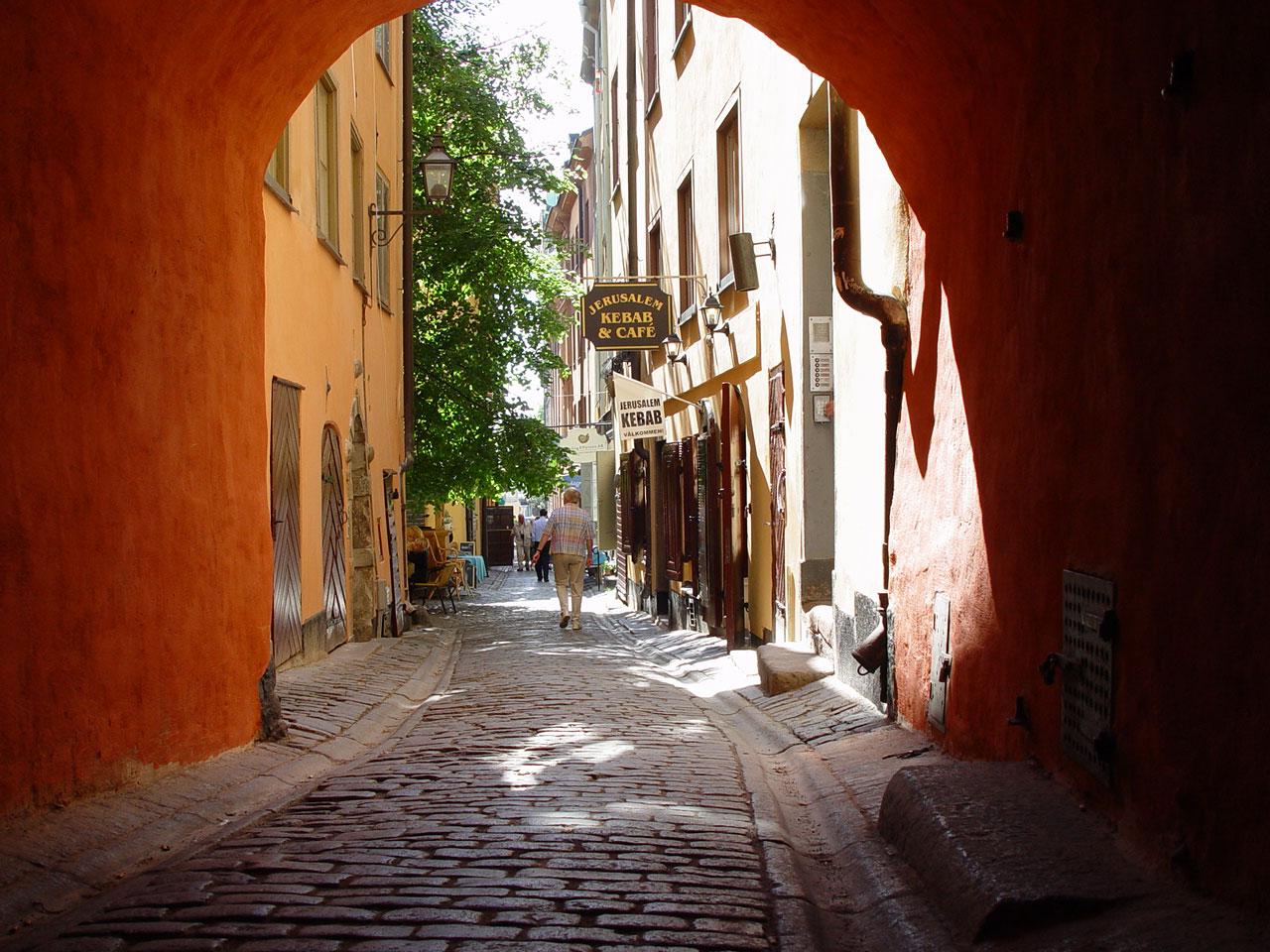
Looking beyond Karl XII Statue? Discover Stockholm for broader travel guides, local hot-spots, and regional highlights.
Explore Stockholm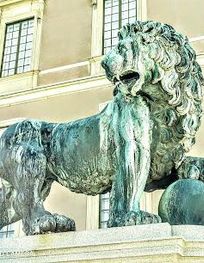
Ascend the Lion Slope to Stockholm's Royal Palace, where Medici lions guard ramps of granite and marble, unveiling waterfront panoramas and medieval secrets below.
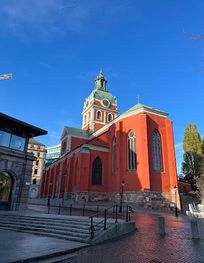
A compact yet layered 17th-century red-brick church beside Kungsträdgården — historic fabric, baroque interiors and a long musical life in the heart of Stockholm.