
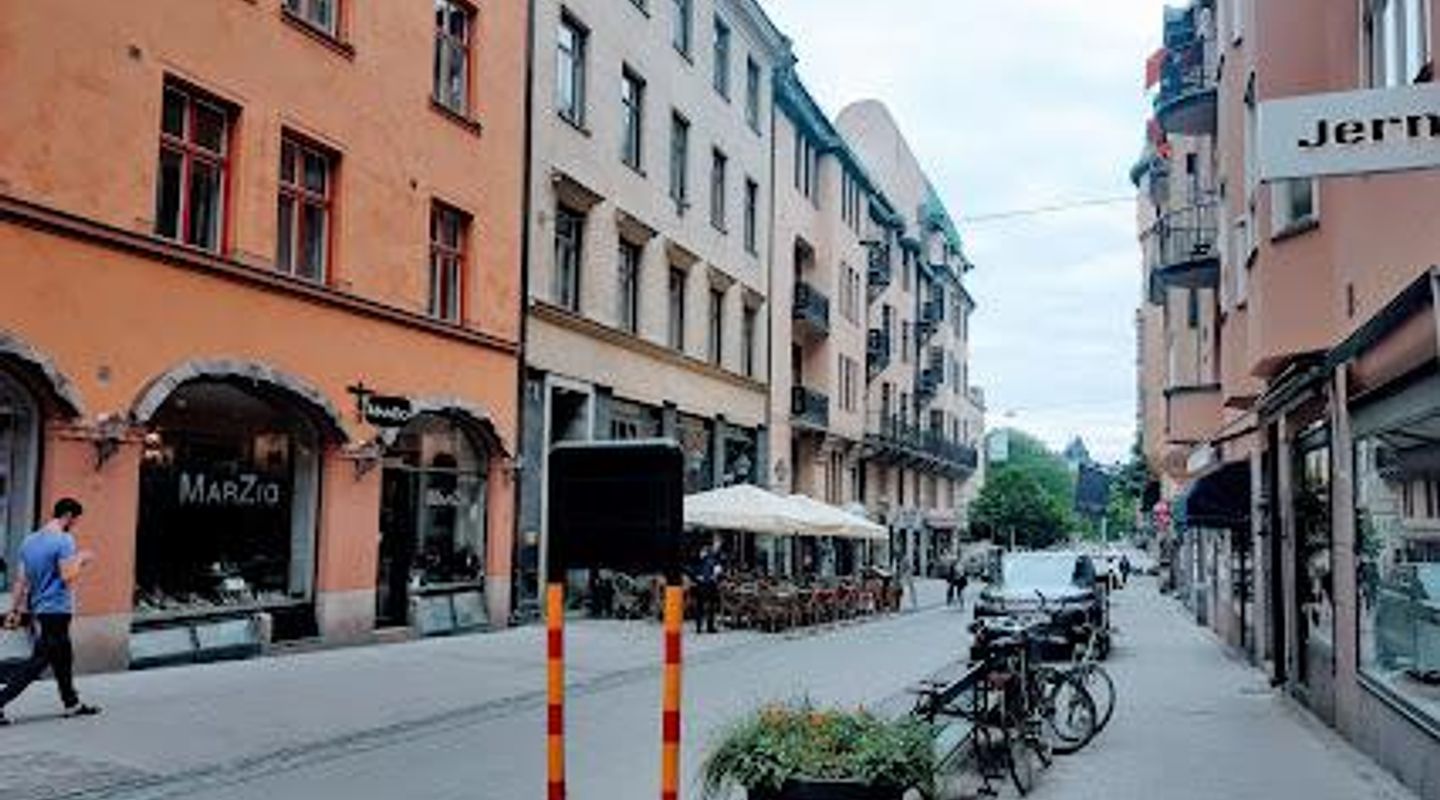
Östermalmstorg, Stockholm Travel Guide
Stockholm's elegant market square: historic heart of Östermalm with iconic hall, bold sculptures, and daily stalls brimming with Nordic freshness since the 1600s.
Östermalmstorg serves as the vibrant heart of Stockholm's upscale Östermalm district, a pedestrian-friendly square dating back to the 17th century. Anchored by the iconic Östermalmshallen market hall opened in 1888, it features daily fresh produce stalls, provocative sculptures like Willy Gordon's 'Möte,' and contemporary art such as Akane Moriyama's water-inspired 'Vindspår.' Nearby Hedvig Eleonora church adds historic depth, while the subway station below keeps it connected. Once a gritty marketplace called Ladugårdslandz Torget amid wooden shacks, it transformed into a refined gathering spot with elegant surroundings, bustling with locals shopping for gourmet foods and visitors soaking in the lively yet sophisticated atmosphere.
A brief summary to Östermalmstorg
- Stockholm, SE
- Duration: 0.5 to 1.5 hours
- Free
-
 Outdoor
- Mobile reception: 5 out of 5

Know before you go
Hi, I'm Eve. Here are a few practical things to know before exploring Östermalmstorg.
- Visit Östermalmshallen early morning for the freshest seafood and meats; sample smoked salmon or gravlax from specialist stalls.
- Examine Willy Gordon's 'Möte' sculpture closely—its provocative forms spark debate on labor and equality.
- Time your visit for weekdays to enjoy quieter market vibes; weekends bring lively crowds and flower vendors.
- Pair square exploration with a stroll to nearby Hedvig Eleonora church for contrasting historic architecture.
Do you manage this location?
Take control to get all the benefits, like improved information, better appearance, and stronger visibility across AI-powered discovery. Learn more about listing your business on Evendo
Activate your presenceOther nearby places you may find interesting
The closest places of the same kind, if this one is not quite what you had in mind.



Explore Östermalmstorg on the Map
A handpicked selection of must-see spots near Östermalmstorg, mapped for you.
Unlock the Best of Östermalmstorg
Buy tickets
-
No tickets available
Book tours with entry
-
No tours available
Book tours without entry

Getting There
-
Subway
Take the red line to Östermalmstorg station directly beneath the square; trains run every 3-5 minutes daytime, free with travelcard, 24/7 service with reduced frequency late nights.
-
Bus
Bus 2 or 57 from city center like Sergels torg reaches stops at Storgatan or Sibyllegatan in 10-15 minutes; fares 25-40 SEK single ticket, frequent service peak hours, limited after 11 PM.
-
Walking
From Nybroplan, 10-12 minute flat walk along Nybrogatan; smooth pavements fully accessible, scenic past upscale shops, safe anytime.
-
Bicycle
City bikes via app from nearby stations to racks at square edges take 5-8 minutes from Stureplan; rental 25 SEK first 30 minutes, bike lanes throughout, secure parking available.
For the on-the-go comforts that matter to you
-
 Restrooms
-
 Drink Options
-
 Food Options
-
 Seating Areas
-
 Trash Bins
-
 Information Boards
Discover more about Östermalmstorg
Origins in the 17th Century
Östermalmstorg emerged on early 17th-century planning maps as a classic axial square, aligned east-west along Storgatan as its main thoroughfare. Initially known as Ladugårdslandz Torget, it occupied a rough area on the outskirts of Stockholm, surrounded by simple wooden structures and open land. Descriptions from 1797 paint it as a vast, desolate space, ill-suited for grandeur amid the sparse development of what was then a peripheral pastureland called Ladugårdsgärdet.By the mid-19th century, the square remained dotted with rudimentary shops selling foodstuffs, reflecting its role as a local trading hub. Military influences loomed large in the neighborhood, with barracks and storage facilities nearby, underscoring Östermalm's evolution from rural fringe to urban edge.Transformation and the Market Hall Era
The late 19th century marked a pivotal shift. In 1888, Östermalmshallen opened its doors, introducing a grand iron-and-glass market hall that elevated the square's status. This structure became the focal point, offering a covered space for vendors peddling fresh meats, seafood, cheeses, and produce, drawing both residents and visitors to its bustling interior.Storgatan once bisected the square, choked with traffic until pedestrianization in the 20th century restored its communal essence. The name officially changed to Östermalmstorg in 1932, coinciding with the arrival of Sweden's first Åhléns department store on its northern edge, further cementing its commercial prominence.Sculptural Statements and Artistic Revival
Public art defines the square's character. Willy Gordon's bronze sculpture group 'Möte' (The Meeting), installed in stages from 1974 to 1988, depicts a nude man carrying meat on his shoulder approaching a reclining woman—a bold commentary on labor, gender roles, and shared burdens. Gordon, who trained at Stockholm's Royal Academy of Fine Arts, infused his expressive style into this controversial yet enduring piece.Recent renovations welcomed Akane Moriyama's 'Vindspår' (Wind Traces), a poetic installation evoking water's forms—rain, snow, ice, steam—tying into Stockholm's aquatic identity and the market's sustenance theme. These works blend historical reverence with modern interpretation, enhancing the square's cultural allure.Architectural Neighbors and Neighborhood Pulse
Hedvig Eleonora church, construction begun in 1658, stands sentinel to the east, its baroque spire a reminder of Östermalm's deepening roots. The area transitioned under 19th-century plans like Albert Lindhagen's, introducing tree-lined boulevards that attracted affluent builders, reshaping the district into Stockholm's poshest quarter.Daily market stalls revive the square's trading heritage, offering seasonal blooms, artisanal breads, and seafood amid café seating. Beneath lies the subway station, operational since the 1960s, pulsing with commuter energy while keeping the surface serene.A Living Hub in Östermalm
Today, Östermalmstorg embodies refined urbanity: traffic-free paving invites lingering, surrounded by elegant facades of stone, stucco, and brick. It hosts seasonal events, from flower markets to cultural gatherings, maintaining its salutorg identity—a salutory market square—at the nexus of key streets like Sibyllegatan and Nybrogatan.The blend of preserved history and thoughtful updates ensures it remains a beloved anchor, where the scent of fresh fish mingles with coffee aromas, and passersby pause to admire art amid the gentle hum of city life.












Your all‑in‑one travel companion app
Explore expert travel guides, compare and book tours, experiences, hotels, and more—all from the palm of your hand. Download now for seamless trip planning wherever your wanderlust takes you.


Explore More of Stockholm
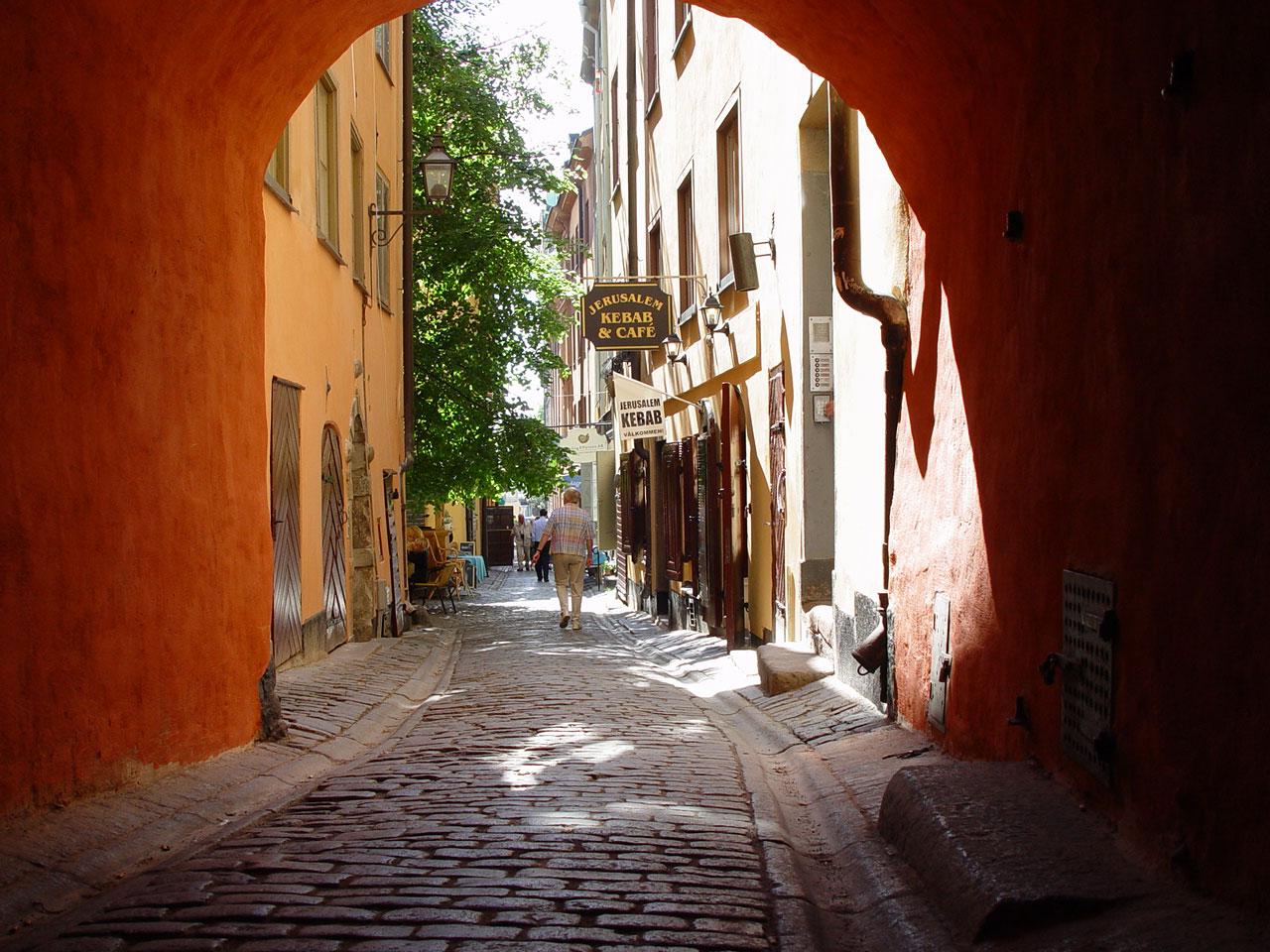
Looking beyond Östermalmstorg? Discover Stockholm for broader travel guides, local hot-spots, and regional highlights.
Explore Stockholm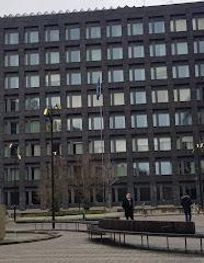
A triangular Norrmalm square where Stockholm’s ridge-born history and layered architecture meet modern civic life.
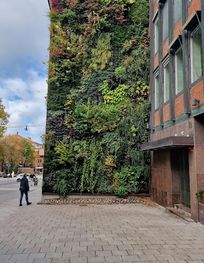
Discover Stockholm's Wall of Plants, a stunning vertical garden that beautifully integrates nature into the urban landscape, perfect for nature lovers and city explorers.
