The Royal Dramatic Theatre, Stockholm Travel Guide
Sweden's regal national stage: Gustav III's 1788 gift to drama, housed in a 1908 Art Nouveau masterpiece at Nybroplan, where Strindberg echoes eternally.
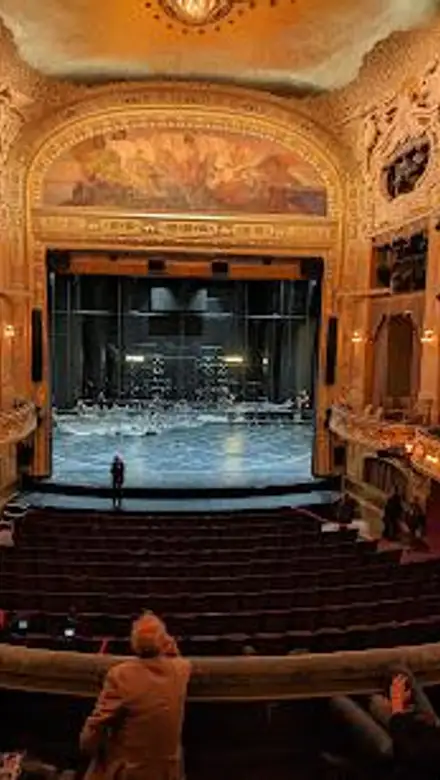
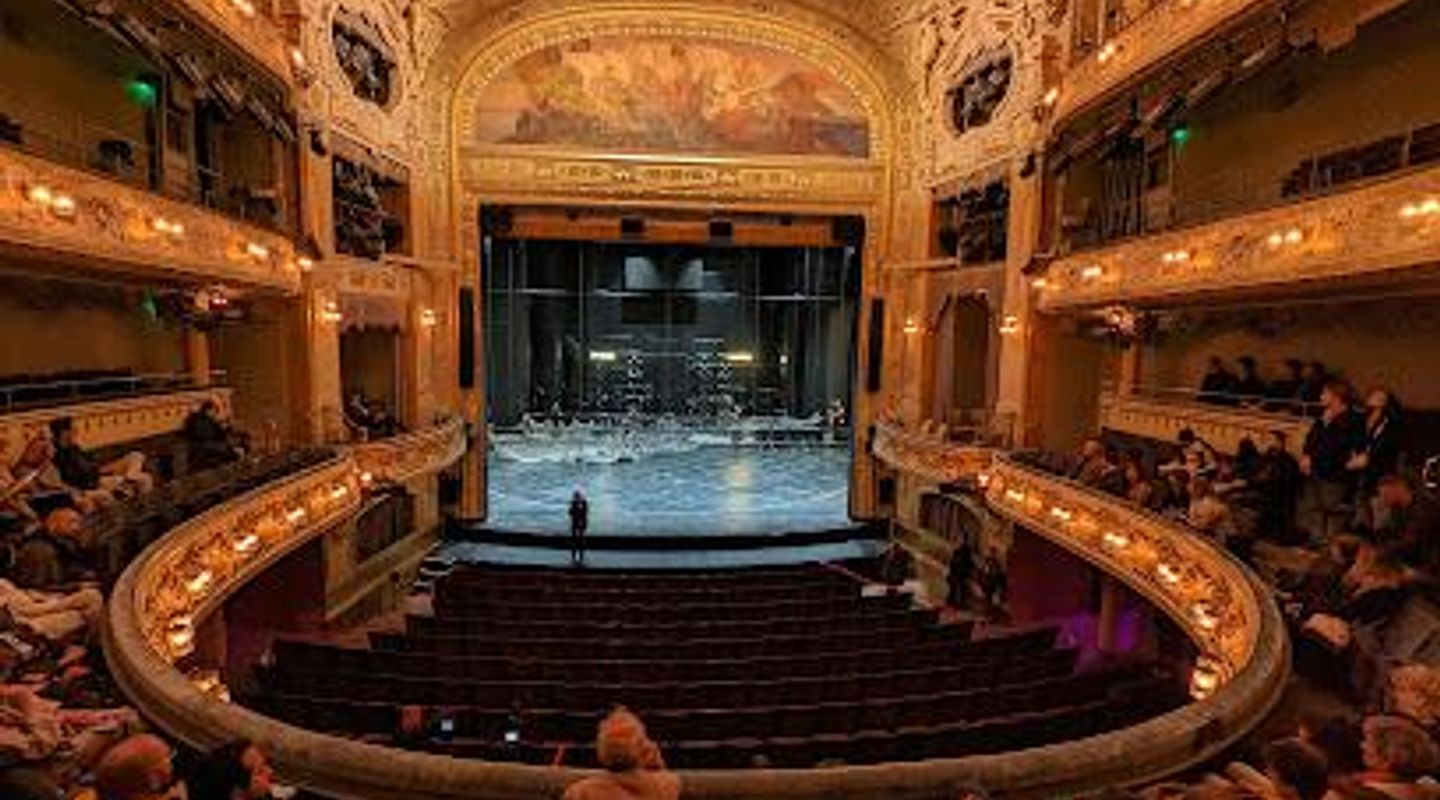
Sweden's national stage for spoken drama, the Kungliga Dramatiska Teatern—known as Dramaten—stands as a majestic Art Nouveau landmark at Nybroplan. Founded by Gustav III in 1788, this marble-clad palace opened in 1908 with Strindberg's Mäster Olof, hosting premieres of iconic works amid its elegant horseshoe auditorium and multiple intimate stages.
A brief summary to The Royal Dramatic Theatre
- Nybroplan, Stockholm, 111 47, SE
- Click to display
- Click to display
- Duration: 0.5 to 2 hours
- Mid ranged
-
 Outdoor
- Mobile reception: 5 out of 5

Know before you go
Hi, I'm Eve. Here are a few practical things to know before exploring The Royal Dramatic Theatre.
- Book tickets well in advance for main stage productions, as sold-out premieres are common during the season.
- Explore the facade's intricate Jugend sculptures after dark, when floodlights accentuate the marble's glow.
- Visit the box office for insights into ongoing repertoire, blending classics with bold contemporary works.
- Combine a Dramaten visit with a waterfront stroll along Nybroviken for panoramic city views.
Do you manage this location?
Take control to get all the benefits, like improved information, better appearance, and stronger visibility across AI-powered discovery. Learn more about listing your business on Evendo
Activate your presenceOther nearby places you may find interesting
The closest places of the same kind, if this one is not quite what you had in mind.



Explore The Royal Dramatic Theatre on the Map
A handpicked selection of must-see spots near The Royal Dramatic Theatre, mapped for you.
Unlock the Best of The Royal Dramatic Theatre
Buy tickets
-
No tickets available
Book tours with entry


Getting There
-
Metro
Take the red line T14 or T19 to Kungsträdgården station, 8-10 minute walk across Nybroplan; frequent services every 3-5 minutes, no extra fare beyond base ticket €3-4.
-
Bus
Board bus 2 or 55 from central stops like Sergels torg to Nybroplan stop, 5-7 minutes travel time; operates every 10 minutes daytime, single ticket €3-4, limited evening service.
-
Walking
From nearby Kungliga Operan, 12-15 minute flat paved stroll along waterfront paths; fully accessible, scenic but exposed to weather.
-
Taxi
Hail from city center hubs, 5-8 minute ride depending on traffic; €10-15 flat rate zones apply, surge pricing evenings and peaks.
For the on-the-go comforts that matter to you
-
 Restrooms
-
 Drink Options
-
 Food Options
-
 Seating Areas
-
 Information Boards
Discover more about The Royal Dramatic Theatre
Gustav III's Visionary Founding
Kungliga Dramatiska Teatern, affectionately called Dramaten, emerged from King Gustav III's passion for culture in May 1788. Seeking a Swedish counterpart to France's Comédie Française, the king established a national stage for spoken drama in the native tongue, moving away from dominant French performances. The inaugural venue was the repurposed Bollhuset near the Royal Palace, a site with a century of theatrical history, where early plays cultivated language, taste, and morals through Swedish works.Gustav III's influence extended beyond patronage; he penned pieces himself and shaped the repertoire, blending entertainment with enlightenment ideals. This royal initiative marked Sweden's entry into serious national dramaturgy, setting the foundation for a legacy of artistic excellence.Itinerant Years and Fiery Trials
Dramaten's early decades were nomadic, shifting locations amid challenges. By 1793, the dilapidated Bollhuset gave way to the opulent Makalös palace at Kungsträdgården, a 17th-century gem that hosted plays for over three decades. Tragedy struck in 1825 when fire erupted during a performance, reducing the structure to ashes in hours.The company relocated to share the Royal Opera house at Gustav Adolfs torg, despite its suboptimal acoustics for dialogue. In 1863, King Karl XV acquired the nearby Mindre Teatern, allowing refined ensemble acting in intimate spaces suited to rising realist dramas by writers like Alfhild Agrell.A Marble Palace in Jugend Splendor
The current edifice at Nybroplan, a waterfront jewel, arose from 1901 to 1908 under architect Fredrik Lilljekvist. Clad in gleaming Ekebergsmarmor, its swirling Art Nouveau facade draws from Nordic flora—vines, flowers, and trees adorning portals and friezes sculpted by artists like Christian Eriksson. Costing 6.3 million kronor, far exceeding estimates, it became Sweden's grandest public building.The February 18, 1908, inauguration featured August Strindberg's Mäster Olof in five acts, directed by August Lindberg and Knut Michaelson. The horseshoe auditorium offers a diorama-like vista, preserving the era's peep-show theater intimacy while accommodating vast audiences.Expanding Stages and Enduring Legacy
Post-war expansions enriched Dramaten's offerings. In 1945, the adjacent Sibyllan cinema transformed into Lilla Scenen (Little Stage), debuting with Eugene O'Neill's Alla guds barn har vingar under Alf Sjöberg. Further venues like Lejonkulan, Målarsalen, Tornrummet, and Elverket followed, enabling experimental and intimate productions.Today, Dramaten remains Sweden's preeminent talteater venue, premiering global and local masterpieces—from Strindberg and O'Neill to contemporaries—upholding its role as cultural heartbeat amid Stockholm's vibrant Nybroplan.Architectural Marvels Unveiled
Lilljekvist's design masterfully blends functionality with ornament. The main entrance's lion guardians and floral motifs evoke organic grace, while interiors boast gilded ceilings, plush velvet, and superior acoustics honed for spoken word. Multiple foyers and ateliers sustain a hive of creative energy, from set workshops to rehearsal halls.More to explore near The Royal Dramatic Theatre













Your all‑in‑one travel companion app
Explore expert travel guides, compare and book tours, experiences, hotels, and more—all from the palm of your hand. Download now for seamless trip planning wherever your wanderlust takes you.


Explore More of Stockholm
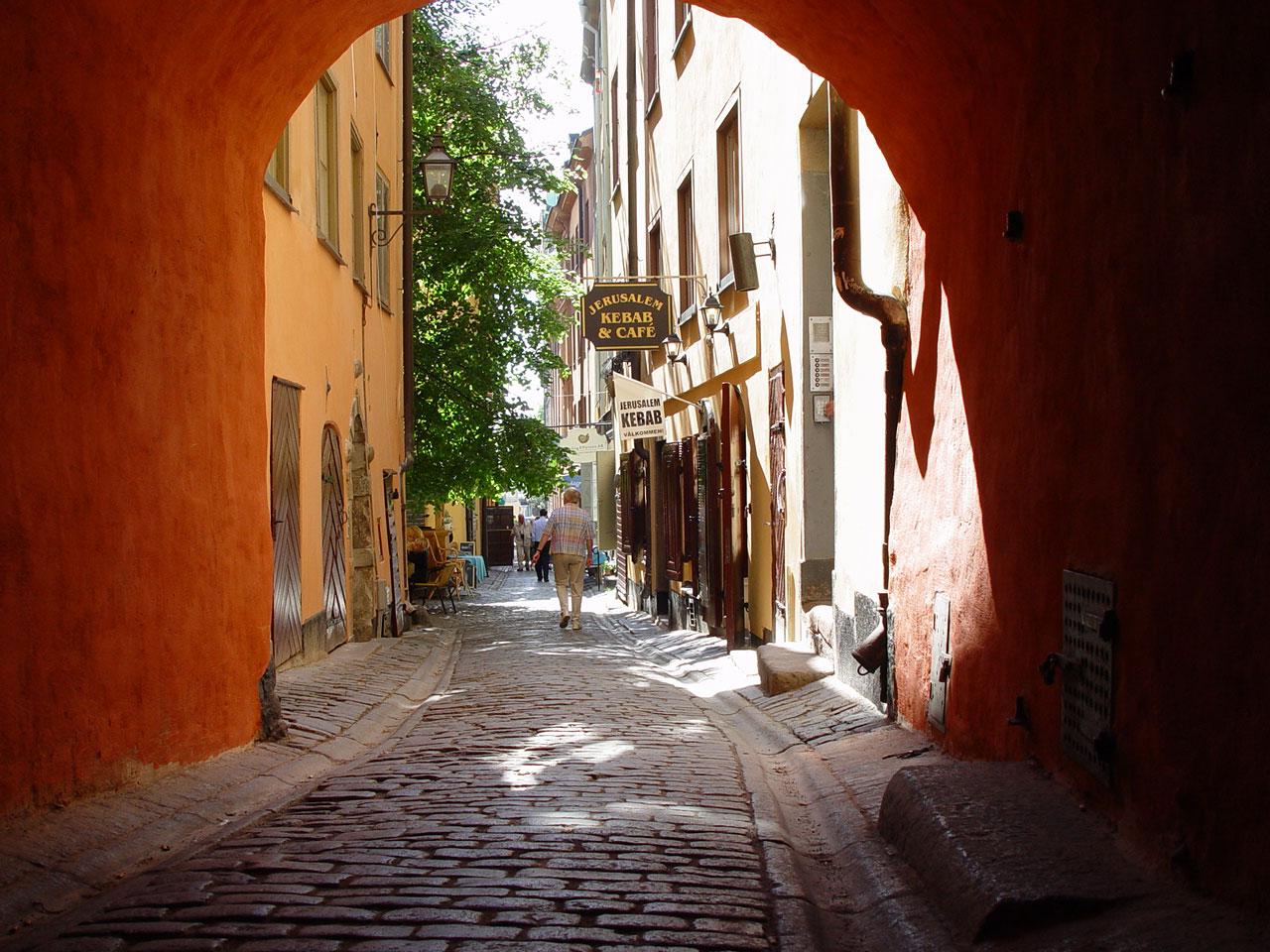
Looking beyond The Royal Dramatic Theatre? Discover Stockholm for broader travel guides, local hot-spots, and regional highlights.
Explore Stockholm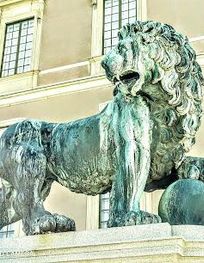
Majestic lion-flanked ramps ascending to Stockholm's Royal Palace, unveiling Baroque splendor, panoramic waterways, and medieval depths below.

Discover the Margareta Krook Statue in Stockholm, a stunning tribute to Sweden's beloved actress, set in the picturesque Nybroplan square.