Minnessten Spanska sjukan Travel Guide
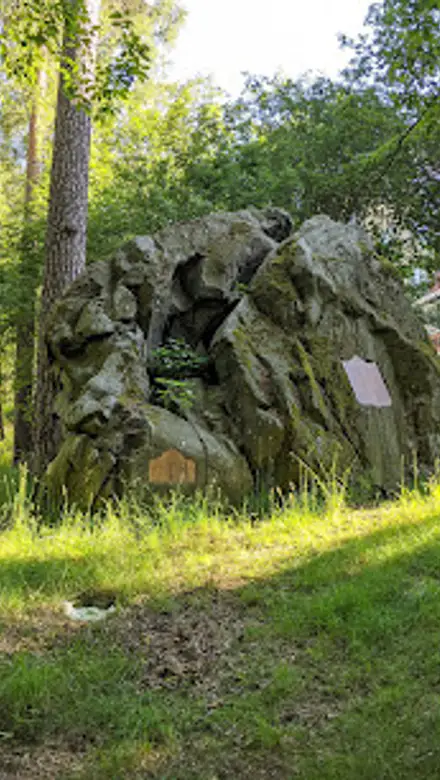
Free Guide: Solemn stone memorializing Spanish Flu victims from Västerås regiment, evoking the 1918 pandemic's deadly grip on crowded barracks.


A brief summary of Minnessten Spanska sjukan
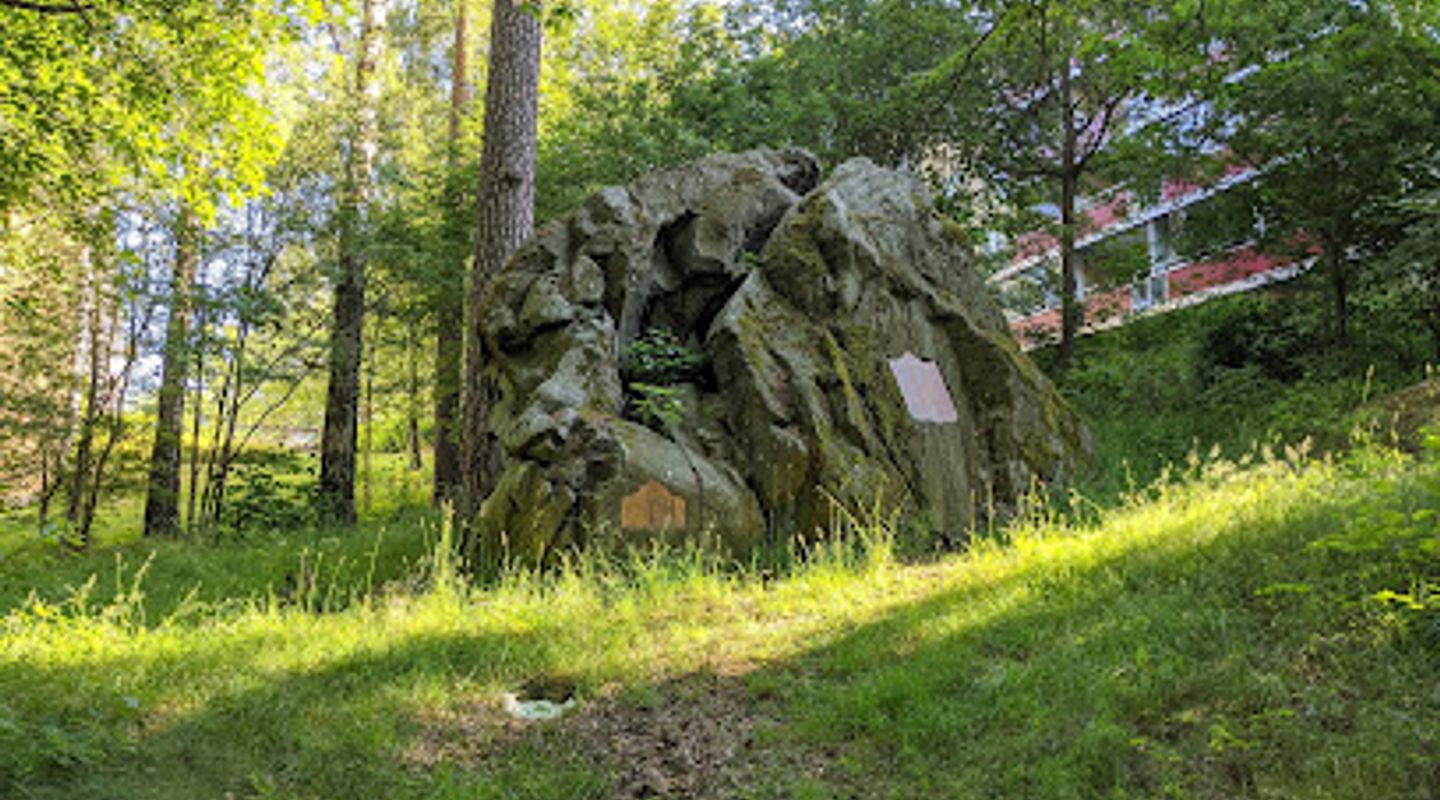
Solemn stone memorializing Spanish Flu victims from Västerås regiment, evoking the 1918 pandemic's deadly grip on crowded barracks.
A poignant memorial stone at Regementsgatan 11 in Västerås commemorates the victims of the Spanish Flu pandemic in 1918. Erected in memory of soldiers from Västmanlands regemente who perished during a deadly outbreak at the military barracks, it stands as a somber reminder of one of history's worst pandemics, which claimed around 250 lives in the city amid crowded regimental exercises.
On-site amenities
 Seating areas
 Trash bins
 Information boards
- Address
- Regementsgatan 11, 723 45 Västerås
- Website
Getting there
Bus
Walking
Cycling
Taxi
Discover more about Minnessten Spanska sjukan
Outbreak at the Regimental Barracks
In September 1918, Västmanlands infanteriregemente in Västerås became ground zero for a devastating wave of the Spanish Flu. Three year-groups of soldiers, totaling 2357 men, were called in for exercises despite early warnings of the disease's spread in crowded conditions. A single soldier from Krokom fell ill first, triggering a rapid explosion of cases that overwhelmed the regimental hospital. Within days, 80 had died, transforming the barracks into a site of profound tragedy.The stone at Regementsgatan 11 marks this exact location, where young men from rural areas gathered, unknowingly facilitating the virus's transmission through shared air and close quarters. Västerås, dubbed 'the city turned into a morgue' in contemporary reports, saw approximately 250 deaths from the flu between 1918 and 1919.
Spanska Sjukan's Global Fury
The Spanish Flu, or Spanska sjukan, erupted worldwide in 1918 amid World War I's chaos, infecting around 500 million and killing 20-50 million. Unlike typical influenza, it struck hardest at healthy young adults aged 20-40, causing violent symptoms: high fever, muscle agony, bleeding from orifices, and often fatal pneumonia. In Sweden, 27,000 perished by early 1919, with military sites like Västerås amplifying the toll due to troop movements.Authorities debated canceling exercises but proceeded, a decision echoed across Sweden where kaserns became infection hubs. One-third of conscripts nationwide fell ill, exposing healthcare limits designed for smaller outbreaks.
Local Impact and Lasting Echoes
Västerås suffered acutely as soldiers carried the virus home, spiking civilian deaths. The regimental site, now Viksäng area, hosted emergency measures, but resources faltered. The memorial stone, dedicated to the fallen of Västmanlands regemente (I 18), was later stolen and restored, symbolizing communal efforts to honor the lost.This unassuming marker contrasts the site's grim past, inviting reflection on pandemics' indiscriminate reach. It stands amid urban remnants of the old barracks, a quiet testament to resilience.
Historical Significance Today
Erected post-pandemic, the minnessten preserves memory of an event overshadowed by war. Unlike grand monuments, its simplicity underscores everyday horror: feverish coughs echoing in barracks, makeshift wards, and families shattered. Visiting evokes the fragility of public health amid global crises.The stone's restoration in recent years, marked by theater and silence, reaffirms its role in local heritage, linking Västerås to a shared human story of loss and recovery.
Evendo Review Centre
 Google
Guest reviews
Best time to go
Quietest: Jan, Feb & Dec · before 8am or from 9pm
Busy times are Evendo estimates for a typical year, to help you plan. Actual crowds vary with events, school holidays and the weather.
Explore Minnessten Spanska sjukan on the map
A handpicked selection of must-see spots near Minnessten Spanska sjukan, mapped for you.
Get your free copy of our complete guide to Minnessten Spanska sjukan, delivered straight to you.
Everything on this page, from opening hours and how to get there to Eve’s tips and the best time to go, in one PDF you can read offline, print or share.
Already have an account? Sign in
Your Minnessten Spanska sjukan guide is ready.
We'll send it to · Not you? Sign out

Getting your guide ready…
We are putting together a fresh copy of the Minnessten Spanska sjukan guide. This can take up to a minute.
This can take a few moments. If your browser asks, choose Allow so the download can start. You'll find the guide in your Downloads folder.
Nothing happened? Download it again
Sorry, the guide is taking longer than usual. Please try again in a minute, or get it by email instead.
Other nearby places you may find interesting
The closest places of the same kind, if this one is not quite what you had in mind.
-
-
-
-
-


Swipe for more places
More to explore near Minnessten Spanska sjukan
-
 Best experiences near Minnessten Spanska sjukan
-
 Best hotels near Minnessten Spanska sjukan
-
 Best landmarks near Minnessten Spanska sjukan
-
 Best attractions near Minnessten Spanska sjukan
-
 Best shops near Minnessten Spanska sjukan
-
 Best restaurants near Minnessten Spanska sjukan
-
 Best bars near Minnessten Spanska sjukan


Do you manage this location?
Take control to get all the benefits, like improved information, better appearance, and stronger visibility across AI-powered discovery.
Explore more
Explore more of Västmanland
Discover Västmanland: A blend of natural beauty, historical treasures, and modern attractions in the heart of Sweden.
Explore Västmanland
Explore more of Sweden
Discover Sweden's breathtaking landscapes, vibrant cities, and rich cultural heritage. From the Northern Lights to historic castles, experience the essence of Scandinavia.
Explore Sweden