
Skogskapellet, Stockholm Travel Guide
Gunnar Asplund's woodland whisper: a petite chapel where white columns pierce pine shadows on Stockholm's UNESCO-listed Skogskyrkogården.
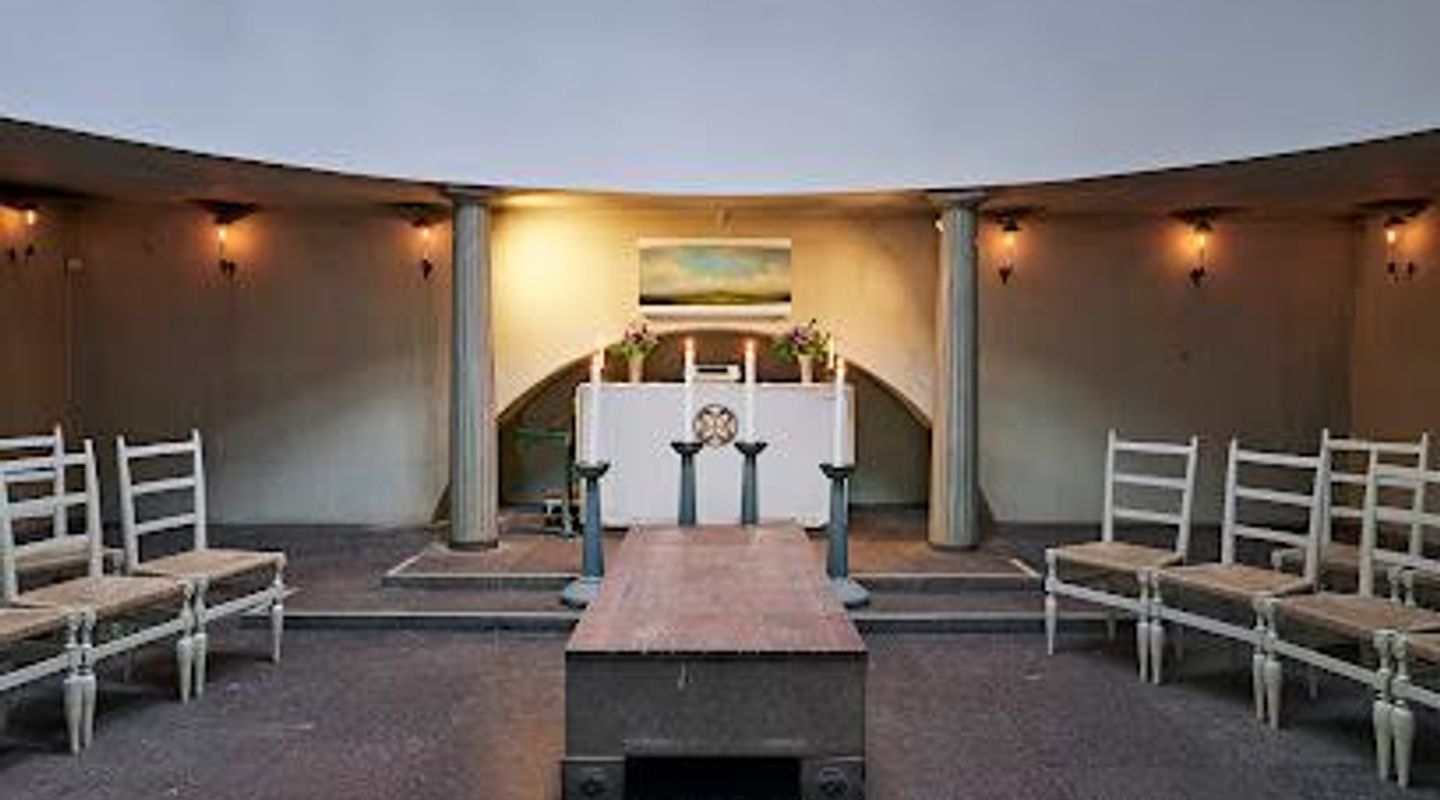
Nestled deep within the pine forests of Skogskyrkogården, a UNESCO World Heritage site, Skogskapellet stands as Gunnar Asplund's intimate 1920 wooden chapel. Inspired by Danish 18th-century architecture, its white columns, tarred shingle roof, and subtle symbols create a serene space for reflection amid nature's embrace. Free entry welcomes visitors to this architectural gem blending sacred design with woodland tranquility.
A brief summary to Skogskapellet
- Sockenvägen 492, Enskede, 122 33, SE
- Click to display
- Duration: 0.5 to 1.5 hours
- Free
-
 Outdoor
- Mobile reception: 4 out of 5

Know before you go
Hi, I'm Eve. Here are a few practical things to know before exploring Skogskapellet.
- Seek the Angel of Death sculpture above the entrance; its subtle gaze draws the eye amid the forest canopy.
- Notice the keyhole's skull-eye design on the door—a masterful symbol of passage into reflection.
- Observe how light plays from the central oculus, creating a meditative glow on the limestone floor.
- Appreciate the forehall's twelve columns, echoing apostolic symbolism in minimalist form.
Do you manage this location?
Take control to get all the benefits, like improved information, better appearance, and stronger visibility across AI-powered discovery. Learn more about listing your business on Evendo
Activate your presenceOther nearby places you may find interesting
The closest places of the same kind, if this one is not quite what you had in mind.


Explore Skogskapellet on the Map
A handpicked selection of must-see spots near Skogskapellet, mapped for you.
Getting There
-
Public Bus
Take bus 183 or 184 from Gullmarsplan station to Skogskyrkogården terminus, 20-25 minutes, SEK 32-40 one-way; services every 15-30 minutes, fully accessible with low-floor buses.
-
Walking
From Skogskyrkogården main entrance, follow the main path through pine groves for 1.2-1.5 km, 20-25 minutes on flat gravel terrain suitable for most walkers, with benches en route.
-
Taxi
Taxi from central Stockholm or nearby Enskede, 25-35 minutes depending on traffic, SEK 400-600; ample drop-off space at cemetery entrance, available 24/7.
-
Bicycle
Cycle via dedicated paths from Södermalm, 30-40 minutes over 10 km mostly flat with some gentle inclines; secure bike racks at main gate, city bikes rentable nearby.
For the on-the-go comforts that matter to you
-
 Restrooms
-
 Seating Areas
-
 Information Boards
-
 Trash Bins
Discover more about Skogskapellet
Architectural Origins in the Forest
Skogskapellet emerged as the inaugural structure of Skogskyrkogården, designed by visionary architect Gunnar Asplund and completed between 1919 and 1920. Initially conceived as a stone chapel, budget constraints prompted a redesign into a modest wooden pavilion immersed in the pine woods. This shift drew profound inspiration from Asplund's visit to Liselund Slot, a petite 18th-century Danish manor on the island of Møn, infusing the chapel with neoclassical elegance adapted to its woodland setting.The chapel's exterior features a striking black tarred shingle roof contrasting sharply against white walls and twelve slender columns in the forehall, evoking the apostles. Atop the entrance perches Carl Milles' delicate sculpture of the Angel of Death, now a composite replica safeguarding the original.Intimate Interior and Symbolic Details
Measuring just 9 by 11 meters, Skogskapellet accommodates up to 35 mourners, fostering profound intimacy. Light filters solely from an oculus in the inner dome, bathing the red limestone floor in soft illumination, while the absence of outward-facing windows seals visitors in contemplative isolation. Portable gustavian chairs replace fixed pews, enhancing flexibility.Subtle symbols abound: the door's keyhole forms a skull's eye, ushering entry into mortality's realm, while the wrought-iron gate weaves Christian motifs. The original altar painting vanished, succeeded by Peter Frie's landscape evoking the surrounding woods.Harmony with Skogskyrkogården's Landscape
As the first edifice of Skogskyrkogården, opened in 1920, Skogskapellet anchors a revolutionary cemetery design by Asplund and Sigurd Lewerentz. Forged from former gravel pits reclaimed by pines, this 100-hectare site prioritizes nature's dominance, with architecture subservient to the terrain's rhythms. The chapel's placement deep in the forest underscores the ethos of life-death-life continuum, where paths meander through undulating hills and memorials blend seamlessly with flora.UNESCO recognition in 1994 celebrates this fusion, lauding its influence on global landscape architecture.Enduring Legacy of Serenity
Skogskapellet transcends its funerary role, inviting contemplation for all. Its national romantic undertones marry modern restraint, creating a timeless sanctuary. Ceremonies here emphasize equality—no ostentatious monuments disrupt the egalitarian graves—and welcome diverse beliefs through minimal iconography.Today, it remains a poignant counterpoint to larger chapels like Uppståndelsekapellet, built in 1925 to meet growing needs, preserving its essence as a hushed woodland retreat.












Your all‑in‑one travel companion app
Explore expert travel guides, compare and book tours, experiences, hotels, and more—all from the palm of your hand. Download now for seamless trip planning wherever your wanderlust takes you.


Explore More of Stockholm
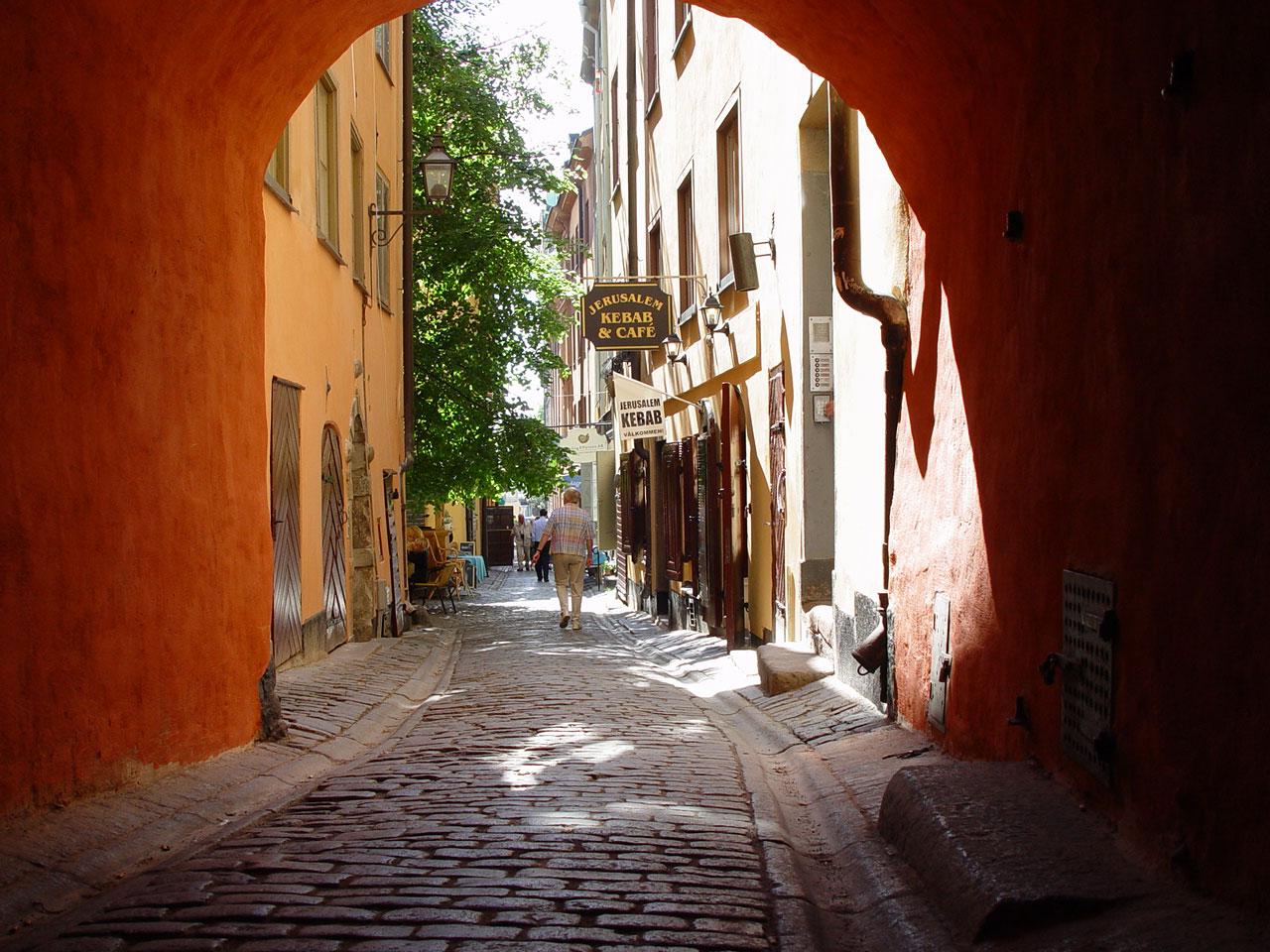
Looking beyond Skogskapellet? Discover Stockholm for broader travel guides, local hot-spots, and regional highlights.
Explore Stockholm
Discover the breathtaking views of Stockholm from the historic Katarina Elevator, an iconic attraction that elevates your travel experience.
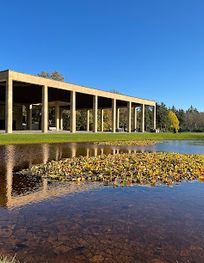
UNESCO-listed woodland haven where Asplund and Lewerentz's genius fuses pine forests, chapels, and paths into a profound meditation on life and death.
