
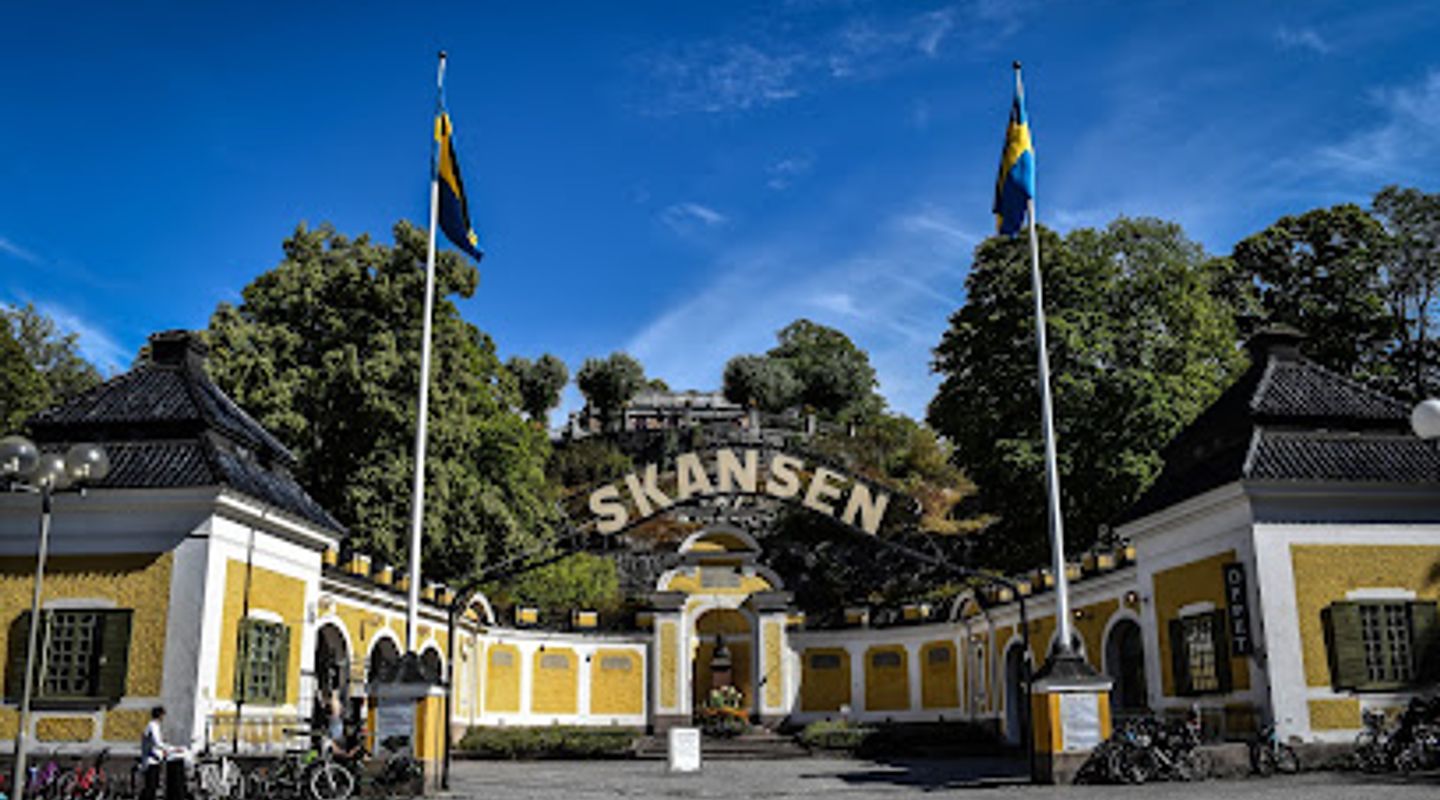
Skansen, Svealand Travel Guide
A living panorama of Swedish homes, crafts, wildlife and seasonal festivals on historic Djurgården.
Skansen is the world’s oldest open‑air museum, where Sweden’s regional homes, farmsteads and craft traditions sit amid parkland and a Nordic wildlife collection on Djurgården in Stockholm. The site blends cultural history, seasonal festivals and living demonstrations with gardens, a children’s zoo and viewpoints over the city and water.
A brief summary to Skansen
- Djurgårdsslätten 49-51, Stockholm, 115 21, SE
- Click to display
- Click to display
- Duration: 2 to 6 hours
- Mid ranged
-
 Mixed
Mixed
- Mobile reception: 4 out of 5
- Monday 10 am-6 pm
- Tuesday 10 am-6 pm
- Wednesday 10 am-6 pm
- Thursday 10 am-6 pm
- Friday 10 am-6 pm
- Saturday 10 am-6 pm
- Sunday 10 am-6 pm

Know before you go
Hi, I'm Eve. Here are a few practical things to know before exploring Skansen.
- Buy tickets online for the best price and to avoid queues; children under 16 need a free ticket even when admission is complimentary.
- Wear sturdy shoes for cobbles and grassy paths and bring a warm layer—even summer evenings can be chilly by the water.
- Check the daily schedule on arrival for keeper talks, craft demonstrations and seasonal events; these are often time-limited.
- If you visit during winter markets or major festivals, expect modified opening hours and concentrated crowds around market squares and stages.
Do you manage this location?
Take control to get all the benefits, like improved information, better appearance, and stronger visibility across AI-powered discovery. Learn more about listing your business on Evendo
Activate your presenceOther nearby places you may find interesting
The closest places of the same kind, if this one is not quite what you had in mind.
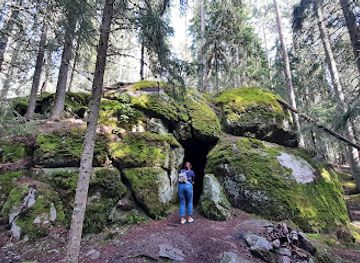




Explore Skansen on the Map
A handpicked selection of must-see spots near Skansen, mapped for you.
Unlock the Best of Skansen
Buy tickets
-
No tickets available
Book tours with entry


Getting There
-
Public transport (tram and bus)
Tram and bus services run from central Stockholm to Djurgården with a typical travel time of 15–25 minutes from the central district; service frequency is high during daytime but may reduce late evening and on public holidays, fares follow the regional public-transport tariff (payable by card or regional transport app).
-
Ferry from central piers
Scheduled tourist ferries and local boat services operate between central piers and Djurgården with journey times of approximately 15–25 minutes; services are seasonal and run more often in spring–autumn, tickets are paid per journey with prices varying by operator and seating class.
-
Taxi or app-based ride
A taxi or ride-hailing trip from central Stockholm takes about 10–20 minutes depending on traffic; fares vary by operator, typically within a moderate urban range and may be higher during peak hours or events; some drop-off points on Djurgården have limited curb space.
For the on-the-go comforts that matter to you
-
 Restrooms
-
 Drink Options
-
 Food Options
-
 Seating Areas
-
 Information Boards
-
 Visitor Center
-
 Trash Bins
Discover more about Skansen
A living map of Sweden’s past
Skansen gathers more than a century of cultural preservation in one park: assembled wooden farmhouses, farmsteads and town buildings moved here from across Sweden to create an architectural panorama of regional life. Interiors, workshops and craft demonstrations recreate everyday skills — from baking and smithing to folk costume and seasonal rituals — so the past exists as processes and sounds, not just objects.Nature and Nordic creatures under one sky
The grounds combine cultivated gardens and grazing pastures with enclosures for native and northern species. Woodland paths lead to exhibits of moose, reindeer and wolverine alongside smaller, domestic breeds at the children’s zoo; keepers’ talks explain behaviour and conservation. The park’s varied habitats make Skansen feel part museum, part small wildlife reserve.Seasonal life and festival rhythms
Skansen is shaped by the Swedish calendar: Midsummer dances, Lucia processions and a historical Christmas market reconfigure the mood and activity across the year. Historic churches and assemblies host music and rituals; market stalls sell crafts and seasonal food, while bonfires, carols and folk dancing bring the built collection to life in cyclical bursts.Spaces to linger, learn and watch
Paths thread from intimate courtyards to broad viewpoints overlooking Stockholm and the harbour. Quiet corners, café terraces and museum rooms offer places to read interpretive panels or overhear a demonstration, while open stages and green spaces stage live music, choir singing and folkloric events. The blend of indoor exhibits and outdoor settings means the visit is varied and tactile.Practical character and accessibility of the site
Skansen’s footprint is spacious but compact enough for a day visit; cobbled yards and wooden thresholds recall earlier building methods and can present uneven surfaces in places. The museum operates on seasonal opening hours and runs a programme of guided talks, workshops and children’s activities that change with the calendar, giving whichever day you come a slightly different emphasis.Why the place matters
More than a collection of artefacts, Skansen’s value lies in its living presentation of cultural memory: buildings inhabited by interpretation, animals cared for with conservation aims, and traditions performed year‑round. It operates as an educational landscape where built heritage, natural history and communal celebration cohabit — an extended tableau of Swedish everyday life across centuries.












Your all‑in‑one travel companion app
Explore expert travel guides, compare and book tours, experiences, hotels, and more—all from the palm of your hand. Download now for seamless trip planning wherever your wanderlust takes you.


Explore More of Svealand
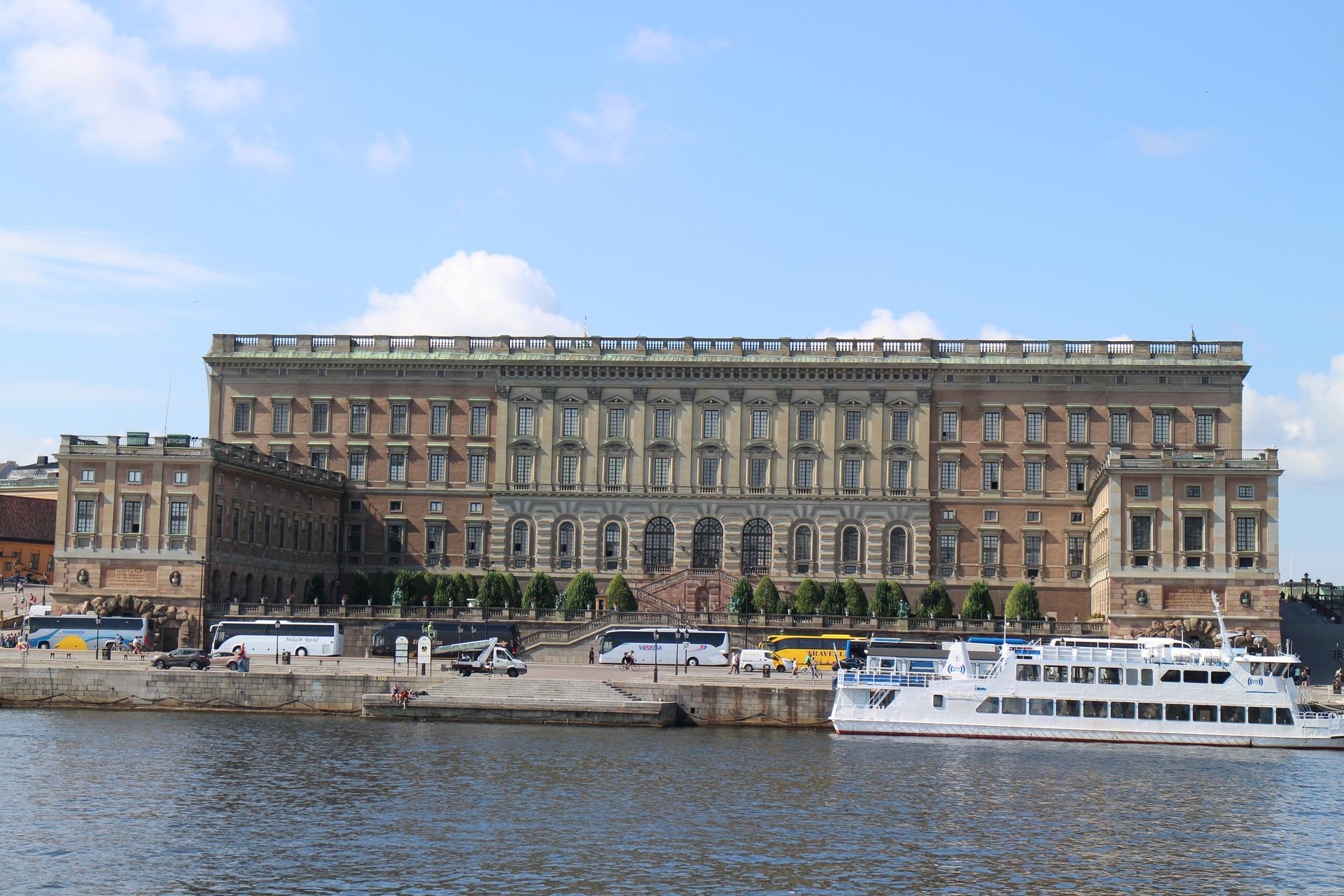
Looking beyond Skansen? Discover Svealand for broader travel guides, local hot-spots, and regional highlights.
Explore Svealand