

Uppsala Castle Travel Guide
Free Guide: A hilltop fortress where Renaissance ruins, contemporary art and sweeping city views meet in one historic Uppsala complex.


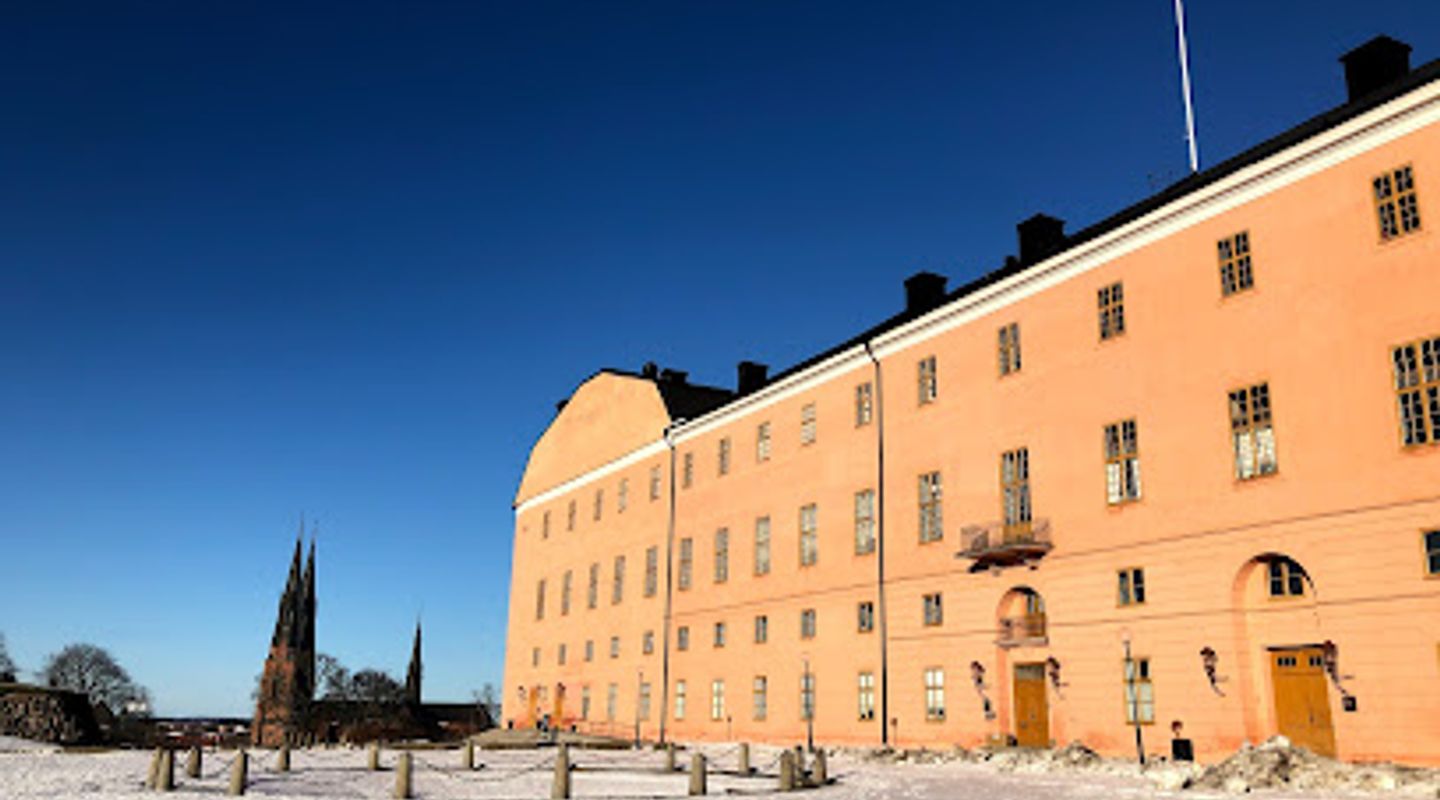
A brief summary of Uppsala Castle
A hilltop fortress where Renaissance ruins, contemporary art and sweeping city views meet in one historic Uppsala complex.
Perched above Uppsala’s river and skyline, Uppsala Castle is a layered site of Swedish statecraft, art and ruin: Renaissance fortification remains, a contemporary art museum and museum displays of the region’s turbulent history sit within the same redbrick complex, while ramparts and courtyards open onto sweeping views of the city and cathedral.
On-site amenities
 Restrooms
 Seating areas
 Sheltered areas
 Information boards
 Visitor centre
- Address
- Slottet, 752 37 Uppsala
- Phone
- Website
Getting there
Bus and local transit
Taxi or rideshare
Walking from central areas
Discover more about Uppsala Castle
From fortress to civic stage
Uppsala Castle began as a 16th‑century royal stronghold and its stones still carry the imprint of dynastic drama and statecraft. The visible structures combine later reconstructions with fragments of the original Vasaborgen ruins: thick masonry, ramparts and the elevated terrace that historically controlled the approaches to the city. You sense both deliberate military geometry and later civic ambition as you move through the castle’s layered volumes.
Art inside historic walls
Housed within the castle is Uppsala Art Museum, which places modern and contemporary works amid vaulted rooms and historically resonant galleries. The contrast between contemporary canvases, ceramics and sculptures and the castle’s older architectural elements is a defining feature — art that consciously dialogues with a building shaped by centuries of shifting uses.
The ruin with a story
Adjacent to the museum galleries are the Vasaborgen ruins: evocative, uneven remains of the original 1500s fortress. Weathered masonry, narrow embrasures and the fragmentary footprint give physical presence to accounts of sieges, reconstructions and the everyday life of a court. The ruin has a theatrical quality at dusk when silhouettes and the hush of the hill create a strongly atmospheric scene.
Terraces, views and urban context
The castle’s elevated position provides panoramic perspectives across Uppsala — the cathedral spires, university buildings and the Öre River valley unfold from the terraces and courtyard. These vistas frame the castle as both an object and a viewpoint: visitors often pause here to take in the city’s proportions and to experience how the site connects Uppsala’s medieval core with later urban growth.
Visitor experience and on‑site practicalities
Inside the museum areas you move between display spaces, explanatory panels and occasional special exhibitions; the museum typically offers introductory tours and runs programming for different ages. The site contains a courtyard and sheltered areas that are used for events in season, and practical facilities for visitors are integrated into the complex without overpowering the historic fabric.
Materiality and atmosphere
Bricks, stone and cast iron combine with plastered interior walls and wooden floors in rooms that shift from cool, quiet galleries to wind‑touched terraces. The sensory impression is one of solid weight and aged presence: footsteps sound different on flagstones than in modern museums, and light falling across weathered stone and contemporary artworks produces striking, unexpected juxtapositions.
Evendo Review Centre
 Google
Guest reviews
Best time to go
Quietest: Jan, Feb & Mar · before 8am or from 9pm
Busy times are Evendo estimates for a typical year, to help you plan. Actual crowds vary with events, school holidays and the weather.
Explore Uppsala Castle on the map
A handpicked selection of must-see spots near Uppsala Castle, mapped for you.
Get your free copy of our complete guide to Uppsala Castle, delivered straight to you.
Everything on this page, from opening hours and how to get there to Eve’s tips and the best time to go, in one PDF you can read offline, print or share.
Already have an account? Sign in
Your Uppsala Castle guide is ready.
We'll send it to · Not you? Sign out

Getting your guide ready…
We are putting together a fresh copy of the Uppsala Castle guide. This can take up to a minute.
This can take a few moments. If your browser asks, choose Allow so the download can start. You'll find the guide in your Downloads folder.
Nothing happened? Download it again
Sorry, the guide is taking longer than usual. Please try again in a minute, or get it by email instead.
Unlock the best of Uppsala Castle
Skip-the-line tickets, guided tours with entry, and walking tours of the area, booked in a few clicks.
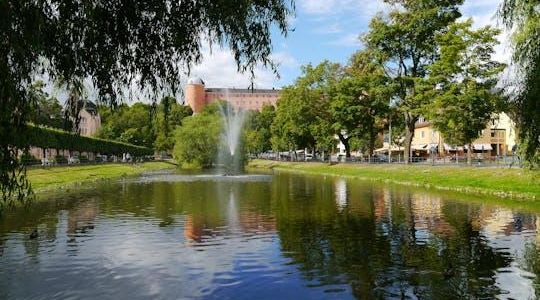 Tour with entry
Learn about the reformation king of Uppsala on a guided walking tour
from $11.26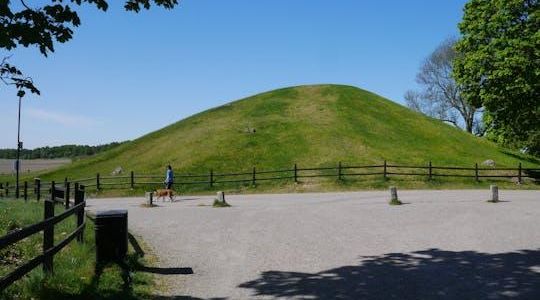 Tour with entry
Guided Viking and vendel era walking tour in historic Uppsala
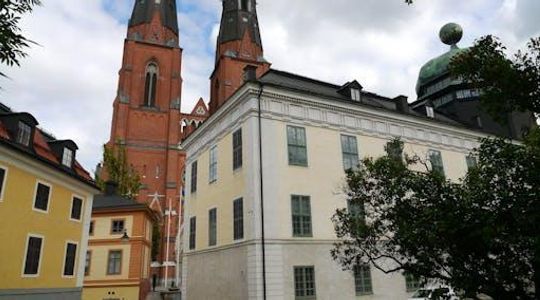
from $42.24 Tour with entry
3h Uppsala city walking tour, Cathedral, university buildings etc
from $147.68 Tour with entry
Day-Trip- to-Uppsala
from $249.56



Other nearby places you may find interesting
The closest places of the same kind, if this one is not quite what you had in mind.
-
-
-
-
-


Swipe for more places
More to explore near Uppsala Castle

 Best experiences near Uppsala Castle
 Best hotels near Uppsala Castle
 Best landmarks near Uppsala Castle
 Best attractions near Uppsala Castle
 Best shops near Uppsala Castle
 Best restaurants near Uppsala Castle
 Best bars near Uppsala Castle
Do you manage this location?
Take control to get all the benefits, like improved information, better appearance, and stronger visibility across AI-powered discovery.
Explore more

Explore more of Uppland
Discover Uppland, Sweden's historic province, with its mix of vibrant cities, serene countryside, ancient Viking sites, and rich cultural heritage.
Explore Uppland
Explore more of Sweden
Discover Sweden's breathtaking landscapes, vibrant cities, and rich cultural heritage. From the Northern Lights to historic castles, experience the essence of Scandinavia.
Explore Sweden
