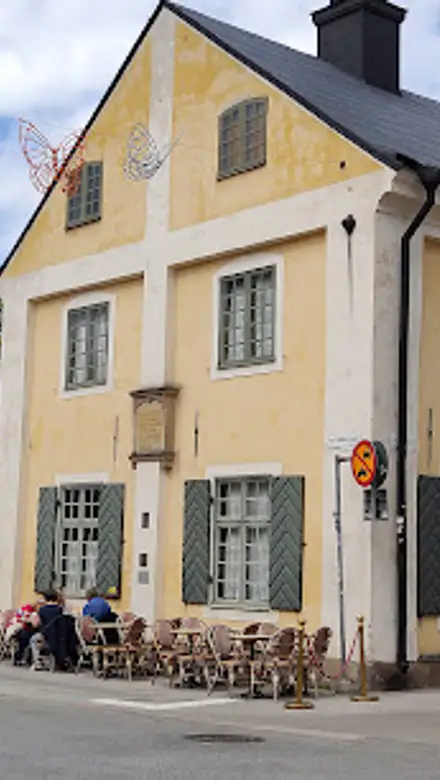
The Linnaeus Museum, Uppsala Travel Guide
Free Guide: Step into Carl Linnaeus’s 18th‑century home and its living garden — where furniture, specimens and plants trace the origins of modern botany.


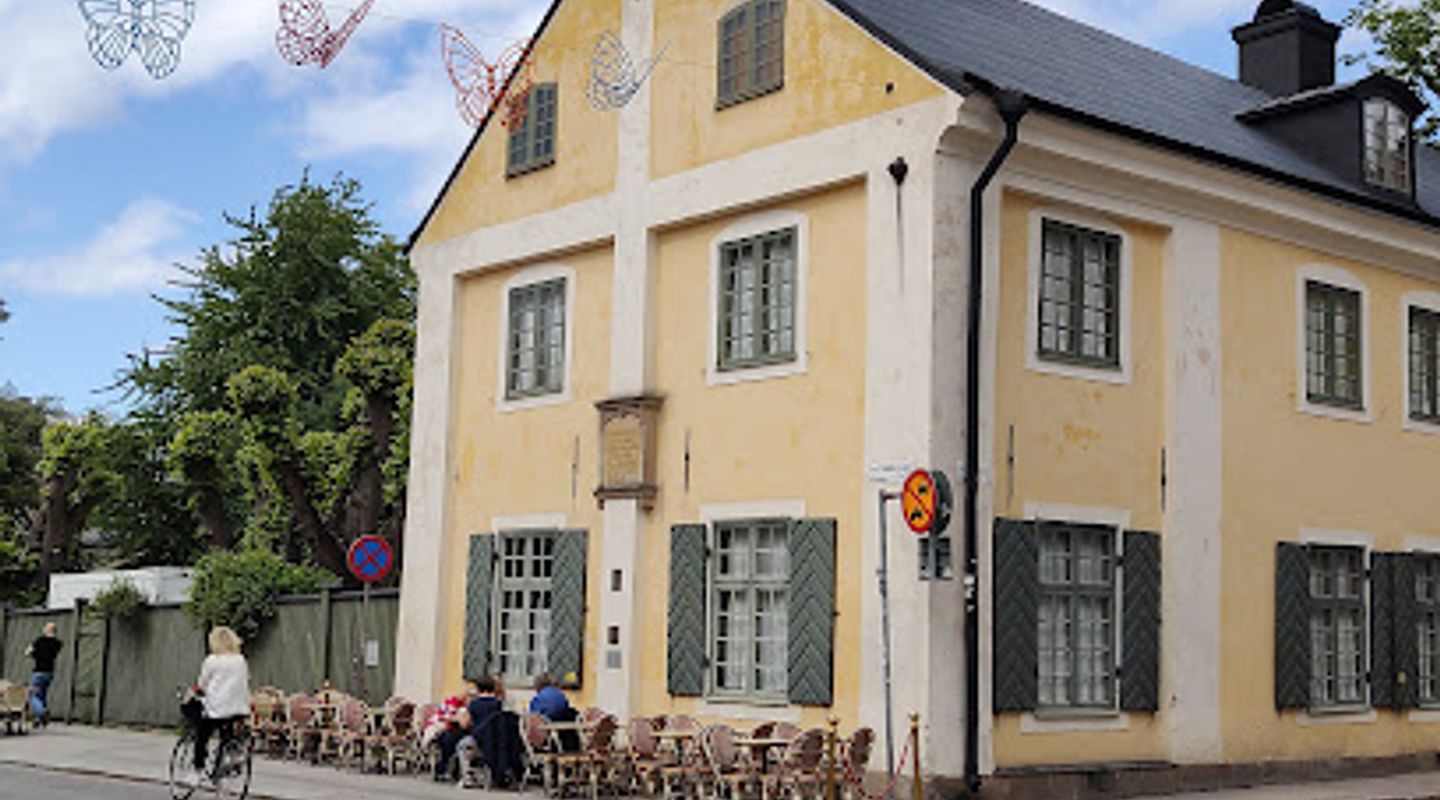
A brief summary of The Linnaeus Museum
Step into Carl Linnaeus’s 18th‑century home and its living garden — where furniture, specimens and plants trace the origins of modern botany.
Housed in the 18th‑century residence of Carl Linnaeus within the restored Linnaeus Garden, the Linnaeus Museum preserves the atmosphere of an Enlightenment scholar’s home and laboratory. Period wall coverings, original furniture and cabinets of curiosities illustrate Linnaeus’s domestic life and global scientific network, while the adjacent garden grows plants arranged by his own classification system.
On-site amenities
 Seating areas
 Information boards
 Visitor centre
 Restrooms
 Drink options
Opening hours
- MonClosed
- Tue11 am–5 pm
- Wed11 am–5 pm
- Thu11 am–5 pm
- Fri11 am–5 pm
- Sat11 am–5 pm
- Sun11 am–5 pm
Opening hours as listed on the venue’s Google Business Profile. Hours can change for services and special events, so check with the venue before you go.
- Address
- Svartbäcksgatan 27 B, 750 15 Uppsala
- Phone
- Website
Getting there
Public transport (from Uppsala Central Station)
Walking (from Uppsala Central Station)
Taxi or rideshare
Discover more about The Linnaeus Museum
A house that became a laboratory of ideas
The Linnaeus Museum occupies the former residence where Carl Linnaeus lived and worked in the 1700s; its rooms retain painted linen wallcoverings, period panelling and much original furniture that together create the sense of stepping into an Enlightenment household. Cabinets, chests and trays hold instruments, specimens and written material that reflect both Linnaeus’s everyday routines and the practical demands of botanical research in an era of expanding global exchange.
Material traces of scientific travel
Displayed objects include plant specimens, travel curios and teaching implements gathered or catalogued as part of Linnaeus’s work; these artefacts map the routes by which knowledge and material culture flowed in the 18th century. The collections are arranged to emphasise how close domestic life and scientific enquiry were for an academic household: rooms once used for family living double as places of observation, classification and correspondence with collectors across the world.
The garden as a living catalogue
Directly adjacent to the house, the Linnaeus Garden is planted according to Linnaeus’s ordering of species, with beds laid out to mirror his system and plant lists that date back centuries. Many plants grown here are those Linnaeus cultivated or described himself, so the outdoor beds function as a living extension of the museum’s displays and as a seasonal, sensory way to connect with historic botany: scents, textures and shifts in colour follow the calendar and the scholar’s notes.
Restoration and preservation choices
The museum’s interiors were carefully restored in the 20th century to reflect Linnaeus’s time, preserving paint schemes, textile patterns and furnishings that convey both the domestic wealth of the household and the practicalities of maintaining a working scientific home. Conservation choices prioritise authenticity: flooring, wall treatments and storage are treated as part of the exhibit, and delicate objects are displayed with environmental controls appropriate to a historic house museum.
The visitor experience within historic rooms
Visitors move room to room through an intimate sequence of spaces: a study where Linnaeus wrote and catalogued specimens, parlours that double as lecture and family spaces, and service rooms that hint at the household economy necessary to run an 18th‑century home. Interpretive labels and occasional guided talks frame objects in both personal and scientific contexts, making clear how household management, teaching and research overlapped in Linnaeus’s life.
Seasonality and programme life
The museum operates with a strong seasonal rhythm: the garden is at its fullest and most instructive in late spring and summer, while the house remains a focus for pre‑booked group visits and special events during colder months. The site also hosts talks, demonstrations and small exhibitions that explore facets of Linnaeus’s practice, from plant classification to the networks of collectors and correspondents that supplied him with specimens from overseas.
Evendo Review Centre
 Google
Guest reviews
Best time to go
Quietest: Jan, Feb & Dec · before 8am or from 8pm
Busy times are Evendo estimates for a typical year, to help you plan. Actual crowds vary with events, school holidays and the weather.
Explore The Linnaeus Museum on the map
A handpicked selection of must-see spots near The Linnaeus Museum, mapped for you.
Get your free copy of our complete guide to The Linnaeus Museum, delivered straight to you.
Everything on this page, from opening hours and how to get there to Eve’s tips and the best time to go, in one PDF you can read offline, print or share.
Already have an account? Sign in
Your The Linnaeus Museum guide is ready.
We'll send it to · Not you? Sign out

Getting your guide ready…
We are putting together a fresh copy of the The Linnaeus Museum guide. This can take up to a minute.
This can take a few moments. If your browser asks, choose Allow so the download can start. You'll find the guide in your Downloads folder.
Nothing happened? Download it again
Sorry, the guide is taking longer than usual. Please try again in a minute, or get it by email instead.
Unlock the best of The Linnaeus Museum
Skip-the-line tickets, guided tours with entry, and walking tours of the area, booked in a few clicks.

Other nearby places you may find interesting
The closest places of the same kind, if this one is not quite what you had in mind.
-
-
-
-
-


Swipe for more places
More to explore near The Linnaeus Museum

 Best experiences near The Linnaeus Museum
 Best hotels near The Linnaeus Museum
 Best landmarks near The Linnaeus Museum
 Best attractions near The Linnaeus Museum
 Best shops near The Linnaeus Museum
 Best restaurants near The Linnaeus Museum
 Best bars near The Linnaeus Museum
Do you manage this location?
Take control to get all the benefits, like improved information, better appearance, and stronger visibility across AI-powered discovery.
Explore more

Explore more of Uppsala
Discover Uppsala, Sweden's historic and vibrant city, home to ancient landmarks, lush gardens, and a thriving cultural and culinary scene.
Explore Uppsala
Explore more of Sweden
Discover Sweden's breathtaking landscapes, vibrant cities, and rich cultural heritage. From the Northern Lights to historic castles, experience the essence of Scandinavia.
Explore Sweden