Linneanum, Uppsala Travel Guide
Free Guide: Historic orangery honoring Linnaeus, sheltering bay laurels and citrus amid Uppsala's lush Botanical Garden—a glasshouse gem blending science, architecture, and subtropical serenity.


A brief summary of Linneanum
Historic orangery honoring Linnaeus, sheltering bay laurels and citrus amid Uppsala's lush Botanical Garden—a glasshouse gem blending science, architecture, and subtropical serenity.
The Linneanum Orangery, nestled within Uppsala's Botanical Garden, honors Carl Linnaeus with its historic glasshouse sheltering citrus trees, cacti, and bay laurels once tended by the botanist himself. Built in 1807 for his centennial, this elegant structure features the grand Linnaeus Hall and maintains its original purpose as one of Sweden's rare surviving orangeries. Open Tuesday to Friday, it offers a serene escape amid exotic plants, blending 18th-century architecture with lush subtropical flora. Free entry makes it an accessible highlight for botany enthusiasts exploring Uppsala's green heritage.
On-site amenities
 Restrooms
 Drink options
 Food options
 Seating areas
 Sheltered areas
 Trash bins
 Information boards
Opening hours
- MonClosed
- Tue9 am–3 pm
- Wed9 am–3 pm
- Thu9 am–3 pm
- Fri9 am–3 pm
- SatClosed
- SunClosed
Opening hours as listed on the venue’s Google Business Profile. Hours can change for services and special events, so check with the venue before you go.
- Address
- Thunbergsvägen 6, 752 38 Uppsala
- Phone
- Website
Getting there
Bus
Walking
Bicycle
Taxi
Discover more about Linneanum
Origins in Linnaeus's Shadow
Constructed in 1807 to commemorate the 100th anniversary of Carl Linnaeus's birth, the Linneanum stands as a tribute to the father of modern taxonomy. This neoclassical building, part of Uppsala University's Botanical Garden, was designed to house delicate orangery plants during harsh Swedish winters. Linnaeus's own bay laurel trees, symbols of his botanical legacy, thrive here alongside cacti and citrus specimens, evoking the 18th-century era when explorers returned with exotic treasures from distant lands.The structure's inauguration marked a pivotal moment in Swedish horticulture, preserving plants that Linnaeus championed in his systematic classifications. Its enduring use for its intended purpose sets it apart as one of the few operational orangeries in the country.
Architectural Elegance and Linnaeus Hall
The Linneanum's facade gleams with symmetrical lines and large glass panes that flood the interior with light, creating an ideal microclimate for tender flora. Inside, visitors encounter rows of potted orange trees, their glossy leaves and fragrant blossoms contrasting against whitewashed walls and stone floors. The adjacent Linnaeus Hall impresses with its vaulted ceiling and ornate details, a space historically used for celebrations and now evoking the grandeur of Enlightenment-era science.This hall, with its high windows and resonant acoustics, once hosted gatherings honoring Linnaeus's achievements. Today, it remains a focal point, its proportions harmonizing with the garden's baroque layout beyond the doors.
Exotic Flora Under Glass
Step into a subtropical haven where humidity clings to the air and the scent of citrus mingles with earthy soil. Bay laurels, sacred in ancient traditions and prized by Linnaeus, form verdant canopies, while spiky cacti from arid realms stand sentinel. These plants, many mature specimens, represent the global reach of botanical exchange during Linnaeus's time.In summer, select specimens migrate outdoors, but the orangery remains a year-round refuge. Careful cultivation ensures blooms year-round, with labels detailing scientific names rooted in Linnaeus's binomial nomenclature, inviting contemplation of nature's diversity.
Integration with Botanical Garden
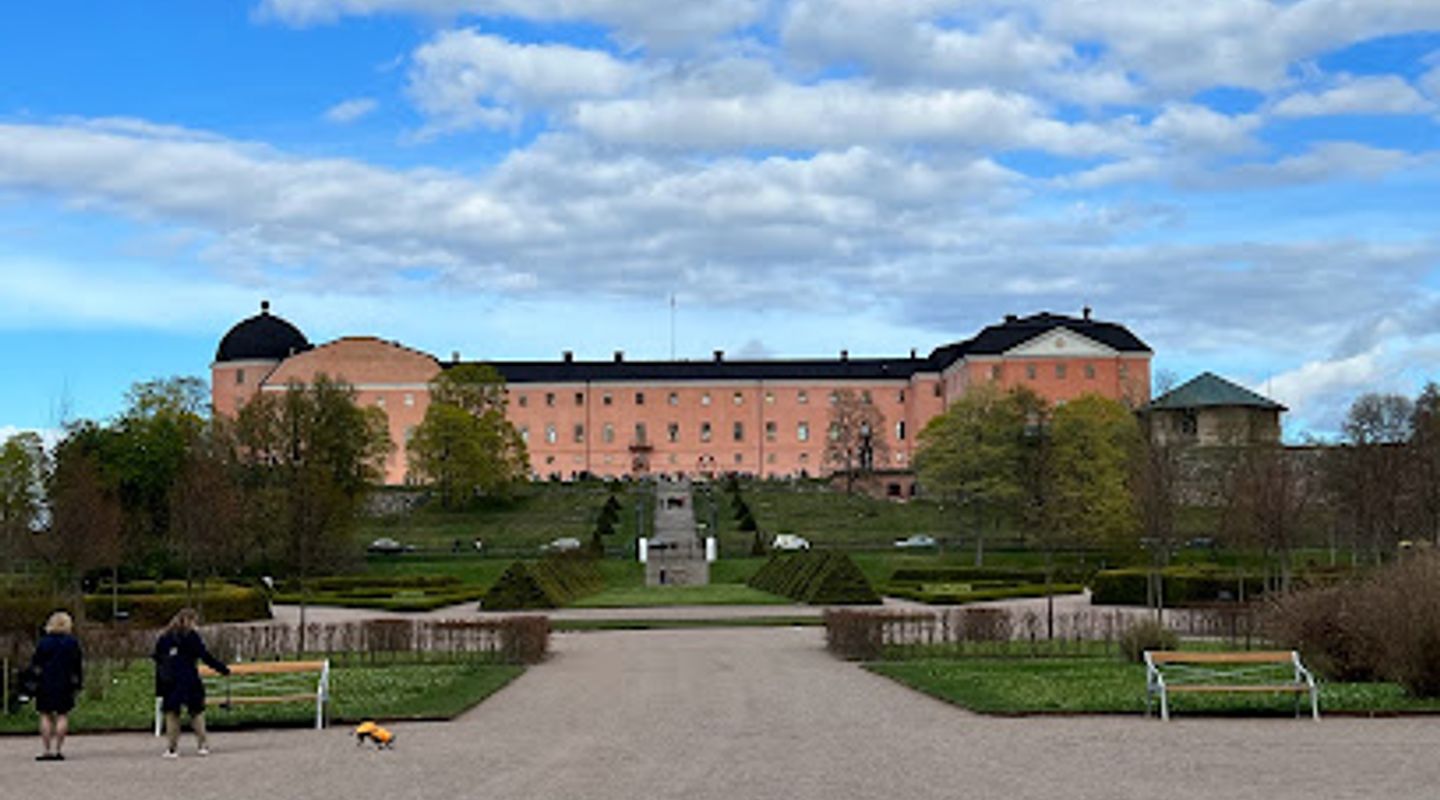
Positioned centrally in the expansive Botanical Garden near Uppsala Castle, the Linneanum anchors a landscape of straight paths, manicured beds, and themed sections. The surrounding baroque garden, restored to Linnaeus's 1745 design, features over 1,300 species arranged by his sexual system, creating a living textbook of his innovations.Proximity to the Tropical Greenhouse and magnolia groves enhances the experience, forming a continuum of plant worlds from temperate to exotic. The site's evolution from a 17th-century castle garden underscores Uppsala's deep horticultural roots.
Seasonal Rhythms and Sensory Delights
Winter transforms the orangery into a luminous oasis amid frosted grounds, its warmth drawing visitors seeking respite. Spring brings tender buds on citrus branches, while summer's peak sees relocated plants returning enriched by outdoor air. The interplay of light through glass casts shifting patterns on foliage, accompanied by faint rustles and the occasional drip of condensation.This sensory immersion—fragrant blooms, textured leaves, and filtered sunlight—captures the essence of Linnaeus's passion for observing nature's intricacies, making the Linneanum a timeless portal to botanical history.
Evendo Review Centre
 Google
Guest reviews
Best time to go
Quietest: Jan, Feb & Nov · before 8am or at 5pm or at 6pm
Busy times are Evendo estimates for a typical year, to help you plan. Actual crowds vary with events, school holidays and the weather.
Explore Linneanum on the map
A handpicked selection of must-see spots near Linneanum, mapped for you.
Get your free copy of our complete guide to Linneanum, delivered straight to you.
Everything on this page, from opening hours and how to get there to Eve’s tips and the best time to go, in one PDF you can read offline, print or share.
Already have an account? Sign in
Your Linneanum guide is ready.
We'll send it to · Not you? Sign out

Getting your guide ready…
We are putting together a fresh copy of the Linneanum guide. This can take up to a minute.
This can take a few moments. If your browser asks, choose Allow so the download can start. You'll find the guide in your Downloads folder.
Nothing happened? Download it again
Sorry, the guide is taking longer than usual. Please try again in a minute, or get it by email instead.
Unlock the best of Linneanum
Skip-the-line tickets, guided tours with entry, and walking tours of the area, booked in a few clicks.
Other nearby places you may find interesting
The closest places of the same kind, if this one is not quite what you had in mind.
-
-
-
-
-


Swipe for more places
More to explore near Linneanum

 Best experiences near Linneanum
 Best hotels near Linneanum
 Best landmarks near Linneanum
 Best attractions near Linneanum
 Best shops near Linneanum
 Best restaurants near Linneanum
 Best bars near Linneanum
Do you manage this location?
Take control to get all the benefits, like improved information, better appearance, and stronger visibility across AI-powered discovery.
Explore more

Explore more of Uppsala
Discover Uppsala, Sweden's historic and vibrant city, home to ancient landmarks, lush gardens, and a thriving cultural and culinary scene.
Explore Uppsala
Explore more of Sweden
Discover Sweden's breathtaking landscapes, vibrant cities, and rich cultural heritage. From the Northern Lights to historic castles, experience the essence of Scandinavia.
Explore Sweden