

Mårbacka Travel Guide
Free Guide: Selma Lagerlöf’s restored manor: layered architecture, intimate gardens and the preserved rooms of a Nobel-winning writer.


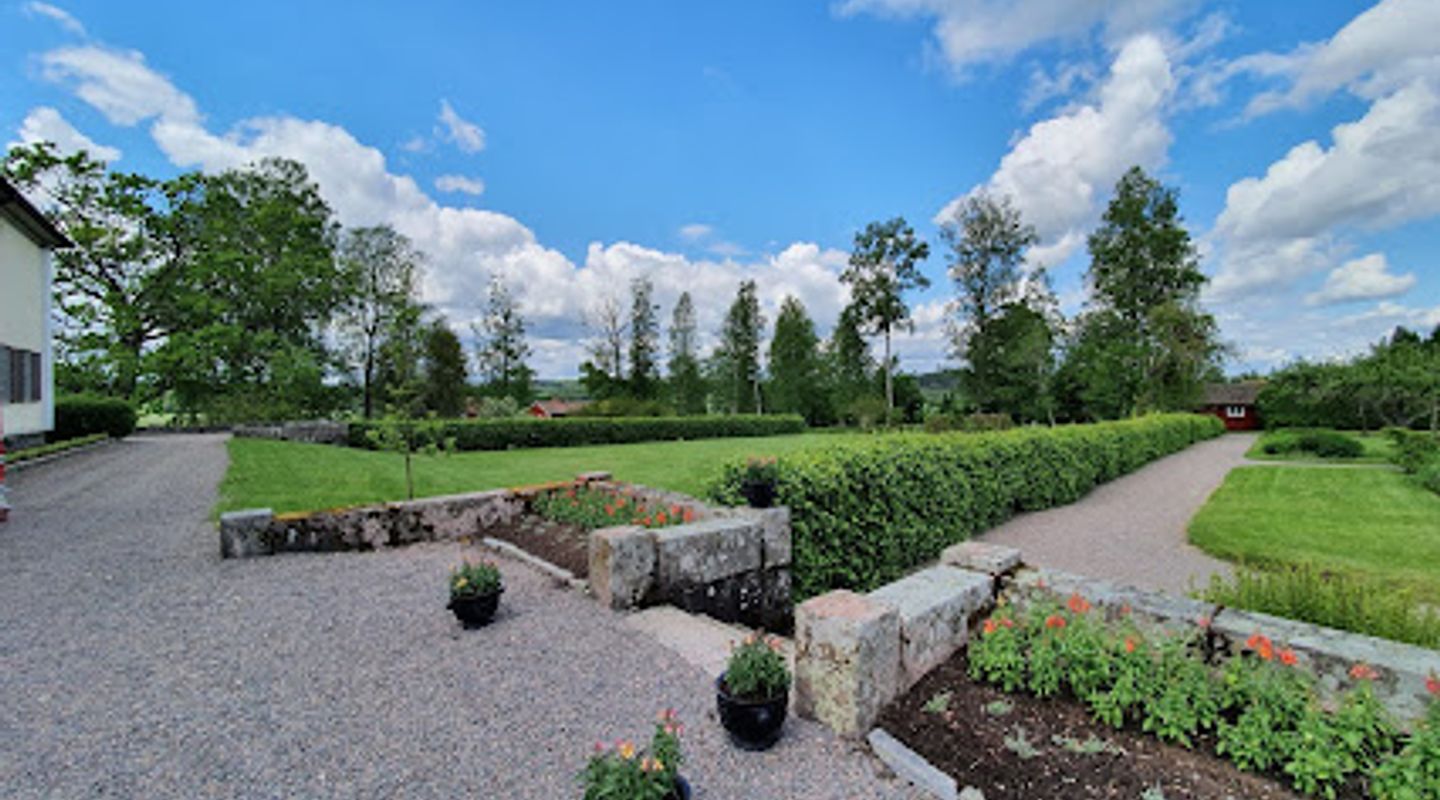
A brief summary of Mårbacka
Selma Lagerlöf’s restored manor: layered architecture, intimate gardens and the preserved rooms of a Nobel-winning writer.
Mårbacka is the restored manor home and memorial estate of Nobel laureate Selma Lagerlöf, set in rolling farmland and historic gardens in Östra Ämtervik, Värmland. The house seen today was rebuilt in 1921–23 and preserves the domestic interiors, library and outbuildings connected to Lagerlöf’s life and work; nearby you’ll find a recreated kitchen garden, workers’ cottages and an exhibition space that interprets her literary and social legacy.
On-site amenities
 Café
Café Information boards
 Visitor centre
 Seating areas
 Restrooms
Opening hours
- Every day12 pm–4 pm
Opening hours as listed on the venue’s Google Business Profile. Hours can change for services and special events, so check with the venue before you go.
- Address
- Mårbacka 42, 686 96 Östra Ämtervik
- Phone
- Website
Getting there
Car
Regional bus + short walk
Taxi or rideshare
Discover more about Mårbacka
Origins and the author’s connection
Mårbacka has roots stretching back to the 1600s and is best known as the childhood home and later residence of Selma Lagerlöf, Sweden’s first female Nobel Prize winner in Literature. The estate passed into the Lagerlöf family in the early 19th century and, after a period out of family hands, was purchased back and reshaped by Selma in the early 20th century using proceeds from her writing. Her intention — expressed in her will — was that Mårbacka be preserved as a memorial to her life and career.
Architectural transformation and layers
The present manor is the result of an extensive rebuilding campaign carried out in 1921–23 under the architect Isak Gustaf Clason. That transformation wrapped Selma’s childhood rooms into a larger, more formal façade and introduced a new floor plan and representative spaces: a library and workroom for Selma, formal salons, and domestic rooms retained behind the newer facing. The result is an assemblage of visible historical layers — simple 18th-century timber origins embedded within early 20th-century manor-house ambitions — which offers a clear narrative of changing tastes and the author’s personal vision for the place.
Gardens, estate and daily life
Around the house there is a deliberately cultivated garden and orchard reflecting the horticultural schemes Selma helped shape with horticultural collaborators. Beds of old-fashioned flowers, fruit trees and kitchen-garden plots create an intimate, lived-in atmosphere rather than a purely ornamental landscape. Beyond the immediate garden the estate historically encompassed farmland and woodland; Selma also implemented modern agricultural and social practices on the farm, with attention to improved housing for workers and welfare measures that were progressive for the time.
Museum rooms and outbuildings
The manor is presented as a memorial museum: guided tours show domestic interiors preserved in the condition Selma specified, while a converted barn contains rotating exhibitions about her life and creative output. Nearby workers’ cottages and farm buildings illustrate the estate’s wider functioning; these ancillary structures speak to the everyday realities behind a literary household and to Selma’s practical involvement in running the property.
Cultural significance and stories here
Mårbacka’s significance lies in its double identity as both a private home and a carefully curated memorial. The house is inseparable from Lagerlöf’s literary biography: many of the landscapes, characters and social concerns that surface in her fiction are rooted in memories and observations formed in and around this estate. The place therefore reads simultaneously as domestic history, literary archive and an expression of early-20th-century cultural ambition in rural Sweden.
What to look for on-site
On a visit, pay attention to small domestic details that survived the rebuild — the personal library, select furnishings and everyday objects — as well as the layout choices that frame Selma’s working life. In the garden, older cultivars and orchard trees reflect a period planting palette. The barn exhibitions and the restored workers’ cottages expand the story beyond the manor’s rooms and place the author’s household in its social and agricultural context.
Evendo Review Centre
 Google
Guest reviews
Best time to go
Quietest: Jan, Feb & Dec · before 8am or at 7pm
Busy times are Evendo estimates for a typical year, to help you plan. Actual crowds vary with events, school holidays and the weather.
Explore Mårbacka on the map
A handpicked selection of must-see spots near Mårbacka, mapped for you.
Get your free copy of our complete guide to Mårbacka, delivered straight to you.
Everything on this page, from opening hours and how to get there to Eve’s tips and the best time to go, in one PDF you can read offline, print or share.
Already have an account? Sign in
Your Mårbacka guide is ready.
We'll send it to · Not you? Sign out

Getting your guide ready…
We are putting together a fresh copy of the Mårbacka guide. This can take up to a minute.
This can take a few moments. If your browser asks, choose Allow so the download can start. You'll find the guide in your Downloads folder.
Nothing happened? Download it again
Sorry, the guide is taking longer than usual. Please try again in a minute, or get it by email instead.
Other nearby places you may find interesting
The closest places of the same kind, if this one is not quite what you had in mind.
-
-
-
-
-


Swipe for more places
More to explore near Mårbacka

 Best experiences near Mårbacka
 Best hotels near Mårbacka
 Best landmarks near Mårbacka
 Best attractions near Mårbacka
 Best shops near Mårbacka
 Best restaurants near Mårbacka
 Best bars near Mårbacka
Do you manage this location?
Take control to get all the benefits, like improved information, better appearance, and stronger visibility across AI-powered discovery.
Explore more

Explore more of Värmland
Discover Värmland: A Swedish paradise of lakes, forests, and cultural heritage perfect for outdoor adventures and serene getaways.
Explore Värmland
Explore more of Sweden
Discover Sweden's breathtaking landscapes, vibrant cities, and rich cultural heritage. From the Northern Lights to historic castles, experience the essence of Scandinavia.
Explore Sweden
