Fatmomakke kyrkstad, Vasterbotten Travel Guide
Sweden's foremost Sami kyrkstad: where ancient kåtor meet timber stugor in a living tapestry of cultural convergence and spiritual heritage.
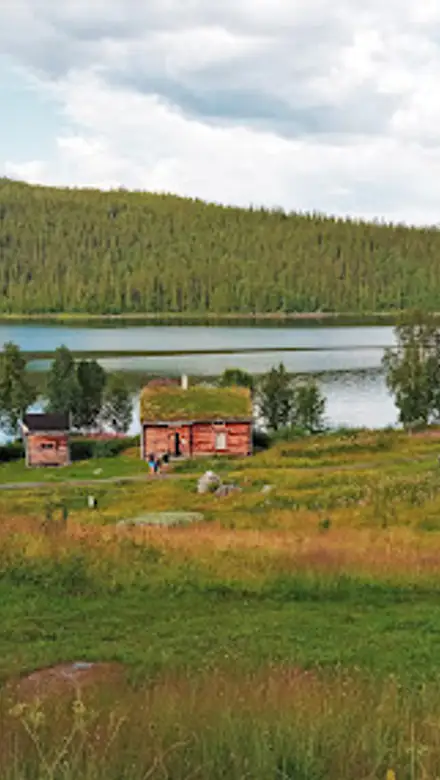
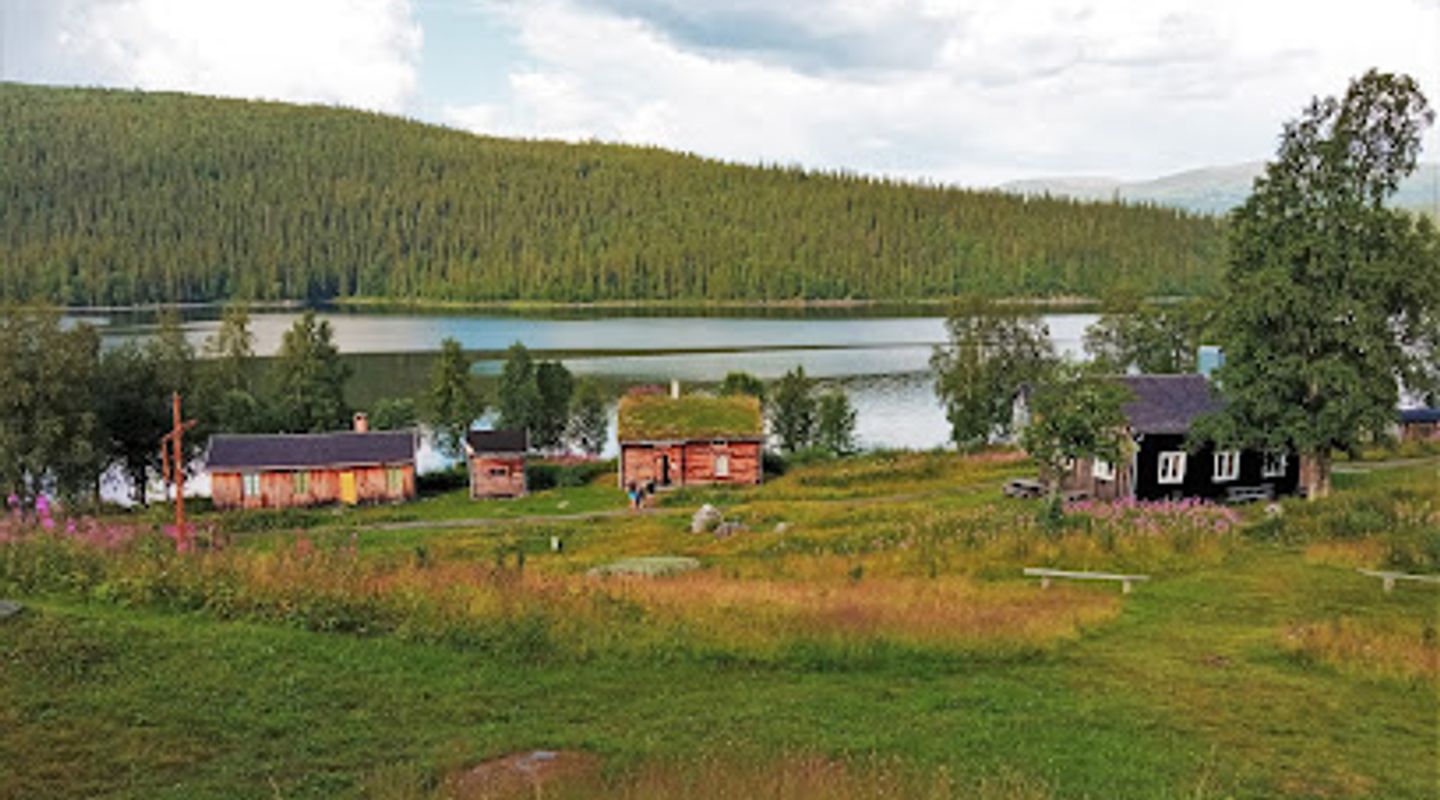
Fatmomakke Kyrkstad is Sweden's most prominent Sami church village, a living cultural reserve where traditional Sami kåtor and settler log cabins cluster around a historic chapel. Established on an ancient Sami meeting place since the 1700s, it embodies centuries of cultural exchange between indigenous Sami and Nordic settlers in Västerbotten's remote inland. Today, nearly 80 kåtor and 20 timbered stugor line the site, hosting vibrant kyrkhelger like Midsommar, Mitthelgen, and Hösthelgen. Designated a kulturreservat in 2014, it preserves unique ethnic architectural traditions and serves as a spiritual hub with deep historical significance.
A brief summary to Fatmomakke kyrkstad
- Fatmomakke, 912 70, SE
- Duration: 1 to 3 hours
- Free
-
 Outdoor
- Mobile reception: 2 out of 5

Know before you go
Hi, I'm Eve. Here are a few practical things to know before exploring Fatmomakke kyrkstad.
- Visit during Midsommar, Mitthelgen, or Hösthelgen for authentic kyrkhelg festivities with traditional Sami music and gatherings.
- Explore the ethnic architectural contrast: climb slopes to Sami kåtor, descend to nybyggare stugor by the water.
- Appreciate the site's portage heritage—imagine herders hauling boats between lakes in this narrowing valley.
- Note the chapel's 1884 origins amid surrounding 1700s structures for a layered sense of time.
Do you manage this location?
Take control to get all the benefits, like improved information, better appearance, and stronger visibility across AI-powered discovery. Learn more about listing your business on Evendo
Activate your presenceOther nearby places you may find interesting
The closest places of the same kind, if this one is not quite what you had in mind.
Explore Fatmomakke kyrkstad on the Map
A handpicked selection of must-see spots near Fatmomakke kyrkstad, mapped for you.
Getting There
-
Driving
Drive from Vilhelmina (120 km northwest via Rt 45 and local gravel roads), 2-2.5 hours; free parking available but limited spaces fill during helger; gravel sections require careful driving in wet conditions.
-
Bus
Länstrafik buses from Vilhelmina to Fatmomakke stops (seasonal summer service), 2.5-3 hours, 150-250 SEK one-way; infrequent departures, check schedules as services reduce off-peak.
-
Hiking
Trail from nearby Kultsjödalen trailheads, 4-6 hours moderate hike over forested paths; physically demanding with elevation changes, best May-September, carry water as no facilities en route.
For the on-the-go comforts that matter to you
-
 Restrooms
-
 Drinking Water
-
 Seating Areas
-
 Trash Bins
-
 Information Boards
Discover more about Fatmomakke kyrkstad
Ancient Sami Gathering Ground
Fatmomakke occupies a site long revered as a traditional Sami mötesplats, where nomadic herders converged during seasonal migrations. The first church rose here in the 1700s, drawing both Sami and incoming nybyggare settlers who reshaped the northern landscape. This convergence birthed a unique cultural tapestry, blending indigenous practices with colonial influences amid the vast forests and fells of Västerbotten.The name Fatmomakke derives from sydsamiska roots: 'faepmie' evoking a narrowing valley and 'mehkie' a portage stretch between waters, reflecting the area's geography shaped by rivers and lakes.Kyrkstad's Unique Architecture
Encircling the 1884-1886 chapel, the kyrkstad features distinct building styles that mirror its dual heritage. Sami kåtor, conical turf-covered huts, perch on slopes, while nybyggare's rectangular timber stugor hug the water's edge. Nearly 80 kåtor and 20 stugor remain, the largest such ensemble in Sweden, showcasing unparalleled ethnic differentiation in bebyggelsehistoria.These structures served as temporary dwellings during kyrkhelger, fostering community amid isolation. The chapel itself anchors the ensemble, its wooden form enduring harsh subarctic climes.Seasonal Rhythms of Kyrkhelger
Historically, two annual kyrkhelger aligned with Sami flyttningar: vårhelgen in early June as herders ascended to sommarvisten, and hösthelgen in September descending to höstvisten. Nybyggare's rhythms introduced Mitthelgen in mid-July, ideal for konfirmations and summer respite from grueling preparations.Today, three helger persist: Midsommar, Mitthelgen (third July weekend), and Hösthelgen (late August). These gatherings pulse with song, prayer, and feasting, sustaining traditions over 250 years.Cultural Reserve and Heritage
Designated a kulturreservat in 2014 by Länsstyrelsen, Fatmomakke safeguards its immateriella kulturarv. As northern Sweden's premier Sami kyrkstad among 16 surviving of 70 original, it symbolizes spiritual continuity and multicultural dialogue. State missions from the 1600s spurred these sites to christianize remote sockenbor, knitting nomads into the Swedish fold.Hub of Sami Activism
Fatmomakke ignited modern Sami organizing. In 1904, Sweden's first Sami lokalförening formed here as Fatmomakke lappförening, evolving into Faepmie saemien siebrie with 190 members today. Figures like Elsa Laula and Hans Magnus Nilsson rallied during helger, bridging local plenis with national struggles. A 1926 föreningshus hosted political discourse, drawing officials to heed indigenous voices.












Your all‑in‑one travel companion app
Explore expert travel guides, compare and book tours, experiences, hotels, and more—all from the palm of your hand. Download now for seamless trip planning wherever your wanderlust takes you.


Explore More of Vasterbotten
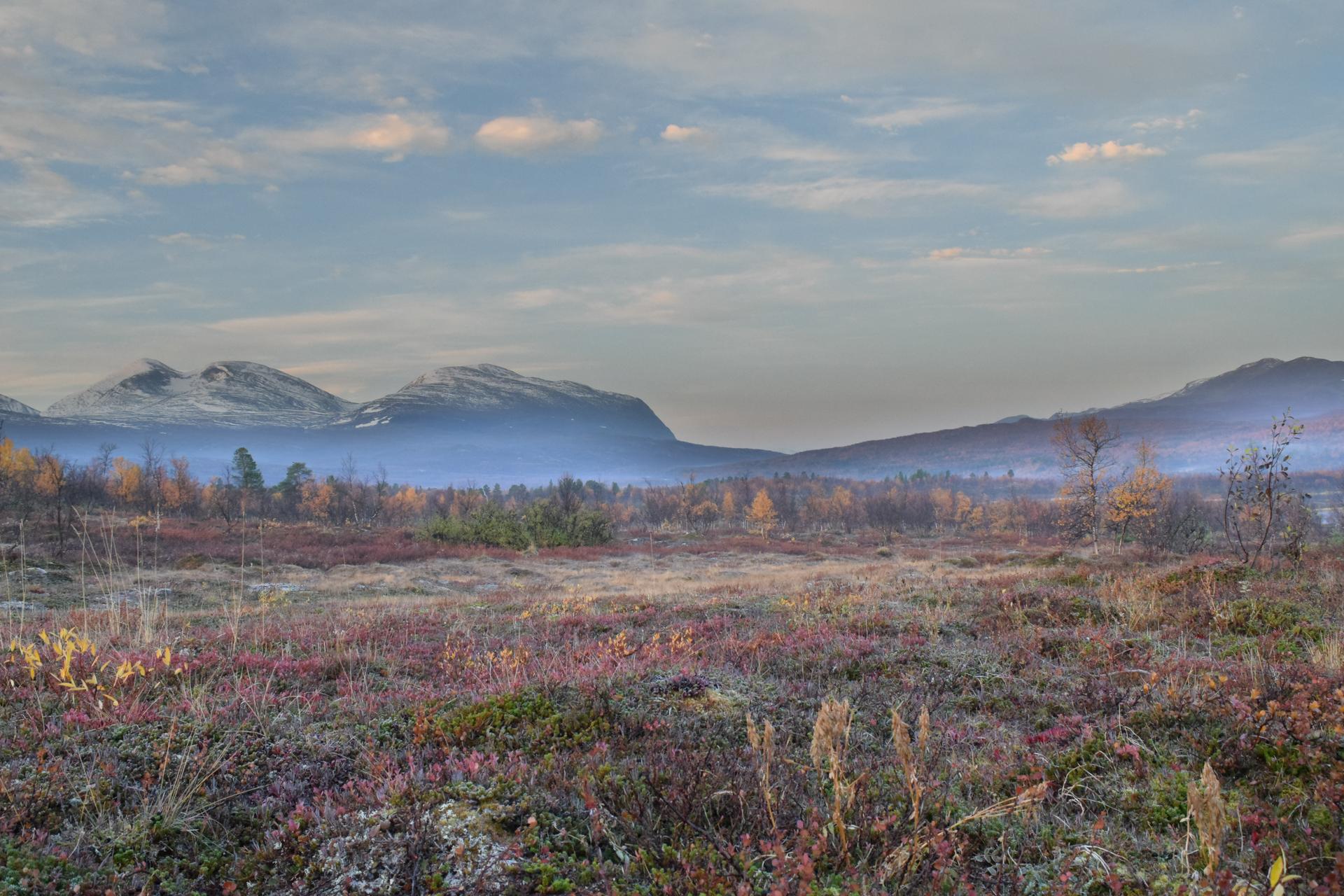
Looking beyond Fatmomakke kyrkstad? Discover Vasterbotten for broader travel guides, local hot-spots, and regional highlights.
Explore Vasterbotten
Elevated serenity over Lake Storuman: breathtaking mountain panoramas and tranquil Lapland vistas from Storuman's signature observation deck.

Family-run Italian guesthouse in Swedish mountains: cozy rooms, sauna bliss, and hearty meals amid snowy peaks and serene wilderness.