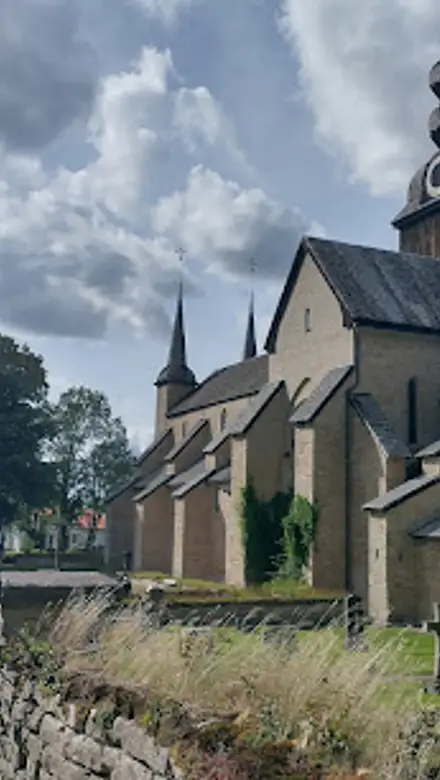
Kata Farm Travel Guide
Free Guide: A Viking‑Age farm with one of Sweden’s oldest church crypts and the runestone grave of the woman known as Kata, revealed beneath a protective modern pavilion.


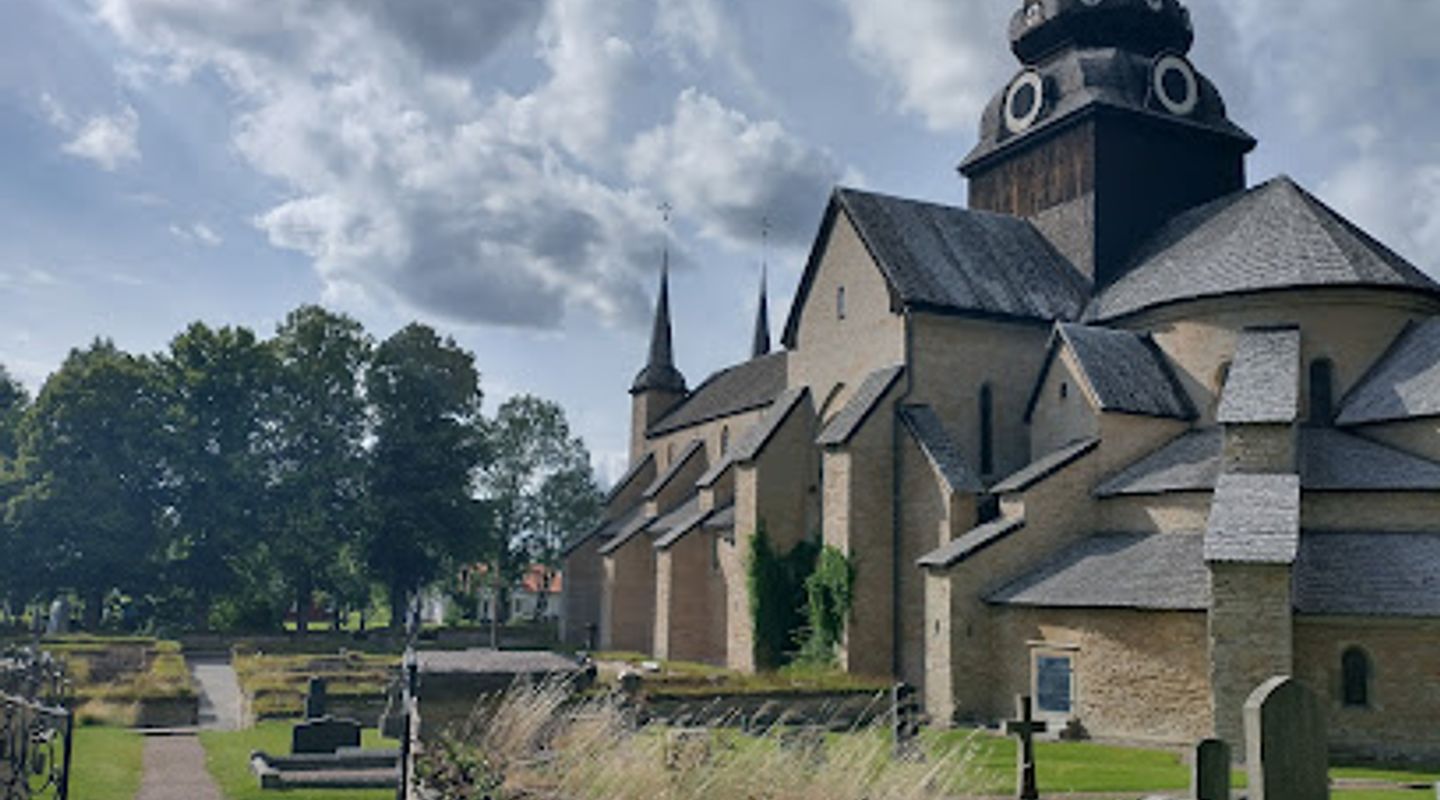
A brief summary of Kata Farm
A Viking‑Age farm with one of Sweden’s oldest church crypts and the runestone grave of the woman known as Kata, revealed beneath a protective modern pavilion.
Kata Farm (Kata Gård) is an archaeological site and interpretation pavilion beside Varnhem monastery that preserves the remains of a large Viking‑Age estate and one of Sweden’s earliest Christian church ruins, including an intact crypt and richly furnished graves such as the runestone‑covered tomb of a woman known as Kata. A modern information building with glass floors lets you peer into the past while protecting fragile stonework and burial layers.
On-site amenities
 Information boards
 Seating areas
 Visitor centre
 Restrooms
 Drink options
Opening hours
- Every day10 am–5 pm
Opening hours as listed on the venue’s Google Business Profile. Hours can change for services and special events, so check with the venue before you go.
- Address
- Axevallavägen 10, 532 73 Varnhem
- Phone
- Website
Getting there
Local bus and short walk
Regional train plus shuttle bus
Car
Discover more about Kata Farm
Ancestral hill with an unexpected past
Kata Farm occupies a low limestone hill just behind the medieval Varnhem monastery where excavations revealed a sequence of settlement and ritual from the Iron Age into the Viking period and beyond. Beneath the turf lie the remains of a private farm church and a crypt dated to around the late 10th–early 11th centuries; the crypt is compelling because it may be among the oldest preserved interior rooms associated with Christianity in Sweden. Burials and earlier mounds spread across the slopes show continuous use of this elevated place as a family and ritual landscape long before the monastery arrived.
The woman called Kata and her material world
One of the most striking discoveries is a richly furnished female grave whose name survives thanks to runic inscriptions on a limestone cover slab — the woman archaeologists refer to as Kata. Her burial and associated finds — carved stones, imported coins and unusual animal remains — point to a wealthy household engaged in long‑distance contacts and to social status expressed through exotic objects and monumental burial choices. The presence of a runic slab combined with Christian burial orientation reveals how new and older identities intersected here at a pivotal moment in Scandinavian history.
Architecture of remembrance: ruin and pavilion
The visible ruin is fragmentary stonework from the farm church and its low crypt; the stone was quarried from local limestone and shaped for both structure and gravestones. In 2017 a lightweight, contemporary information pavilion was built above the ruins. The structure protects the archaeology while using glass panels in the floor and controlled sightlines so visitors can see graves, stone slabs and the crypt below. Scale models and interpretive displays in the pavilion reconstruct how a wooden house‑church and a later stone building might originally have appeared.
Archaeology that rewrote chronologies
Excavations at Kata Farm altered scholarly timelines by providing secure dates for Christian practice at Varnhem earlier than long‑held narratives suggested. Radiocarbon and stratigraphic evidence from graves and timber remains demonstrate that Christianity took root here before the millennium shift often cited in older histories. The finds therefore have both local and wider significance for understanding conversion, elite networks and the material imprint of early Christian households in Scandinavia.
What you see, and what lies below
Walking through the pavilion, you encounter exposed stonework, trench edges and glass panels that make bones, grave goods and rune‑carved slabs visible without disturbing them. The layout preserves both the spatial logic of the graveyard — family members clustered close to the church, others further out — and the layering of centuries: Iron Age barrows, Viking burials and later medieval interventions. Attention to conservation is evident: the pavilion’s roof and subtle foundations keep sun, rain and foot traffic from accelerating decay.
Setting, senses and seasonal light
Kata Farm’s low hill looks out over the monastic churchyard and a broad agricultural plain; the limestone underfoot gives the turf a pale, chalky smell after rain and a brittle crunch in frost. In low winter light the ruin’s shadows accentuate carved stones; in summer the pavilion’s reflective surfaces play with sun and green trees. Whether you linger at a glass panel or stand back to take in the hill silhouette, the site offers a compact but rich encounter with the shift from pagan to Christian landscapes in Sweden.
Evendo Review Centre
 Google
Guest reviews
Best time to go
Quietest: Jan, Feb & Dec · before 8am or from 8pm
Busy times are Evendo estimates for a typical year, to help you plan. Actual crowds vary with events, school holidays and the weather.
Explore Kata Farm on the map
A handpicked selection of must-see spots near Kata Farm, mapped for you.
Get your free copy of our complete guide to Kata Farm, delivered straight to you.
Everything on this page, from opening hours and how to get there to Eve’s tips and the best time to go, in one PDF you can read offline, print or share.
Already have an account? Sign in
Your Kata Farm guide is ready.
We'll send it to · Not you? Sign out

Getting your guide ready…
We are putting together a fresh copy of the Kata Farm guide. This can take up to a minute.
This can take a few moments. If your browser asks, choose Allow so the download can start. You'll find the guide in your Downloads folder.
Nothing happened? Download it again
Sorry, the guide is taking longer than usual. Please try again in a minute, or get it by email instead.
Other nearby places you may find interesting
The closest places of the same kind, if this one is not quite what you had in mind.
-
-
-
-
-


Swipe for more places
More to explore near Kata Farm

 Best experiences near Kata Farm
 Best hotels near Kata Farm
 Best landmarks near Kata Farm
 Best attractions near Kata Farm
 Best shops near Kata Farm
 Best restaurants near Kata Farm
 Best bars near Kata Farm
Do you manage this location?
Take control to get all the benefits, like improved information, better appearance, and stronger visibility across AI-powered discovery.
Explore more

Explore more of Västergötland
Discover Västergötland: A blend of historical treasures, natural beauty, and cultural richness in the heart of Sweden.
Explore Västergötland
Explore more of Sweden
Discover Sweden's breathtaking landscapes, vibrant cities, and rich cultural heritage. From the Northern Lights to historic castles, experience the essence of Scandinavia.
Explore Sweden