

Free Västmanland Travel Guide & Mobile App
Explore Västmanland with free travel guides. Discover regional history, expert tips, proposed trips, and audio guides on web or mobile app.


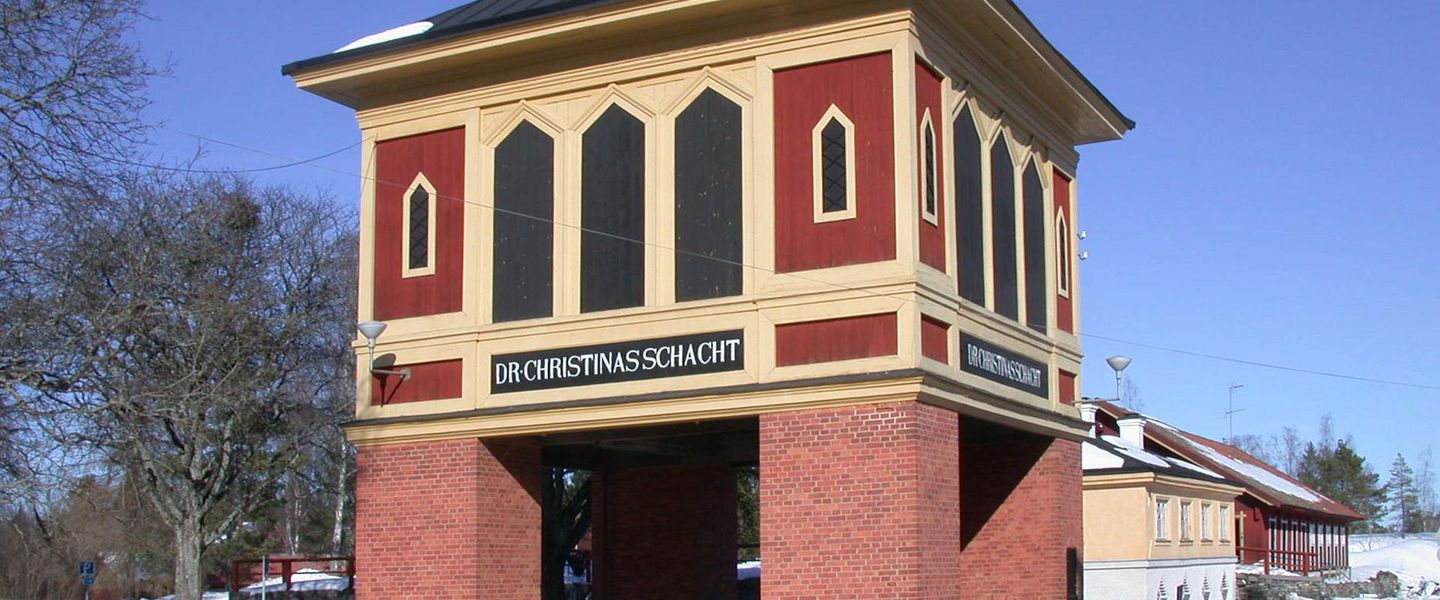


Explore Västmanland in central Sweden for Mälaren shores, medieval towns, royal estates, silver mining heritage and forested Bergslagen landscapes.
Read more about Västmanland
When is the best time to visit Västmanland?
Best: June–August · 22–24°C| Month | High (°C) | Rainfall (mm) |
|---|---|---|
| January | 0 | 40 |
| February | 1 | 35 |
| March | 6 | 40 |
| April | 11 | 35 |
| May | 17 | 40 |
| June (best) | 22 | 50 |
| July (best) | 24 | 60 |
| August (best) | 23 | 65 |
| September | 18 | 55 |
| October | 12 | 50 |
| November | 6 | 45 |
| December | 1 | 40 |
Getting to and around Västmanland
How to get there
Transportation
Top city travel guides in Västmanland
The cities of Västmanland, and the easiest places to base yourself.
-

-

-


Swipe for more cities
Best attractions in Västmanland
Västmanland’s attractions range from urban history on the Lake Mälaren shore to industrial landscapes in the north. Västerås offers its cathedral, historic centre, river walks, museums and lakefront recreation, while nearby Anundshög provides a powerful introduction to the county’s prehistoric past. Sala Silver Mine is the region’s most distinctive subterranean experience, with guided exploration of a mining complex that shaped the town and its surrounding landscape. In the Bergslagen districts, Engelsberg Ironworks and the former refinery on Oljeön explain different stages of Sweden’s industrial development. Palace and estate landscapes add another dimension: Strömsholm combines royal architecture, parkland and equestrian heritage, and Tidö Castle represents a major seventeenth-century aristocratic environment. Arboga rewards visitors interested in historic streets and medieval urban character, while forests and lakes around Fagersta, Norberg and Skinnskatteberg provide opportunities for walking, cycling, canoeing, fishing and wildlife watching. The county’s attractions are best experienced as connected cultural landscapes rather than isolated sights, with waterways, forests, mining settlements, farms and transport routes showing how environment and human activity have influenced one another.
-
Shopping mall
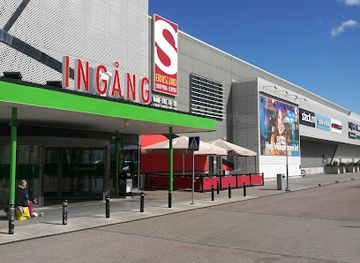
Erikslund Shopping Center
A bright two-level retail centre in Västerås combining large flagship stores, cafés and a family-friendly food court under one modern roof.
-
 Bar
BarSteam Hotel
An 18‑storey former power plant reborn as an industrial‑romantic hotel with rooftop views, a large spa and multiple dining experiences by Lake Mälaren.
-
Aquatic centre
Kokpunkten Actionbad
A multi-level indoor water park in Västerås mixing steep slides, family splash zones and thermal relaxation—Sweden’s action-packed year-round splash destination.
-
Open air museum
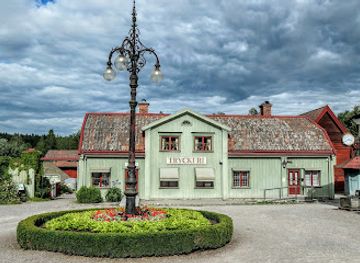
Vallby friluftsmuseum
Step into Västmanland's living past at this free open-air museum, where historic farms, native animals, and heritage gardens recreate centuries of rural Sweden.
Best landmarks in Västmanland
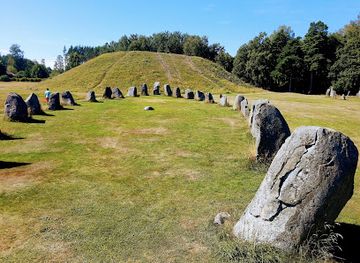
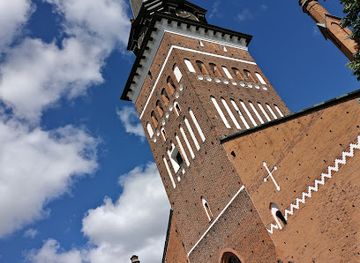
Västerås Cathedral is Västmanland’s most prominent ecclesiastical landmark, rising above the historic city and recording centuries of religious, political and architectural change. Along the nearby Svartån, older streets and civic buildings help explain the city’s role as a medieval and early modern centre. Anundshög, east of Västerås, is a striking prehistoric landmark whose large burial mound, stone settings and runic monuments occupy an important archaeological landscape. Strömsholm Palace is another defining sight: its pale eighteenth-century appearance, formal setting and connection with royal and equestrian history make it one of the county’s best-known architectural landmarks. At Engelsberg, the preserved ironworks buildings and waterways form a landmark industrial ensemble, while Oljeön’s former refinery offers a rarer reminder of nineteenth-century energy history. Sala Silver Mine is both a physical monument to extraction and a dramatic underground landscape, with shafts and chambers extending beneath the historic mining town. In western Västmanland, Arboga’s medieval street pattern and church tower provide a more intimate urban landmark, showing how trade and religion shaped towns along the region’s old routes.
-
Historical landmark
Anundshög
Sweden's largest burial mound anchors a Viking Age power center with ship settings, runestones, and medieval thing site amid evocative Badelunda trails.
-
Tourist attraction
Västerås Domkyrka
Towering Gothic masterpiece with medieval treasures, royal graves, and echoing bells in Västerås's historic core—free daily access to 900 years of sacred legacy.
-
Tourist attraction
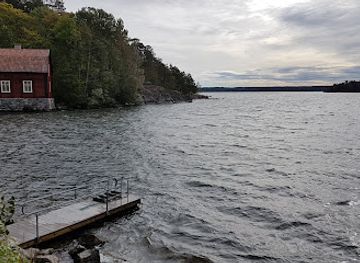
Ängsö Slott
Medieval fortress on Mälaren island, steeped in royal intrigue, brutal sieges, and Sweden's spookiest ghost lore amid ancient graves and serene waters.
-
Tourist attraction
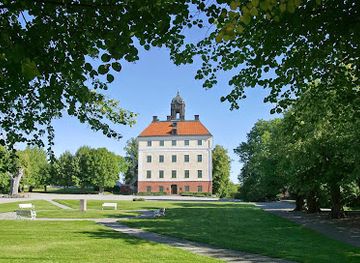
Grönsöö castle
Renaissance manor on Lake Mälaren with centuries-old gardens, Sweden's oldest apple orchard, and preserved aristocratic interiors in a living family estate.
Explore Västmanland on the map
Plan your trip on one map. See where the top cities, national parks and sights are, and book hotels and experiences in a few clicks.
Best hotels in Västmanland
Best restaurants in Västmanland
Dining in Västmanland reflects the produce and food traditions of central Sweden, with an emphasis on bread, dairy, potatoes, seasonal vegetables, berries, freshwater fish and locally sourced meat. Västerås has the county’s broadest choice of cafés, restaurants and contemporary cooking, while smaller towns and rural districts are more likely to centre their dining around traditional cafés, pubs, farm shops and countryside inns. Around Lake Mälaren, fish and seasonal produce feature naturally, whereas the forested north connects more readily with game, mushrooms and berries when available. Sala and the historic industrial districts offer cafés and heritage-site refreshments that suit day trips, and local markets can provide cheeses, baked goods, preserves and other regional products. Swedish coffee culture is an important part of travelling here: a café stop, often accompanied by a cinnamon bun or other pastry, fits easily between museums and outdoor activities. Menus and opening patterns can be seasonal outside the main towns, so visitors exploring rural Västmanland should plan meals as carefully as transport.
-
Restaurant
Kajplats 9
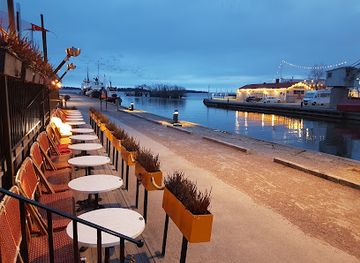
Waterside brasserie in the old customs house — seasonal seafood, generous portions and a sunny Mälaren terrace for relaxed meals.
-
Restaurant
AGRILL
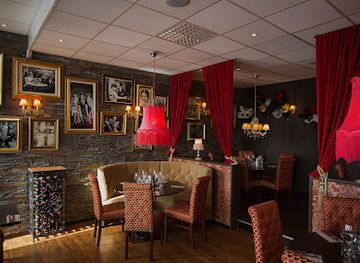
Art Deco steakhouse by Mälaren: charcoal-grilled Swedish beef, global flavors, cocktails, and jazz vibes in Västerås harbor.
-
Tapas
Pinchos Västerås
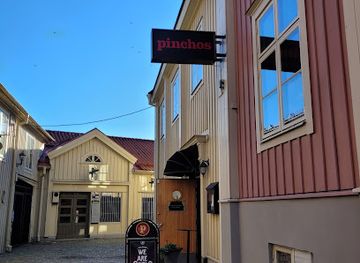
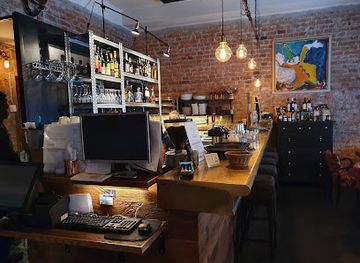
A colourful, app-driven tapas bar on Västerås' Stora Torget—bite-sized global dishes, playful cocktails and a lively, social atmosphere.
-
Italian
Limone Ristorante Italiano
Classic Italian cooking served in a gracious turn-of-the-century dining room—romantic, seasonal and reliably well finished.
Best bars in Västmanland
Västerås is the main centre for evening entertainment in Västmanland, with the widest range of pubs, restaurants, cocktail bars, live music and occasional club nights. The city’s student population and cultural venues give it a more varied late-evening scene than the rest of the county, although the scale remains modest compared with Stockholm. In Arboga, Sala, Köping and Fagersta, nightlife is generally organised around traditional pubs, restaurants, hotel bars and community or live-music venues rather than large nightclub districts. Rural areas are quieter, with evenings often focused on dining, local events or relaxed drinks at a pub or inn. Breweries and other drinks producers may offer tastings or visitor experiences, but arrangements vary and should be checked in advance. Sweden’s regulated alcohol sales and relatively early closing patterns can affect rural travel planning, and drinking is not necessary to appreciate the county’s evening culture.
-
American
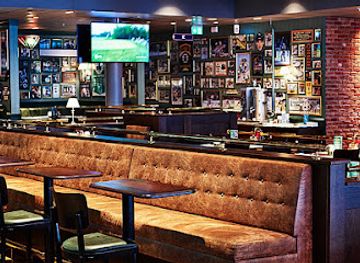
O'Learys
Västerås's ultimate 4000 sqm sports bar playground: burgers, bowling, live music, and late-night vibes in a Bostonian bar haven.
-
Gastropub
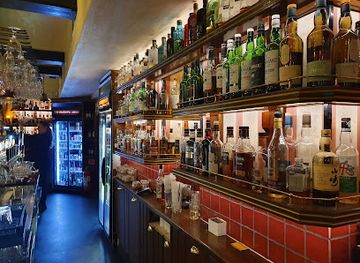
The Bishops Arms - Västerås
Cosy British-style gastropub on Västerås’ Stora Torget with a large beer and whisky selection and classic pub food in a warm, relaxed interior.
-
Bar
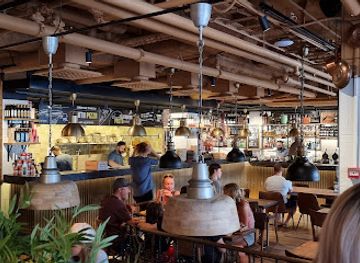
Mocca deli Västerås
Lively bistro-bar on Stora Torget serving pizzas, pastas and coffee in a warm, casual space with terrace seating and an approachable drinks list.
-
Bar
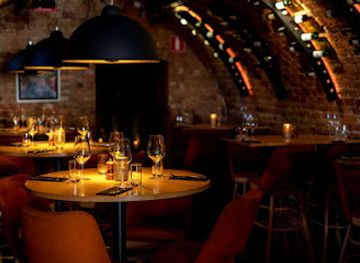
NOM
Riverside vaulted cellar grilling premium meats and seasonal delights with wine and relaxed vibes in historic Västerås.
Best nightclubs in Västmanland
Västerås is the main centre for evening entertainment in Västmanland, with the widest range of pubs, restaurants, cocktail bars, live music and occasional club nights. The city’s student population and cultural venues give it a more varied late-evening scene than the rest of the county, although the scale remains modest compared with Stockholm. In Arboga, Sala, Köping and Fagersta, nightlife is generally organised around traditional pubs, restaurants, hotel bars and community or live-music venues rather than large nightclub districts. Rural areas are quieter, with evenings often focused on dining, local events or relaxed drinks at a pub or inn. Breweries and other drinks producers may offer tastings or visitor experiences, but arrangements vary and should be checked in advance. Sweden’s regulated alcohol sales and relatively early closing patterns can affect rural travel planning, and drinking is not necessary to appreciate the county’s evening culture.
-
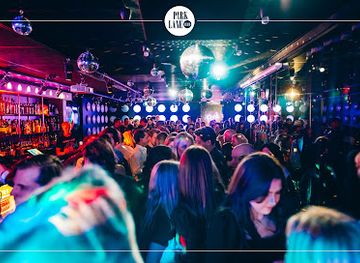
Night club
Park Lane
Göteborg's electrifying krogshow and top nightclub: live artists, gourmet dinners, and non-stop dancing on Avenyn's heart.
-
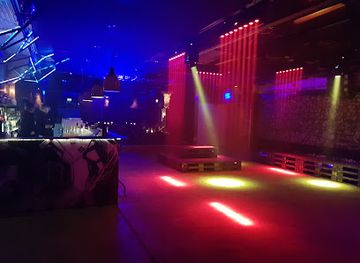
Night club
Slakthuset
Raw industrial nightclub in Stockholm's slaughterhouse district: techno beats, rooftop terrace, and underground vibes near Globen.
-
Night club
Sense Stockholm
A compact, DJ‑led late‑night club on Jakobsbergsgatan — stylish, intimate and built for weekend dance nights and cocktails.
-
Night club
Baras ställe - Restaurang & Nattklubb på Södermalm
A compact Södermalm venue that moves from casual dining and pub vibes to a decorative, late-night club atmosphere on weekend nights.


Best shops in Västmanland
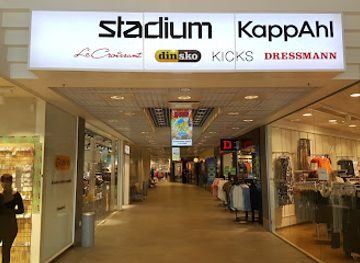
Shopping in Västmanland is concentrated in Västerås, whose central streets and retail areas provide the county’s broadest selection of everyday goods, Swedish design, books, fashion and cafés. The city also has shopping centres and independent businesses, while its market and food-shopping options reflect the wider Mälardalen region. Sala, Arboga, Köping and Fagersta offer smaller high streets where independent shops, galleries, antique dealers and practical local services are more prominent than large-scale retail. Around the countryside, farm shops and seasonal markets are useful for bread, preserves, cheeses, chocolates, berries and other Swedish produce. Craft outlets and heritage venues may sell textiles, ceramics, postcards, books and mining- or ironworks-related souvenirs, although their opening is often seasonal. Visitors looking for regional gifts should favour food, locally made crafts and well-produced historical material over generic souvenirs. Retail hours and payment facilities can be limited in rural areas, so it is sensible to shop in the larger towns before heading into the forest and mining districts.
-
Furniture store
IKEA
Large full‑service IKEA megastore in Erikslund, Västerås — showrooms, kitchen planning, restaurant, Click & Collect and family facilities under one roof.
-
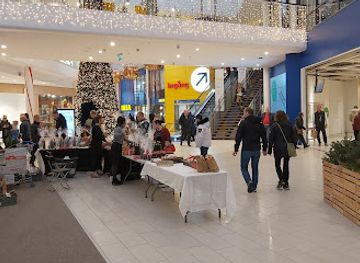
Shopping mall
Hälla Shopping
Västerås's easygoing shopping hub with supermarkets, home goods, and casual eats—perfect for stress-free errands amid friendly local vibes.
-
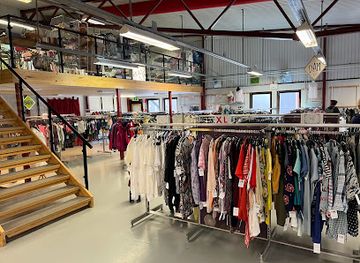
Second hand store
Myrorna - Second hand Västerås
Västerås's charitable second-hand haven on Stora Gatan: sustainable finds for fashion, home, and good causes.
-
Thrift store
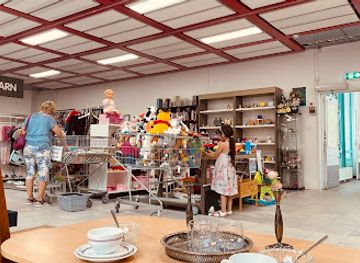
Brödet & Fiskarna Loppmarknad
Västerås's premier thrift emporium where retro finds fuel global aid—shop sustainably, support solidarity in 700 sqm of second-hand magic.
Get your free copy of our complete guide to Västmanland, delivered straight to you.
Everything on this page, from attractions and restaurants to essentials and local phrases, in one PDF you can read offline, print or share.
Already have an account? Sign in
Your Västmanland guide is ready.
We'll send it to · Not you? Sign out

Getting your guide ready…
We are putting together a fresh copy of the Västmanland guide. This can take up to a minute.
This can take a few moments. If your browser asks, choose Allow so the download can start. You'll find the guide in your Downloads folder.
Nothing happened? Download it again
Sorry, the guide is taking longer than usual. Please try again in a minute, or get it by email instead.
Västmanland essentials
Currency and Payment
Safety
Emergency Situations
Do's and Don'ts
Local Tips
From Eve
Local phrases worth knowing
You don't need to get them perfect. A few words go a long way, and locals appreciate the effort.
Basics
| English | Local | Say it |
|---|---|---|
| Hello | Hej | [hay] |
| Goodbye | Adjö | [ah-yuh] |
| Yes | Ja | [yah] |
| No | Nej | [nay] |
| Please/You're welcome | Var så god | [var shoo goo] |
| Thank you | Tack | [tack] |
| Excuse me/Sorry | Ursäkta | [oor-sek-ta] |
| How are you? | Hur mår du? | [hoor moor doo] |
| Fine. And you? | Bra. Och du? | [bra. ok doo] |
| Do you speak English? | Talar du engelska? | [tah-lar doo eng-el-ska] |
| I don't understand | Jag förstår inte | [yahg fur-stor in-te] |
Eating & Drinking
| English | Local | Say it |
|---|---|---|
| I'd like to see the menu, please | Jag skulle vilja se menyn, tack | [yahg skool-leh vil-yah say men-yn, tack] |
| I don't eat meat | Jag äter inte kött | [yahg eh-ter in-te shutt] |
| Cheers! | Skål! | [skawl] |
| I would like to pay, please | Jag skulle vilja betala, tack | [yahg skool-leh vil-yah beh-tah-la, tack] |
Emergencies
| English | Local | Say it |
|---|---|---|
| Help! | Hjälp! | [yelp] |
| Go away! | Gå bort! | [gaw bort] |
| Call the Police! | Ring polisen! | [ring po-lee-sen] |
| Call a doctor! | Ring en doktor! | [ring en dok-tor] |
| I'm lost | Jag har gått vilse | [yahg har got vil-se] |
| I'm ill | Jag är sjuk | [yahg air shoo-k] |
Shopping
| English | Local | Say it |
|---|---|---|
| I'd like to buy... | Jag skulle vilja köpa... | [yahg skool-leh vil-yah shur-pah] |
| I'm just looking | Jag tittar bara | [yahg tit-tar bah-ra] |
| How much is it? | Hur mycket kostar det? | [hoor myck-et koss-tar deh] |
| That's too expensive | Det är för dyrt | [deh air fur deer-t] |
| Can you lower the price? | Kan du sänka priset? | [kan doo sen-ka pree-set] |
Time & Numbers
| English | Local | Say it |
|---|---|---|
| What time is it? | Vad är klockan? | [vahd air klok-kan] |
| It's one o'clock | Den är ett | [den air ett] |
| Half past (10) | Halv (10) | [halv (10)] |
| Morning | Morgon | [mor-gon] |
| Afternoon | Eftermiddag | [ef-ter-mid-dahg] |
| Evening | Kväll | [kvell] |
| Yesterday | Igår | [ee-gor] |
| Today | Idag | [ee-dahg] |
| Tomorrow | Imorgon | [ee-mor-gon] |
| 1 | 1 | [ett] |
| 2 | 2 | [två] |
| 3 | 3 | [tre] |
| 4 | 4 | [fyra] |
| 5 | 5 | [fem] |
| 6 | 6 | [sex] |
| 7 | 7 | [sju] |
| 8 | 8 | [åtta] |
| 9 | 9 | [nio] |
| 10 | 10 | [tio] |
Transport & Directions
| English | Local | Say it |
|---|---|---|
| Where's a/the...? | Var är en/den...? | [var air en/den...?] |
| What's the address? | Vad är adressen? | [vahd air ah-dres-sen] |
| Can you show me (on the map)? | Kan du visa mig (på kartan)? | [kan doo vee-sah may (poh kar-tan)?] |
| When's the next (bus)? | När går nästa (buss)? | [naer gor naes-ta (boos)?] |
| A ticket (to ....) | En biljett (till ....) | [en bil-yett (til ....)] |
History of Västmanland
Prehistoric settlement and Anundshög
The Lake Mälaren plain and the valleys leading north into the forests have been settled since prehistoric times. Anundshög, east of Västerås, is the most prominent visible reminder of this early landscape: a large burial mound accompanied by stone settings, runic inscriptions and other archaeological remains. The site formed part of a wider assembly and communication area during the Iron Age and illustrates the importance of waterways and overland routes in central Sweden. Its traditional name and precise associations have been debated, but its scale and setting demonstrate that communities in the region possessed substantial organisation and social hierarchy long before the medieval kingdom took shape.
Västerås and the medieval church
Västerås grew as a trading and ecclesiastical centre beside Lake Mälaren and the mouth of the Svartån. Its cathedral became the seat of a bishop and was developed over several centuries, while the town served as a meeting point for commerce, administration and travel between the lake district and the mining areas to the north. Arboga also developed into an important medieval town, benefiting from its position on routes through western Mälardalen. Surviving street patterns, churches and historic buildings in both towns reflect the period when urban life, royal authority and the church became more firmly established in central Sweden.
The Reformation and the Assembly of Västerås, 1527
Västerås played a decisive role in Sweden’s transition from Catholicism to Lutheran state control. At the Assembly of Västerås in 1527, King Gustav Vasa secured political support for measures that weakened the economic and institutional power of the Catholic Church and transferred church wealth to the Crown. The event is commonly regarded as a turning point in the Swedish Reformation. Västerås Cathedral and the city’s historic centre remain closely connected with this transformation, while the policy helped strengthen the central monarchy and reshape religious and administrative life across the country.
Mining, waterpower and the rise of Bergslagen
Northern Västmanland formed part of Bergslagen, the central Swedish mining region whose iron production became essential to the Crown and to Sweden’s international trade. Ore was extracted from mines, charcoal was produced in surrounding forests, and streams supplied power for hammers and bellows. Settlements such as Norberg, Fagersta and Ängelsberg developed around this industrial system, while Sala became famous for silver mining. The industry was often controlled by the state, estates and specialised ironmasters, leaving a distinctive landscape of furnaces, workers’ housing, forests, transport routes and watercourses.
Strömsholm and the royal landscape
Strömsholm became associated with the Swedish Crown in the sixteenth century and was later transformed into a palace estate under Queen Hedvig Eleonora. The present palace dates chiefly from the seventeenth century and was designed as part of a wider royal landscape of gardens, avenues and water. Its later connection with horse breeding and riding strengthened a tradition that remains visible in the area. The estate shows how royal power, architecture and managed countryside were combined in early modern Sweden, while also illustrating the importance of Västmanland’s proximity to Stockholm and the Mälaren waterways.
Industrial modernisation and the Oljeön refinery
The nineteenth century brought new technologies, improved transport and a broader industrial transformation to Västmanland. Ironworks adapted to changing markets, towns expanded, and railways connected mining districts with ports and manufacturing centres. At Ängelsberg, Oljeön became the site of an oil refinery established in the late nineteenth century, an unusual industrial venture in the Swedish context. Its surviving structures provide evidence of attempts to process petroleum and develop modern energy infrastructure. Together with the ironworks and mining sites, the refinery records the shift from locally organised production towards more technologically varied industry.
Twentieth-century industry and regional change
During the twentieth century, Västmanland became increasingly associated not only with traditional metallurgy but also with engineering, manufacturing, energy and electrical technology, particularly around Västerås and the western industrial towns. Urban growth, improved roads and railways, and the expansion of higher education changed the relationship between the county’s towns and rural districts. Some mines and ironworks closed or changed function, while others became museums or heritage sites. The contemporary county therefore combines active industrial and technological centres with historic landscapes shaped by mining, agriculture, royal estates and forest-based work.
Västmanland in Photos
Browse through our photo collection highlighting the charm and character of the destination.
Neighbouring regions of Västmanland
The closest regions to Västmanland, if you have time for more than one.
-

-

-

-

-


Swipe for more regions
Explore more
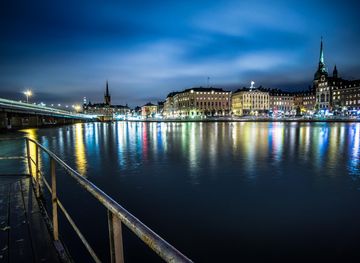
Explore more of Sweden
Discover Sweden's breathtaking landscapes, vibrant cities, and rich cultural heritage. From the Northern Lights to historic castles, experience the essence of Scandinavia.
Explore Sweden