Nasta Runestone Travel Guide
Free Guide: A weathered granite memorial from the Viking Age — incised runes, serpents and a mask unite to tell a thousand-year-old public story.


A brief summary of Nasta Runestone
A weathered granite memorial from the Viking Age — incised runes, serpents and a mask unite to tell a thousand-year-old public story.
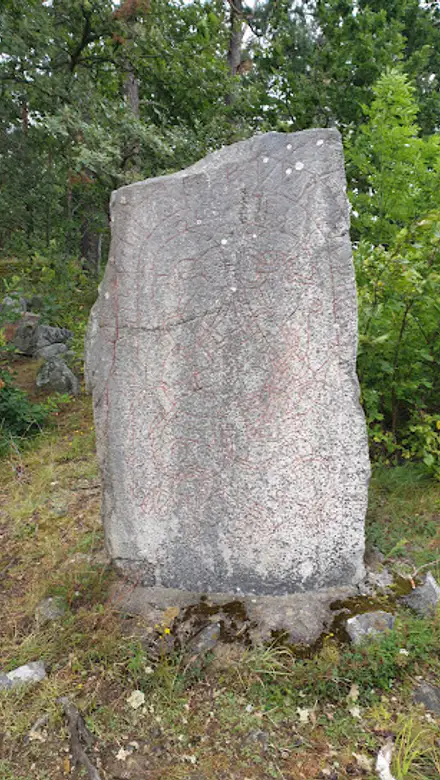
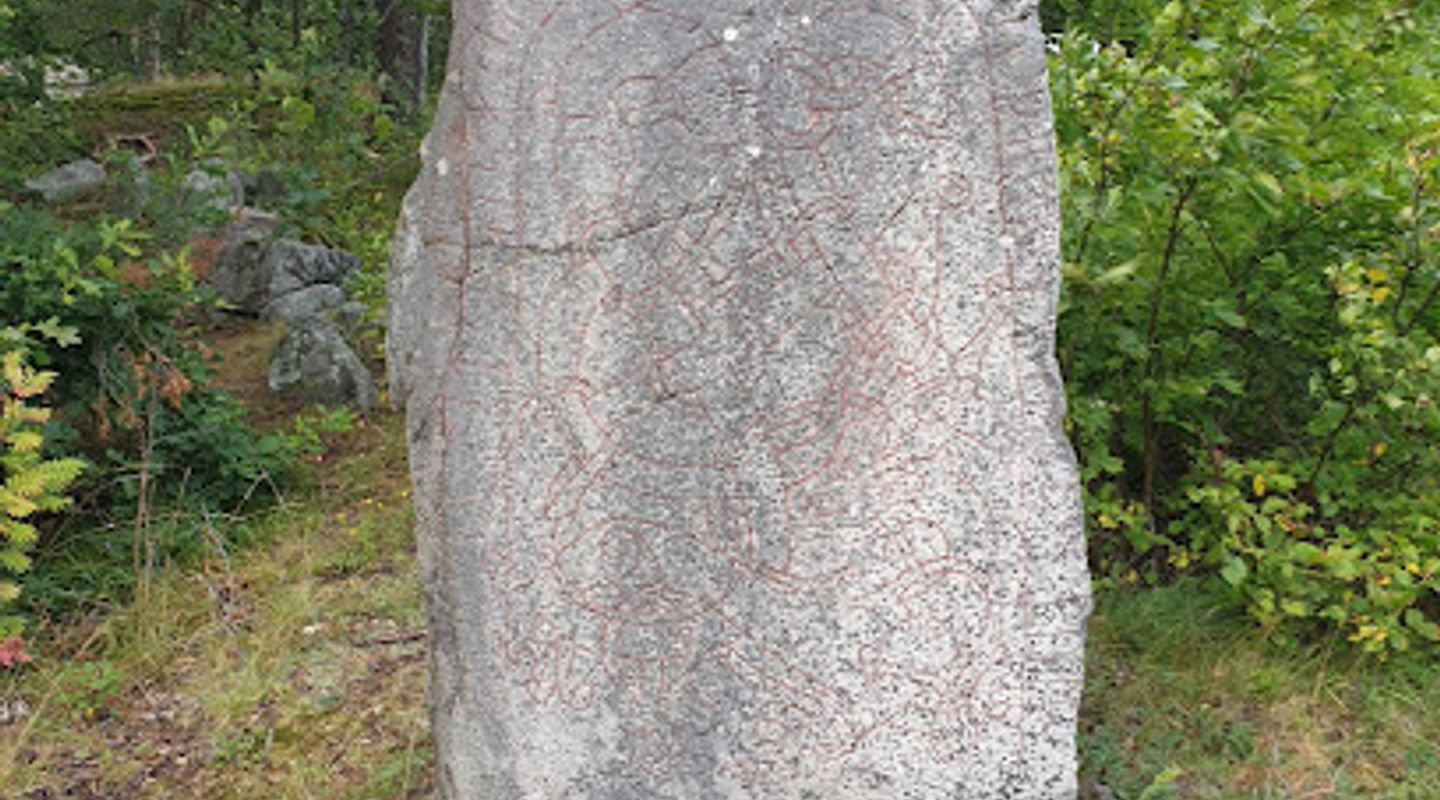
The Nasta Runestone (catalogued Nä 34) is a Viking Age memorial stone near Glanshammar in Örebro County, Sweden. Carved in granite and standing over two metres tall, its worn runic band and animal motifs — an entwined serpent, a beast and a mask-like face — show features of the Urnes style and mark it as a rich example of late Viking-age stone carving and local ceremonial landscape.
On-site amenities
 Seating areas
 Information boards
 Trash bins
- Address
- 705 96 Glanshammar
Getting there
Car (rural drive)
Regional bus + walk
Bicycle
Discover more about Nasta Runestone
Origins and carved story
The Nasta Runestone (Nä 34) is a granite monument raised in the Viking Age as a public memorial. Its surviving runic inscription is set within a sinuous runic band that winds across the stone’s face; although weathering has softened many details, traces of names and a commemorative formula remain. Carved figures — an intertwined serpent, a stylised beast and a mask-like face — accompany the text and link the stone to the visual language used by Scandinavian carvers around the turn of the first millennium.
Style and symbolism
The ornament on the stone displays traits associated with the Urnes (Pr3) school: elongated, ribbon-like animals rendered in profile with slender heads and almond-shaped eyes. The motif of a serpent and an animal biting or entwining a central feature is common across late Viking runic art and can signal protective power, mythic reference or simply an accomplished carver’s composition. The mask motif on Nasta has been interpreted as an apotropaic or decorative face; similar masks appear on other memorial stones and may have had protective or ancestral connotations.
Material, size and condition
Cut from local granite, the runestone stands at roughly two to two-and-a-quarter metres tall and was intended to be seen from the roadside or assembly area where it originally stood. Centuries of exposure have polished and eroded parts of the inscription; some characters are faint or incomplete, but enough survives to identify personal names and the monument’s commemorative purpose. Historic records note the stone’s occasional re-erection and movement through the centuries, which is why some edges and surfaces show past repairs or tool marks from conservation work.
Landscape and archaeological setting
Sited near the small settlement of Nasta, a few kilometres northwest of Glanshammar in Närke, the stone sits within a landscape of fields, minor roads and traces of earlier settlement. The immediate area contains other archaeological features and small nature patches; once intended as visible markers for travellers and neighbours, runestones like this one often stand where people gathered, at routes, assembly places or near farms of significance to the stone-raisers.
Cultural context and inscriptions
Runestones served both remembrance and display: carved inscriptions name the person who raised the stone and the person commemorated, sometimes adding titles, circumstances of death, or a prayer. On Nasta the worn inscription preserves fragments of patron and memorial names; researchers have compared letter-forms and ornament to place the carving within the late Viking Age and to link its language and style to regional practices in Svealand.
Present-day encounter
Today the stone is an accessible single monument in a quiet rural setting. Its weathered surface invites close inspection of the intertwined runic band and the animal motifs while offering a tangible link to the people who shaped the landscape a millennium ago. The stone’s modest footprint and contemplative presence reward a slow look: the curves of the carving, the interplay of text and image, and the quiet sense of continuity across centuries.
Evendo Review Centre
 Google
Guest reviews
Best time to go
Quietest: Jan, Feb & Dec · before 7am or at 7pm
Busy times are Evendo estimates for a typical year, to help you plan. Actual crowds vary with events, school holidays and the weather.
Explore Nasta Runestone on the map
A handpicked selection of must-see spots near Nasta Runestone, mapped for you.
Get your free copy of our complete guide to Nasta Runestone, delivered straight to you.
Everything on this page, from opening hours and how to get there to Eve’s tips and the best time to go, in one PDF you can read offline, print or share.
Already have an account? Sign in
Your Nasta Runestone guide is ready.
We'll send it to · Not you? Sign out

Getting your guide ready…
We are putting together a fresh copy of the Nasta Runestone guide. This can take up to a minute.
This can take a few moments. If your browser asks, choose Allow so the download can start. You'll find the guide in your Downloads folder.
Nothing happened? Download it again
Sorry, the guide is taking longer than usual. Please try again in a minute, or get it by email instead.
Other nearby places you may find interesting
The closest places of the same kind, if this one is not quite what you had in mind.
-
-
-
-
-


Swipe for more places
More to explore near Nasta Runestone

 Best experiences near Nasta Runestone
 Best hotels near Nasta Runestone
 Best landmarks near Nasta Runestone
 Best attractions near Nasta Runestone
 Best shops near Nasta Runestone
 Best restaurants near Nasta Runestone
 Best bars near Nasta Runestone
Do you manage this location?
Take control to get all the benefits, like improved information, better appearance, and stronger visibility across AI-powered discovery.
Explore more
Explore more of Västmanland
Discover Västmanland: A blend of natural beauty, historical treasures, and modern attractions in the heart of Sweden.
Explore Västmanland
Explore more of Sweden
Discover Sweden's breathtaking landscapes, vibrant cities, and rich cultural heritage. From the Northern Lights to historic castles, experience the essence of Scandinavia.
Explore Sweden