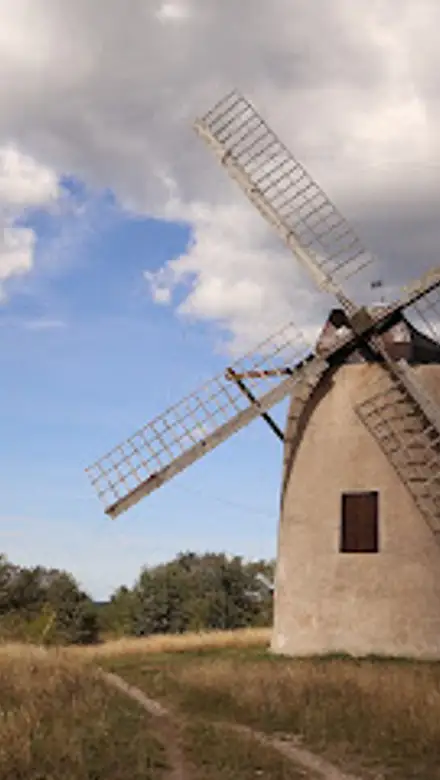
Traditional Wind Mill, Visby Travel Guide
Free Guide: A compact, windswept wooden mill on Gotland’s limestone plain—perfect for photography, quiet reflection and experiencing Visby’s rural heritage.


A brief summary of Traditional Wind Mill
A compact, windswept wooden mill on Gotland’s limestone plain—perfect for photography, quiet reflection and experiencing Visby’s rural heritage.
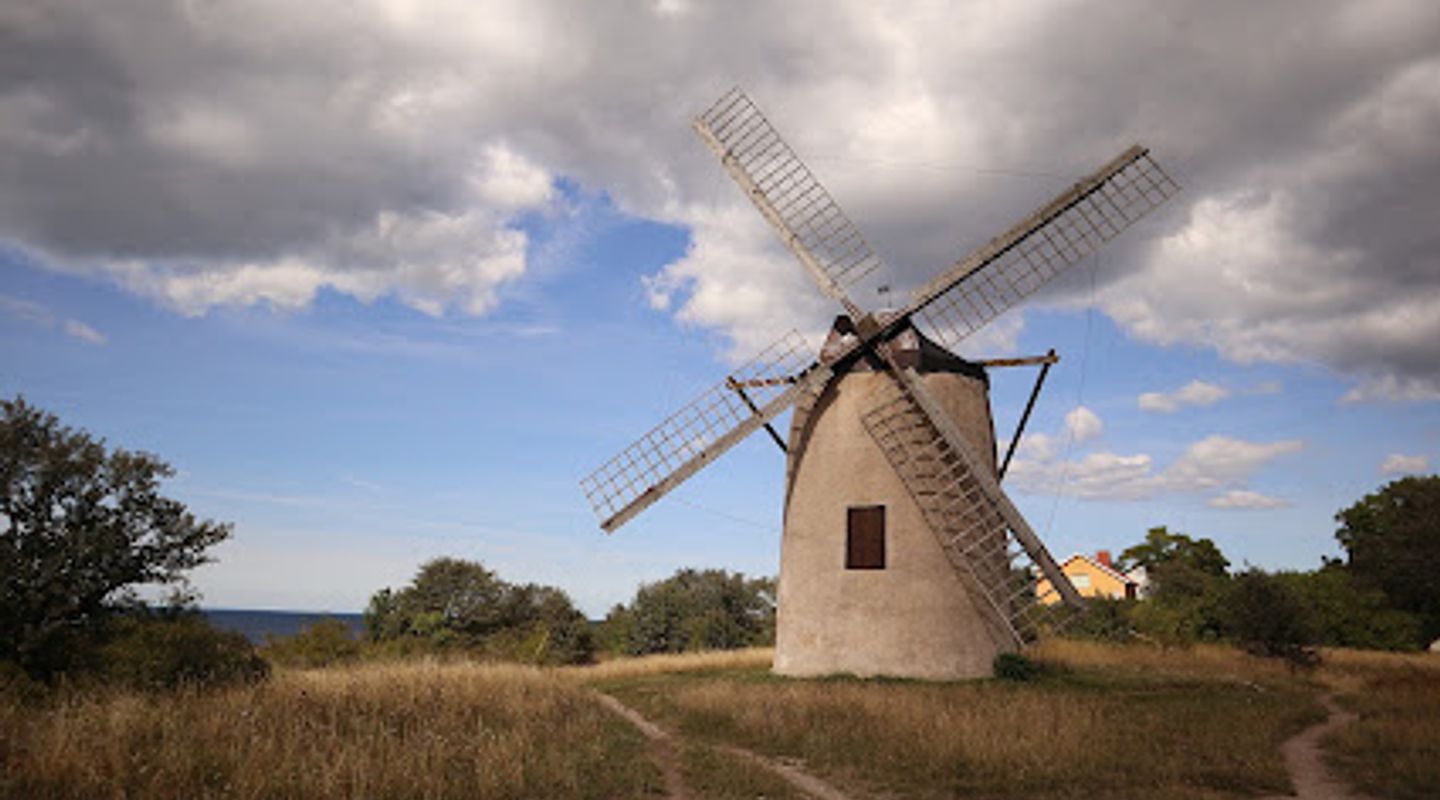
A picture-postcard traditional windmill set on the limestone fields just outside Visby, this weathered wooden mill evokes Gotland’s rural past with turned sails, thatched roof details and panoramic views over low heather and stone-strewn farmland. It’s a compact, walkable site for photography, quiet contemplation and seasonal wildflowers, often visited alongside Visby’s medieval walls and coastal outlooks.
On-site amenities
 Seating areas
 Information boards
 Trash bins
- Address
- 621 58 Visby
Getting there
By regional bus
By car
On foot from Visby walls
Discover more about Traditional Wind Mill
A windswept relic on Gotland’s limestone plain
The Traditional Wind Mill stands as a compact, timber-built landmark on the open fields near Visby, its upright tower and broad sails silhouetted against the northern sky. Constructed in the style of Gotland’s 18th–19th century farm mills, it perches on stony ground that alternates between grass, low scrub and exposed limestone—an environment that gives the site its characteristic, spare light and the smell of wind and sea carried across the plain.
How the mill read the weather and the seasons
This mill was designed to harness steady coastal breezes: the sails, vane and gearing are arranged to catch the prevailing winds that sweep in from the Baltic. In spring and summer the area around the mill breaks into a patchwork of pale limestone, grasses and roadside wildflowers; in autumn the grasses dull to bronze and the mill’s silhouette becomes more severe against low, silvery skies. Winter brings a quieter, colder aspect when frost and short daylight emphasize the structure’s simple geometry.
Craft, mechanics and rural life
Look closely and you’ll see the mill’s working elements—timber beams, a capped roof and the spindle that once turned stones for grinding grain. These visible parts speak to traditional rural economies: the mill was a local processing hub for small farms, where seasonal harvests of rye, barley and oats were turned into flour. The craftsmanship is modest but purposeful, built to be maintained by local hands and to sit efficiently in an exposed, windy landscape.
A setting for photography and slow exploration
The site is compact and lends itself to short, reflective visits rather than long itineraries. Photographers value the mill for its clean outlines and the way it frames sky and field; painters and sketchers are drawn to its textural contrasts—the weathered wood against pale limestone and the play of light across the sails. Walk the immediate area to enjoy different perspectives: nearer views reveal timber grain and iron fittings, while a step back lets the mill sit within sweeping landscape lines.
Nearby character and seasonal notes
Though the mill itself is small, its location connects visually to Visby’s historic character: the low agricultural countryside here forms a counterpoint to the town’s medieval stone. Seasonality shapes visits—late spring and early summer bring green growth and flowers, high summer offers long light for golden-hour photos, and late autumn or winter delivers stark, graphic scenes with strong contrasts. Wildlife is mostly field birds and insects that inhabit the grassland margins.
Respecting a quiet historic site
The Traditional Wind Mill is experienced best at a gentle pace. There are no large visitor facilities on-site; the focus is the structure and its setting. Visitors are encouraged to treat the ground and surrounding vegetation with care, to avoid climbing the mill or disturbing any fragile elements, and to take away any litter. The result is an uncluttered encounter with a small but evocative piece of Gotland’s rural heritage.
Evendo Review Centre
 Google
Guest reviews
Best time to go
Quietest: Jan, Feb & Dec · before 7am or from 10pm
Busy times are Evendo estimates for a typical year, to help you plan. Actual crowds vary with events, school holidays and the weather.
Explore Traditional Wind Mill on the map
A handpicked selection of must-see spots near Traditional Wind Mill, mapped for you.
Get your free copy of our complete guide to Traditional Wind Mill, delivered straight to you.
Everything on this page, from opening hours and how to get there to Eve’s tips and the best time to go, in one PDF you can read offline, print or share.
Already have an account? Sign in
Your Traditional Wind Mill guide is ready.
We'll send it to · Not you? Sign out

Getting your guide ready…
We are putting together a fresh copy of the Traditional Wind Mill guide. This can take up to a minute.
This can take a few moments. If your browser asks, choose Allow so the download can start. You'll find the guide in your Downloads folder.
Nothing happened? Download it again
Sorry, the guide is taking longer than usual. Please try again in a minute, or get it by email instead.
Other nearby places you may find interesting
The closest places of the same kind, if this one is not quite what you had in mind.
-
-
-
-
-


Swipe for more places
More to explore near Traditional Wind Mill

 Best experiences near Traditional Wind Mill
 Best hotels near Traditional Wind Mill
 Best landmarks near Traditional Wind Mill
 Best attractions near Traditional Wind Mill
 Best shops near Traditional Wind Mill
 Best restaurants near Traditional Wind Mill
 Best bars near Traditional Wind Mill
Do you manage this location?
Take control to get all the benefits, like improved information, better appearance, and stronger visibility across AI-powered discovery.
Explore more

Explore more of Visby
Discover Visby, Sweden's medieval marvel on the island of Gotland, where history, charm, and natural beauty converge in a UNESCO World Heritage site.
Explore Visby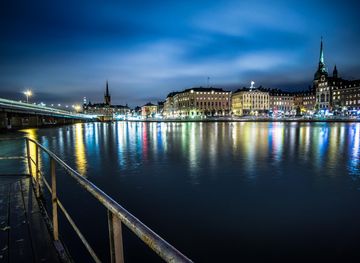
Explore more of Sweden
Discover Sweden's breathtaking landscapes, vibrant cities, and rich cultural heritage. From the Northern Lights to historic castles, experience the essence of Scandinavia.
Explore Sweden