

Free Montreux Travel Guide & Mobile App
Plan your Montreux trip with Evendo. Get free guides to top attractions, restaurants, hotels, and bars. Web access or download the mobile app.


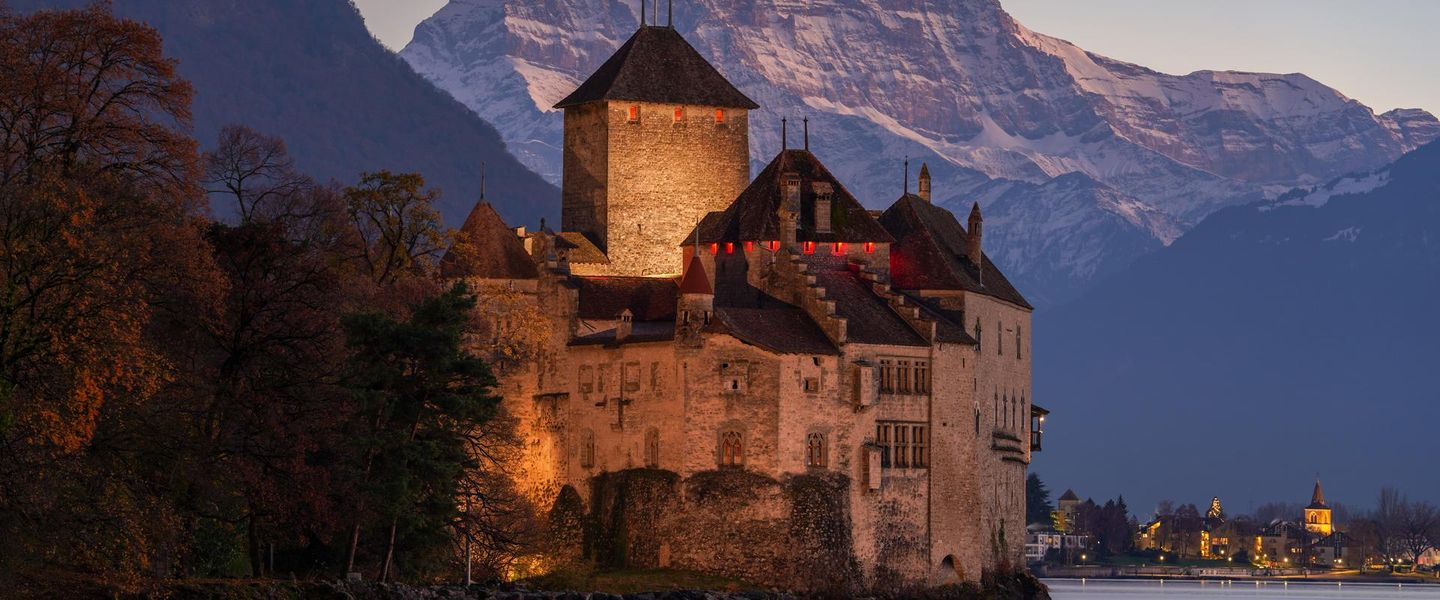


Montreux blends Lake Geneva scenery, Belle Époque hotels, Château de Chillon, jazz heritage and Alpine excursions on Switzerland’s Riviera.
Lake, Mountains and Belle Époque Grandeur
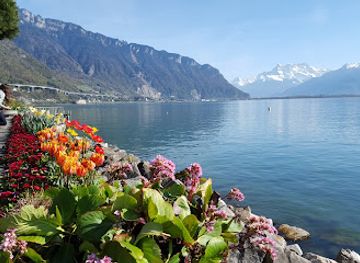
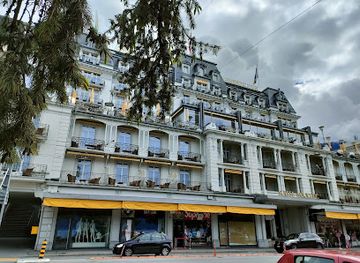
Montreux stretches along the eastern shore of Lake Geneva in Switzerland’s canton of Vaud, where palm-lined promenades, vineyard-clad slopes and the sharp contours of the Alps create an unusually dramatic setting. The town’s lakeside character was shaped by nineteenth-century tourism, when wealthy European visitors arrived for the mild climate, mineral waters and mountain scenery. Grand hotels, elegant villas and ornamental gardens still recall that era, while the waterfront offers open views across the lake towards France and the Chablais Alps.Read more about Montreux
A Cultural Lakeside Town
Castles, Vineyards and Mountain Railways
When is the best time to visit Montreux?
Best: June–August · 22–25°C| Month | High (°C) | Rainfall (mm) |
|---|---|---|
| January | 6 | 84 |
| February | 7 | 80 |
| March | 10 | 88 |
| April | 14 | 114 |
| May | 19 | 141 |
| June (best) | 22 | 134 |
| July (best) | 25 | 123 |
| August (best) | 24 | 117 |
| September | 20 | 115 |
| October | 16 | 106 |
| November | 10 | 91 |
| December | 7 | 86 |
Getting to and around Montreux
How to get there
Transportation
Best attractions in Montreux
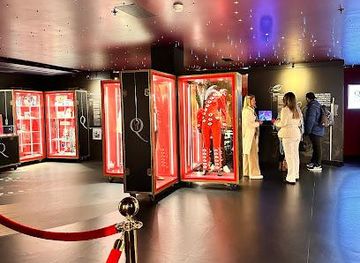
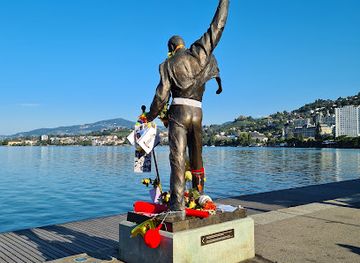
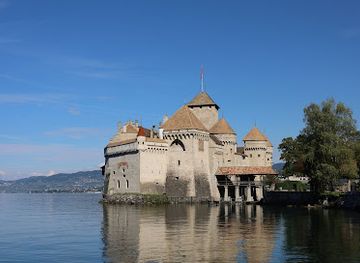
Montreux’s principal sights unfold along the lake and into the hills above it. The flower-lined quays lead past sculptures, gardens and the Freddie Mercury statue, commemorating the musician’s close association with the town. At the eastern edge of the Riviera, Château de Chillon presents medieval halls, towers and lakeside defences in an exceptionally dramatic setting. Back in town, the Casino Barrière preserves links with Montreux’s musical history, while the Queen Studio Experience explores the group’s recording connection with the former Mountain Studios. The Montreux–Glion–Rochers-de-Naye railway provides access to high alpine scenery, walking routes and wide views over Lake Geneva. Visitors can also follow the shore towards Clarens and Chailly, where quieter promenades and gardens contrast with the central resort district. Boat journeys, seasonal cultural events and nearby vineyard walks add variety without requiring the town to be treated as a conventional big-city sightseeing destination.
-
Castle
Chillon Castle
Explore Chillon Castle, a stunning medieval fortress on Lake Geneva, rich in history and breathtaking views, perfect for every tourist's itinerary.
7 min drive · 2.3 km from city centre
-
Museum
Chaplin's World
Explore the fascinating world of Charlie Chaplin at Chaplin's World, a must-visit museum in Corsier-sur-Vevey showcasing the legacy of the beloved filmmaker.
20 min drive · 6.7 km from city centre
-
Museum
Queen Studio Experience
Discover the magic of Queen's music history at the Queen Studio Experience in Montreux, a captivating museum that celebrates the band's legendary legacy.
2 min walk · 0.2 km from city centre
-
Casino Barrière Montreux
Discover the allure of Casino Barrière Montreux, a premier destination for gaming, dining, and entertainment on the shores of Lake Geneva.



Best landmarks in Montreux
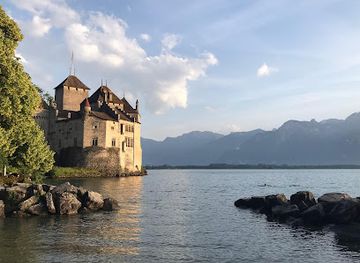
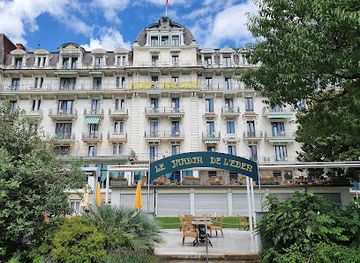
Château de Chillon is Montreux’s defining historic landmark, its stone towers and defensive walls occupying a strategic position beside the lake between the town and Villeneuve. In central Montreux, the Casino Barrière is significant both as a Belle Époque-era entertainment building and for its association with Queen’s recording history. The lakeside statue of Freddie Mercury has become a modern cultural marker, facing the water in memory of the singer who lived and worked locally. Grand hotels and villas along the quays express the town’s nineteenth-century development as an international resort, with ornamental façades and landscaped grounds recalling the age of grand European travel. The covered market, built in the nineteenth century, adds a civic and commercial landmark to the centre, while the mountain railway stations embody Montreux’s long relationship with alpine tourism and engineering.
-
Castle
Chillon Castle
Discover the enchanting Chillon Castle, a medieval fortress on Lake Geneva, rich in history and stunning views. A must-visit cultural landmark for all travelers.
7 min drive · 2.3 km from city centre
-
Sculpture
Freddie Mercury statue
Explore the Freddie Mercury statue in Montreux, a stunning tribute to the iconic musician amidst breathtaking Lake Geneva views.
2 min walk · 0.2 km from city centre
-
Museum
Queen Studio Experience Montreux
Explore the legacy of Queen at the Queen Studio Experience Montreux, a hub of music history and creativity in the heart of Switzerland.
2 min walk · 0.2 km from city centre
-
Casino
Casino Barrière Montreux
Discover the allure of Casino Barrière Montreux, where gaming excitement meets exquisite dining and vibrant nightlife in a stunning lakeside setting.
2 min walk · 0.2 km from city centre
Explore Montreux on the map
Plan your Montreux trip on one map. See where the top attractions, landmarks, restaurants, bars and hotels are, find what's near where you're staying, and book hotels and experiences in a few clicks.
Best hotels in Montreux
Best restaurants in Montreux
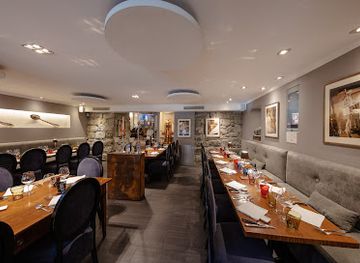
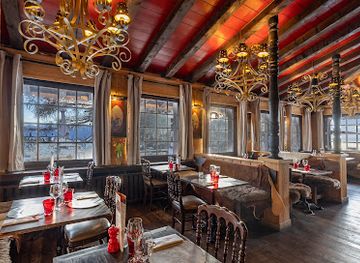
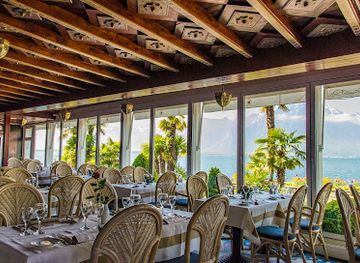
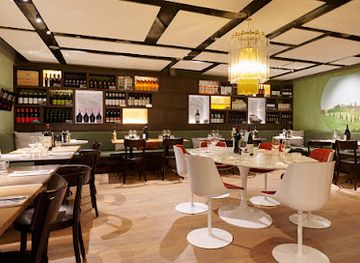
Montreux’s dining scene reflects the meeting of French-speaking Swiss traditions, lake culture and international resort life. Menus may feature fondue, raclette, rösti and other Swiss specialities, alongside freshwater fish from Lake Geneva, seasonal produce and French-influenced preparations. Lakeside restaurants and hotel dining rooms tend to emphasise scenery and polished service, while cafés and informal eateries provide simpler options around the centre and railway station. The covered market and local food shops are useful for discovering cheeses, breads, chocolate and regional products, although market activity varies by day and season. Montreux’s international visitors have also encouraged a broad range of Mediterranean, Asian and contemporary restaurants. Nearby Vevey and the Lavaux region extend the culinary landscape with vineyard-linked establishments and wine traditions associated with the terraces above Lake Geneva.
-
Restaurant
Rouvenaz
Experience culinary excellence at Rouvenaz in Montreux—where gourmet dining meets stunning lake views.
3 min walk · 0.3 km from city centre
-
Restaurant
Le Coucou Montreux
Indulge in exquisite Swiss cuisine with stunning views at Le Coucou Montreux – where dining meets breathtaking landscapes.
8 min drive · 2.7 km from city centre
-
Persian
Palais Oriental
Experience authentic Persian cuisine in Montreux at Palais Oriental, where exquisite flavors meet breathtaking views.
2 min walk · 0.1 km from city centre
-
Italian
Molino
Discover Molino: Montreux's premier destination for authentic Italian cuisine featuring delicious pizzas and Mediterranean delights.
2 min walk · 0.1 km from city centre
Best bars in Montreux
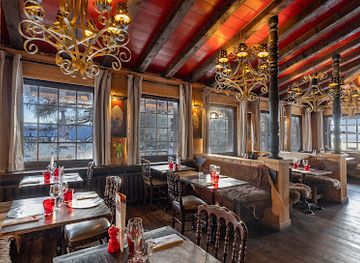
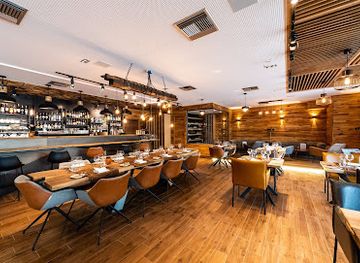
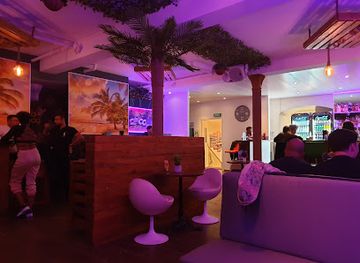
Montreux’s evening life is more refined and musical than club-centred, with hotel lounges, wine bars, cocktail venues and cafés concentrated around the lakefront and central streets. The Casino Barrière remains an important entertainment address, while the town’s strongest nightlife identity emerges during the Montreux Jazz Festival, when concerts and associated events spread through venues near the quays. Live music is available beyond the festival period, but the scale and choice of performances vary by season. Visitors seeking a quieter evening can choose a lakeside drink, a concert or a late meal rather than a large nightclub. Festival crowds can make the centre exceptionally busy, so transport connections and accommodation areas should be considered before attending evening events.
-
Restaurant
Le Coucou Montreux
Discover the culinary excellence of Le Coucou Montreux, where Swiss traditions meet breathtaking views of Lake Geneva and the Alps.
8 min drive · 2.7 km from city centre
-
Irish pub
Barrel Oak
Discover Barrel Oak, Montreux's premier Irish pub, where delightful food, refreshing drinks, and live music create an unforgettable experience.
5 min walk · 0.4 km from city centre
-
Restaurant
1820 Restaurant & Cocktails Bar
Indulge in authentic Italian and Mediterranean flavors at 1820 Restaurant & Cocktails Bar in Montreux, where every meal is a celebration.
5 min walk · 0.4 km from city centre
-
Restaurant
MONTREUX JAZZ CAFE
Experience the essence of jazz and culinary delights at Montreux Jazz Cafe, where every meal is a tribute to the legendary festival.
11 min walk · 0.9 km from city centre

Best nightclubs in Montreux
Montreux’s evening life is more refined and musical than club-centred, with hotel lounges, wine bars, cocktail venues and cafés concentrated around the lakefront and central streets. The Casino Barrière remains an important entertainment address, while the town’s strongest nightlife identity emerges during the Montreux Jazz Festival, when concerts and associated events spread through venues near the quays. Live music is available beyond the festival period, but the scale and choice of performances vary by season. Visitors seeking a quieter evening can choose a lakeside drink, a concert or a late meal rather than a large nightclub. Festival crowds can make the centre exceptionally busy, so transport connections and accommodation areas should be considered before attending evening events.
-
Bar
Funky Claude's Bar
Discover the vibrant nightlife of Montreux at Funky Claude's Bar, where stylish decor, delightful cocktails, and live music create an unforgettable experience.
11 min walk · 0.9 km from city centre
-
Lounge
Taboo Bar
Experience the vibrant nightlife at Taboo Bar in Montreux, where exquisite cocktails and live entertainment create unforgettable moments.
1 min walk · 0.1 km from city centre
-
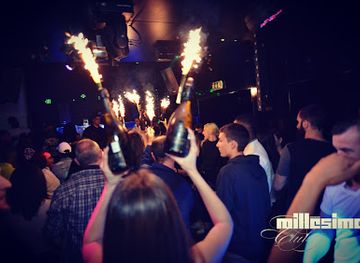
Disco club
Millésime Club
Discover the vibrant nightlife of Montreux at Millésime Club, where music, style, and unforgettable memories come together.
10 min walk · 0.8 km from city centre
-
Cocktail bar
Le Coco Bar
Experience sophisticated cocktails in an elegant setting at Le Coco Bar, the ultimate nightlife destination in Montreux's vibrant scene.
8 min walk · 0.6 km from city centre
Best shops in Montreux
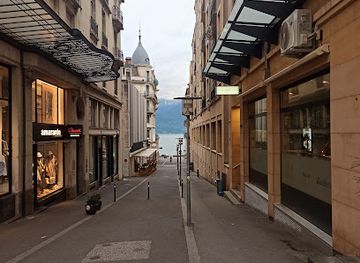
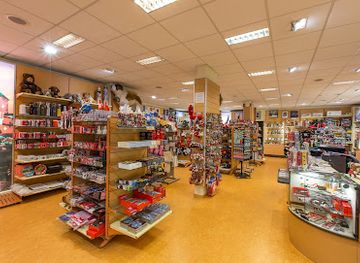
Shopping in Montreux is concentrated around the lakeside centre, the streets near the railway station and the covered market rather than a large enclosed retail district. Independent food shops, delicatessens and confectioners offer Swiss chocolate, cheese, biscuits and other regional products, while specialist retailers and boutiques cater to the town’s international visitors. The covered market is architecturally interesting and may host stalls selling produce or local goods, although its trading pattern depends on the day. Souvenir shops commonly focus on Swiss crafts, watches, music associations and mountain imagery, while galleries and design-led stores provide a more contemporary feel. Visitors interested in wine can look towards the wider Lavaux and Riviera area for bottles from local vineyards, but should remember that the vineyards themselves are outside central Montreux and are working agricultural landscapes rather than a single shopping quarter.
-
Shopping mall
Forum Montreux
Explore Forum Montreux, a bustling shopping mall offering a mix of fashion, dining, and local culture in the heart of Montreux, Switzerland.
1 min walk · 0.1 km from city centre
-
Clothing Shop
Zara
Explore Zara in Montreux for trendy, affordable fashion that complements your style while enjoying the stunning Swiss scenery.
1 min walk · 0.1 km from city centre
-
Gift basket store
Bazar Suisse - Swiss Souvenirs Shop
Explore an enchanting selection of Swiss souvenirs at Bazar Suisse in Montreux, where every gift reflects the essence of Switzerland.
2 min walk · 0.2 km from city centre
-
Clothing Shop
TOPDECK Shop Hype
Explore the stylish world of TOPDECK Shop Hype in Montreux, where exclusive streetwear meets a vibrant shopping experience.
7 min walk · 0.5 km from city centre
Get your free copy of our complete guide to Montreux, delivered straight to you.
Everything on this page, from attractions and restaurants to essentials and local phrases, in one PDF you can read offline, print or share.
Already have an account? Sign in
Your Montreux guide is ready.
We'll send it to · Not you? Sign out

Getting your guide ready…
We are putting together a fresh copy of the Montreux guide. This can take up to a minute.
This can take a few moments. If your browser asks, choose Allow so the download can start. You'll find the guide in your Downloads folder.
Nothing happened? Download it again
Sorry, the guide is taking longer than usual. Please try again in a minute, or get it by email instead.
Montreux essentials
Currency and Payment
Safety
Emergency Situations
Do's and Don'ts
Local Tips
From Eve
Local phrases worth knowing
You don't need to get them perfect. A few words go a long way, and locals appreciate the effort.
Basics
| English | Local | Say it |
|---|---|---|
| Hello | Bonjour | [bohn-zhoor] |
| Goodbye | Au revoir | [oh ruh-vwahr] |
| Yes | Oui | [wee] |
| No | Non | [nohn] |
| Please/You're welcome | S'il vous plaît | [seel voo pleh] |
| Thank you | Merci | [mehr-see] |
| Excuse me/Sorry | Excusez-moi | [ehks-kew-zay mwah] |
| How are you? | Comment ça va? | [koh-mohn sah vah] |
| Fine. And you? | Bien. Et toi? | [byen. ay twah] |
| Do you speak English? | Parlez-vous anglais? | [par-lay voo ahn-glay] |
| I don't understand | Je ne comprends pas | [zhuh nuh kohm-prahnd pah] |
Eating & Drinking
| English | Local | Say it |
|---|---|---|
| I'd like to see the menu, please | Je voudrais voir le menu, s'il vous plaît | [zhuh voo-dray vwahr luh muh-noo, seel voo pleh] |
| I don't eat meat | Je ne mange pas de viande | [zhuh nuh mahnj pah duh vyand] |
| Cheers! | Santé! | [sahn-tay] |
| I would like to pay, please | Je voudrais payer, s'il vous plaît | [zhuh voo-dray pay-ay, seel voo pleh] |
Emergencies
| English | Local | Say it |
|---|---|---|
| Help! | Au secours! | [oh se-coor] |
| Go away! | Allez-vous en! | [ah-lay voo zahn] |
| Call the Police! | Appelez la police! | [ahp-uh-lay lah poh-lees] |
| Call a doctor! | Appelez un médecin! | [ahp-uh-lay uh may-duh-sahn] |
| I'm lost | Je suis perdu | [zhuh swee pehr-doo] |
| I'm ill | Je suis malade | [zhuh swee mah-lahd] |
Shopping
| English | Local | Say it |
|---|---|---|
| I'd like to buy... | Je voudrais acheter... | [zhuh voo-dray zheh-tay...] |
| I'm just looking | Je regarde juste | [zhuh ruh-gahrd zhewst] |
| How much is it? | C'est combien? | [say kohm-byen] |
| That's too expensive | C'est trop cher | [say troh shehr] |
| Can you lower the price? | Pouvez-vous baisser le prix? | [poo-veh voo bay-say luh pree] |
Time & Numbers
| English | Local | Say it |
|---|---|---|
| What time is it? | Quelle heure est-il? | [kell uhr ay eel] |
| It's one o'clock | Il est une heure | [eel ay oon uhr] |
| Half past (10) | Dix heures et demie | [dees uhr ay duh-mee] |
| Morning | Matin | [ma-tahn] |
| Afternoon | Après-midi | [ah-pray mee-dee] |
| Evening | Soir | [swahr] |
| Yesterday | Hier | [yehr] |
| Today | Aujourd'hui | [oh-zhoor-dwee] |
| Tomorrow | Demain | [duh-mahn] |
| 1 | Un | [uhn] |
| 2 | Deux | [duh] |
| 3 | Trois | [twah] |
| 4 | Quatre | [katr] |
| 5 | Cinq | [sank] |
| 6 | Six | [sees] |
| 7 | Sept | [sept] |
| 8 | Huit | [weet] |
| 9 | Neuf | [nuhf] |
| 10 | Dix | [dees] |
Transport & Directions
| English | Local | Say it |
|---|---|---|
| Where's a/the...? | Où est...? | [oo ay...] |
| What's the address? | Quelle est l'adresse? | [kell ay lah-dress] |
| Can you show me (on the map)? | Pouvez-vous me montrer (sur la carte)? | [poo-veh voo muh mohn-tray (soor lah kart)] |
| When's the next (bus)? | Quand est le prochain (bus)? | [kahnd ay luh proh-shan (boos)] |
| A ticket (to ....) | Un billet (pour ...) | [uhn bee-yay (poor ...)] |
History of Montreux
From Roman Riviera to Medieval Settlements
The Montreux area has been inhabited since prehistoric times, and Roman influence reached the northern shores of Lake Geneva through roads, estates and settlements connected with the wider province of Gallia Narbonensis. The modern town developed from several lakeside and hillside communities rather than from a single medieval foundation. During the Middle Ages, local settlements were linked to ecclesiastical and feudal powers, while Château de Chillon controlled an important route beside the lake. Religious institutions, agricultural estates and small villages shaped the landscape, with vineyards becoming an enduring feature of the slopes above the water.
Savoyard Rule and Château de Chillon
For centuries, the region was associated with the Counts and Dukes of Savoy, whose strategic interests extended along Lake Geneva and through the Alpine passes. Château de Chillon, dramatically positioned near the lakeshore, served as a residence, administrative centre and military stronghold. Its surviving halls, courtyards, towers and subterranean rooms reflect successive medieval building campaigns rather than a single architectural moment. The castle entered literary history in the nineteenth century when Lord Byron wrote The Prisoner of Chillon after visiting the site, helping to turn the landmark into an important destination for Romantic travellers.
The Reformation and Vaud’s Political Transformation
The sixteenth century brought major religious and political change. Bern conquered the Pays de Vaud in 1536, ending Savoyard rule in the region and introducing the Reformation under Bernese authority. Churches and local institutions were reshaped, while Montreux and its surrounding communities remained primarily agricultural, supported by vineyards, orchards, fishing and trade. The political order changed again during the revolutionary period: in 1798, Vaud became a canton of the Helvetic Republic after resistance to Bernese control. The restored Swiss Confederation later recognised Vaud as a canton in 1803.
Railways and the Rise of Tourism
Montreux was transformed in the nineteenth century by improved transport and international tourism. Railway connections reached the area in the 1860s, followed by routes climbing towards the mountain resorts and linking the lakeside with the wider Vaud network. The mild climate, panoramic setting and reputation as a place of leisure attracted aristocratic visitors, artists and long-stay travellers. Grand hotels and villas appeared along the shore, giving the town much of its Belle Époque architectural character. Tourism also encouraged the development of promenades, gardens and excursion routes, establishing Montreux as one of Switzerland’s best-known resort towns.
Modern Montreux and Musical Internationalism
In the twentieth century Montreux continued to cultivate an international cultural identity. The town became associated with musicians and recording history, most famously through Queen’s use of the former Mountain Studios at the Casino Barrière; Freddie Mercury also maintained a home in the area. Founded in 1967, the Montreux Jazz Festival expanded from a jazz programme into a major event presenting a broad range of international music. Modern Montreux therefore rests on several overlapping legacies: resort architecture, lakeside landscape, transport innovation and a cultural life that reaches well beyond its historic hotel district.
Travel experiences inspired by this city


Swipe for more travel diaries
Montreux in Photos
Browse through our photo collection highlighting the charm and character of the destination.
Cities near Montreux
The closest cities to Montreux, if you have time for more than one stop.
-

-

-

-
-


Swipe for more cities
Explore more

Explore more of Switzerland
Discover Switzerland's majestic landscapes, vibrant cities, and rich culture. From alpine adventures to urban exploration, experience the best of Europe in one destination.
Explore Switzerland