

Free Lausanne Travel Guide & Mobile App
Plan your Lausanne trip with Evendo. Get free guides to top attractions, restaurants, hotels, and bars. Web access or download the mobile app.


Lausanne blends Lake Geneva views, Olympic heritage, Gothic architecture, museums and vineyard landscapes in Switzerland’s Vaud region for travellers.
A City Shaped by Water and Hills
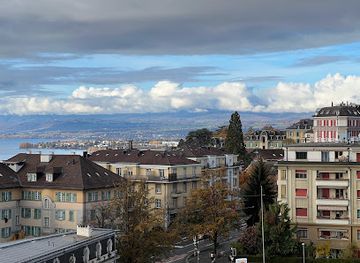
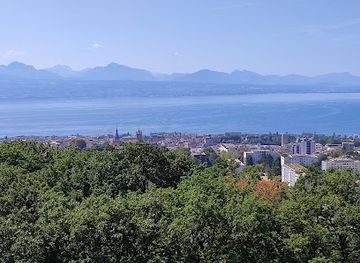
Lausanne rises in terraces above the northern shore of Lake Geneva, with steep streets linking the medieval Cité, the commercial centre and the lakeside quarter of Ouchy. From many viewpoints, the city opens towards the lake and the French Alps, while vineyards and wooded slopes form a green setting beyond its built-up districts. Its compact centre rewards exploration on foot, although the hills make Lausanne one of Switzerland’s more physically demanding urban walks.Read more about Lausanne
Medieval Streets and Modern Culture
Lakefront Life and Vaud Landscapes
When is the best time to visit Lausanne?
Best: June–August · 22–25°C| Month | High (°C) | Rainfall (mm) |
|---|---|---|
| January | 2 | 61 |
| February | 3 | 58 |
| March | 9 | 64 |
| April | 14 | 60 |
| May | 18 | 73 |
| June (best) | 22 | 85 |
| July (best) | 25 | 88 |
| August (best) | 24 | 84 |
| September | 20 | 77 |
| October | 16 | 76 |
| November | 10 | 74 |
| December | 5 | 70 |
Getting to and around Lausanne
How to get there
Transportation
Best attractions in Lausanne
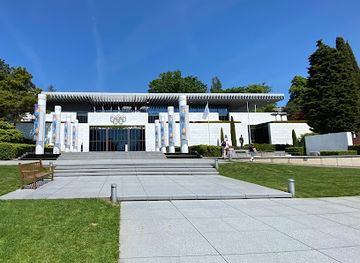
Lausanne’s sightseeing unfolds across several distinct levels. The medieval Cité centres on Lausanne Cathedral, whose interior and tower provide a powerful introduction to the city’s history and topography. At Vidy, the Roman Museum presents the remains and daily life of ancient Lousonna, connecting modern Lausanne with its lakeside origins. The Olympic Museum at Ouchy explores the history, ideals and visual culture of the Olympic movement through objects, multimedia displays and sporting memorabilia. Art lovers can visit Collection de l’Art Brut, founded around works outside conventional artistic institutions, or explore the museums of Plateforme 10 beside the railway station, including the Musée cantonal des Beaux-Arts. For outdoor scenery, Ouchy’s promenades, the gardens around Lake Geneva and Sauvabelin’s woodland paths offer a change of pace, while the Sauvabelin Tower provides broad views over the city and surrounding landscape.
-
Museum
The Olympic Museum
Explore the legacy of the Olympic Games at The Olympic Museum in Lausanne, where sports history, culture, and breathtaking views converge.
16 min walk · 1.2 km from city centre
-
Cathedral
Lausanne Cathedral
Discover the stunning Lausanne Cathedral, a Gothic masterpiece with breathtaking views, rich history, and cultural experiences in the heart of Switzerland.
4 min walk · 0.3 km from city centre
-
City park
Esplanade de Montbenon
Discover the serene beauty of Esplanade de Montbenon, a picturesque park in Lausanne offering stunning views and cultural experiences.
7 min walk · 0.6 km from city centre
-
Historical place
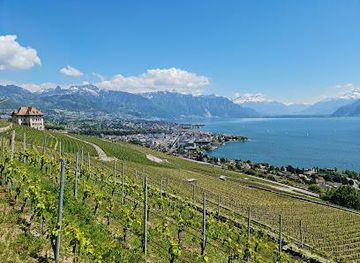
Terrasses viticoles de Lavaux
Experience the breathtaking beauty and rich history of the Terrasses Viticoles de Lavaux, a UNESCO World Heritage site with stunning vineyards and panoramic views.
25 min drive · 8.2 km from city centre


Best landmarks in Lausanne
Lausanne Cathedral is the city’s defining historic landmark, a major medieval Gothic church whose elevated position makes it visible across the urban terraces. Nearby, the Château Saint-Maire is a late-medieval fortified residence that now houses the cantonal government, while the Lausanne Town Hall on Place de la Palud represents the civic centre of the old city. The Escaliers du Marché, a covered flight of wooden steps, links the cathedral quarter with the market area and preserves an important feature of Lausanne’s hillside circulation. At Ouchy, the lakefront château and harbour form a contrasting nineteenth-century urban ensemble. The Tour de Sauvabelin, a wooden observation tower in the hills above the centre, is a contemporary recreational landmark rather than a historic monument, but its elevated views clarify the city’s relationship with Lake Geneva and the surrounding Vaud landscape.
-
Museum
The Olympic Museum
Explore the heart of Olympic history and culture at The Olympic Museum in Lausanne, where sports come alive in a breathtaking lakeside setting.
16 min walk · 1.2 km from city centre
-
 Cathedral
Lausanne Cathedral
Explore the architectural splendor and spiritual serenity of Lausanne Cathedral, a Gothic masterpiece and cultural landmark in Switzerland.
4 min walk · 0.3 km from city centre
-
City park
Esplanade de Montbenon
Experience the beauty of Esplanade de Montbenon in Lausanne, a stunning city park offering breathtaking views of Lake Geneva and the Alps.
7 min walk · 0.6 km from city centre
-
Observation deck
Sauvabelin Tower
Discover breathtaking vistas at Sauvabelin Tower, Lausanne's wooden gem offering panoramic views of Lake Geneva and the Alps amidst serene natural beauty.
5 min drive · 1.7 km from city centre
Explore Lausanne on the map
Plan your Lausanne trip on one map. See where the top attractions, landmarks, restaurants, bars and hotels are, find what's near where you're staying, and book hotels and experiences in a few clicks.
Neighbourhoods in Lausanne
-

-

-

-


Swipe for more neighbourhoods
Best hotels in Lausanne
Best restaurants in Lausanne
Lausanne’s food culture reflects the cooking of the canton of Vaud, French-speaking Switzerland and the vineyards around Lake Geneva. Traditional dishes include papet vaudois, a leek and potato preparation served with Vaud sausage, as well as saucisson vaudois, cheese-based Malakoff fritters and savoury pastries such as taillé aux greubons. Local wines from Lavaux, La Côte and other Vaud districts are prominent on restaurant lists, often alongside seasonal lake and mountain-region produce. The old town and Rue de Bourg contain established restaurants and cafés, while Flon offers contemporary dining in a more urban setting. Markets and food shops around the central districts are useful for discovering cheeses, breads, pastries and regional specialities, and Lausanne’s international population has also contributed to a broad range of modern and global cuisines.
-
Italian
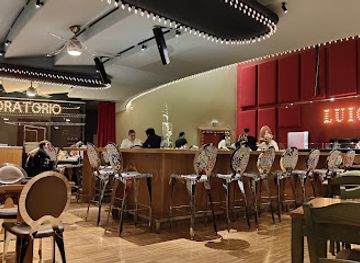
Luigia Lausanne
Experience authentic Italian flavors at Luigia Lausanne – where every meal is a celebration of culinary tradition.
3 min walk · 0.3 km from city centre
-
Italian
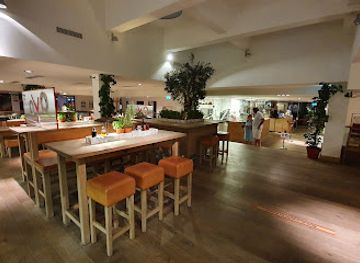
VaSano Ristorante
Indulge in authentic Italian cuisine at VaSano Ristorante in Lausanne, where every meal is a celebration of flavor and tradition.
5 min walk · 0.4 km from city centre
-
Restaurant
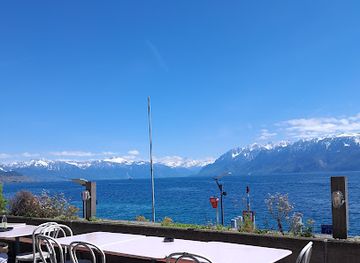
The Lacustre
Discover culinary excellence at The Lacustre, an eclectic restaurant by Lake Geneva offering stunning views and delightful flavors.
5 min drive · 1.7 km from city centre
-
Restaurant
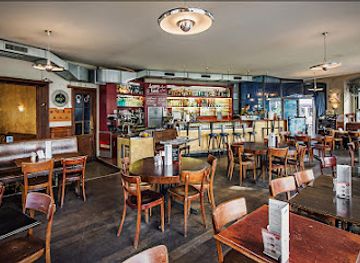
Bleu Lézard
Discover Bleu Lézard: A Fusion of Culinary Delights and Nightlife in Lausanne's Heart.
4 min walk · 0.3 km from city centre
Best bars in Lausanne
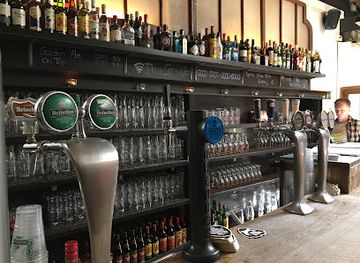
Lausanne has a concentrated evening scene shaped by its university population, cultural institutions and compact central districts. Flon is the main focus for late bars, clubs, cinemas and restaurants, occupying a former industrial quarter whose converted warehouses give the area a modern setting. Around the Cité and Rue de Bourg, smaller bars and cafés provide a quieter alternative, while venues near the station attract a mixed local and student crowd. The city’s cultural calendar adds concerts, theatre, dance and festival performances to the nightlife offer, and the Docks venue is associated with live music. Ouchy is more relaxed after dark, with lakeside walks and seasonal evening activity rather than a dense club scene. Swiss licensing and transport arrangements vary by venue, so late-night plans benefit from checking current information locally.
-
Bar
The Great Escape
Experience vibrant nightlife at The Great Escape bar in Lausanne, offering a unique selection of drinks and a lively atmosphere for all visitors.
4 min walk · 0.3 km from city centre
-
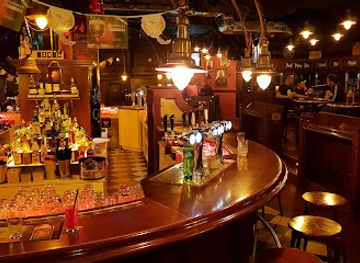
Pub
King Size Pub
Discover the lively atmosphere of King Size Pub in Lausanne, perfect for enjoying local brews and vibrant nightlife.
7 min walk · 0.6 km from city centre
-
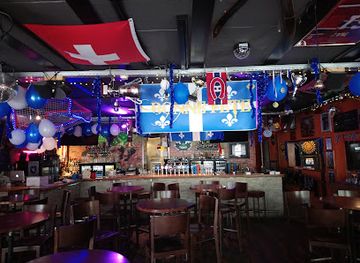
Pub
Pub Les Gosses du Québec
Discover the vibrant nightlife at Pub Les Gosses du Québec in Lausanne, featuring delicious food, great drinks, and a friendly atmosphere.
4 min walk · 0.3 km from city centre
-
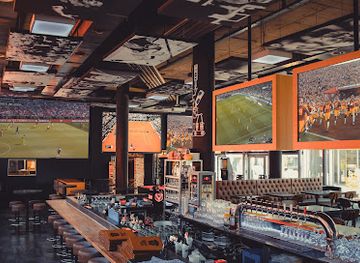
Sports bar
Bulldog Bar
Experience the lively atmosphere at Bulldog Bar, Lausanne’s go-to sports bar for delicious food, refreshing drinks, and exciting sports events.
7 min walk · 0.6 km from city centre
Best nightclubs in Lausanne
Lausanne has a concentrated evening scene shaped by its university population, cultural institutions and compact central districts. Flon is the main focus for late bars, clubs, cinemas and restaurants, occupying a former industrial quarter whose converted warehouses give the area a modern setting. Around the Cité and Rue de Bourg, smaller bars and cafés provide a quieter alternative, while venues near the station attract a mixed local and student crowd. The city’s cultural calendar adds concerts, theatre, dance and festival performances to the nightlife offer, and the Docks venue is associated with live music. Ouchy is more relaxed after dark, with lakeside walks and seasonal evening activity rather than a dense club scene. Swiss licensing and transport arrangements vary by venue, so late-night plans benefit from checking current information locally.
-
Disco club
MAD Club
Dive into the heart of Lausanne's nightlife at MAD Club, the ultimate disco destination for unforgettable nights of music and dancing.
7 min walk · 0.5 km from city centre
-
Nightclub
D! Club
Experience the electrifying nightlife at D! Club in Lausanne, a premier destination for unforgettable music and vibrant dance parties.
3 min walk · 0.2 km from city centre
-
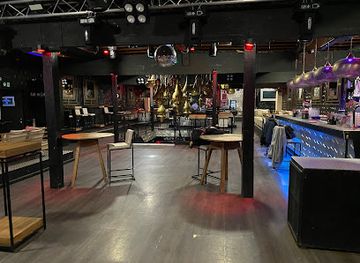
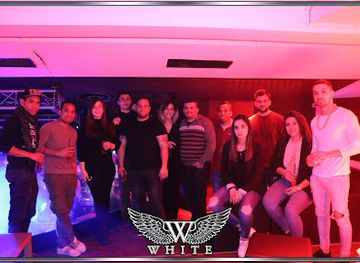
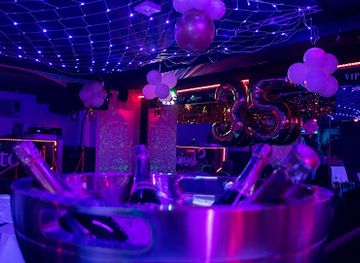
Dance hall
White Club / Temple Club Lausanne
Discover the heart of Lausanne's nightlife at White Club / Temple Club, where electrifying beats and vibrant crowds create unforgettable nights.
1 min walk · 0.1 km from city centre
-
Disco club
El Secreto Club
Experience the pulsating nightlife of Lausanne at El Secreto Club, a premier disco destination for unforgettable nights filled with music and dancing.
5 min walk · 0.4 km from city centre

Best shops in Lausanne
Shopping in Lausanne ranges from historic central streets to modern redeveloped quarters. Rue de Bourg is the principal traditional shopping artery, with fashion, beauty, specialist and independent businesses extending into the lanes around the Cité and Place Saint-François. The Flon district offers contemporary retail, cinemas and design-oriented spaces in a former industrial setting, while larger everyday shops cluster around the railway station and central commercial streets. Weekly markets in the old town and nearby squares provide opportunities to browse fruit, vegetables, cheeses, breads and other regional products, depending on the day and season. Good local purchases include Vaud wines, Swiss chocolate, regional cheeses and carefully made craft goods; visitors should distinguish these from generic Swiss souvenirs. Opening patterns follow Swiss conventions, with many shops closing earlier than international visitors may expect and limited trading on Sundays.
-
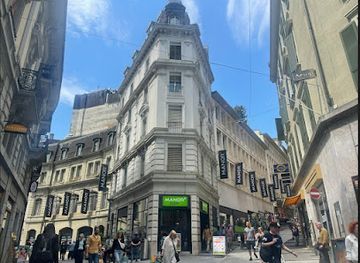
Department store
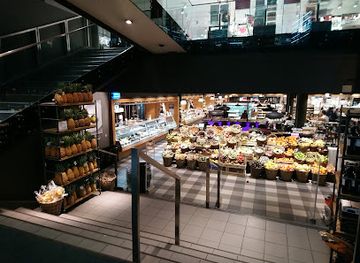
MANOR Lausanne
Explore a world of shopping at MANOR Lausanne, featuring clothing, home goods, and unique gifts in a vibrant department store atmosphere.
4 min walk · 0.3 km from city centre
-
Gift shop
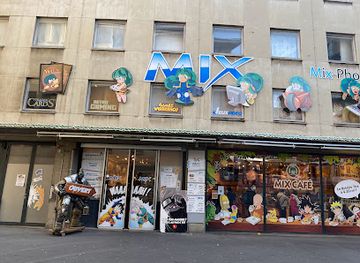
Mix-Image Lausanne
Explore Mix-Image Lausanne: your ultimate destination for unique collectibles, comic books, and gaming treasures in the heart of Switzerland.
2 min walk · 0.2 km from city centre
-
Clothing Shop
ZARA
Explore ZARA in Lausanne for the latest fashion trends and stylish apparel for the whole family at moderate prices.
2 min walk · 0.2 km from city centre
-
Boutique
MANIAK Lausanne
Explore the vibrant world of fashion and beauty at MANIAK Lausanne, where vintage meets contemporary in a unique boutique setting.
5 min walk · 0.4 km from city centre
Get your free copy of our complete guide to Lausanne, delivered straight to you.
Everything on this page, from attractions and restaurants to essentials and local phrases, in one PDF you can read offline, print or share.
Already have an account? Sign in
Your Lausanne guide is ready.
We'll send it to · Not you? Sign out

Getting your guide ready…
We are putting together a fresh copy of the Lausanne guide. This can take up to a minute.
This can take a few moments. If your browser asks, choose Allow so the download can start. You'll find the guide in your Downloads folder.
Nothing happened? Download it again
Sorry, the guide is taking longer than usual. Please try again in a minute, or get it by email instead.
Lausanne essentials
Currency and Payment
Safety
Emergency Situations
Do's and Don'ts
Local Tips
From Eve
Local phrases worth knowing
You don't need to get them perfect. A few words go a long way, and locals appreciate the effort.
Basics
| English | Local | Say it |
|---|---|---|
| Hello | Bonjour | [bohn-zhoor] |
| Goodbye | Au revoir | [oh reh-vwahr] |
| Yes | Oui | [wee] |
| No | Non | [nohn] |
| Please/You're welcome | S'il vous plaît/De rien | [seel voo pleh/duh ryan] |
| Thank you | Merci | [mehr-see] |
| Excuse me/Sorry | Excusez-moi/Désolé | [ex-kew-zay mwa/day-zoh-lay] |
| How are you? | Comment ça va? | [koh-mohn sah vah] |
| Fine. And you? | Bien. Et vous? | [byen. ay voo] |
| Do you speak English? | Parlez-vous anglais? | [par-lay voo ahn-glay] |
| I don't understand | Je ne comprends pas | [zhuh nuh kohm-prahnd pah] |
Eating & Drinking
| English | Local | Say it |
|---|---|---|
| I'd like to see the menu, please | Je voudrais voir le menu, s'il vous plaît | [zhuh voo-dray vwahr luh muh-nyu, seel voo pleh] |
| I don't eat meat | Je ne mange pas de viande | [zhuh nuh mahnj pah duh vyand] |
| Cheers! | Santé! | [sahn-tay] |
| I would like to pay, please | Je voudrais payer, s'il vous plaît | [zhuh voo-dray pay-yay, seel voo pleh] |
Emergencies
| English | Local | Say it |
|---|---|---|
| Help! | Au secours! | [oh seh-coor] |
| Go away! | Allez-vous en! | [ah-lay voo zahn] |
| Call the Police! | Appelez la police! | [ah-peh-lay lah poh-lees] |
| Call a doctor! | Appelez un médecin! | [ah-peh-lay uh may-deh-sahn] |
| I'm lost | Je suis perdu(e) | [zhuh swee pair-doo] |
| I'm ill | Je suis malade | [zhuh swee mah-lahd] |
Shopping
| English | Local | Say it |
|---|---|---|
| I'd like to buy... | Je voudrais acheter... | [zhuh voo-dray zah-shtay...] |
| I'm just looking | Je regarde juste | [zhuh ruh-gard zhust] |
| How much is it? | Combien ça coûte? | [kohm-byen sah koot] |
| That's too expensive | C'est trop cher | [say troh shair] |
| Can you lower the price? | Pouvez-vous baisser le prix? | [poo-veh voo bay-say luh pree] |
Time & Numbers
| English | Local | Say it |
|---|---|---|
| What time is it? | Quelle heure est-il? | [kell er ay-teel] |
| It's one o'clock | Il est une heure | [eel ay-tuhn er] |
| Half past (10) | Dix et demi | [dees ay duh-mee] |
| Morning | Matin | [mah-tahn] |
| Afternoon | Après-midi | [ah-pray mee-dee] |
| Evening | Soir | [swahr] |
| Yesterday | Hier | [yay] |
| Today | Aujourd'hui | [oh-zhoor dewee] |
| Tomorrow | Demain | [duh-mahn] |
| 1 | Un | [uhn] |
| 2 | Deux | [duh] |
| 3 | Trois | [twah] |
| 4 | Quatre | [kah-truh] |
| 5 | Cinq | [sank] |
| 6 | Six | [sees] |
| 7 | Sept | [sept] |
| 8 | Huit | [wheet] |
| 9 | Neuf | [nuff] |
| 10 | Dix | [dees] |
Transport & Directions
| English | Local | Say it |
|---|---|---|
| Where's a/the...? | Où est...? | [oo ay...] |
| What's the address? | Quelle est l'adresse? | [kell ay lah-dress] |
| Can you show me (on the map)? | Pouvez-vous me montrer (sur la carte)? | [poo-veh voo meh mohn-tray (soor lah kart)] |
| When's the next (bus)? | Quand est le prochain (bus)? | [kahn ay luh proh-shahn (boos)] |
| A ticket (to ....) | Un billet (pour ....) | [uhn bee-yay (poor)] |
History of Lausanne
Roman Lausanna and Early Settlement
Lausanne developed from a settlement associated with the Roman vicus of Lousonna, located in the present-day Vidy area beside Lake Geneva. The lakeside site benefited from routes crossing the wider Rhône basin and connecting settlements around the lake. As the Roman town declined, activity gradually shifted towards the hill above the shore, a more defensible location that became the nucleus of medieval Lausanne. Archaeological remains at the Roman site, including foundations and reconstructed elements, provide evidence of an urban community that traded and lived in the region long before the modern city emerged.
The Medieval Episcopal City
During the Middle Ages, Lausanne grew around an episcopal seat whose authority extended across much of the surrounding territory. The hilltop position encouraged a dense urban form, with the cathedral, bishop’s residence, markets and craft districts shaping the settlement. Lausanne Cathedral was built and developed from the eleventh century onwards, becoming both a religious centre and a major landmark on the routes through the western Alps. The city’s medieval prosperity was connected to ecclesiastical administration, regional trade and pilgrimage, while its steep streets and surviving urban pattern still reflect the physical limits of the hill.
Bernese Rule and the Reformation
In 1536, Bern conquered the Pays de Vaud, ending the political power of Lausanne’s bishop and bringing the city under Bernese rule. The Reformation was introduced at the same time, transforming religious institutions and public life; the cathedral became a Protestant place of worship and monastic properties were repurposed. Lausanne became an important centre of Reformed education, notably through the creation of the Académie de Lausanne in 1537. Bernese administration lasted for more than two centuries and left a lasting mark on the canton’s political structures, language and religious history.
The Vaud Revolution and Cantonhood
Political dissatisfaction with Bernese rule intensified in the late eighteenth century, when reformers in the Pays de Vaud sought greater autonomy. The French invasion of 1798 helped bring about the creation of the Léman canton under the Helvetic Republic, and the Act of Mediation established the canton of Vaud in 1803. Lausanne became its capital, giving the city an enduring administrative role. The nineteenth century brought institutional growth, improved roads and railways, and a gradual expansion beyond the medieval centre as Lausanne became more closely connected with the Swiss national economy.
Railways, Industry and Urban Expansion
Railway development in the nineteenth century accelerated Lausanne’s growth and changed its relationship with Lake Geneva. The main railway station opened in 1856, linking the city to Geneva, Bern and the wider Swiss network, while the Lausanne–Ouchy connection improved movement between the upper city and the shore. New neighbourhoods spread across the slopes, and commerce, education and administration expanded beyond the old town. The city’s position between lake and hills continued to influence its form, producing a varied urban landscape of terraces, bridges, stairways and transport corridors.
International Lausanne in the Modern Era
Lausanne developed a strong international profile during the twentieth century through its university, specialised institutions and connections with sport. The International Olympic Committee has been based in the city since 1915, and Lausanne was formally recognised as the Olympic Capital in 1994. Urban renewal reshaped former industrial areas, particularly the Flon, while the lakeside became associated with museums, recreation and international events. Contemporary Lausanne therefore combines the functions of a Vaud administrative capital, university city, cultural centre and global sporting headquarters without losing the historic structure of its upper town.
Lausanne in Photos
Browse through our photo collection highlighting the charm and character of the destination.
Cities near Lausanne
The closest cities to Lausanne, if you have time for more than one stop.
-

-
-

-

-


Swipe for more cities
Explore more

Explore more of Switzerland
Discover Switzerland's majestic landscapes, vibrant cities, and rich culture. From alpine adventures to urban exploration, experience the best of Europe in one destination.
Explore Switzerland