

Bern, Switzerland Travel Guide
Discover Bern, Switzerland's charming capital, where medieval architecture meets natural beauty and a vibrant cultural scene, all set against the backdrop of the majestic Alps.
Bern, the capital of Switzerland, is a city that seamlessly blends the old with the new. Its medieval city center, a UNESCO World Heritage Site, is a maze of cobblestone streets, sandstone buildings, and charming arcades. Walking through Bern feels like stepping into a fairy tale, with its iconic Clock Tower (Zytglogge) and the stunning Federal Palace (Bundeshaus) standing as proud symbols of its rich history. Nature lovers will find Bern equally enchanting. The city is cradled by the Aare River, offering picturesque views and serene moments. The Rosengarten park provides a panoramic view of the old town and the distant Alps, making it a perfect spot for a leisurely afternoon. Don't miss a visit to the Bear Park, home to the animals that are the city's namesake. Cultural enthusiasts will appreciate Bern's vibrant arts scene. The city hosts numerous museums, including the Zentrum Paul Klee, dedicated to the works of the famed artist, and the Bern Historical Museum, which offers a deep dive into Swiss heritage. The annual Gurtenfestival and various other cultural events ensure there's always something happening in this lively city.

Know before you go
Hi, I'm Eve. Here are a few practical things to know before exploring Bern.
- Buy a Bern Ticket: This allows free travel on public transport within the city and includes funiculars and the Gurtenbahn.
- Visit the Zytglogge on the hour to watch the clock's fascinating mechanical show.
- Explore the city on foot to fully appreciate the historic arcades and hidden alleyways.
- Check out the local markets at Bundesplatz for a taste of fresh Swiss produce and regional specialties.
- Pack a picnic and enjoy it at the Rosengarten for the best views of the city.
- Take a dip in the Aare River during summer for a refreshing experience.


Explore Bern: Things to Do, Places to Eat, Hotels & More
Handpicked recommendations for top attractions, local dining, accommodations, and more

Best attractions in Bern
Top-rated picks
Best Attractions

UNESCO - Bern Old Town
Explore Bern's Old Town, a UNESCO World Heritage Site with breathtaking medieval architecture, rich history, and vibrant Swiss culture.

Nydeggbrücke
Experience breathtaking views and rich history at Nydeggbrücke, the iconic bridge in Bern, Switzerland - a must-visit for every tourist.

Gurten Park im Grünen
Discover the beauty of nature at Gurten – Park im Grünen, a stunning park near Bern offering breathtaking views, walking trails, and family-friendly activities.

Freibad Marzili
Discover the beauty of Freibad Marzili, Bern's premier outdoor swimming pool, offering relaxation, fun, and stunning views of the Aare River.

Best landmarks in Bern
Top-rated picks
Best Landmarks

UNESCO - Bern Old Town
Explore Bern's UNESCO Old Town, a historical gem with enchanting architecture, vibrant shops, and rich cultural experiences.

Münsterplattform
Discover the serene beauty of Münsterplattform, a top tourist attraction in Bern with stunning views and rich cultural significance.

Nydeggbrücke
Discover the enchanting Nydeggbrücke in Bern, Switzerland—a bridge that combines stunning views, rich history, and a serene atmosphere for all travelers.

Bern Old Town View Point
Experience the stunning panoramic views of Bern's Old Town from this breathtaking viewpoint, showcasing the city's rich history and vibrant culture.

Best restaurants in Bern
Top-rated picks
Best Restaurants

Mille Sens
Discover Mille Sens in Bern - where Swiss tradition meets global flavors in an exquisite fusion dining experience.

Restaurant Essort
Experience authentic Swiss cuisine at Restaurant Essort in Bern – where tradition meets culinary excellence in a stunning setting.

Restaurant ZOE
Experience exquisite Swiss cuisine at Restaurant ZOE in Bern—where tradition meets innovation in a charming atmosphere.

Wein & Sein
Experience the pinnacle of European cuisine at Wein & Sein in Bern, where culinary artistry meets exceptional service.

Best bars in Bern
Top-rated picks
Best Bars

Abflugbar
Discover the vibrant ambiance of Abflugbar in Bern, where cocktails, camaraderie, and a captivating nightlife await you.
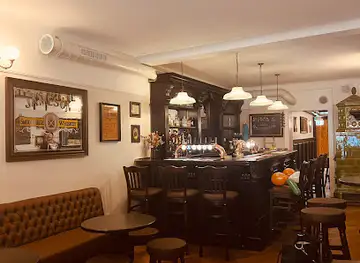
Old City Irish Pub
Discover the authentic Irish pub experience in Bern, where hearty food, local brews, and a welcoming atmosphere await you.
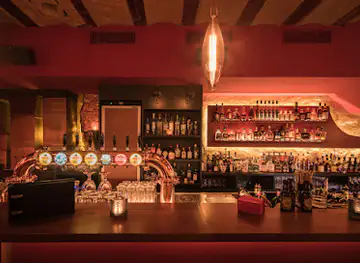
Department 66
Experience the vibrant nightlife of Bern at Department 66, where expertly crafted cocktails and a chic atmosphere await you.
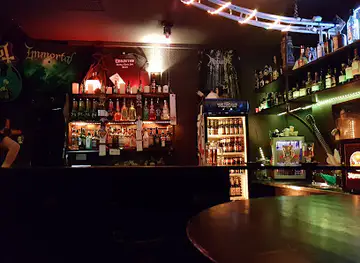
Ebrietas Bern
Discover the vibrant atmosphere and diverse drink selection at Ebrietas Bern, the ideal bar for unwinding after exploring the Swiss capital.

Best nightclubs in Bern
Top-rated picks
Best Nightclubs

Gaskessel Bern
Experience the vibrant nightlife at Gaskessel Bern, a premier nightclub and live music venue in the heart of Switzerland's capital.

W11
Experience the vibrant nightlife of Bern at W11, a premier nightclub offering electrifying music and an unforgettable atmosphere.

MAIA
Discover the pulse of Bern's nightlife at MAIA, where vibrant music and an electrifying atmosphere create unforgettable experiences.

Dead End
Immerse yourself in Bern's electrifying nightlife at Dead End Nightclub, where vibrant music and a joyful atmosphere await.

Best shops in Bern
Top-rated picks
Best Shops

Secret Nature Bern
Experience the unique blend of cannabis, books, and herbs at Secret Nature Bern, a cultural haven in the heart of Switzerland.

Blue Tomato Shop Bern
Explore the ultimate sportswear destination in Bern, featuring top-tier gear for skateboarding, snowboarding, and swimming enthusiasts.

STOOR GmbH - Conscious Fashion
Explore stylish and sustainable fashion at STOOR GmbH, a clothing shop in Bern dedicated to conscious consumerism and eco-friendly practices.

Yamatuti
Explore Yamatuti in Bern for unique gifts that celebrate Swiss culture and craftsmanship, perfect for all occasions. A true boutique experience awaits you.

Explore Bern on the Map
A handpicked selection of must-see spots in Bern, mapped for you.
Bern Essentials
-
Bern is easily accessible from major cities across Europe and beyond. The Bern Airport (BRN) is the closest airport, mainly serving regional flights. For international travelers, Zurich Airport (ZRH) and Geneva Airport (GVA) are the primary gateways, with efficient train connections to Bern. From Zurich, the train journey to Bern takes about 1 hour, and from Geneva, it's around 2 hours. Swiss Federal Railways (SBB) provides frequent and reliable services to Bern from other Swiss cities.
-
Bern offers an efficient public transportation network, including trams, buses, and trains, managed by Bernmobil. A Bern Ticket, provided by many hotels, allows free travel on public transport within the city. For more flexibility, consider renting a bike or using the city's e-scooter services. Taxis and ride-sharing services are also available. The Old Town is best explored on foot due to its compact size and pedestrian-friendly streets.
-
Switzerland uses the Swiss Franc (CHF). Credit and debit cards are widely accepted, but it's advisable to carry some cash for small purchases and in case of card payment issues. ATMs are plentiful throughout the city. Currency exchange services are available at banks and dedicated exchange bureaus.
-
Bern is generally a very safe city with low crime rates. However, like any other tourist destination, petty crimes such as pickpocketing can occur, especially in crowded areas like the train station and tourist hotspots. Stay vigilant, keep your belongings secure, and avoid poorly lit areas at night. There are no specific neighborhoods with high crime rates targeting tourists.
-
In case of an emergency, dial 117 for police, 144 for medical emergencies, and 118 for fire services. English-speaking operators are available. Bern's hospitals and clinics provide high-quality medical care. Pharmacies are well-stocked and can offer advice and over-the-counter medications. It’s advisable to have travel insurance that covers medical emergencies.
-
Fashion: Do dress smart-casual, especially in restaurants and cultural venues. Avoid overly casual attire like flip-flops and beachwear in the city center. Religion: Do respect religious sites by dressing modestly and speaking quietly. Public Transport: Do validate your ticket before boarding. Don't eat or drink on public transport. Greetings: Do greet people with a friendly handshake. A polite 'Grüezi' (hello) is appreciated. Eating & Drinking: Do try the local cuisine and make reservations at popular restaurants. Don't tip excessively; a service charge is usually included.
-
To experience Bern like a local, visit the weekly markets at Bundesplatz and Münstergasse for fresh produce and local specialties. Take a stroll along the Aare River, and don’t miss a swim in the river during summer. Explore the hidden alleys and arcades in the Old Town, and enjoy a coffee at one of the traditional cafés. Attend a local event or festival to immerse yourself in Bernese culture.
When is the best time to visit Bern?
Useful Local Phrases for Bern
You don't need to speak the language perfectly. Even learning a few simple words can make conversations warmer—and locals usually appreciate the effort.
— Eve

Here are the phrases I use most often in Bern. Try a few—you'll be surprised how far they go! 😊
❤️
-
- HelloGueten Tag
[güe-ten tahg] - GoodbyeUf Widerluege
[oof vee-der-lee-geh] - YesJa
[yah] - NoNei
[ni] - Please/You're welcomeBitte
[bi-teh] - Thank youMerci
[mehr-see] - Excuse me/SorryEntschuldigung
[ent-shool-dee-goong] - How are you?Wie goht's?
[vee gohts] - Fine. And you?Guet. Und dir?
[güet. oont deer] - Do you speak English?Sprichsch Englisch?
[shpree-sh eng-leesh] - I don't understandIch verstah nöd
[eech fer-shtah nud]
- HelloGueten Tag
-
- I'd like to see the menu, pleaseChasch mer bitte d'Menükarte zeige?
[khash mehr bi-teh deh-men-oo-kar-teh zy-geh] - I don't eat meatIch ässe kei Fleisch
[eech eh-seh kigh flysh] - Cheers!Zum Wohl!
[tzoom voohl] - I would like to pay, pleaseChasch mer bitte zahle?
[khash mehr bi-teh tsah-luh]
- I'd like to see the menu, pleaseChasch mer bitte d'Menükarte zeige?
-
- Help!Hilf!
[hilf] - Go away!Gang wäg!
[gahng vehg] - Call the Police!Ruf d'Polizei!
[roof deh-poh-lee-tsai] - Call a doctor!Ruf en Arzt!
[roof en ahr-tsht] - I'm lostIch han mi verlore
[eech hahn mee fehr-loreh] - I'm illIch bin chrank
[eech been khrahnk]
- Help!Hilf!
-
- I'd like to buy...Ich möcht ... koufe
[eech muh-kt ... kow-fuh] - I'm just lookingIch luege nur
[eech loo-geh noor] - How much is it?Wieviel koscht es?
[vee-vee-el kohsht es] - That's too expensiveDas isch z' teuer
[dahs ish tsoh toy-er] - Can you lower the price?Chasch du de Priis reduziere?
[khash doo deh prees reh-doo-tsee-uh-ruh]
- I'd like to buy...Ich möcht ... koufe
-
- What time is it?Wieviel Uhr isch es?
[vee-vee-el oor ish es] - It's one o'clockEs isch eis Uhr
[es ish eyes oor] - Half past (10)Halbi (zähni)
[halb-ee tsay-nee] - MorningMorge
[mohr-geh] - AfternoonNamittag
[nah-mee-tahg] - EveningAbig
[ah-beeg] - YesterdayGestere
[geh-shteh-ruh] - TodayHüt
[hoote] - TomorrowMorn
[mohrn] - 1Eis
[eyes] - 2Zwei
[tsvy] - 3Drei
[dry] - 4Vieri
[vee-ree] - 5Füfi
[foo-fee] - 6Sächsi
[sahk-see] - 7Sibi
[see-bee] - 8Achti
[ahk-tee] - 9Nüni
[noo-nee] - 10Zähni
[tsay-nee]
- What time is it?Wieviel Uhr isch es?
-
- Where's a/the...?Wo isch ...?
[voh ish] - What's the address?Was isch d'Adresse?
[vahs ish dah-dreh-suh] - Can you show me (on the map)?Chasch mir (ufem Plan) zeige?
[khash meer oof-uhm plahn zy-geh] - When's the next (bus)?Wänn fahrt de nächschte (Bus)?
[vann fahrt deh naykshteh boos] - A ticket (to ....)E Billett (nach ...)
[eh bee-leht nahkh]
- Where's a/the...?Wo isch ...?
History of Bern
-
Bern was founded in 1191 by Duke Berchtold V of Zähringen. According to legend, the Duke vowed to name the city after the first animal he encountered during a hunt, which turned out to be a bear. This is why a bear features prominently on the city’s coat of arms and has become an enduring symbol of Bern.
-
During the 13th and 14th centuries, Bern expanded rapidly and became a significant player in the region. The city joined the Swiss Confederation in 1353, solidifying its importance and ensuring its prosperity. This period saw the construction of many of Bern's iconic buildings, including the Zytglogge (Clock Tower) and the Münster (Cathedral).
-
In the early 16th century, Bern played a pivotal role in the Swiss Reformation. In 1528, the city officially adopted Protestantism under the influence of reformers like Huldrych Zwingli and Berchtold Haller. This religious shift had profound impacts on the cultural and social landscape of Bern, leading to the secularization of many church properties.
-
In 1848, Bern was chosen as the federal city (Bundesstadt) of the newly established Swiss Confederation. This decision solidified Bern's role as the political heart of Switzerland. The Federal Palace (Bundeshaus) was constructed, and it remains the seat of the Swiss Federal Assembly and Federal Council to this day.
-
Albert Einstein lived in Bern from 1903 to 1905, a period often referred to as his 'Miracle Years.' During his time in Bern, Einstein worked at the Swiss Patent Office and developed his groundbreaking theories of special relativity and the photoelectric effect. The house where he lived, now the Einstein Museum, offers a fascinating glimpse into the life of one of history’s greatest minds.
-
Bern's Old City (Altstadt) is recognized as a UNESCO World Heritage Site, celebrated for its well-preserved medieval architecture. The arcaded streets, historic fountains, and the Käfigturm (Prison Tower) are just a few examples of the city's rich architectural heritage. This designation underscores Bern's commitment to preserving its historical and cultural legacy.
-
Today, Bern is a vibrant city that seamlessly blends its historical roots with modern innovation. It is home to numerous cultural institutions such as the Bern Historical Museum, the Zentrum Paul Klee, and the Bern Theatre. The city continues to honor its traditions while embracing contemporary advancements, making it a dynamic and exciting place to visit.
Cities near Bern
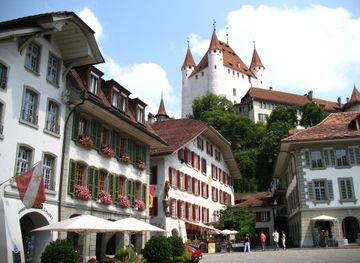
The closest cities to Bern, if you have time for more than one stop.


Your all‑in‑one travel companion app
Explore expert travel guides, compare and book tours, experiences, hotels, and more—all from the palm of your hand. Download now for seamless trip planning wherever your wanderlust takes you.


Bern in Photos
Browse through our photo collection highlighting the charm and character of the destination.


Bern: The Heartbeat of Switzerland
Bern, the capital of Switzerland, is a city that seamlessly blends the old with the new. Its medieval city center, a UNESCO World Heritage Site, is a maze of cobblestone streets, sandstone buildings, and charming arcades. Walking through Bern feels like stepping into a fairy tale, with its iconic Clock Tower (Zytglogge) and the stunning Federal Palace (Bundeshaus) standing as proud symbols of its rich history. Nature lovers will find Bern equally enchanting. The city is cradled by the Aare River, offering picturesque views and serene moments. The Rosengarten park provides a panoramic view of the old town and the distant Alps, making it a perfect spot for a leisurely afternoon. Don't miss a visit to the Bear Park, home to the animals that are the city's namesake. Cultural enthusiasts will appreciate Bern's vibrant arts scene. The city hosts numerous museums, including the Zentrum Paul Klee, dedicated to the works of the famed artist, and the Bern Historical Museum, which offers a deep dive into Swiss heritage. The annual Gurtenfestival and various other cultural events ensure there's always something happening in this lively city.
Explore More of Switzerland

Looking beyond Bern? Discover Switzerland for broader travel guides, local hot-spots, and regional highlights.
Explore Switzerland