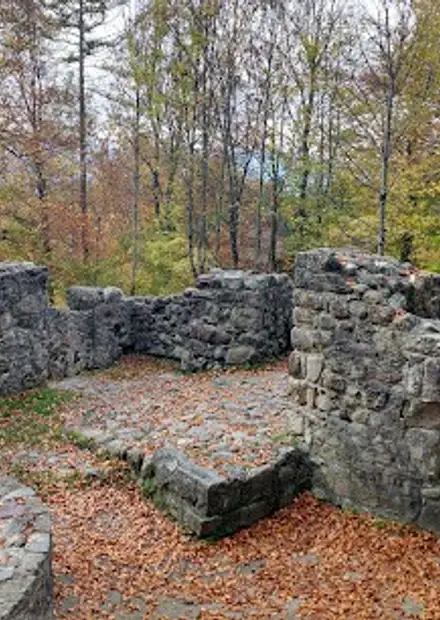
Best Landmarks Near Wulp Castle (Zurich)
Planning a trip to Wulp Castle? Discover the best landmarks nearby with history, expert tips, and routes. Free on web or the Evendo app.


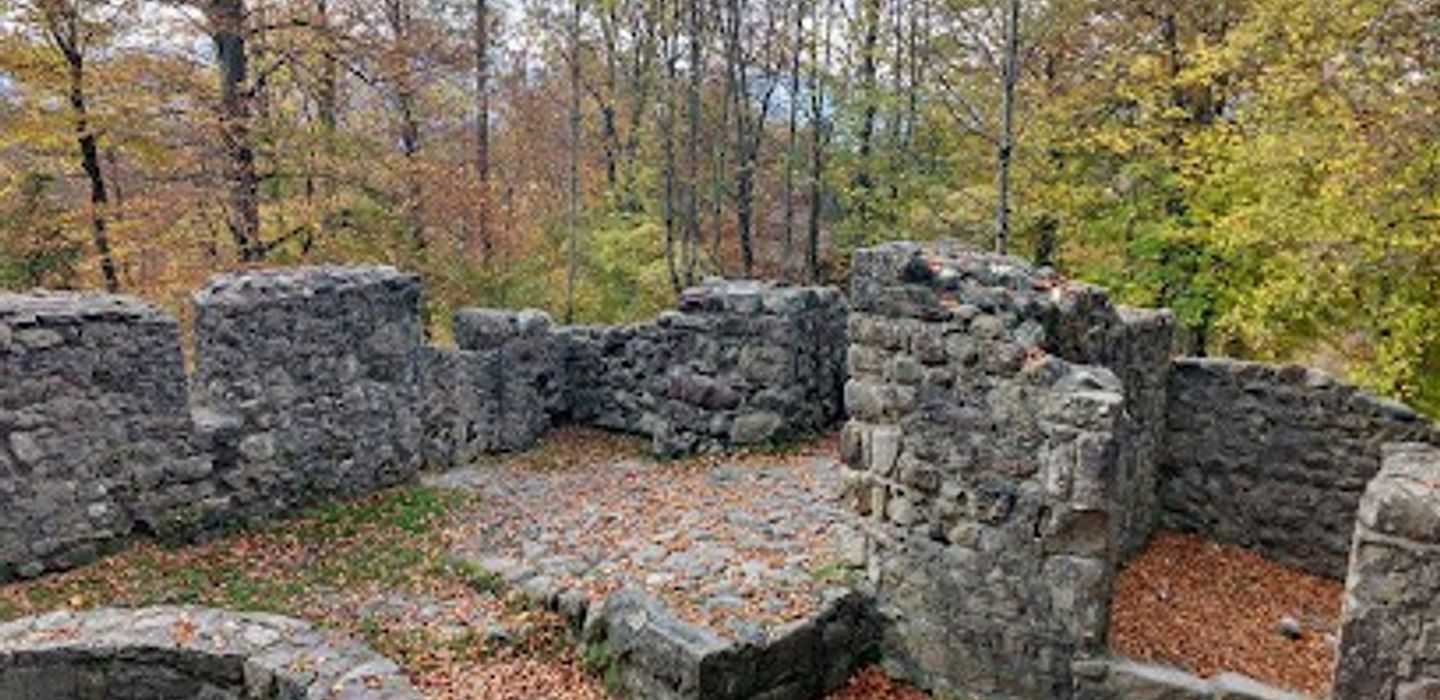
The best landmarks near Wulp Castle
- Top rated
- Closest to Wulp Castle
- Price level: low to high
- Time to spend: shortest first
- A–Z
60 landmarks
-
Protestant church4.5★8,421 reviews
Grossmünster
Grossmünster is one of Zurich’s defining sights: a Romanesque Protestant church with twin towers, a calm interior, and a steep climb to city and lake views. Set in the old town above the Limmat, it combines sacred space, Reformation history, and a compact but memorable panorama. Most visits last under an hour unless you linger for the tower or nearby streets.
Time to spend 0.5–2 hrs
-
Evangelical church4.5★3,660 reviews
Fraumünster Church
Fraumünster stands as a working Protestant church whose Romanesque and Gothic interior draws visitors chiefly for its luminous stained-glass windows by Marc Chagall. Founded in 853 as part of a women’s abbey, the building carries more than a millennium of Zürich history. A compact visit takes in the nave, transepts and choir, then descends to the crypt museum for context on the abbey’s former power and the Reformation changes that followed. The experience remains quiet and respectful, set within an active place of worship rather than a dedicated tourist venue.
Price level $Time to spend 0.5–1 hr
-
Bridge4.7★1,921 reviews
Quaibrücke
Quaibrücke carries road, tram, bicycle and pedestrian traffic across the point where Lake Zürich narrows into the Limmat. The broad bridge links Bellevue with Bürkliplatz and supplies open views along the lake on one side and toward the city and river on the other. Built in the 1880s and widened in 1939, it forms part of Zürich’s historic waterfront development. Visitors cross on foot, pause for photographs or continue along the adjoining quays. The experience is shaped by ordinary urban movement rather than a quiet promenade, with traffic and tram activity present throughout the day.
Open 24 hoursTime to spend 5–15 hrs
-
Protestant church4.5★1,738 reviews
St. Peter
St. Peter stands on a raised square in Zürich’s Old Town as the city’s oldest parish church. Its 8.64-metre clock face dominates the street scene while the compact Baroque nave inside offers a quiet contrast to the surrounding medieval fabric. Visitors enter for reflection or a brief architectural visit, experiencing the only Baroque church interior in Zürich within an active Reformed congregation. The site’s long history reaches back to the ninth century, and the present building remains both a place of worship and a stop on any Old Town walk.
Time to spend 15–30 hrs
-
Tourist attraction4.5★1,214 reviews
Paradeplatz
Paradeplatz serves as a busy central square and major tram interchange at the upper end of Bahnhofstrasse. Visitors encounter converging tram lines, surrounding bank buildings, and the steady flow of pedestrians moving between the shopping street, the Old Town, and Lake Zurich. The square functions primarily as a transit point and orientation landmark rather than a destination with dedicated attractions or activities. Its compact urban setting reflects Zurich’s commercial core, with the historic name change from a former livestock market underscoring its long commercial role. A short pause here offers a direct sense of the city’s daily rhythm and its prominent financial district.
Time to spend 5–15 hrs
-
Art museum4.6★757 reviews
Pavillon Le Corbusier
Nestled in the heart of Zürich, Pavillon Le Corbusier is a stunning art museum that showcases the genius of modernist architecture and design. This iconic structure, designed by the legendary architect Le Corbusier, serves not only as an exhibition space but also as a testament to innovative design principles. Visitors can explore diverse art exhibitions while enjoying the serene park surroundings that enhance the overall experience.
-
Tourist attraction4.6★535 reviews
Geiserbrunnen
The Geiserbrunnen stands on Bürkliplatz as a monumental limestone fountain completed in 1911. Sculptor Jakob Brüllmann created the central group of a man restraining a powerful bull, while architect Jean Freytag designed the surrounding basin with its twelve water outlets. Commissioned through a bequest from city master builder Arnold Geiser, the work commemorates his civic contributions without depicting his likeness. Visitors can examine the forceful carving at close range and photograph the dramatic composition against the lakefront setting. The fountain forms a brief, free stop within a central Zürich lakeside walk.
Open 24 hoursTime to spend 5–15 min
-
Bridge4.7★428 reviews
Münsterbrücke
Münsterbrücke, a stunning bridge in Zürich, offers breathtaking views of the city and the Limmat River, making it a must-visit for every tourist. With its intricate architecture and vibrant surroundings, it serves as a perfect backdrop for memorable photos and leisurely strolls.
Open 24 hours
-
Tourist attraction4.7★348 reviews
Ganymede
A bronze sculpture by Hermann Hubacher stands on the raised Bürkliterrasse beside Lake Zürich. Completed in 1952, it shows Ganymed reaching toward an eagle that represents Zeus. The work draws on Greek myth while offering views across the water toward the Alps. Its lakeside position and documented connection to Zürich’s mid-century gay community give the piece a distinctive place among the city’s public artworks.
Daily 0:00–24:00Time to spend 5–15 hrs
-
Park4.7★233 reviews
Historische Quais am Zürisee
A double waterfront walkway on Lake Zürich combines an 1880s chestnut-lined avenue with a later platform built directly over the water. The result is two distinct walking experiences side by side along the historic right-bank quay.
Open 24 hoursTime to spend 15–30 min


Kirche Auf der Egg
A striking example of early reinforced-concrete sacred architecture, Kirche Auf der Egg stands on an elevated green ridge in Zürich’s Wollishofen district. Designed by Walter Henauer and Ernst Witschi and completed in 1937, the curved hall, pale limestone cladding and slim tower form part of a planned ensemble with vicarage and terraced housing. The broad interior and noted acoustics suit concerts and events, while the open site offers views toward Lake Zürich. Casual visitors experience the building and setting mainly from outside; interior access depends on services or arranged visits.
Time to spend 0.2–1.5 hrs

Reformierte Kirche Enge
Reformierte Kirche Enge stands as a prominent Neo-Renaissance landmark on an elevated moraine hill in Zürich’s Enge quarter. Designed by Alfred Friedrich Bluntschli and completed between 1892 and 1894, the church features a domed central plan and a separate campanile-style tower that define its silhouette above the city and lake. Visitors can explore the formal granite staircase approach, landscaped grounds, and the light-filled interior used for worship and events. On scheduled dates, guided tours climb the tower to a viewing platform offering broad panoramas over Zürich and the lake basin. The building remains an active Reformed congregation site, so services or events may occasionally affect access.
Daily 7:00–19:30Time to spend 15–45 min

Predigerkirche
Predigerkirche stands at Zähringerplatz as Zürich’s former Dominican monastery church, now an active Reformed parish. Visitors encounter a soaring Gothic choir history alongside a richly stuccoed early-Baroque preaching hall created in 1611–14. The space remains in regular worship use, inviting quiet reflection beneath rib-vaulted aisles and a barrel-vaulted nave. Free entry during published hours makes it an easy stop on any Old Town walk, with an official app linking it to the city’s other historic churches.
Mon 12:00–17:00 · Tue–Sun 10:00–17:00Time to spend 15–30 hrs

Mahmood Mosque, Zürich
Mahmud Mosque stands as Switzerland’s first purpose-built Islamic place of worship. Completed in 1963 by the Ahmadiyya Muslim Jamaat on Forchstrasse in Zürich, the modest two-storey building with its slender minaret occupies a quiet residential stretch of the Balgrist neighbourhood. Visitors see an active neighbourhood mosque rather than a conventional tourist site: the compact exterior and occasional view into the prayer hall convey the building’s role in the city’s religious landscape. The mosque remains open daily for worship and community use, offering a direct encounter with contemporary Ahmadiyya practice and a modest landmark in Zürich’s built environment.
Daily 5:00–21:00Time to spend 10–30 hrs

Wehrmännerdenkmal
Wehrmännerdenkmal, also known as the Forch memorial, is a compact open-air monument above Küsnacht that honours Zurich soldiers who died in wartime service. Set in an exposed, semi-rural landscape, it is less a place to linger than a place to pause: read the inscriptions, take in the views, and absorb the quiet civic tone. It works best as a short heritage stop in clear weather.
Daily 0:00–24:00Time to spend 0.2–1 hr

Stadthaus Zürich
The Stadthaus stands as Zurich’s working municipal headquarters on the Limmat, its tall neo-Gothic riverside façade and sculpted half-figures marking a late-19th-century expansion of city government. Visitors can view the exterior and accessible interior spaces during weekday hours, with occasional free exhibitions on Zurich topics adding cultural depth when scheduled.
Mon–Fri 8:00–16:30Time to spend 10–20 hrs

Church of St. Anton
The Church of St. Anton is an early-20th-century Roman Catholic parish church in Zürich’s Hottingen quarter. Designed by Robert Curjel and Karl Moser and completed in 1908, it combines Romanesque basilica forms with early-modern restraint. Inside, frescoes by Fritz Kunz and the 1914 Kuhn organ, Zürich’s oldest fully preserved organ, give the broad, light-filled nave its principal visual and musical interest. The building remains an active parish church that also hosts English-language Masses, making it a place for both quiet architectural appreciation and regular worship.
Time to spend 15–30 hrs

Flower Clock
At Bürkliplatz on Zürich’s lakefront, the Flower Clock is a compact public landmark built for quick stops and photographs. The oversized clock face changes with the seasons, so the look shifts through the year, but the setting stays constant: flat promenade paving, passing trams, lake views, and steady city movement. Most visitors spend only a few minutes here before continuing along the waterfront.
Open 24 hoursTime to spend 0.1–1 hr

Zürich's Town Hall
Zürich's Town Hall, an architectural gem located by the Limmat River, offers visitors a glimpse into the city's rich history and vibrant culture, making it a must-visit destination for tourists.

Leninwohnung
Step into the historical significance of Leninwohnung, where the revolutionary leader Vladimir Lenin lived during his time in Zürich. This historical landmark offers tourists a glimpse into the life and legacy of one of the most influential figures in modern history.
Open 24 hours

Limmatquai
Limmatquai is a vibrant waterfront promenade that runs along the Limmat River in Zürich, offering stunning views, historic architecture, and a lively atmosphere. Tourists can explore charming cafes, boutiques, and cultural sites, making it a must-visit destination in the city.

Statue Hans Waldmann
The Statue of Hans Waldmann in Zürich is a captivating historical landmark that offers visitors a unique insight into the city's rich past. Erected in honor of the 15th-century mayor, the statue serves as a significant cultural symbol and a perfect spot for photos.
Open 24 hours

Centralhof Monument
Centralhof Monument stands as a magnificent testament to Zürich's rich history and culture. Nestled in the heart of the city, this historical landmark captivates visitors with its intricate architecture and serene ambiance, making it a must-see for tourists exploring Switzerland's largest city.
Open 24 hours

Ulrich Zwingli Monument
This bronze statue of Ulrich Zwingli stands in the open air beside the Wasserkirche on Zürich’s Limmatquai. The larger-than-life figure holds a Bible in one hand and a sword in the other, giving a clear visual summary of the reformer’s dual role as preacher and civic leader. Created by Austrian sculptor Heinrich Natter and unveiled in 1885, the memorial forms a compact, free stop on any walk through the Old Town. Its riverside setting places it directly among other Reformation landmarks, making it easy to view the sculpture, read its details, and continue on without tickets or queues.
Open 24 hoursTime to spend 5–15 hrs

Kreuzkirche
Kreuzkirche stands on a raised terrace in Zürich’s Hottingen district, its prominent dome marking the skyline above Dolderstrasse. Built 1902–1905 by architects Otto Pfleghard and Max Haefeli, the cross-shaped Reformed church features a bright central space beneath a large dome and hosts organ and choral performances. The protected building and its landscaped grounds offer a quiet architectural visit during weekday opening hours, with the 75-register organ providing notable acoustics for music events.
Mon–Fri 8:00–16:00Time to spend 15–30 min

Viewpoint Kopf Hoch - Zürichsee
Stones submerged in Lake Zürich spell the quiet encouragement “Kopf Hoch” at the lakeside end of Quaibrücke. This understated public artwork sits at water level beside Bürkliplatz, offering a brief pause to look for the lettering while taking in the open lake, passing boats and the central waterfront promenade. The feature is small and easily missed, best noticed during a lakeside walk rather than as a standalone destination. Light, reflections and water conditions affect visibility, so the experience rewards a slow, curious glance from the public shore. It forms a modest visual detail within Zürich’s historic Quaianlagen rather than a raised viewpoint or organised attraction.
Time to spend 5–15 hrs

Zürichsee Kreisel
A compact observation deck extending over Lake Zurich in the Tiefenbrunnen area provides a close-up vantage across the water. It sits within a recreational lakeshore stretch on Zürich’s eastern side and pairs naturally with a walk along the shore or a visit to the adjacent bathing facility. Clear days may reveal distant alpine outlines, while the platform itself remains a modest stop rather than a destination in its own right.
Daily 0:00–24:00Time to spend 5–15 min

English-speaking Catholic Mission
The English-Speaking Catholic Mission provides regular English-language Masses for Zürich’s international Catholic community at St Anton Church. Founded in 1962, it serves more than 700 families from over 70 nationalities and welcomes visitors seeking familiar worship in English. Services take place at the substantial early-20th-century church whose long nave, coloured marble and painted chancel create a reflective setting for liturgy and quiet prayer.
Time to spend 0.2–1 hr

Plaza Casa Lenin
A simple commemorative plaque on Spiegelgasse 14 marks the Zürich residence where Vladimir Lenin lived with Nadezhda Krupskaya from February 1916 to April 1917 while preparing for the Russian Revolution. The narrow Old Town street address offers a brief, self-guided stop focused on the exterior marker and its connection to Lenin’s exile years. Visitors read the inscription and consider the historical setting rather than entering a museum or plaza. The site sits steps from Cabaret Voltaire, birthplace of Dada, though no confirmed personal link exists between the two. The experience suits travellers interested in revolutionary history and Zürich’s First World War era.
Daily 0:00–24:00Time to spend 5–15 hrs

Katholische Kirche Dreikönigen
A compact 1951 Catholic parish church in Zürich’s Enge district, built by Ferdinand Pfammatter and Walter Rieger. Its light-filled nave, tall patterned windows, and stained-glass works by Paul Monnier create a quiet, modern sacred space that remains an active place of worship and reflection.
Time to spend 15–30 min

Roman Heater System
Thermengasse presents the excavated remains of Roman public baths from ancient Turicum, visible through a metal grating in a narrow Old Town street. The compact display shows hypocaust pillars and traces of heated rooms from bathhouses dating back to around AD 70, later enlarged in the second and third centuries. Explanatory panels and a case of finds provide context on Roman bathing culture and the city’s early history. The site functions as a quick, free stop for walkers exploring Zürich’s historic centre rather than a full museum visit.
Daily 0:00–24:00Time to spend 5–15 hrs

St Andrew's Anglican Church
St Andrew's Anglican Church offers English-language worship in a historic Gothic Revival building at the heart of Zurich's Old Town. The active congregation welcomes visitors to traditional and sung Holy Communion services on Sundays and a weekday service on Wednesdays. Set on the Hohe Promenade near the Kunsthaus, the church combines regular Anglican liturgy with choral music and a listed nineteenth-century interior. Attending a service is the primary way to experience the space, with the sung Eucharist providing the fuller musical setting. The congregation draws an international mix of residents and travellers and maintains a welcoming atmosphere for families and individuals of any denomination.
Wed 9:15–9:45 · Sun 9:00–9:45, 10:30–11:45Time to spend 45–90 hrs

Züri Leu von Urs Eggenschwyler
The Züri Leu stands eight metres tall on the Hafendamm Enge, a monumental artificial-stone lion created by Urs Eggenschwyler in 1894. Positioned beside Lake Zurich, it embodies the city’s heraldic symbol in a simple public setting that rewards a brief stop during any waterfront walk. The sculpture’s scale and lakeside placement make it an immediate landmark, yet it remains an unadorned outdoor artwork without interpretive facilities or entry requirements.
Open 24 hoursTime to spend 5–15 hrs

David Brunnen
A compact 1908 bronze fountain in Zürich’s Old Town shows a winegrower with his traditional basket beneath a stone canopy. The sculpture marks Weinplatz’s centuries-old role as a centre for local wine trading and sits in a busy pedestrian square beside the Limmat.
Daily 0:00–24:00Time to spend 5–15 hrs

Sechseläutenplatz
Sechseläutenplatz is Zürich’s largest inner-city square, a broad paved plaza beside Lake Zürich that serves as both everyday meeting point and stage for the city’s most distinctive public festivals. Visitors cross its Vals quartzite surface between Bellevue and the Opera House, rest on movable chairs beneath tree islands, or watch water features while linking lakeside walks with central tram lines. Its defining character emerges during events, when the spring Sechseläuten festival fills the space with the ritual burning of the Böögg snowman effigy, a tradition maintained here since 1904.
Time to spend 0.2–1 hr

Rotes Schloss
The Rotes Schloss stands out on Zürich’s western lakefront with its imposing red facade and castle-like roofline. Built between 1891 and 1893 as a grand apartment complex during the city’s lakeshore expansion, it remains a privately occupied residential and commercial building. Visitors appreciate its scale and historicist detailing from the public streets and promenade. The structure is listed as an A-category cultural property. It forms a quick, free stop during a walk along General-Guisan-Quai, best combined with the nearby Kongresshaus, Tonhalle, or Arboretum.
Open 24 hoursTime to spend 10–20 min

James Joyce's Grave
A bronze seated portrait of James Joyce marks his family grave in Zurich's Fluntern Cemetery. The memorial, installed in 1966, shows the author with a book in a contemplative pose. Visitors reach the site by tram to the Zoo terminus then a short walk into the hillside cemetery grounds. The setting is quiet and green, with other notable burials nearby and views across the city. It is a modest, respectful stop for those interested in Joyce's final years in Zurich and his literary legacy rather than a full-scale attraction.
Mon–Fri 8:30–11:30, 13:30–16:30Time to spend 18–45 min

Grand Tour of Switzerland - Photo Spot Meilen
Nestled along the picturesque shores of Lake Zurich, the Grand Tour of Switzerland - Photo Spot Meilen offers breathtaking views that are perfect for capturing unforgettable memories. This hidden gem is a must-visit for tourists seeking stunning landscapes and serene environments. Immerse yourself in the natural beauty and enjoy a peaceful stroll along the lakefront, surrounded by the majestic Swiss Alps in the distance.
Open 24 hours

Klima-Zwingli Statue
A three-metre replica of Huldrych Zwingli, dressed for a climate-themed public-art project during Zürich’s 2019 Reformation anniversary. The figure carries a polluted globe and stands as a contemporary reinterpretation of the city’s famous reformer. Created for the temporary Zwingli-Stadt initiative, it is an outdoor sculpture rather than a permanent monument. Its current display location remains uncertain after the project figures were auctioned.
Time to spend 5–15 hrs

Das weisse Schloss
Das Weisse Schloss is a protected late-19th-century residential and commercial complex on Zurich’s General-Guisan-Quai. Its pale limestone façade, corner turrets and elaborate roofline create a castle-like silhouette directly beside Lake Zurich. The building dates from 1890–1893 and remains in mixed residential and office use. Visitors view the ornamented exterior from the public street and waterfront; no public interior access is available. It serves as a concise architectural stop during lakefront walks rather than a staffed attraction.
Time to spend 5–15 hrs

Sculpture
A monumental cast-in-place concrete sculpture by Swiss artist Fredi Thalmann stands on the ETH Zurich campus at Gloriastrasse 35. Created in 1979, the stark form was preserved during later campus redevelopment and now serves both as artwork and level-change separator between research buildings.
Time to spend 5–15 hrs

Brunnen am Zentralhof
A compact 1877 cast-iron fountain stands at the centre of a planted courtyard off central Zürich’s busy streets. Its three-winged lion design and the enclosed setting create a brief, quiet pause between Bahnhofstrasse and Paradeplatz. The fountain marks the site of an earlier horse trough once used by stagecoaches, now surrounded by façades that shelter the space from surrounding traffic. Visitors reach it on foot from nearby tram stops or shopping streets. The stop requires only a few minutes yet offers a clear contrast between the commercial district and this small historic enclave.
Time to spend 5–15 hrs

Rhino statue
A life-size rust-brown iron rhinoceros sculpture by Swiss artist John A. Tobler stands on the pavement outside the Zürcher Kantonalbank headquarters. The 500-kilogram artwork, assembled from roughly 1,000 parts, was installed in 1983 and quickly became a familiar photo subject and meeting point on Zürich’s main shopping street. Positioned at street level near the Kantonalbank tram stop, it offers a brief, free encounter with contemporary public art amid the flow of pedestrians and trams.
Time to spend 2–10 hrs

Monty-Statue
A modest bronze sculpture honours Monty, an orange cat once familiar to residents and visitors around Untere Zäune and Spiegelgasse in Zurich’s Old Town. Community-funded after Monty’s death in 2016, the memorial sits beside a small playground in the narrow historic lanes. Travellers on an Old Town walk can pause for a brief look at this neighbourhood tribute and the everyday city life it recalls.
Daily 0:00–24:00Time to spend 5–15 hrs

Spiegelgasse platz
A compact sloping square in Zürich’s Niederdorf where Napfgasse meets Spiegelgasse, centred on the Napfbrunnen fountain first recorded in 1576. Narrow lanes, closely set historic façades and uneven paving create a quiet pocket of the old town best experienced as a brief pause during a walk through the right-bank historic centre.
Time to spend 5–15 hrs

Brunnen
A substantial cast-iron fountain stands in the quiet Zentralhof courtyard just off Bahnhofstrasse. Installed in 1877 on the site of the former Posthof stagecoach hub, it replaced an earlier horse trough and now offers a brief, shaded pause amid central Zürich’s retail streets. The four-metre structure and its surrounding greenery create a calm counterpoint to the busy thoroughfare, giving passers-by a small, tangible reminder of the city’s 19th-century transport history without requiring a dedicated visit.
Time to spend 5–15 hrs

Das Haus zum Loch
Das Haus zum Loch is a small but historically weighty heritage house in Zürich’s Old Town, set at Zwingliplatz beside the Grossmünster. Visitors usually pause here for the façade, plaque, and the sense of deep urban history rather than for an interior visit. It works best as part of a walk through the church quarter, where medieval, Reformation-era, and civic layers sit tightly together.
Open 24 hoursTime to spend 6–45 min

Ganswürger Fountain
The Ganswürger Fountain is a small marble sculpture from around 1855 set within Zurich’s Rieterpark in the Enge district. It shows a child grappling with a goose, the motif that gives the work its name. The piece stands as one of several modest outdoor artworks in the landscaped park near Lake Zurich. Visitors reach it on foot while walking through the green space, making it a brief, quiet stop rather than a destination in its own right. The fountain remains freely accessible at all times and forms part of the city’s public-art collection.
Time to spend 5–15 hrs

Sri Sivasubramaniar Temple
A Tamil Shaivite Hindu temple dedicated to Lord Murugan that served as a key religious and cultural centre for Zürich-area Tamil communities from 1994 until its departure from the Sihlweg site in late 2026.
Time to spend 0.5–2 hrs

Beautiful view point
A straightforward urban waterfront viewpoint on Lake Zürich at Bürkliplatz, offering open views across the water toward the opposite shore and, on clear days, the distant Alps. The site sits beside the tree-shaded Bürkli terrasse and the busy tram stop, forming part of Zürich’s late-19th-century lakeside quay. Visitors stop briefly for photographs, to sit by the water or to continue along the promenade. The experience is public, open-air and integrated with the surrounding square, boat pier and city streets rather than a dedicated scenic platform.
Time to spend 10–30 hrs

Stadtmauerkeller
A compact archaeological viewing site beneath Zürich’s Central Library reveals surviving sections of the 13th-century city wall and early water infrastructure. Visitors borrow a key from City Hall to enter the cellar and examine the in-situ remains of the medieval fortifications and water supply. The small-scale display forms part of the city’s archaeological-window programme, offering direct evidence of Zürich’s fortified past in its original setting rather than in a museum collection.
Time to spend 10–20 hrs

Bürgli Brunnen
This 1906 semicircular limestone fountain stands at the Bürglistrasse–Felsenkellerweg junction in Zürich’s Enge district. Designed by Heinrich Emil Schneebeli and Alfred Friedrich Bluntschli, the 8-metre-wide structure with its colonnade and benches offers a quiet pause, drinking water, and a glimpse of the neighbourhood’s historic setting near the Reformed Church Enge.
Open 24 hoursTime to spend 5–15 hrs

Bellevuepl.
Nestled in the heart of Zürich, Bellevueplatz is a vibrant square that serves as a gateway to the city's cultural treasures. With its stunning views of Lake Zürich and the Alps, it offers tourists a perfect blend of relaxation and exploration. Enjoy the lively atmosphere, explore nearby attractions, and savor local delicacies at nearby cafes and restaurants.

Bellevueplatz
Bellevueplatz is the busy public square and tram hub on the eastern edge of Zürich’s historic centre, where the Limmat flows out of Lake Zürich. It serves as a practical meeting point and navigation landmark for routes to the Old Town, lakefront promenade and Opera House area. The square’s character comes from constant tram and pedestrian movement across paved streets and tracks, with the restored Herter pavilion as its most distinctive structure. It offers little in the way of seating or quiet space, so most visitors pass through or pause briefly before continuing to the adjacent waterfront or Sechseläutenplatz.
Time to spend 5–20 hrs

Bürkliplatz
Bürkliplatz is a picturesque square located in the heart of Zürich, offering stunning views of Lake Zürich and the surrounding mountains. A hub of activity, this iconic location is perfect for leisurely strolls, boat cruises, and soaking in the vibrant atmosphere of the city.

Tram Bürklipl.
Nestled in the heart of Zürich, Tram Bürklipl. is not just a transport hub; it is a vibrant intersection of culture and city life. Tourists will find themselves surrounded by stunning views of Lake Zürich and the Alps, making it a picturesque starting point for exploring the city. Its convenient location connects visitors to various attractions, shops, and eateries, ensuring a delightful experience as you navigate through this beautiful Swiss city.

Münsterhof
Münsterhof is the principal open square in Zürich’s compact medieval core, framed by the north façade of Fraumünster and the guild houses that line its other sides. The broad paved space offers a rare breathing room among the narrow lanes of the Old Town, giving visitors an unobstructed view of the church portal and surrounding historic architecture. It functions as both a thoroughfare and a gathering place, with three winter lime trees and a circular bench added in 2020 providing limited seating and greenery. The square has hosted civic events for centuries, most visibly the annual Christmas market that occupies the space from late November into December. For most travellers it serves as a natural pause point while exploring the pedestrianised centre rather than a standalone destination.
Time to spend 10–20 hrs

Limmatquai 55
The Rathaus at Limmatquai 55 stands directly over the Limmat River in Zurich’s Old Town. Built between 1694 and 1698 on a site used for city halls since 1252, this Renaissance-Baroque civic building serves as a seat of cantonal government. Its riverfront position makes it a distinctive landmark visible from the surrounding bridges and quays. Casual visitors can appreciate the exterior and its role in Zurich’s political history without entering. Interior access occurs only through arranged group tours when available.
Time to spend 10–20 hrs
Predigerpl.
Located in the heart of Zürich, Predigerplatz is a captivating square that showcases the city's rich history and vibrant culture. Surrounded by stunning architecture, it's a perfect spot for tourists to relax, explore, and soak in the local atmosphere. The square often hosts events, making it a lively hub for both locals and visitors alike. Don't miss the chance to enjoy the nearby cafes and shops, which offer a taste of Swiss hospitality.

Rathausbrücke
Rathausbrücke is a picturesque bridge in Zürich that offers stunning views and historical significance, making it a must-visit for tourists eager to explore the city’s rich culture.
Explore Wulp Castle on the map
A handpicked selection of must-see spots near Wulp Castle, mapped for you.
More about Wulp Castle
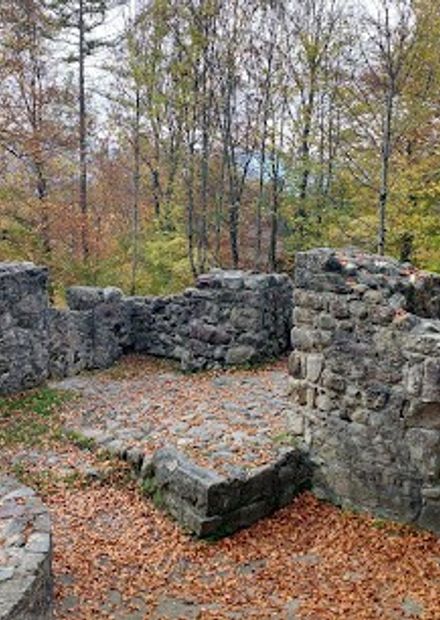
Wulp Castle travel guide
Medieval hill-castle remains on a forested spur above the Küsnachter Tobel gorge.
Tell me more about Wulp CastleMore to explore near Wulp Castle

 Best experiences near Wulp Castle

 Best hotels near Wulp Castle

 Best attractions near Wulp Castle

 Best shops near Wulp Castle

 Best bars near Wulp Castle

 Best restaurants near Wulp Castle
Explore more

Explore more of Zurich
Zurich combines medieval lanes, lake views and world-class museums with Swiss food, design, finance and nearby Alpine landscapes for culture-rich city breaks.
Explore Zurich
Getting your guide ready…
We are putting together a fresh copy of the Wulp Castle guide. This can take up to a minute.
This can take a few moments. If your browser asks, choose Allow so the download can start. You'll find the guide in your Downloads folder.
Nothing happened? Download it again
Sorry, the guide is taking longer than usual. Please try again in a minute, or get it by email instead.