

Free Bukoba Travel Guide & Mobile App
Plan your Bukoba trip with Evendo. Get free guides to top attractions, restaurants, hotels, and bars. Web access or download the mobile app.


Discover Bukoba: A serene escape on the shores of Lake Victoria, where lush landscapes, vibrant markets, and rich cultural heritage await you.
Read more about Bukoba
When is the best time to visit Bukoba?
Best: June–August · 28°C| Month | High (°C) | Rainfall (mm) |
|---|---|---|
| January | 30 | 151 |
| February | 30 | 121 |
| March | 30 | 130 |
| April | 30 | 111 |
| May | 29 | 90 |
| June (best) | 28 | 71 |
| July (best) | 28 | 81 |
| August (best) | 28 | 91 |
| September | 29 | 101 |
| October | 29 | 110 |
| November | 30 | 121 |
| December | 30 | 130 |
Getting to and around Bukoba
How to get there
Transportation
Best attractions in Bukoba
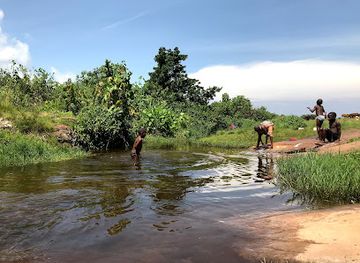
Bukoba, a charming town nestled along the shores of Lake Victoria, offers a unique blend of natural beauty and cultural experiences for visitors. From the stunning panoramic views of the lake to the lush greenery of the surrounding hills, Bukoba is a paradise for nature lovers. Explore the local markets and sample fresh fruits, vegetables, and traditional Tanzanian dishes. Visit the historic German colonial buildings and learn about the town's rich history. Take a boat ride to the picturesque Rubondo Island National Park and spot diverse wildlife including elephants, hippos, and crocodiles. Whether you are seeking relaxation or adventure, Bukoba has something for every traveler to enjoy.
-
National park
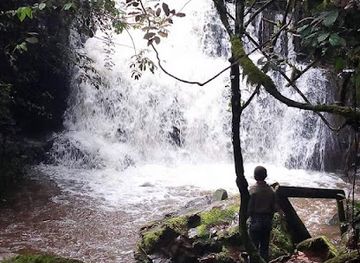
Kyamunene caves and waterfalls
Explore the enchanting Kyamunene Caves and Waterfalls, a national park in Bukoba teeming with stunning landscapes and rich biodiversity.
18 min drive · 6.1 km from city centre
-
Tourist attraction
Rubare ecotourism Kyamunene waterfalls
Experience the breathtaking beauty of Kyamunene Waterfalls at Rubare Ecotourism, a hidden gem in Bukoba, Tanzania, perfect for nature lovers.
18 min drive · 6.1 km from city centre
-
Tourist attraction
Walkgard Ntoro Beach
Experience the tranquil beauty of Walkgard Ntoro Beach, a hidden gem in Bukoba, Tanzania, offering relaxation, adventure, and local culture.
5 min walk · 0.4 km from city centre
-
Museum
Kagera Museum
Explore the Kagera Museum in Bukoba, Tanzania: A cultural gem showcasing the rich history and heritage of the Kagera region.
10 min walk · 0.8 km from city centre


Best landmarks in Bukoba
Bukoba, a hidden gem in Tanzania, offers visitors a unique blend of natural beauty and rich history. From the breathtaking views of Lake Victoria to the historic German Boma, there is something for everyone to enjoy. Take a stroll through the bustling Bukoba Central Market to experience the local culture and sample fresh produce, or visit the mesmerizing Katuruka Hot Springs for a relaxing day trip. Don't miss the opportunity to explore the lush greenery of Rubondo Island National Park, home to a diverse range of wildlife and plant species. Whether you are a nature lover or a history enthusiast, Bukoba has something special to offer every visitor.
-
 Hotel
HotelVictorious Perch Hotel Bukoba
Discover Bukoba's charm at Victorious Perch Hotel, where comfort meets local culture by the shores of Lake Victoria.
5 min walk · 0.4 km from city centre
-
Hotel
BUKOBA KOLPING HOTEL
Discover the warmth of Tanzania at Bukoba Kolping Hotel, where comfort meets local charm in the heart of Bukoba.
6 min drive · 2.0 km from city centre
-
Regional airport
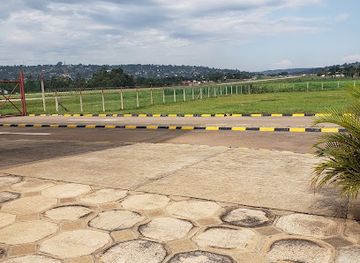
Bukoba Airport
Experience the gateway to stunning Lake Victoria and explore the vibrant culture of Bukoba at Bukoba Airport.
10 min walk · 0.8 km from city centre
-
Hotel
Elct Bukoba Hotel and Tours
Discover the essence of Bukoba at Elct Bukoba Hotel and Tours, your perfect base for exploring Tanzania's breathtaking landscapes and vibrant culture.
11 min walk · 0.9 km from city centre
Explore Bukoba on the map
Plan your Bukoba trip on one map. See where the top attractions, landmarks, restaurants, bars and hotels are, find what's near where you're staying, and book hotels and experiences in a few clicks.
Best hotels in Bukoba
Best restaurants in Bukoba
Bukoba offers a delightful dining scene for visitors, with a diverse range of culinary experiences to explore. From bustling local markets serving up traditional Tanzanian dishes like grilled fish and plantains, to charming cafes and restaurants offering international cuisine with a local twist, there is something for every palate. Enjoy fresh seafood by the lakeshore, savor flavorful street food snacks, or indulge in a fine dining experience showcasing the region's unique flavors. The warm hospitality of the locals combined with the vibrant food scene make Bukoba a must-visit destination for food enthusiasts.
-
Grill
Eco Beach
Discover Eco Beach in Bukoba: where delectable grilled dishes meet stunning lakeside views for an unforgettable dining experience.
7 min drive · 2.4 km from city centre
-
Restaurant
Coffee Tree Bukoba
Experience authentic Tanzanian cuisine and coffee at Coffee Tree Bukoba – where local flavors meet warm hospitality.
5 min drive · 1.5 km from city centre
-
Restaurant
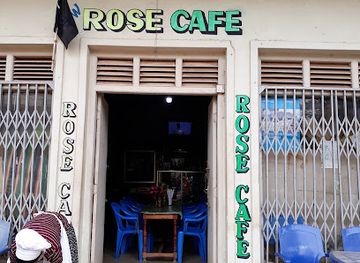
New Rose Cafe
Discover local flavors at New Rose Cafe in Bukoba – where traditional Tanzanian cuisine meets warm hospitality.
1 min walk · 0.1 km from city centre
-
Restaurant
BUNENA STONE BEACH
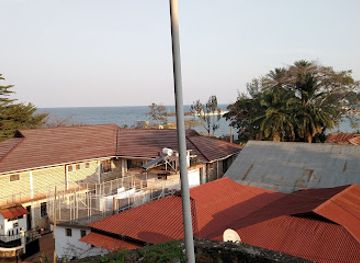
Discover tranquility at Bunena Stone Beach in Bukoba – where stunning rocky shores meet serene waters of Lake Victoria.
8 min drive · 2.7 km from city centre

Best bars in Bukoba
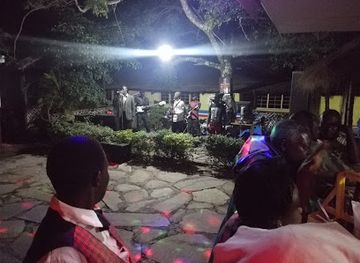
Bukoba's nightlife scene offers a vibrant and eclectic mix of bars and nightclubs that cater to a wide range of tastes and preferences. From cozy lounges serving up craft cocktails to lively dance clubs pulsating with the latest hits, visitors can expect to find a diverse array of entertainment options after the sun sets in this bustling city. Whether you're looking to unwind with a refreshing drink by the waterfront or dance the night away with friendly locals, Bukoba's nightlife scene has something for everyone to enjoy.
-
Motel
The Sky Motel
Experience comfort and hospitality at The Sky Motel in Bukoba, your gateway to exploring Tanzania's stunning landscapes and vibrant culture.
8 min walk · 0.6 km from city centre
-
Bar
Casanova Pub And Restaurant
Experience the vibrant nightlife and delicious cuisine at Casanova Pub and Restaurant in Bukoba, Tanzania, where locals and tourists unite.
7 min walk · 0.5 km from city centre
-
Grill
Eco Beach
Experience the perfect blend of local flavors and stunning ocean views at Eco Beach, Bukoba's premier grill restaurant.
7 min drive · 2.4 km from city centre
-
Bar
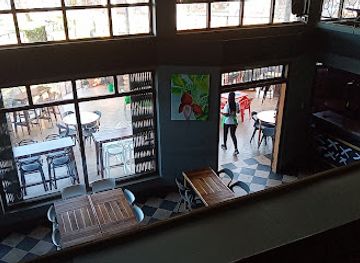
West End Bistro
Discover the vibrant atmosphere and local flavors of Bukoba at West End Bistro, your go-to destination for an unforgettable night out.
6 min walk · 0.5 km from city centre


Best nightclubs in Bukoba
Bukoba's nightlife scene offers a vibrant and eclectic mix of bars and nightclubs that cater to a wide range of tastes and preferences. From cozy lounges serving up craft cocktails to lively dance clubs pulsating with the latest hits, visitors can expect to find a diverse array of entertainment options after the sun sets in this bustling city. Whether you're looking to unwind with a refreshing drink by the waterfront or dance the night away with friendly locals, Bukoba's nightlife scene has something for everyone to enjoy.
-
Club
Bukoba Club
Discover Bukoba Club's energetic nightlife, where music, dance, and local culture come together for an unforgettable experience.
12 min walk · 1.0 km from city centre
-
Night club
THE MINT CLUB
Experience the vibrant nightlife of Bukoba at The Mint Club, a premier destination for dancing and socializing until dawn.
5 min walk · 0.4 km from city centre
-
Night club
Linas Night Club
Experience the vibrant nightlife of Bukoba at Linas Night Club, where music and dance come alive in a lively atmosphere.
5 min walk · 0.4 km from city centre
-
Night club
7th Lounge
Unleash your night at 7th Lounge, Bukoba's hottest night club, featuring vibrant music, stunning light displays, and an electrifying atmosphere.
4 min walk · 0.3 km from city centre

Best shops in Bukoba
Bukoba offers a unique shopping experience for visitors, with bustling markets selling a wide array of local crafts, textiles, and fresh produce. From colorful fabrics and intricate wood carvings to handmade jewelry and traditional pottery, shoppers can immerse themselves in the vibrant culture of the region. Bargaining is a common practice here, so be prepared to haggle for the best prices. Make sure to also visit the local shops and boutiques for a taste of modern Tanzanian fashion and design. Don't miss out on sampling some of the delicious street food while exploring the lively shopping scene in Bukoba.
-
Store
Kilimo Kwanza Bukoba
Discover the heart of Bukoba at Kilimo Kwanza, where local craftsmanship meets vibrant culture in a unique shopping experience.
2 min walk · 0.2 km from city centre
-
Grocery store
Dollys cash and carry
Discover the flavors of Bukoba at Dollys Cash and Carry, your go-to grocery store for local delights and international products.
5 min walk · 0.4 km from city centre
-
Home goods store
Kashai Matopeni
Explore Kashai Matopeni in Bukoba for unique home goods and vibrant local craftsmanship that reflect the heart of Tanzania.
13 min walk · 1.1 km from city centre
-
Shopping mall
Kashai shopping centre
Discover the vibrant Kashai Shopping Centre in Bukoba, where local crafts meet international brands in a lively shopping atmosphere.
14 min walk · 1.1 km from city centre

Get your free copy of our complete guide to Bukoba, delivered straight to you.
Everything on this page, from attractions and restaurants to essentials and local phrases, in one PDF you can read offline, print or share.
Already have an account? Sign in
Your Bukoba guide is ready.
We'll send it to · Not you? Sign out

Getting your guide ready…
We are putting together a fresh copy of the Bukoba guide. This can take up to a minute.
This can take a few moments. If your browser asks, choose Allow so the download can start. You'll find the guide in your Downloads folder.
Nothing happened? Download it again
Sorry, the guide is taking longer than usual. Please try again in a minute, or get it by email instead.
Bukoba essentials
Currency and Payment
Safety
Emergency Situations
Do's and Don'ts
Local Tips
From Eve
Local phrases worth knowing
You don't need to get them perfect. A few words go a long way, and locals appreciate the effort.
Basics
| English | Local | Say it |
|---|---|---|
| Hello | Jambo | [jahm-boh] |
| Goodbye | Kwaheri | [kwah-heh-ree] |
| Yes | Ndio | [nn-dee-oh] |
| No | Hapana | [hah-pah-nah] |
| Please/You're welcome | Tafadhali | [tah-fah-dah-lee] |
| Thank you | Asante | [ah-sahn-teh] |
| Excuse me/Sorry | Samahani | [sah-mah-hah-nee] |
| How are you? | U hali gani? | [oo hah-lee gah-nee] |
| Fine. And you? | Nzuri. Na wewe? | [n-zoo-ree. nah weh-weh] |
| Do you speak English? | Unazungumza Kiingereza? | [oo-nah-zoo-ngoom-zah kee-een-geh-reh-zah] |
| I don't understand | Sielewi | [see-eh-leh-wee] |
Eating & Drinking
| English | Local | Say it |
|---|---|---|
| I'd like to see the menu, please | Ningependa kuona menyu, tafadhali | [nee-ngeh-pehn-dah koo-oh-nah meh-nyoo, tah-fah-dah-lee] |
| I don't eat meat | Sili nyama | [see-lee nyah-mah] |
| Cheers! | Afya! | [ah-fyah] |
| I would like to pay, please | Ningependa kulipa, tafadhali | [nee-ngeh-pehn-dah koo-lee-pah, tah-fah-dah-lee] |
Emergencies
| English | Local | Say it |
|---|---|---|
| Help! | Msaada! | [mm-sah-ah-dah] |
| Go away! | Nenda zako! | [nen-dah zah-koh] |
| Call the Police! | Piga simu polisi! | [pee-gah see-moo poh-lee-see] |
| Call a doctor! | Piga simu daktari! | [pee-gah see-moo dahk-tah-ree] |
| I'm lost | Nimepotea | [nee-meh-poh-teh-ah] |
| I'm ill | Ninaumwa | [nee-nah-oom-wah] |
Shopping
| English | Local | Say it |
|---|---|---|
| I'd like to buy... | Ningependa kununua... | [nee-ngeh-pehn-dah koo-noo-noo-ah] |
| I'm just looking | Natazama tu | [nah-tah-zah-mah too] |
| How much is it? | Bei ni kiasi gani? | [beh-ee nee kee-ah-see gah-nee] |
| That's too expensive | Hicho ni ghali sana | [hee-choh nee gah-lee sah-nah] |
| Can you lower the price? | Unaweza kupunguza bei? | [oo-nah-weh-zah koo-poon-goo-zah beh-ee] |
Time & Numbers
| English | Local | Say it |
|---|---|---|
| What time is it? | Saa ngapi? | [sah-ah ngah-pee] |
| It's one o'clock | Saa moja | [sah-ah moh-jah] |
| Half past (10) | Nusu kumi | [noo-soo koo-mee] |
| Morning | Asubuhi | [ah-soo-boo-hee] |
| Afternoon | Mchana | [m-chah-nah] |
| Evening | Jioni | [joh-nee] |
| Yesterday | Jana | [jah-nah] |
| Today | Leo | [leh-oh] |
| Tomorrow | Kesho | [keh-shoh] |
| 1 | Moja | [moh-jah] |
| 2 | Mbili | [mm-bee-lee] |
| 3 | Tatu | [tah-too] |
| 4 | Nne | [n-neh] |
| 5 | Tano | [tah-noh] |
| 6 | Sita | [see-tah] |
| 7 | Saba | [sah-bah] |
| 8 | Nane | [nah-neh] |
| 9 | Tisa | [tee-sah] |
| 10 | Kumi | [koo-mee] |
Transport & Directions
| English | Local | Say it |
|---|---|---|
| Where's a/the...? | Iko wapi...? | [ee-koh wah-pee] |
| What's the address? | Anwani ni ipi? | [ah-nwah-nee nee ee-pee] |
| Can you show me (on the map)? | Unaweza kunionyesha (kwenye ramani)? | [oo-nah-weh-zah koo-nyoh-nyeh-shah (kwehn-yeh rah-mah-nee)] |
| When's the next (bus)? | Basi la pili ni saa ngapi? | [bah-see lah pee-lee nee sah-ah ngah-pee] |
| A ticket (to ....) | Tiketi (kwenda ....) | [tee-keh-tee (kwehn-dah)] |
History of Bukoba
Origins and Early Inhabitants
Bukoba, located on the western shore of Lake Victoria, has been inhabited for centuries. The Haya people are the indigenous inhabitants, known for their rich cultural heritage and early adoption of iron smelting techniques. Archaeological evidence suggests that the Haya were among the first in Africa to use advanced ironworking technology, dating back to the 1st century AD.
The Kingdom of Kiziba
During the pre-colonial period, Bukoba was part of the Kingdom of Kiziba, one of the many small but powerful kingdoms in the region. The Haya people established a sophisticated socio-political system, with the Omukama (king) at the top. The Kingdom of Kiziba was known for its structured governance, trade networks, and cultural practices, including traditional dances and ceremonies.
Colonial Era
In the late 19th century, Bukoba came under German colonial rule as part of German East Africa. The Germans established administrative centers and introduced cash crops such as coffee and cotton. The region saw infrastructure development, including roads and schools, albeit primarily for the benefit of the colonial administration. Following World War I, Bukoba fell under British control as part of the Tanganyika Territory.
Independence and Modern Era
Tanzania gained its independence from British rule on December 9, 1961. Bukoba, as part of the new nation, experienced significant changes. The government focused on improving healthcare, education, and infrastructure. The establishment of the Kagera Region in 1979, with Bukoba as its capital, marked a new era of administrative importance for the city. Today, Bukoba is a vibrant town known for its bustling markets, cultural festivals, and beautiful lakeside views.
Cultural Heritage and Traditions
Bukoba is rich in cultural heritage, with the Haya people maintaining their traditional practices while also embracing modernity. The region is famous for its intricate bark cloth making, a centuries-old craft that involves harvesting the inner bark of fig trees to create fabric. Traditional dances, such as the 'Enanga' and 'Amayaga,' are performed during ceremonies and festivals, showcasing the community's artistic talents and deep-rooted traditions.
Economic Development and Trade
Bukoba's strategic location on Lake Victoria has long made it a hub for trade. The town's economy has historically been based on agriculture, with coffee being a major cash crop. In recent years, there has been a surge in small-scale businesses and tourism, driven by the town's natural beauty and cultural attractions. The bustling Bukoba Market is a testament to the region's thriving trade and commerce, offering everything from fresh produce to handmade crafts.
Bukoba in Photos
Browse through our photo collection highlighting the charm and character of the destination.
Cities near Bukoba
The closest cities to Bukoba, if you have time for more than one stop.
-

-

-

-

-


Swipe for more cities
Explore more

Explore more of Tanzania
Discover Tanzania: From the majestic Mount Kilimanjaro to the stunning Serengeti and the serene beaches of Zanzibar, experience the best of nature and culture in East Africa.
Explore Tanzania