

Free Entebbe Travel Guide & Mobile App
Plan your Entebbe trip with Evendo. Get free guides to top attractions, restaurants, hotels, and bars. Web access or download the mobile app.


Entebbe, Uganda, combines Lake Victoria scenery, botanical gardens, wildlife encounters and historic airport heritage with a relaxed lakeside atmosphere.
A Lakeside Peninsula
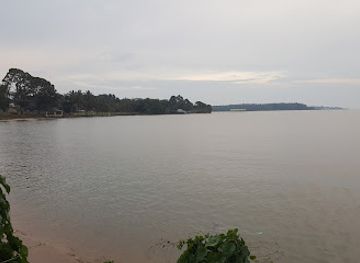
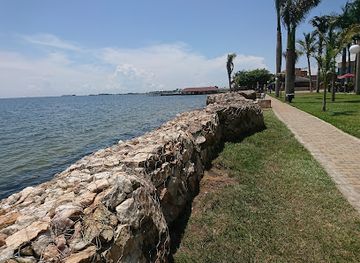
Entebbe occupies a leafy peninsula on the northern shore of Lake Victoria, about 35 kilometres south-west of Kampala. The city’s identity is shaped by water, gardens and wildlife: broad lake views open between mature trees, red-earth roads lead towards fishing communities, and the pace is generally quieter than in Uganda’s capital. As the country’s principal aviation gateway, Entebbe is often a first introduction to Uganda, but it rewards more than a brief stopover.Read more about Entebbe
Gardens, Wildlife and Colonial Heritage
Life Beside Lake Victoria
When is the best time to visit Entebbe?
Best: January, July–August · 29–30°C| Month | High (°C) | Rainfall (mm) |
|---|---|---|
| January (best) | 29 | 94 |
| February | 29 | 111 |
| March | 30 | 141 |
| April | 30 | 182 |
| May | 30 | 158 |
| June | 30 | 90 |
| July (best) | 30 | 83 |
| August (best) | 30 | 87 |
| September | 30 | 95 |
| October | 30 | 165 |
| November | 30 | 170 |
| December | 30 | 125 |
Getting to and around Entebbe
How to get there
Transportation
Best attractions in Entebbe
Entebbe’s principal attractions combine wildlife, botanical landscapes and the natural setting of Lake Victoria. At the Uganda Wildlife Education Centre, formerly known as Entebbe Zoo, visitors can see native species in spacious enclosures while learning about conservation and rehabilitation. The Entebbe Botanical Gardens offer shaded paths, tropical planting, mature lakeside trees and opportunities for birdwatching. For a different perspective on the region, organised trips to Mabamba Swamp travel through papyrus wetlands outside the town, where birders may look for the shoebill alongside other wetland species. The lakefront and nearby beaches provide space for views, boating and informal relaxation, although swimming conditions require care. Kitoro Market presents the everyday energy of local commerce, with produce, household goods and small food businesses rather than a staged tourist setting. Together, these places make Entebbe a gentle introduction to Uganda’s ecology and lakeside life.
-
Zoo
Uganda Wildlife Conservation Education Centre
Explore the Uganda Wildlife Conservation Education Centre in Entebbe for an unforgettable wildlife experience and a glimpse into conservation efforts.
7 min drive · 2.2 km from city centre
-
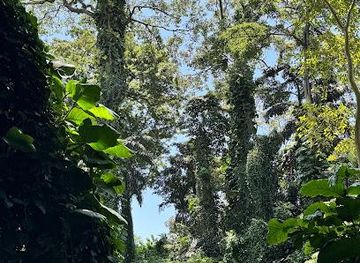
Entebbe Botanical Garden
Discover the natural beauty and biodiversity of Uganda at Entebbe Botanical Garden, a serene lakeside escape for tourists and nature lovers.
-
Historical landmark
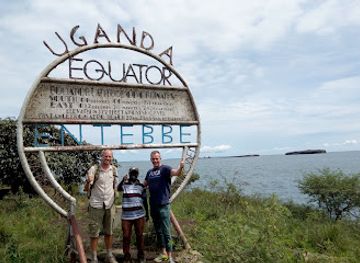
Equator at Entebbe
Experience the unique thrill of standing on the equatorial line at the Equator in Entebbe, Uganda, a landmark rich in history and natural beauty.
20 min drive · 6.8 km from city centre
-
Bird watching area
Kitubulu forest and beach
Discover the serene beauty of Kitubulu Forest and Beach, a perfect escape for birdwatchers and nature enthusiasts in Entebbe, Uganda.
13 min drive · 4.5 km from city centre

Best landmarks in Entebbe
Entebbe’s landmarks express its former administrative importance and its continuing connection with aviation, gardens and the lake. The State House occupies the site of the colonial-era administrative centre and represents the city’s longstanding governmental role, although access is restricted. The Uganda Wildlife Education Centre is a major public institution whose buildings and grounds embody Uganda’s modern conservation efforts. Nearby, the Entebbe Botanical Gardens form a historic landscape associated with botanical research and colonial-era scientific administration. Entebbe International Airport is both a practical gateway and a landmark of modern Ugandan history, remembered internationally because of the 1976 hostage-rescue operation. Churches and older institutional buildings around the peninsula add to the town’s colonial and post-independence architectural record, while the lakefront itself remains the defining geographical feature rather than a single constructed monument.
-
Zoo
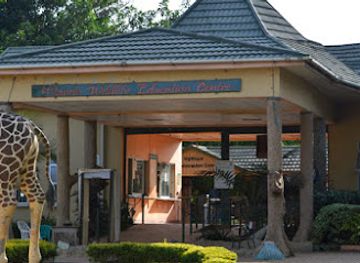
Uganda Wildlife Conservation Education Centre
Explore the Uganda Wildlife Conservation Education Centre: A sanctuary for wildlife and a hub for conservation education in Entebbe.
7 min drive · 2.2 km from city centre
-
Shopping mall
Victoria Mall
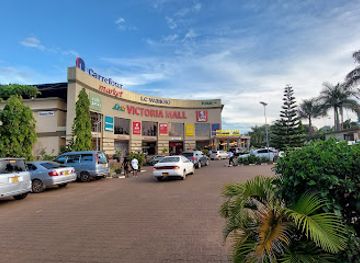
Experience the vibrant shopping scene at Victoria Mall in Entebbe, Uganda, where culture meets retail therapy in a modern setting.
8 min drive · 2.5 km from city centre
-
Shopping mall
Victoria Mall Entebbe
Explore Victoria Mall in Entebbe for a unique shopping, dining, and entertainment experience in a vibrant atmosphere.
8 min drive · 2.6 km from city centre
-
Botanical garden
Entebbe Botanical Garden
Explore the vibrant flora and serene landscapes of Entebbe Botanical Garden, a tropical paradise on Lake Victoria's shores.
8 min drive · 2.5 km from city centre
Explore Entebbe on the map
Plan your Entebbe trip on one map. See where the top attractions, landmarks, restaurants, bars and hotels are, find what's near where you're staying, and book hotels and experiences in a few clicks.
Best hotels in Entebbe
Best restaurants in Entebbe
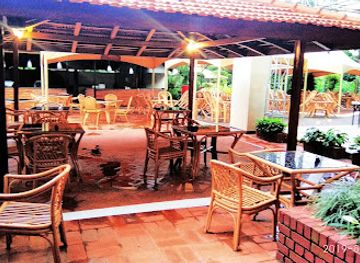
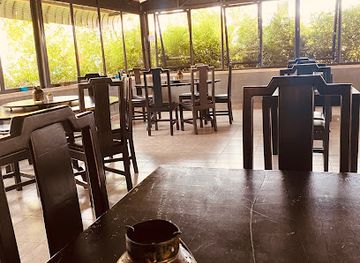
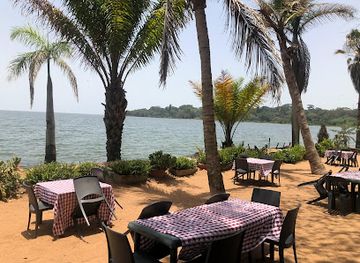
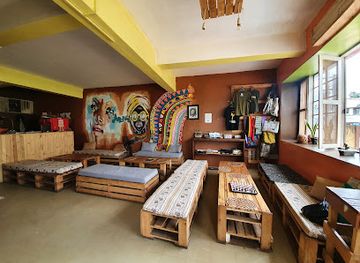
Entebbe’s food scene reflects Ugandan home cooking, East African influences and the practical needs of an international airport town. Local eateries serve staples such as matoke, a savoury plantain dish, alongside rice, posho, beans, groundnut sauces, cassava, grilled meats and tilapia from the Lake Victoria region. Chapati, rolex rolls combining flatbread with egg and vegetables, and samosas are common informal choices, while fresh tropical fruit and juice appear in markets and cafés. Around the town centre, Kitoro and the airport corridor, visitors find modest Ugandan restaurants, Indian-influenced cooking, continental menus and hotel dining rooms. Lake fish is especially associated with the region, but sourcing and preparation vary. Eating at a busy, well-established local venue, using bottled or treated water and taking care with raw food are sensible precautions for visitors adjusting to the climate.
-
Restaurant
Faze 3
Discover Faze 3 in Entebbe: A delightful restaurant blending local flavors with international cuisine in an inviting atmosphere.
12 min walk · 1.0 km from city centre
-
Restaurant
4 Points Bar and Restaurant Ltd
Discover the vibrant culinary scene at 4 Points Bar and Restaurant Ltd in Entebbe - a perfect blend of local and international flavors.
5 min walk · 0.4 km from city centre
-
Restaurant
Goretti's Pizzeria And Bar entebbe
Experience authentic Italian flavors at Goretti's Pizzeria And Bar in Entebbe - where every slice tells a story.
10 min drive · 3.3 km from city centre
-
Restaurant
The Rolex Guy Entebbe
Discover the culinary delight of Uganda at The Rolex Guy Entebbe - home of the famous Rolex rolls.
6 min drive · 1.9 km from city centre
Best bars in Entebbe
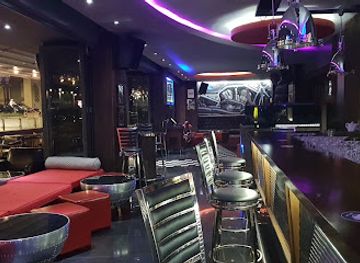
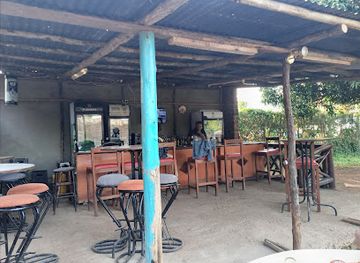
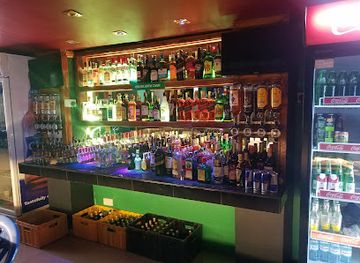
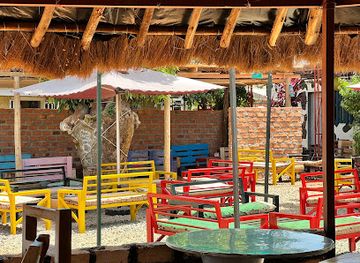
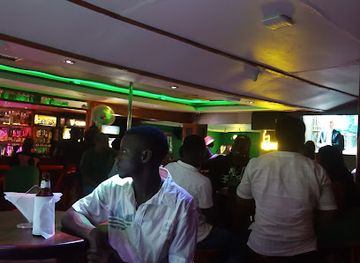
Entebbe’s evening scene is relatively relaxed and dispersed rather than concentrated in a large club district. Hotel lounges, lakeside restaurants, neighbourhood bars and small entertainment venues provide places for conversation, drinks and televised sport, with activity usually strongest around the town centre, airport road and established accommodation areas. Ugandan beer, spirits, soft drinks and fruit juices are widely available, while music may range from contemporary East African hits to international pop. Some venues offer dancing or occasional live performances, but opening patterns and atmosphere can change, so local advice is useful. Quieter evenings suit guests who prefer a lakeside meal or hotel terrace, whereas busier bars may become livelier later at weekends. Use a trusted taxi after dark, keep belongings close and avoid walking unfamiliar, poorly lit roads alone.
-
Lounge
Riders Lounge
Experience the essence of luxury at Riders Lounge in Entebbe, where exquisite cuisine meets vibrant nightlife in a chic setting.
5 min drive · 1.8 km from city centre
-
Bar
Amazon Pub Entebbe
Discover the lively nightlife of Entebbe at Amazon Pub, where local culture and great entertainment come together for an unforgettable experience.
8 min walk · 0.7 km from city centre
-
Bar
Paddy O'ganda's Irish Bar
Experience the vibrant atmosphere of Paddy O'ganda's Irish Bar in Entebbe, where Irish hospitality meets Ugandan charm for an unforgettable night out.
7 min drive · 2.4 km from city centre
-
Grill
Tipsy cow bar
Discover the flavorful delights of Tipsy Cow Bar in Entebbe, where great food and a vibrant atmosphere await every traveler.
7 min drive · 2.2 km from city centre
Best nightclubs in Entebbe
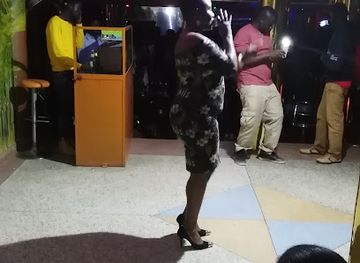
Entebbe’s evening scene is relatively relaxed and dispersed rather than concentrated in a large club district. Hotel lounges, lakeside restaurants, neighbourhood bars and small entertainment venues provide places for conversation, drinks and televised sport, with activity usually strongest around the town centre, airport road and established accommodation areas. Ugandan beer, spirits, soft drinks and fruit juices are widely available, while music may range from contemporary East African hits to international pop. Some venues offer dancing or occasional live performances, but opening patterns and atmosphere can change, so local advice is useful. Quieter evenings suit guests who prefer a lakeside meal or hotel terrace, whereas busier bars may become livelier later at weekends. Use a trusted taxi after dark, keep belongings close and avoid walking unfamiliar, poorly lit roads alone.
-
Bar
Amazon Pub Entebbe
Discover the lively ambiance of Amazon Pub in Entebbe, a perfect spot to unwind and enjoy affordable drinks in a vibrant setting.
8 min walk · 0.7 km from city centre
-
Bar
Paddy O'ganda's Irish Bar
Discover Paddy O'ganda's Irish Bar: a vibrant hotspot in Entebbe for drinks, entertainment, and unforgettable evenings in a lively atmosphere.
7 min drive · 2.4 km from city centre
-
Bar
Capital Pub, Entebbe.
Discover the lively nightlife at Capital Pub, Entebbe - where local culture meets vibrant entertainment in a welcoming atmosphere.
11 min drive · 3.7 km from city centre
-
Night club
Knight Riders Discotheque Entebbe
Experience the vibrant nightlife of Entebbe at Knight Riders Discotheque, where music and dance unite for an unforgettable evening.
8 min drive · 2.6 km from city centre

Best shops in Entebbe
Shopping in Entebbe is centred on practical local commerce rather than a large luxury retail scene. Kitoro Market is the main place to encounter fresh produce, fish, clothing, household goods and small-scale trading, with the busiest activity often taking place earlier in the day. Shops and stalls around the town centre and airport road sell snacks, bottled drinks, fabrics, crafts and everyday necessities, while hotel and specialist outlets may stock Ugandan coffee, tea, baskets, carved items and locally made souvenirs. Visitors should inspect quality and provenance, particularly when buying wood, wildlife-related objects or antiques, and should avoid anything made from protected species. Prices in markets may be negotiable, but courteous bargaining is expected. Larger supermarkets and formal shops generally offer a calmer environment and more predictable payment arrangements than open-air stalls.
-
Shopping mall
Victoria Mall
Discover shopping, dining, and entertainment at Victoria Mall, a vibrant hub in Entebbe, Uganda, perfect for families and tourists alike.
8 min drive · 2.5 km from city centre
-
Shopping mall
Victoria Mall Entebbe
Experience the best of shopping, dining, and entertainment at Victoria Mall Entebbe, a premier destination in Uganda.
8 min drive · 2.6 km from city centre
-
Supermarket
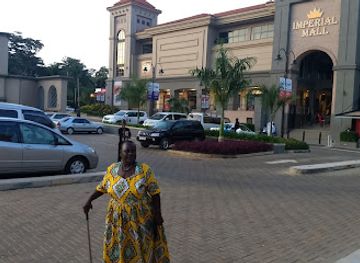
Imperial Shopping Mall
Explore the Imperial Shopping Mall in Entebbe: a vibrant shopping destination with diverse dining, entertainment, and local culture.
5 min drive · 1.8 km from city centre
-
Supermarket
Pearl Supermarket Entebbe
Explore the diverse offerings of Pearl Supermarket in Entebbe, where local culture meets convenience in a vibrant shopping experience.
7 min walk · 0.6 km from city centre



Get your free copy of our complete guide to Entebbe, delivered straight to you.
Everything on this page, from attractions and restaurants to essentials and local phrases, in one PDF you can read offline, print or share.
Already have an account? Sign in
Your Entebbe guide is ready.
We'll send it to · Not you? Sign out

Getting your guide ready…
We are putting together a fresh copy of the Entebbe guide. This can take up to a minute.
This can take a few moments. If your browser asks, choose Allow so the download can start. You'll find the guide in your Downloads folder.
Nothing happened? Download it again
Sorry, the guide is taking longer than usual. Please try again in a minute, or get it by email instead.
Entebbe essentials
Currency and Payment
Safety
Emergency Situations
Do's and Don'ts
Local Tips
From Eve
Local phrases worth knowing
You don't need to get them perfect. A few words go a long way, and locals appreciate the effort.
Basics
| English | Local | Say it |
|---|---|---|
| Hello | Oli otya | [oh-lee oh-cha] |
| Goodbye | Weeraba | [weh-rah-bah] |
| Yes | Eego | [ee-go] |
| No | Nedda | [neh-dah] |
| Please/You're welcome | Mwebale | [mweh-bah-leh] |
| Thank you | Webale nyo | [weh-bah-leh nyoh] |
| Excuse me/Sorry | Osobola kusonyiwa | [oh-soh-boh-lah koo-soh-nyee-wah] |
| How are you? | Oli otya? | [oh-lee oh-cha?] |
| Fine. And you? | Gyendi. Owekisa? | [gyen-dee. oh-weh-kee-sah?] |
| Do you speak English? | Ogamba olungereza? | [oh-gahm-bah oh-loon-geh-reh-zah?] |
| I don't understand | Silye kintu | [see-lyeh keen-too] |
Eating & Drinking
| English | Local | Say it |
|---|---|---|
| I'd like to see the menu, please | Njagala okuyita menu, kubanga | [nyah-gah-lah oh-koo-yee-tah meh-noo, koo-bahn-gah] |
| I don't eat meat | Siya kuwa | [see-yah koo-wah] |
| Cheers! | Tambula | [tahm-boo-lah] |
| I would like to pay, please | Njagala okukola emikolo, kubanga | [nyah-gah-lah oh-koo-koh-lah eh-mee-koh-loh, koo-bahn-gah] |
Emergencies
| English | Local | Say it |
|---|---|---|
| Help! | Tusasire! | [too-sah-see-reh!] |
| Go away! | Genda kulya! | [gen-dah kool-yah!] |
| Call the Police! | Tuyige Poliisi! | [too-yee-geh poh-lee-ee-see!] |
| Call a doctor! | Tuyige daktari! | [too-yee-geh dahk-tah-ree!] |
| I'm lost | Nze ndi mu byawandikibwa | [n-zeh n-dee moo bee-yah-wahn-dee-kee-bwah] |
| I'm ill | Nze njagala | [n-zeh nyah-gah-lah] |
Shopping
| English | Local | Say it |
|---|---|---|
| I'd like to buy... | Njagala okwetegereza... | [nyah-gah-lah oh-kweh-teh-geh-reh-zah...] |
| I'm just looking | Njagala nokulabirira | [nyah-gah-lah noh-koo-lah-bee-ree-rah] |
| How much is it? | Birungi bino bisi? | [bee-roon-gee bee-noh bee-see?] |
| That's too expensive | Ebyo bya muzanyo | [eh-byoh byah moo-zahn-yoh] |
| Can you lower the price? | Ogenda okusowola? | [oh-genn-dah oh-koo-soh-woh-lah?] |
Time & Numbers
| English | Local | Say it |
|---|---|---|
| What time is it? | Saa ngapi? | [sah nah-gah-pee?] |
| It's one o'clock | Saa limu | [sah lee-moo] |
| Half past (10) | Munaakya | [moo-nah-kyah] |
| Morning | Ekiro | [eh-kee-roh] |
| Afternoon | Ekinono | [eh-kee-noh-noh] |
| Evening | Ekitongole | [eh-kee-tohn-goh-leh] |
| Yesterday | Jino | [jee-noh] |
| Today | Lero | [leh-roh] |
| Tomorrow | Ensi | [ehn-see] |
| 1 | Mmoja | [mmoh-jah] |
| 2 | Bili | [bee-lee] |
| 3 | Ssatu | [ssah-too] |
| 4 | Wanna | [wah-nah] |
| 5 | Tano | [tah-noh] |
| 6 | Ssitta | [ssit-tah] |
| 7 | Mmussanvu | [mmoo-san-voo] |
| 8 | Mmunaana | [mmoo-nah-nah] |
| 9 | Kyenda | [chee-en-dah] |
| 10 | Kumi | [koo-mee] |
Transport & Directions
| English | Local | Say it |
|---|---|---|
| Where's a/the...? | Gweyali wa...? | [gweh-yah-lee wah...?] |
| What's the address? | Ekiwandiiko kya... | [eh-kee-wahn-dee-koh kyah...] |
| Can you show me (on the map)? | Ogenda okundaba (mu mapu)? | [oh-genn-dah oh-koon-dah-bah (moo mah-poo)?] |
| When's the next (bus)? | Olwaleero kyaba... | [ohl-wah-leh-roh chah-bah...] |
| A ticket (to ....) | Ettikeeti (ku....) | [eh-tee-kay-tee (koo....)] |
History of Entebbe
Early Lakeside Communities
Before colonial administration, the Entebbe peninsula formed part of the cultural and political world of Buganda, whose territory extended around the northern shores of Lake Victoria. Fishing, cultivation and movement by canoe connected lakeside communities with neighbouring settlements and islands. The name Entebbe is commonly associated with a place of gathering or a seat of authority, although interpretations of local place names can vary. The peninsula’s freshwater access, fertile surroundings and elevated position helped make it an important locality long before the arrival of European officials. Its later administrative role therefore developed on a site already integrated into regional networks of trade, authority and lake-based travel.
Colonial Administration Takes Root
Entebbe became a major centre of British colonial administration after the establishment of the Uganda Protectorate in the 1890s. Officials selected the peninsula for its lakeside setting and relatively healthy environment, and government offices, residences and service institutions followed. Entebbe served as the administrative capital of the protectorate, while Kampala developed as a commercial and urban centre inland. Roads, a port and later aviation links strengthened the town’s connections with the surrounding kingdom and the wider protectorate. The surviving spacious compounds, institutional buildings and planned greenery reflect this period, although the colonial landscape was built within a region whose societies and political structures long predated British rule.
Gardens, Research and Public Institutions
Entebbe’s botanical and scientific institutions grew during the early twentieth century, when colonial authorities established gardens and research facilities to study tropical plants, agriculture and forestry. The botanical gardens became both a practical centre of experimentation and a public landscape, preserving a mixture of native vegetation and introduced species beside Lake Victoria. Government departments, medical services and educational institutions further consolidated the town’s administrative importance. These developments gave Entebbe a different character from Kampala: more spacious, institutional and closely tied to the lake. They also left a complicated legacy, since colonial science and land management operated within unequal political and economic systems.
Independence and a Changing Capital
Uganda gained independence from Britain in 1962, and Kampala became the national capital as the new state reorganised its institutions. Entebbe nevertheless remained an important centre of government administration, aviation and international connection. Its airport developed into Uganda’s principal gateway, linking the country with regional and global destinations. The town also retained its gardens, lakeside institutions and lower-density residential character. Political upheavals during the 1970s affected Entebbe, as they did the country more broadly, while the airport became internationally known after the 1976 hostage-rescue operation carried out by Israeli forces. The event remains a significant and sensitive part of the airport’s modern history.
Contemporary Entebbe
In recent decades, Entebbe has grown through airport-related activity, tourism, government services and expanding residential development. The city’s proximity to Kampala has increased movement along the main road corridor, while the opening of the Entebbe–Kampala Expressway improved regional access. Despite this growth, Entebbe retains tree-lined areas, wetland edges and a strong relationship with Lake Victoria. Conservation and tourism now sit alongside ordinary urban pressures, including traffic, development and the protection of natural habitats. Wildlife education, botanical research, birding and lake excursions have become important parts of the city’s public identity, complementing its continuing role as Uganda’s international point of arrival.
Entebbe in Photos
Browse through our photo collection highlighting the charm and character of the destination.
Cities near Entebbe
The closest cities to Entebbe, if you have time for more than one stop.
-

-

-

-

-


Swipe for more cities
Explore more

Explore more of Uganda
Discover Uganda: From the majestic mountain gorillas of Bwindi to the vibrant streets of Kampala, experience the diverse landscapes and rich culture of the Pearl of Africa.
Explore Uganda