
Mt Kilimanjaro, Kilimanjaro Region Travel Guide
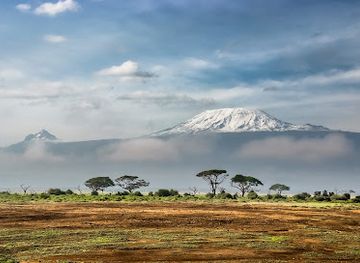
Discover the breathtaking beauty and rich culture of Mt. Kilimanjaro, Africa's highest peak, and embark on an unforgettable trekking adventure.
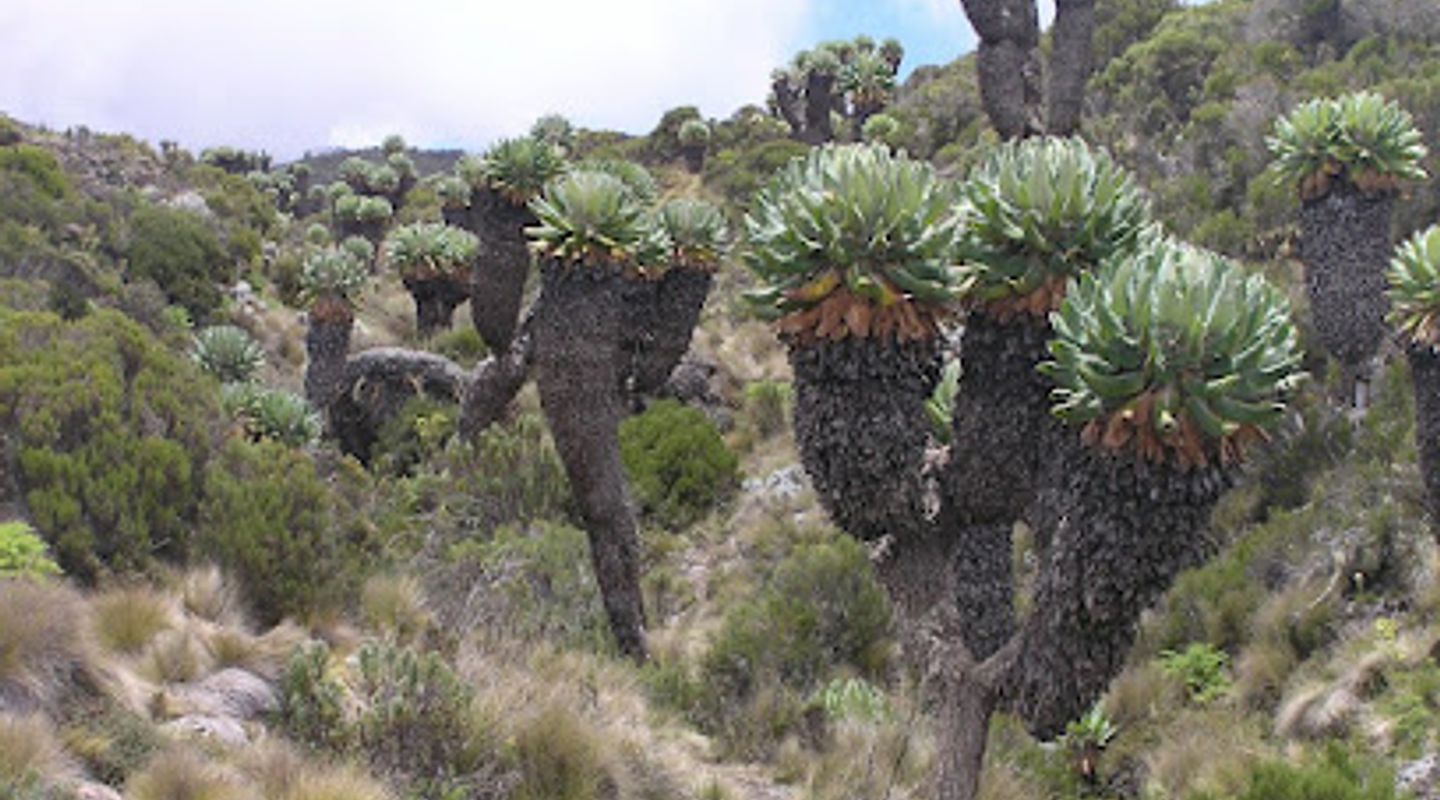
Mt. Kilimanjaro, the highest peak in Africa, is a breathtaking volcano that attracts adventure seekers and nature lovers from around the globe. Standing at 5,895 meters, its snow-capped summit offers stunning views and a unique ecological diversity, making it a must-visit destination for tourists. Trekking to the summit is a challenging yet rewarding experience, with multiple routes catering to varying skill levels. The allure of Kilimanjaro lies not only in its towering presence but also in the vibrant culture of the surrounding communities and the rich wildlife that inhabits its slopes.
A brief summary to Mt Kilimanjaro
- TZ

Know before you go
Hi, I'm Eve. Here are a few practical things to know before exploring Mt Kilimanjaro.
- Consider booking a guided trek to ensure safety and enhance your experience with local knowledge.
- Pack layers of clothing to prepare for the changing weather conditions as you ascend.
- Stay hydrated and take acclimatization seriously to avoid altitude sickness.
- Plan your visit during the dry seasons, typically between January to March and June to October, for the best trekking conditions.
- Don't rush the trek; take your time to enjoy the diverse landscapes and unique flora and fauna.
Do you manage this location?
Take control to get all the benefits, like improved information, better appearance, and stronger visibility across AI-powered discovery. Learn more about listing your business on Evendo
Activate your presenceOther nearby places you may find interesting
The closest places of the same kind, if this one is not quite what you had in mind.
Explore Mt Kilimanjaro on the Map
A handpicked selection of must-see spots near Mt Kilimanjaro, mapped for you.
Unlock the Best of Mt Kilimanjaro
Buy tickets
Book tours with entry


Getting There
-
Car
If you're traveling by car, head towards Moshi town, which is a good base for accessing Mt Kilimanjaro. From Moshi, take the A23 road heading towards Marangu. Follow the signs for Kilimanjaro National Park, which is approximately a 45-minute drive from Moshi. Ensure you have sufficient fuel, as there are limited gas stations along the route. Once you reach the park entrance, you'll need to pay the park fee, which is approximately $70 USD for foreign visitors. After entering the park, you can drive to the various trailheads (like Marangu Gate or Machame Gate) depending on your chosen route up the mountain. Note that parking may incur additional fees.
-
Public Transportation
To reach Mt Kilimanjaro via public transport, start from your location in Kilimanjaro Region and head to Moshi town. You can take a daladala (shared minibus) or a taxi to Moshi, which typically costs around 1,000-3,000 TZS ($0.50-$1.50 USD) depending on the distance. Once in Moshi, you can find other daladalas heading towards Marangu or Kilimanjaro National Park. Ensure to ask the driver to drop you off at the nearest park entrance or gate (like Marangu Gate), where you will pay the entrance fee. Be prepared for a bit of a wait as daladalas operate on a schedule based on passenger numbers.
-
Taxi or Ride-hailing Service
For a more comfortable option, consider hiring a taxi or using a ride-hailing service like Uber or Bolt if available in your area. From Moshi, a taxi ride to the park entrance will cost around $30-$50 USD depending on the destination (like Marangu Gate or Machame Gate). This option provides a direct route without the hassle of public transport. Make sure to confirm the fare before starting the trip, and inquire if the driver is willing to wait for you while you explore.
Discover more about Mt Kilimanjaro













Your all‑in‑one travel companion app
Explore expert travel guides, compare and book tours, experiences, hotels, and more—all from the palm of your hand. Download now for seamless trip planning wherever your wanderlust takes you.


Explore More of Kilimanjaro Region
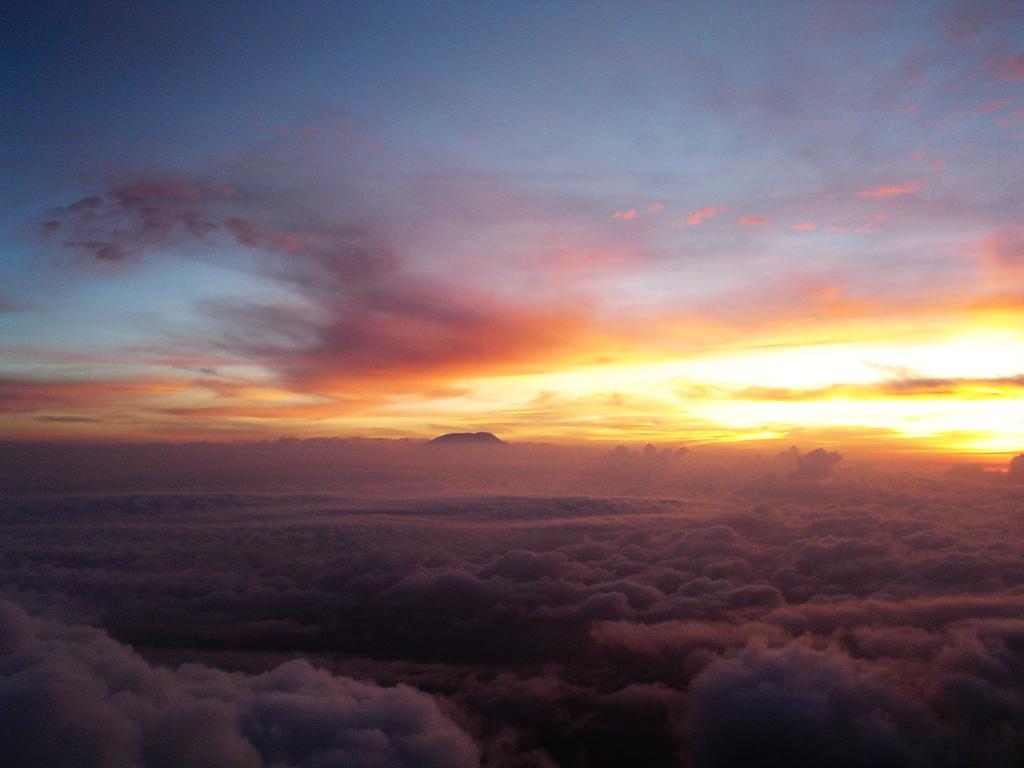
Looking beyond Mt Kilimanjaro? Discover Kilimanjaro Region for broader travel guides, local hot-spots, and regional highlights.
Explore Kilimanjaro Region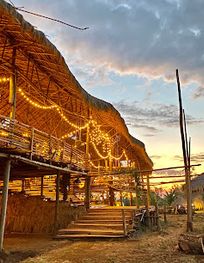
Discover the tranquility of Mount Kilimanjaro 360 View Cottages, where breathtaking views and cultural experiences await every traveler.

Explore the breathtaking trails of Kilimanjaro, Africa's iconic peak, and experience a unique blend of adventure and natural beauty.
